Rental Property Insurance Basics for Landlords in Wright-Dunbar, Dayton
Owning rental property in Wright-Dunbar, Dayton, comes with unique opportunities and challenges shaped by the neighborhood’s rich history, distinctive housing stock, and urban environment. For landlords, understanding rental property insurance is not just about meeting legal requirements—it is about safeguarding your investment against the specific risks that arise in this vibrant community. This article offers a comprehensive, in-depth look at landlord insurance tailored to Wright-Dunbar’s realities. We will explore how the built environment influences risk, the nuances of insurance coverage in Ohio, and practical decision-making strategies. Whether you own a single duplex or a portfolio of rental homes, this guide aims to help you navigate the complexities of rental property insurance with clarity and confidence.
Meet Wright-Dunbar, Dayton Ohio
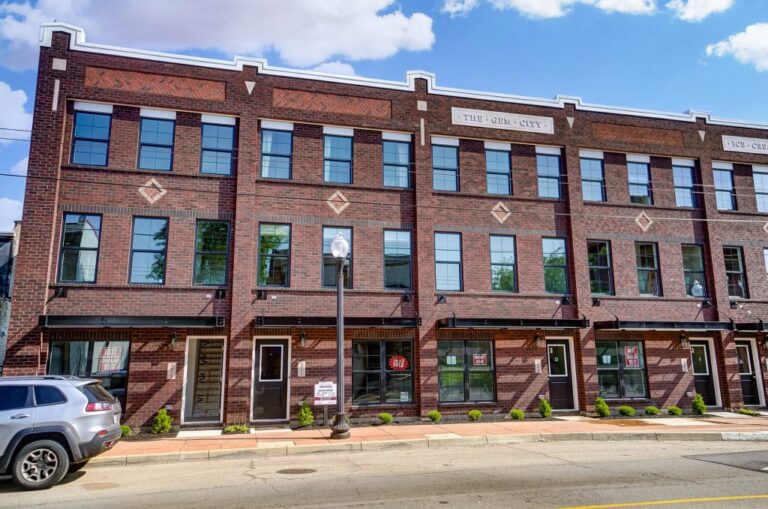
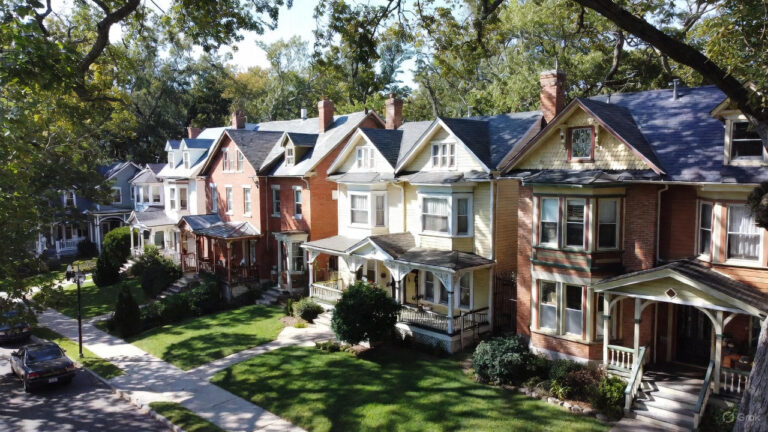
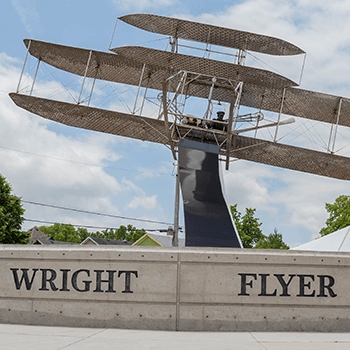
Wright-Dunbar is a historic Dayton neighborhood named after two of its most famous residents: aviation pioneers Orville and Wilbur Wright, and poet Paul Laurence Dunbar. This area features an eclectic mix of early 20th-century brick duplexes, single-family homes, and small multi-unit buildings. Many structures date back to the 1910s through the 1930s, embodying early urban architecture with masonry construction, wood framing, and occasionally ornate brickwork. Narrow streets, alleys, and sidewalks characterize the neighborhood, reflecting its original design for pedestrian and streetcar traffic rather than today’s automobile-dominated environment.
Residents and landlords in Wright-Dunbar enjoy a close-knit community that values heritage preservation, local arts, and urban revitalization. However, this historic charm comes with some built-in insurance risks, such as aging electrical and plumbing systems, limited off-street parking, and older roofing materials. The neighborhood’s walkable streets also mean that landlords face unique liability considerations for common areas, stairs, and porches. Understanding these local characteristics is crucial when assessing insurance needs.
For a broader perspective on property insurance in this area, you might explore our full Wright-Dunbar insurance guide, which covers homeowners policies and offers foundational insights relevant to rental properties as well.
How the Built Environment in Wright-Dunbar Shapes Insurance Risk
The built environment of Wright-Dunbar has a direct impact on insurance risk profiles for landlords. The majority of rental properties here are older masonry or brick duplexes and small apartment buildings, many with shared walls and sometimes aging infrastructure. This means certain perils are more common or severe than in newer suburban developments.
For example, older homes often have original or early-1900s electrical wiring, which can increase the risk of electrical fires. Plumbing systems may include galvanized steel or cast iron pipes prone to corrosion and leaks, raising the likelihood of water damage claims. Roofs, often covered with wood shingles or older asphalt materials, may be vulnerable to wind and hail damage common in Ohio’s variable climate.
Narrow streets and limited parking mean tenants often park on the street, exposing vehicles to potential vandalism or accidental damage—a consideration landlords should be mindful of when discussing tenant risks. Moreover, porches and external stairs, sometimes original to the building, can be a source of slip-and-fall liability claims, especially in winter months with ice or snow accumulation.
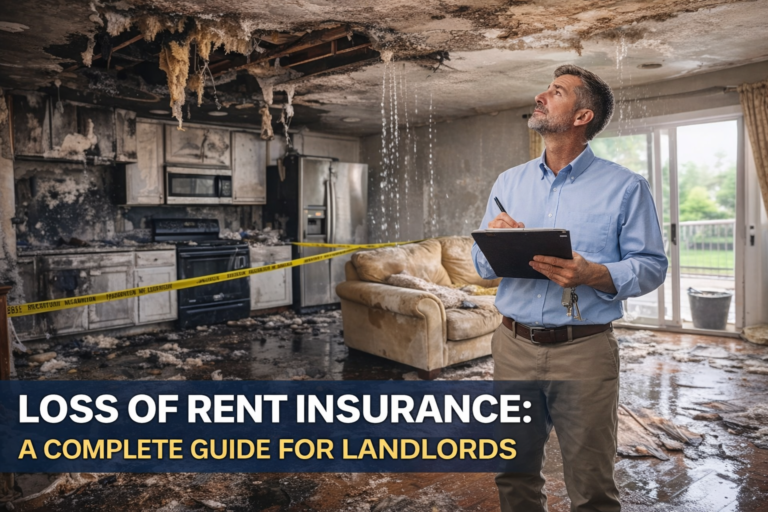
Dayton’s urban setting also means that loss-of-rent insurance—coverage that protects landlords against income loss due to tenant displacement following a covered loss—is particularly important. In a neighborhood like Wright-Dunbar, where demand for affordable rental housing is steady but options may be limited, a fire or major water leak can disrupt rental income for months.
Key Insurance Risks for Landlord & Rental Insurance in Wright-Dunbar
Understanding the key risks landlords face in Wright-Dunbar is fundamental to making informed insurance decisions. The risks can be broadly categorized into property damage, liability exposures, and income loss, each with neighborhood-specific nuances.
1. Property Damage Risks:
Older housing stock raises the possibility of several types of property damage. Fire risk is elevated by outdated electrical systems and flammable building materials common in century-old homes. Water damage is another frequent cause of claims, often triggered by aging plumbing, sewer backups, or roof leaks during heavy Ohio rains or winter snowmelt. Additionally, wind and hail storms are not uncommon in Dayton, and Wright-Dunbar’s older roofs may not withstand these as well as newer constructions. Even vandalism and theft can be concerns due to the urban setting.
2. Liability Exposures:
Landlords in Wright-Dunbar must consider liability risks stemming from the property’s condition and neighborhood factors. Uneven sidewalks, aging exterior stairs, porches, and railings can create slip-and-fall hazards. Likewise, shared entryways or narrow alleys may pose security challenges or trip hazards. Liability claims can arise if tenants or visitors are injured on the property and the landlord is found negligent in maintaining safe conditions.
3. Loss-of-Rent and Business Interruption:
When a property is damaged and rendered uninhabitable, landlords lose rental income. Wright-Dunbar’s housing market, while vibrant, does not always allow for quick tenant relocation or immediate repairs due to older building structures and historic preservation considerations. Loss-of-rent coverage reimburses landlords for lost income during the repair period, which can span several months in complex cases.
To illustrate, imagine a small duplex with a fire in one unit caused by an electrical fault. The damaged unit is uninhabitable for three months while repairs proceed. Without loss-of-rent coverage, the landlord loses rental payments for that period, which can strain finances and complicate mortgage payments.
For more details about insurance in Wright-Dunbar and how these risks translate into coverage needs, see our Wright-Dunbar homeowners insurance overview.
How Landlord & Rental Insurance Works in Ohio (And What’s Different in Wright-Dunbar)
Landlord or rental property insurance policies differ substantially from standard homeowners insurance because the insured property is primarily a source of income rather than personal residence. In Ohio, these policies are designed to address the unique exposures landlords face, including tenant-caused damage, liability for tenant injuries, and loss-of-rent scenarios.
Fundamentally, landlord insurance covers the building itself, liability for incidents occurring on the property, and the landlord’s financial losses due to rental interruptions. Unlike homeowners insurance, landlord policies typically do not cover tenant belongings or tenant liability; tenants must secure renters insurance for their personal property and liability protection.
The core components of a landlord policy often include:
- Dwelling Coverage: Protects the physical structure from covered perils like fire, wind, hail, vandalism, and water damage (with some exceptions).
- Liability Coverage: Covers legal and medical expenses if someone is injured on the property due to landlord negligence.
- Loss-of-Rent Coverage: Reimburses lost rental income if the property is uninhabitable due to a covered loss.
- Optional Add-Ons: Such as equipment breakdown, water backup, or ordinance or law coverage, which can be crucial for older Dayton homes facing historic preservation regulations.
In Wright-Dunbar, local nuances affect underwriting and claims. For example, insurers may scrutinize the age and condition of plumbing and electrical systems more closely than in newer neighborhoods. The presence of original masonry or historic architectural features may require endorsements or special coverage terms to ensure proper repair or replacement, which standard policies might not fully cover.
Moreover, the neighborhood’s urban density and street layouts can affect liability exposure. Narrow sidewalks and common outdoor areas increase the importance of proactive property maintenance and liability coverage limits that reflect the risk environment.
Coverage Decisions Wright-Dunbar Residents Can’t Afford to Get Wrong
Choosing the Right Dwelling Coverage Limit
One of the most critical decisions for Wright-Dunbar landlords is setting the correct dwelling coverage limit. This amount should reflect the cost to rebuild the property, not just its market value. In historic neighborhoods like Wright-Dunbar, replacement costs often exceed sale prices due to the specialized labor and materials needed to preserve architectural details.
For example, a duplex purchased for $150,000 might require $200,000 or more to rebuild properly because of the need for custom brickwork, older window styles, or adherence to local historic preservation codes. Underinsuring the dwelling can leave landlords facing significant out-of-pocket expenses after a loss. It’s advisable to obtain a professional replacement cost estimate or consult a knowledgeable local agent familiar with Dayton’s building market.
Understanding Liability Coverage Limits
Liability claims can be financially devastating, especially in urban neighborhoods where pedestrian traffic and shared spaces are common. Wright-Dunbar landlords should consider liability limits beyond the state minimums, often $300,000 to $500,000 or higher, depending on property size and tenant volume. Higher limits provide better protection against lawsuits arising from injuries on porches, stairs, or common walkways.
Evaluating Loss-of-Rent Coverage
Loss-of-rent coverage is essential in Wright-Dunbar where repairs often take longer due to the age and construction type of properties. Landlords should ensure this coverage matches their typical rental income and extends for a sufficient period—often up to 12 months. Without adequate loss-of-rent insurance, even a moderate fire or water damage can interrupt cash flow and jeopardize mortgage payments.
Deciding on Water Backup and Sewer Coverage
Water backup coverage protects against damage from sewer or drain backups—a risk heightened by Wright-Dunbar’s older sewer infrastructure and occasional severe rain events. Standard landlord policies usually exclude this peril unless added as an endorsement. Given the high cost and frequency of water damage claims in older Dayton neighborhoods, this coverage is strongly recommended.
Considering Ordinance or Law Coverage
Historic preservation requirements in Wright-Dunbar may mandate that repairs or reconstructions adhere to certain architectural standards or codes, increasing costs. Ordinance or law coverage helps pay for these expenses when rebuilding older structures. Without it, landlords might bear significant extra costs if local regulations require upgraded materials or design features.
Real-World Scenarios From Wright-Dunbar Streets and Homes
Case Study 1: Electrical Fire in a Duplex
Mr. Thompson owns a two-unit brick duplex on West Third Street. An outdated electrical panel sparked a fire in one unit, damaging the interior and parts of the roof. Fortunately, his landlord insurance included full dwelling coverage, loss-of-rent, and liability protection. The insurer covered the $80,000 repair costs, and loss-of-rent payments reimbursed the $1,000 monthly rent for three months while the unit was repaired. Liability coverage protected him from a tenant lawsuit claiming delayed notification of the hazard.
This scenario highlights the importance of updated electrical systems and comprehensive coverage including loss-of-rent and liability, especially for older properties common in Wright-Dunbar.
Case Study 2: Water Damage from Sewer Backup
Ms. Garcia rents out a corner property near the Oregon District. After a heavy rainstorm, sewer water backed up into the basement, damaging the furnace, water heater, and stored tenant belongings. Without water backup coverage, she faced thousands in repair costs and tenant reimbursement claims. After adding this endorsement with Ingram Insurance, she was protected financially in future events.
This case demonstrates the value of water backup coverage in Dayton’s older neighborhoods with aging infrastructure.
Case Study 3: Liability Claim from Slip-and-Fall
Mr. Patel owns a three-unit rental on Ludlow Street. One icy winter, a tenant’s guest slipped on an unshoveled porch step and broke a wrist. The guest sued Mr. Patel for medical expenses and pain and suffering. His landlord policy’s liability coverage handled the $25,000 claim, including legal defense costs, preventing a major financial hit.
Maintaining sufficient liability limits and proactive maintenance is essential in Wright-Dunbar, where exterior stairs and porches are common injury sites.
Cost, Discounts, and Smart Ways to Control Premiums
Rental property insurance premiums in Wright-Dunbar depend on several factors:
- Property age and condition (older homes typically cost more to insure)
- Coverage limits and deductibles chosen
- Claims history
- Presence of safety features (smoke detectors, fire extinguishers, security systems)
- Location-specific risk factors such as proximity to fire stations or crime rates
Smart landlords can control premiums by selecting appropriate deductibles—higher deductibles often lower premiums but increase out-of-pocket costs in a claim. Regular maintenance reduces claims frequency, which helps keep rates stable over time. Bundling landlord insurance with other policies (auto, business) through a local independent agent like Ingram Insurance can also yield multi-policy discounts.
Finally, landlords who proactively update plumbing or electrical systems may qualify for better underwriting terms, reducing premiums while mitigating risk.
Nearby Neighborhoods and How They Compare
Wright-Dunbar is bordered by several notable Dayton neighborhoods, each with its own insurance considerations:
Oregon District: Known for its nightlife and mixed-use buildings, Oregon’s properties often have commercial exposures alongside residential, requiring combined business and landlord insurance.
South Park: Featuring a mix of single-family homes and apartments, South Park’s slightly newer construction may offer lower property damage risk, but similar liability concerns.
Historic Inner East Dayton: Like Wright-Dunbar, this area has older housing stock and historic designation, making ordinance or law coverage critical.
When and How to Review Your Policy if You Live or Own Property in Wright-Dunbar
Regular policy review is a best practice. Landlords should review their coverage at least annually and whenever significant changes occur, such as:
- Property renovations or upgrades (e.g., new roof, electrical rewiring)
- Changes in rental income or occupancy
- After claims or near-miss incidents
- Changes in local ordinances or historic district rules
During review, verify dwelling limits reflect current replacement costs and check liability limits against potential exposure. Confirm loss-of-rent limits align with current rental income, and consider adding endorsements like water backup or ordinance coverage if not already included.
Working With a Local Independent Agent Who Knows Wright-Dunbar
Insurance decisions are complex, particularly in a unique neighborhood like Wright-Dunbar where older building stock and urban risks intersect. Partnering with an independent agent who understands local conditions, building codes, and insurance markets is invaluable. At Ingram Insurance, based right here in Dayton, we specialize in landlord and rental property insurance tailored to Wright-Dunbar homeowners and investors.
We help landlords assess their risks, select appropriate coverage, and navigate claims efficiently. Our expertise ensures that you are neither underinsured nor overpaying for coverage that doesn’t fit your property’s specific needs.
For personalized guidance, consider reaching out to Ingram Insurance at (937) 741-5100, email contact@insuredbyingram.com, or visit https://www.insuredbyingram.com/. We look forward to helping you protect your Wright-Dunbar investment.
Conclusion
Landlord insurance in Wright-Dunbar is a nuanced subject that requires careful attention to the neighborhood’s unique housing stock, risk factors, and lifestyle realities. Older, historic buildings bring specific vulnerabilities that standard policies may not fully address without tailored coverage. Liability risks in an urban setting, the potential for costly water damage, and the importance of loss-of-rent protection all underscore why a thoughtful, locally informed approach to insurance is essential.
Ingram Insurance is based here in Dayton, and we work with homeowners, landlords, drivers, and business owners all over Wright-Dunbar. If you’d like a second opinion on your coverage or a fresh quote, call (937) 741-5100, email contact@insuredbyingram.com, or visit https://www.insuredbyingram.com/ to get started.
“`