Auto Insurance in Arlington Heights, Dayton: Understanding Local Risk Factors
Arlington Heights, a distinctive Dayton neighborhood known for its mid-century charm and proximity to downtown, offers residents a unique blend of urban convenience and quiet residential life. For vehicle owners and drivers in this community, understanding how local factors shape auto insurance risk is crucial. From the neighborhood’s street layouts and parking setups to Ohio’s minimum liability requirements and the typical weather patterns, each element influences the kind of coverage Arlington Heights drivers need. This detailed guide unpacks these interconnected factors, clarifies common misconceptions about auto insurance, and offers practical insights tailored specifically to Arlington Heights. Whether you’re a homeowner with a garage, a landlord with tenant vehicles, or a young professional commuting into the city, this article helps you make informed decisions that protect your assets and peace of mind.
Meet Arlington Heights, Dayton Ohio
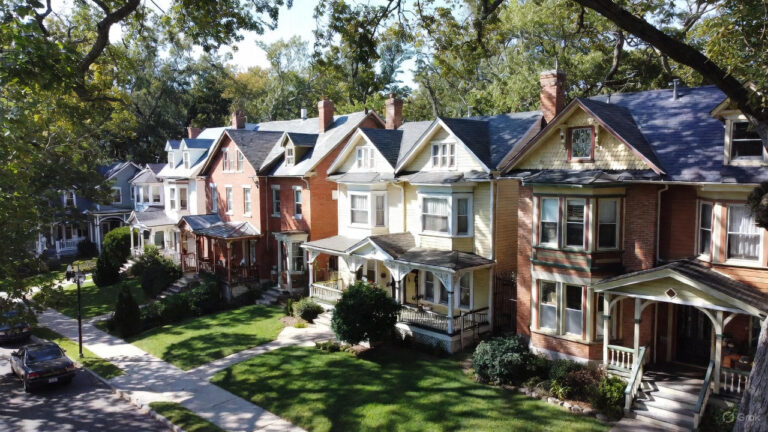
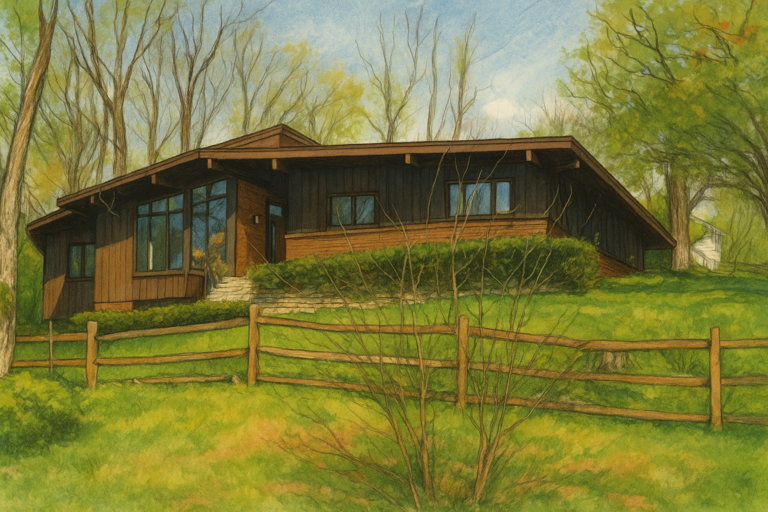
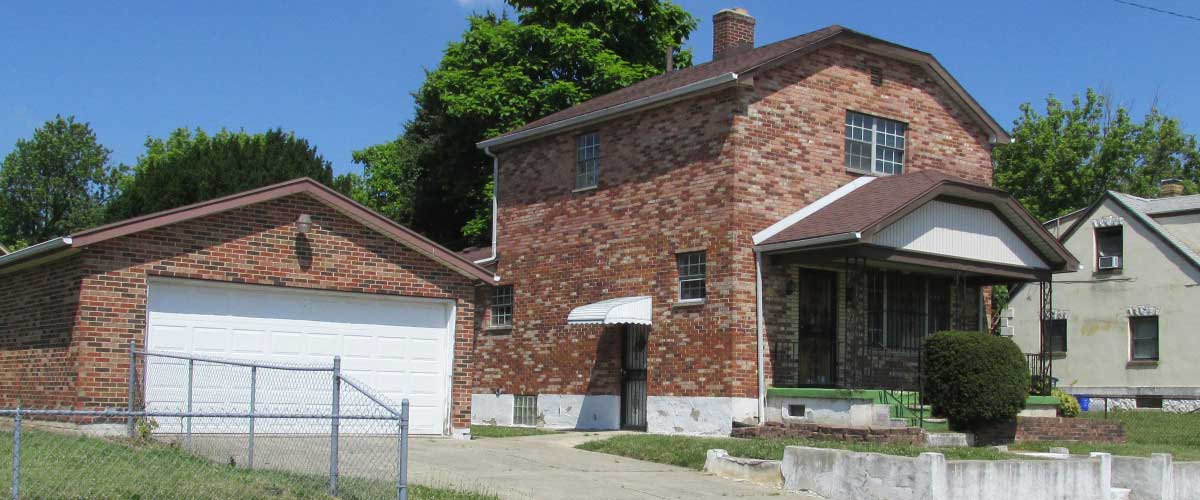
Arlington Heights is a residential enclave nestled just minutes from downtown Dayton, characterized by post-war single-story and one-and-a-half-story homes built predominantly between 1945 and 1965. The housing stock here typically ranges from 800 to 1,400 square feet, with many houses featuring modest basements and detached or carport-style garages. Construction materials vary between brick veneer and traditional frame, and the interiors often retain original hardwood floors, plaster walls, and mid-century trim. Mature trees dot the streets and yards, contributing both to the neighborhood’s aesthetic appeal and to certain risk exposures, such as wind damage.
The streetscape in Arlington Heights reflects a compact, close-knit neighborhood layout. Many homes sit on small to medium-sized lots, with alleys running behind properties that provide access to detached garages or carports. Street parking is common, especially for residents without garages or for guests. This spatial arrangement influences traffic flow and parking patterns, which in turn affect the likelihood and type of vehicle incidents.
Life in Arlington Heights offers an appealing balance: residents enjoy quick access to major employers like the University of Dayton and Miami Valley Hospital, and benefit from nearby green spaces, playgrounds, and community institutions. The neighborhood’s demographics include stable homeowners as well as a growing number of young professionals and small families. This mix shapes local driving habits and risk profiles, as commuting to work, school runs, and neighborhood errands create varied daily vehicle use patterns.
Understanding these neighborhood-specific details is essential for making informed auto insurance decisions. For an even deeper dive into local home and property insurance considerations, you can explore our full Arlington Heights insurance guide.
How the Built Environment in Arlington Heights Shapes Insurance Risk
The physical layout of Arlington Heights impacts auto insurance risk in several nuanced ways. First, the presence of detached garages accessed via alleys changes vehicle exposure compared to neighborhoods with attached garages or driveways. Alleys, while convenient for parking, often have limited lighting and tighter turning radii, increasing the chance of minor collisions or scrapes. Drivers backing out onto narrow streets must navigate pedestrian activity as well as oncoming traffic, which raises the risk of low-speed accidents.
Street parking predominates where off-street parking is unavailable. Parked cars lining both sides of neighborhood streets create a narrower driving corridor, increasing the likelihood of “door ding” incidents or side-swipes. Additionally, parked vehicles are more vulnerable to theft or vandalism, factors that comprehensive coverage typically addresses.
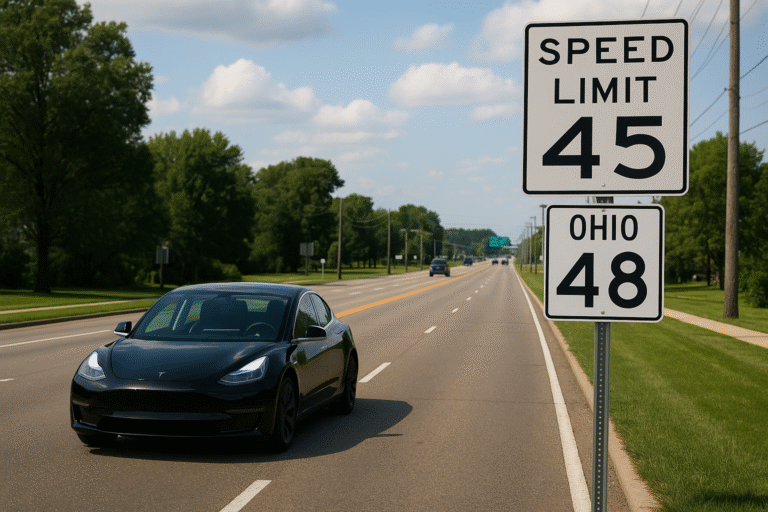
Regarding traffic patterns, Arlington Heights benefits from proximity to major arteries like U.S. 35 and Wayne Avenue, which are common commuter routes. While these connections facilitate quick access to downtown Dayton and surrounding employment centers, they also expose drivers to higher traffic volumes and congestion during peak hours. This increases both accident frequency and severity potential, particularly during rush hour.
Weather also plays a critical role. Dayton’s climate includes winter snow and ice, spring and summer thunderstorms, and occasional high winds. Snow and ice can cause slippery roads and reduced visibility, raising the risk of collisions. Mature trees along Arlington Heights streets may shed branches during windstorms, potentially damaging vehicles parked outdoors. These factors highlight the importance of comprehensive coverage that extends beyond collision protection.
Key Insurance Risks for Auto Insurance in Arlington Heights
Understanding the key risks Arlington Heights drivers face requires a layered approach that considers physical environment, driving behavior, and legal requirements. Below, we examine pivotal risk factors with detailed explanations and local context.
1. Traffic Density and Commuting Patterns
Many Arlington Heights residents commute to work via U.S. 35 or Wayne Avenue, roads known for heavy traffic during peak hours. The combination of stop-and-go traffic and aggressive driving can increase accident frequency. For example, a driver leaving Arlington Heights for a downtown office at 8:00 a.m. may encounter dense traffic and hurried lane changes, elevating crash risk. Insurance carriers consider these traffic patterns when underwriting policies, often assigning higher premiums to drivers commuting along congested routes.
2. Street and Alley Parking Dynamics
Parking on narrow neighborhood streets with cars on both sides reduces maneuvering space and visibility. This setup is prone to minor dents, scratches, and door damage. Alleys, while offering access to detached garages, often have limited lighting and tight turns that increase the risk of fender-benders. For example, a driver reversing from a garage into a dark alley may misjudge distance and clip a neighbor’s parked vehicle. Collision coverage protects against these incidents, but many policyholders underestimate the risk of such low-speed damage.
3. Weather-Related Risks
Dayton’s weather patterns introduce unique challenges. Winter snow and ice increase the chances of sliding collisions. A typical scenario might involve a driver braking on an icy patch near the intersection of Salem Avenue and Brown Street, losing control and hitting a guardrail or another vehicle. Summer thunderstorms may cause minor flooding or reduced visibility, and mature trees lining Arlington Heights can drop large branches onto parked cars during windstorms. Comprehensive coverage becomes critical to cover such damages not caused by collisions.
4. Liability Exposure and Ohio’s Minimum Requirements
Ohio mandates minimum liability limits of $25,000 for bodily injury per person, $50,000 per accident, and $25,000 for property damage. While these minimums satisfy legal requirements, they often fall short in Arlington Heights where accident costs can quickly exceed these thresholds. For instance, a multi-car collision on Wayne Avenue involving serious injury or property damage to multiple vehicles could impose liability far beyond the state minimums. Drivers who carry only minimum coverage may face out-of-pocket expenses, lawsuits, or even license suspension, making higher limits a prudent choice.
5. Older Vehicle Risks and Coverage Gaps
Many Arlington Heights residents drive a mix of older and newer vehicles. Older cars may lack modern safety features and have diminished resale value, prompting some to drop comprehensive or collision coverage prematurely — a common false economy. However, this decision ignores risks like theft, vandalism, or weather damage, which can still cause significant financial loss. Maintaining comprehensive coverage on older cars often makes sense in Arlington Heights given the neighborhood’s parking conditions and weather exposure.
How Auto Insurance Works in Ohio (And What’s Different in Arlington Heights)
Auto insurance in Ohio operates under a set of statutory minimums with a framework designed to protect drivers from financial loss due to accidents, theft, or damage. However, the way these coverages function and their real-world implications can vary significantly depending on where you live and drive. Arlington Heights presents a microcosm of urban-suburban driving challenges that influence how Ohio’s insurance system applies locally.
Basic Coverages and Their Functions
Ohio requires drivers to carry liability insurance, which covers bodily injury and property damage to others if you are at fault in an accident. The minimum limits are:
- $25,000 bodily injury per person
- $50,000 bodily injury per accident
- $25,000 property damage per accident
While these minimums ensure legal compliance, they often do not cover the full cost of serious accidents. In Arlington Heights, where traffic congestion and parking risks are higher, liability claims may quickly exceed these limits.
Additional important coverages include:
- Collision: Covers damage to your vehicle from collisions regardless of fault.
- Comprehensive: Covers non-collision damage such as theft, vandalism, hail, or falling objects.
- Uninsured/Underinsured Motorist (UM/UIM): Protects you if an at-fault driver lacks sufficient insurance.
- Medical Payments: Covers medical expenses for you and passengers regardless of fault.
Ohio’s No-Fault System and Its Impact
Ohio operates a comparative negligence system rather than a pure no-fault system. This means fault must be determined to recover damages beyond medical payments coverage. For Arlington Heights drivers, this underscores the importance of carrying sufficient liability and uninsured motorist coverage, as fault disputes can prolong claims and increase out-of-pocket costs.
Local Nuances in Arlington Heights
Given Arlington Heights’ proximity to downtown and commuter routes, plus its street and parking configurations, certain endorsements and coverage options become particularly relevant:
- Roadside Assistance Endorsements: Useful for winter breakdowns or minor accidents on busy commuter routes.
- Rental Reimbursement Coverage: Valuable if your vehicle is disabled due to collision or comprehensive claims, ensuring mobility in a neighborhood with limited public transit options.
- Gap Insurance: Important for residents financing newer vehicles, especially when vehicle values depreciate faster than loan balances.
For a comprehensive look at property and other insurance needs in the area, see Arlington Heights homeowners insurance overview.
Coverage Decisions Arlington Heights Residents Can’t Afford to Get Wrong
Choosing Liability Limits
Many drivers default to Ohio’s minimum liability limits, but in Arlington Heights this can be a risky gamble. Consider a collision causing $60,000 in medical bills and $15,000 in vehicle damage to others. With minimum limits of $25,000 per person and $50,000 per accident, you could owe tens of thousands out-of-pocket. Increasing liability limits to $100,000/$300,000 per accident better matches potential real costs and reduces personal financial risk.
Comprehensive and Collision: When to Keep Them
Deciding whether to drop comprehensive and collision coverage often hinges on vehicle value. However, Arlington Heights’ risks—such as tree branch damage during storms or parking lot door dings—mean that comprehensive coverage can save owners from unexpected expenses. Collision coverage remains crucial in the neighborhood given the frequency of low-speed accidents from congested streets and alleys.
Uninsured/Underinsured Motorist Coverage
Despite Ohio’s insurance requirements, a significant number of drivers remain underinsured or uninsured. In Arlington Heights, this risk is amplified by dense traffic and frequent commuter routes. UM/UIM coverage fills gaps when at-fault drivers lack adequate insurance, protecting you from paying out-of-pocket for injuries or property damage.
Medical Payments Coverage
Medical payments coverage provides immediate funds for medical expenses after an accident, regardless of fault. Given Arlington Heights’ family demographics and pedestrian activity near schools and parks, this coverage can cover minor injuries that might otherwise lead to complicated claims or personal expenses.
Deductible Selection and Impact on Premiums
Higher deductibles reduce premiums but increase out-of-pocket costs when filing claims. Arlington Heights drivers should weigh their risk tolerance and savings goals carefully. For example, choosing a $1,000 deductible instead of $500 can save $100–$200 annually but requires readiness to pay more upfront in the event of a claim.
Real-World Scenarios From Arlington Heights Streets and Homes
Scenario 1: Alley Collision and Limited Coverage
Mr. Thompson lives on Salem Avenue and parks his car in a detached garage accessed via an alley. One evening, another driver backing out of their garage clips Mr. Thompson’s car, causing $3,500 in damage. The at-fault driver carries only Ohio minimum liability limits, which barely cover the property damage. Fortunately, Mr. Thompson has collision coverage and UM coverage, which pays his repair bills without delay and covers his medical expenses after a minor whiplash injury. This scenario highlights the importance of UM and collision coverage in alley-heavy neighborhoods.
Scenario 2: Windstorm and Tree Damage
During a summer thunderstorm, a mature tree branch falls onto Ms. Garcia’s vehicle parked on the street, causing $7,000 in damage. Without comprehensive coverage, her insurance would not cover this non-collision damage. Because she retained comprehensive coverage despite driving an older vehicle, her insurer paid for repairs minus her deductible. This real-world example illustrates why dropping comprehensive to save money can be a false economy in Arlington Heights.
Scenario 3: Liability Limits and Serious Injury
A driver on Wayne Avenue runs a red light and hits Mr. Patel’s car, causing $100,000 in medical bills for injuries sustained by Mr. Patel and his passenger. The at-fault driver had only Ohio minimum liability limits (totaling $75,000), leaving a significant gap. Mr. Patel’s UM/UIM coverage covered the remaining expenses. This scenario demonstrates why carrying higher liability and UM limits is critical for Arlington Heights residents, given the potential severity of accidents on busy commuter roads.
Cost, Discounts, and Smart Ways to Control Premiums
For thoughtful Arlington Heights drivers, controlling auto insurance costs involves balancing coverage needs with smart risk management and available discounts. Here are some strategies:
1. Bundling Policies: Combining auto insurance with homeowners or renters insurance through a local independent agent like Ingram Insurance often yields discounts and simplifies management.
2. Safe Driving Discounts: Maintaining a clean driving record, completing approved defensive driving courses, or using telematics devices can reduce premiums.
3. Vehicle Selection: Insurers consider vehicle safety ratings and repair costs. Opting for models with high safety scores and lower repair expenses can lower premiums.
4. Deductible Adjustments: Raising deductibles saves money on premiums but requires readiness to pay more when claims occur. A common approach is to select the highest deductible you can comfortably afford.
5. Parking Choices: Parking in a locked garage or secured carport can reduce theft and vandalism risk, potentially lowering comprehensive premiums.
6. Review Coverage Regularly: Life changes like moving, adding a teen driver, or switching jobs affect risk profiles. Regular reviews with an agent ensure your coverage matches your evolving needs.
Nearby Neighborhoods and How They Compare
While Arlington Heights offers a distinctive balance of urban access and residential calm, neighboring communities present their own unique insurance considerations. For context, here are a few nearby neighborhoods:
Compared to the busier streets of Belmont or the denser housing of Historic Inner East, Arlington Heights tends to have lower traffic volume but similar parking challenges. Walnut Hills and Burkhardt share many architectural and infrastructure traits, but each neighborhood’s traffic flow and resident profiles can alter auto insurance risk assessments. Understanding these subtle distinctions helps Ingram Insurance tailor coverage recommendations accurately.
When and How to Review Your Policy if You Live or Own Property in Arlington Heights
Regularly reviewing your auto insurance policy ensures it remains aligned with your current risks and financial goals. Consider these guidelines:
- Annual Reviews: At minimum, review your policy once a year with your agent, ideally before renewal.
- Life Changes: Update coverage when you move, add drivers (such as teens or new household members), or buy/sell vehicles.
- Claims History: After any claim, reassess coverage levels and deductibles to avoid underinsurance or excessive premiums.
- Market Changes: Stay informed about changes in Ohio insurance laws, minimum limits, and local accident data that may suggest coverage adjustments.
Use a review checklist that includes verifying liability limits, coverage types (collision, comprehensive, UM/UIM), deductibles, and endorsements like roadside assistance or rental reimbursement. A local independent agent familiar with Arlington Heights can provide valuable insights during this process.
Working With a Local Independent Agent Who Knows Arlington Heights
Insurance decisions are complex and deeply personal, especially in a neighborhood as unique as Arlington Heights. Working with a knowledgeable local independent agent ensures your coverage reflects neighborhood realities, Ohio legal requirements, and your individual risk tolerance. Independent agents like those at Ingram Insurance have access to multiple carriers and policy options, enabling customized solutions rather than one-size-fits-all plans.
Local expertise means understanding how Arlington Heights’ streets, parking, commuting patterns, and weather impact your auto insurance needs. It also means proactive advice on avoiding common pitfalls, optimizing discounts, and preparing for future changes.
For more details about insurance in Arlington Heights or to explore personalized auto insurance options, reach out to Ingram Insurance. Their team is deeply rooted in Dayton and committed to serving Arlington Heights residents with rigor and neighborly care.
Conclusion
Arlington Heights presents a distinctive set of auto insurance challenges shaped by its mid-century housing, neighborhood layout, and proximity to Dayton’s urban core. Navigating these complexities requires more than selecting minimum coverage or chasing the lowest premium. It demands a nuanced understanding of local traffic, parking realities, weather risks, and legal frameworks. By carefully evaluating liability limits, comprehensive and collision coverage, and endorsements like uninsured motorist protection, Arlington Heights drivers can secure meaningful financial protection.
Ingram Insurance is based here in Dayton, and we work with homeowners, landlords, drivers, and business owners all over Arlington Heights. If you’d like a second opinion on your coverage or a fresh quote, call (937) 741-5100, email contact@insuredbyingram.com, or visit https://www.insuredbyingram.com/ to get started.