
Can my parent drive my car? Whether your parent is borrowing your car to run a quick errand or taking the wheel during a long road trip, a common question pops up: Are they covered by my insurance?
The short answer is usually yes, but the “how” and “why” depend on your specific policy and how often they’re driving. To help you navigate the rules, we’ve broken down the essentials of lending your car to a parent, and the potential insurance implications.
1. Does Insurance Follow the Car or the Driver?
In the world of auto insurance, there’s a golden rule: Insurance typically follows the car, not the driver. If you give your parent permission to drive your vehicle, your insurance policy acts as the primary coverage. This means if they get into an accident, your insurance company is usually the one that pays for the damages and handles the claim, regardless of whether your parent has their own insurance policy.
2. The Power of “Permissive Use”
If your parent doesn’t live with you and only borrows your car occasionally, they fall under what insurance companies call permissive use.
- What it is: A provision in most standard policies that extends coverage to unlisted drivers who have your verbal or written permission to use the car.
- How it works: As long as your parent is a licensed driver and using the car for personal reasons (not for business or ride-sharing), they are generally protected by your liability, collision, and comprehensive coverages.
- The Catch: Some “non-standard” or budget policies may exclude permissive use or provide significantly lower coverage limits for unlisted drivers. Always check your policy’s “Definitions” or “Exclusions” section.
3. When Your Parent Lives With You
The rules change if you share a roof. Most insurance companies (including State Farm and Progressive) require that all licensed household members be disclosed on your policy.
- The Household Rule: Insurers assume that if someone lives in your house, they have “regular access” to your keys.
- The Risk: If your parent lives with you but isn’t listed as a driver on your policy, your insurance company might deny a claim if they get into an accident. They may view an unlisted household driver as an “undisclosed risk.”
- The Solution: Add them as a “listed driver.” While this might affect your premium (depending on their driving record), it ensures they are fully protected.
4. What Happens if There’s an Accident?
If your parent is at fault while driving your car, the claims process usually looks like this:
- Your Policy Pays First: Your liability coverage pays for the other party’s repairs/medical bills, and your collision coverage pays for your car (after you pay the deductible).
- Their Policy is Secondary: If the damages exceed your policy limits, your parent’s own auto insurance may act as “secondary” or “excess” coverage to pick up the remaining costs.
- Your Rates May Go Up: Because the claim is filed against your policy, your insurance premium could increase at renewal—even though you weren’t the one driving.
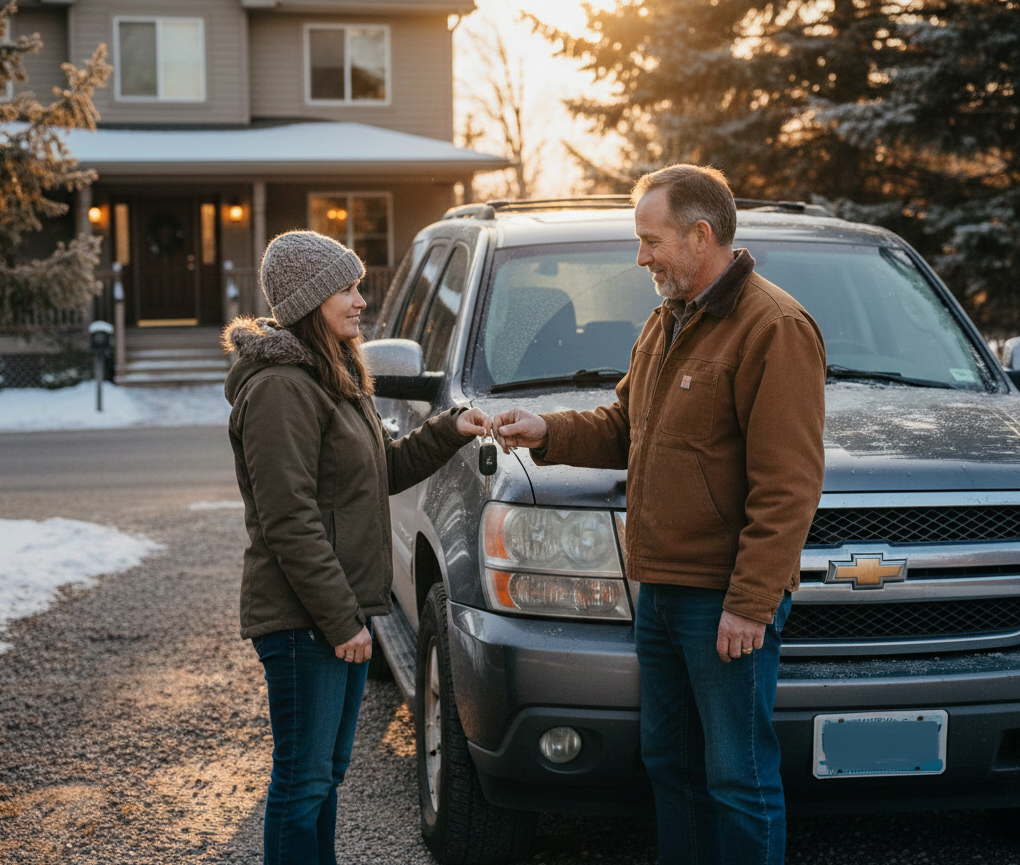
5. When Permission Isn’t Enough
Even with your blessing, there are times insurance won’t kick in:
- Business Use: If your parent is using your car for a delivery job or ride-sharing (like Uber/Lyft), your personal policy likely won’t cover them.
- Excluded Drivers: If you specifically excluded your parent from your policy to save money (perhaps due to their driving record), they have zero coverage, even in an emergency.
- Unlicensed Drivers: Never lend your car to someone without a valid driver’s license. Doing so can lead to a denied claim and potential legal trouble.
The Bottom Line
Before you hand over the keys, ask yourself two questions:
- Do they live with me? If yes, make sure they are listed on your policy (or vice versa).
- Is this a one-time thing? If yes, you’re likely covered under permissive use.
Pro Tip: If you’re ever in doubt, a quick five-minute call to your insurance agent can prevent a multi-thousand-dollar headache later. As the saying goes: When you lend your car, you’re lending your insurance.
FAQ: Can My Parent Drive My Car?
Does my insurance follow me or my car?
In most states, auto insurance follows the vehicle rather than the driver. This means that when your parent drives your car with your permission, your policy serves as the primary coverage for the trip.
What is “permissive use”?
Permissive use is a standard policy provision that extends coverage to drivers who do not live with you but have your explicit permission to use your vehicle on an occasional basis.
Does my parent need their own insurance to drive my car?
No, they do not need their own personal auto policy to be covered while driving your vehicle, as long as they are a legally licensed driver and have your consent.
Will my rates go up if my parent gets into an accident?
Yes, potentially. Because the claim is filed against your insurance policy, the accident becomes part of your claims history, which may lead to a premium increase at your next renewal.
Is my parent covered if they live in a different state?
Yes. As long as they are visiting and using the car temporarily with your permission, your policy typically provides coverage regardless of their home state.
Do I have to list my parent on my policy if we live together?
Generally, yes. Most insurance companies require you to disclose all licensed household members on your policy because they have regular and easy access to your vehicle.
What happens if a parent lives with me but I don’t list them?
If an unlisted household member gets into an accident, the insurer may deny the claim or even rescind your policy due to “material misrepresentation” or failure to disclose household risks.
Can I exclude my parent from my policy if they live with me?
Yes, you can often name them as an “excluded driver” to avoid paying for their risk. However, this means they will have absolutely no coverage under your policy, even in an emergency situation.
My parent is visiting for a month; do I need to add them to my policy?
Typically, a month-long visit is still considered “permissive use.” However, if the visit is recurring or long-term, it is wise to notify your agent to ensure there are no gaps in coverage.
Who pays the deductible if my parent crashes my car?
As the policyholder, you are legally responsible for paying the deductible to the repair shop or insurer. You would need to settle any reimbursement privately with your parent.
What if the damage exceeds my policy limits?
If your policy limits are exhausted, your parent’s own auto insurance policy may act as “secondary” or “excess” coverage to pay for the remaining damages and legal costs.
What if my parent is hit by an uninsured driver while in my car?
If you have Uninsured/Underinsured Motorist coverage on your policy, it will typically protect your parent and your vehicle just as it would protect you.
Will my parent’s insurance cover them if they drive my car?
Their insurance is usually secondary. It only pays out if your insurance limits are fully reached or if your policy doesn’t provide a specific type of coverage that theirs does.
Can my parent drive my car for work or Uber?
No. Standard personal auto policies specifically exclude “business use” or “livery services.” If your parent uses your car for commercial purposes, any resulting accident will likely not be covered.
Does insurance cover my parent if they borrow my car to tow a trailer?
Usually, yes. As long as your parent is a permissive user and the trailer is properly attached and meets your policy’s weight and type requirements, the coverage extends to towing.
Is my parent covered if they take my car on a road trip to Mexico or Canada?
Driving into Canada is generally covered by U.S. policies. However, Mexico usually requires a separate Mexico-specific policy, as U.S. insurance is often not recognized by Mexican authorities.
What if my parent has a medical emergency while driving?
The accident would still be processed under your policy. Depending on your state, Personal Injury Protection (PIP) or Medical Payments coverage would handle their immediate medical expenses.
Can my parent drive my car if they have a Learner’s Permit?
Yes, provided they are following all state laws regarding their permit (such as being accompanied by a licensed driver) and they are not an excluded driver on your policy.
What if I give my parent permission, but they let someone else drive?
This is known as “second-degree permissive use.” It is much harder to get covered, as most insurers only extend coverage to the person you personally authorized to drive.
Does it matter if the permission was verbal or written?
Verbal permission is legally sufficient in most cases. However, if a claim is disputed, having evidence like a text message can help clarify that the use was indeed authorized.