
Crust & Cover: Total Protection for Your Baking Business
Baked Goods Insurance: You bake the treats. We’ll handle the heat. Specialist insurance designed for the unique risks of artisanal and commercial bakers.
You know the science of baking. You know that if the oven temperature is off by just 20°, or if the hydration in your dough is a fraction too high, the entire batch is ruined. In the world of professional baking, precision is everything. But what happens when the variables are outside of your control?
1. The Reality of Food Liability
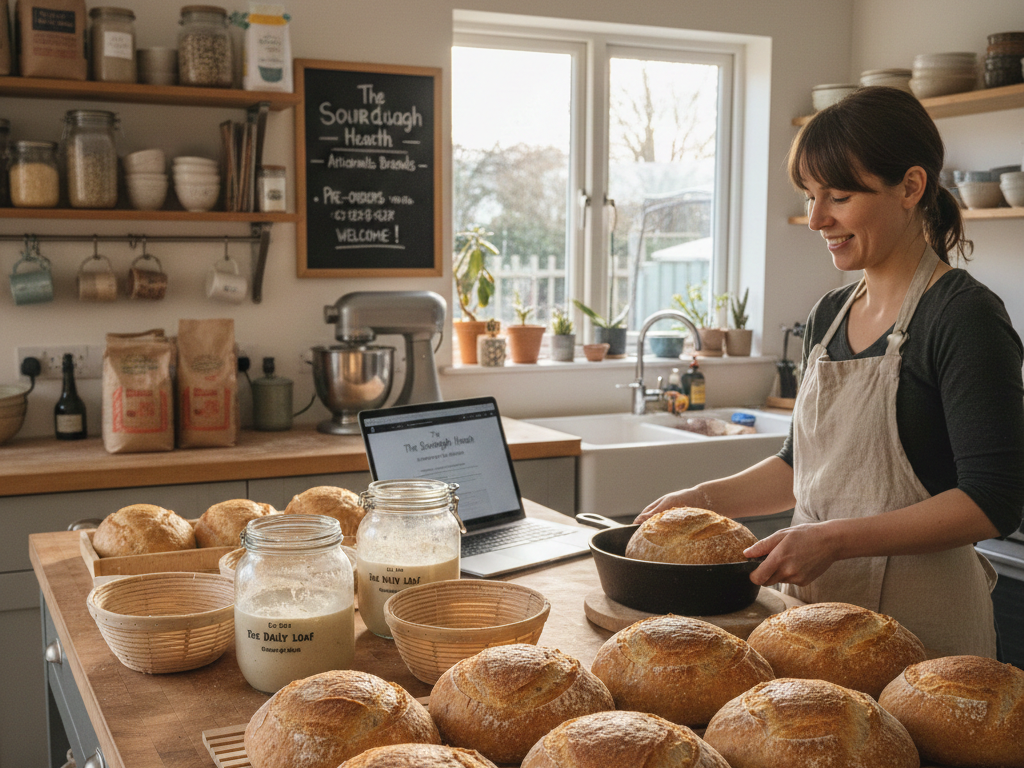
Whether you operate a high-traffic storefront or a home-based sourdough micro-bakery, you are exposed to risks every time a customer takes a bite. Most bakers start as a hobby, but when that hobby turns into a business, the legal landscape shifts.
The Allergen Minefield: Even with strict cleaning protocols, the risk of cross-contamination is never zero. A “flour-less” chocolate cake that triggers a gluten sensitivity can lead to medical claims reaching tens of thousands of dollars.
2. The Core Ingredients of Your Policy
General Liability
If a customer trips over a delivery crate or slips on a patch of flour in your shop, General Liability covers their medical bills and your legal defense. It’s the foundation of any professional food business.
Product Liability
This is the most critical coverage. It protects you if a customer claims your food made them ill. This includes coverage for:
- Foodborne Illness: Risks like Salmonella or E. coli.
- Foreign Objects: Shards from a broken mixing bowl or packaging materials.
- Labeling Errors: Failure to disclose ingredients that cause reactions.
3. Specialized Add-ons for High-Performance Kitchens
| Coverage Type | What it Protects | Why You Need It |
|---|---|---|
| Equipment Breakdown | Ovens, Mixers, Proofers | Covers mechanical failure that standard fire insurance ignores. |
| Spoilage | Raw Ingredients & Stock | Reimburses you for lost stock if a walk-in freezer fails. |
| Inland Marine | Goods in Transit | Protects that 5-tier wedding cake while it’s in your delivery van. |
4. Home-Based Bakers & “Cottage Laws”
A Warning for Home Bakers: Many entrepreneurs believe their Homeowners Insurance covers their baking business. This is a dangerous myth. Most homeowners’ policies explicitly exclude “business pursuits.” If your oven starts a fire while you’re baking for a client, your insurance company could deny the claim entirely.
What Exactly is Baked Goods Insurance?
At its core, Baked Goods Insurance is a specialized bundle of commercial insurance policies designed to protect food entrepreneurs from the specific risks associated with producing and selling perishables. Unlike a generic business policy, it understands that your “inventory” has an expiration date and your “product” is something people ingest.
It acts as a financial safety net that covers the cost of legal fees, medical bills, and property replacement if something goes wrong during the baking, transit, or consumption of your goods.
The Legal Guardrail
If a customer claims your sourdough caused a salmonella outbreak, this insurance pays for your lawyers and any settlements, so you don’t have to pay out of pocket.
The Asset Protector
From $5,000 deck ovens to $500 stand mixers, it covers the physical tools of your trade against fire, theft, or sudden mechanical failure.
The Credibility Tool
Most retailers (like Whole Foods or local cafes) won’t stock your bread without seeing a “Certificate of Insurance.” It proves you are a professional, low-risk partner.
The “Three-Layer” Protection Model
Think of it like a tiered cake: Layer 1 protects your space (Property), Layer 2 protects your interactions (General Liability), and Layer 3 protects the bite (Product Liability).
5. Frequently Asked Questions
Is insurance required by law?
While not always legally mandated for very small operations, most Farmers Markets and wholesale retailers will require a Certificate of Insurance (COI) before they allow you to set up a stall.
How much does it cost?
For a small home-based baker, premiums can be as low as $30–$50 per month. For a large commercial bakery, costs scale with revenue and payroll.
Ready to Protect Your Passion?
Don’t wait for a “burnt” situation to realize you’re unprotected. Our application process is fast, simple, and tailored to the food industry.Secure My Bakery Now
Frequently Asked Questions
Everything you need to know about protecting your bakery.
1. Does my homeowners insurance cover my home bakery?
Usually, no. Most homeowners policies explicitly exclude “business pursuits.” If a fire starts while baking for a client, your claim could be denied entirely.
2. What is Product Liability?
It protects you if a customer gets sick (food poisoning) or injured (foreign object in food) from your products after they’ve been sold.
3. Do I need insurance for a bake sale or pop-up?
Yes. Even for one-day events, you are liable for food safety. Many organizers require a Certificate of Insurance (COI) to participate.
4. How much does a basic policy cost?
Small home-based bakers can often find coverage starting between $300 and $500 per year, or roughly $30–$45 per month.
5. What if I have an undisclosed allergen claim?
Product Liability insurance specifically covers legal fees and medical settlements arising from accidental allergen cross-contamination.
6. Is my expensive equipment covered?
Yes, if you add “Inland Marine” or “Business Personal Property” coverage. This protects mixers, ovens, and proofers from theft or damage.
7. Does insurance cover delivery accidents?
Personal auto insurance often excludes business deliveries. You may need a “Commercial Auto” policy or a “Hired/Non-Owned” rider.
8. What is “Spoilage Coverage”?
It reimburses you for the cost of ingredients (butter, eggs, cream) if they are ruined due to a power outage or fridge failure.
9. What is a “Certificate of Insurance” (COI)?
It’s a document proving you have active coverage. Wholesale clients and venues will often demand this before signing a contract.
10. Do I need Workers’ Comp if I’m solo?
Usually no, but once you hire your first employee (even part-time), most states legally require Workers’ Compensation insurance.
11. Does insurance cover custom cake design errors?
Professional Liability (Errors & Omissions) covers you if a client sues because you delivered the wrong flavor or design for a major event.
12. Can I get insurance if I use a shared kitchen?
Absolutely. Most commercial kitchens actually require you to have your own policy to protect against damage you might cause to their space.
13. Does insurance cover shipping nationwide?
Yes, but you should verify that your “Product Liability” territory includes all states you ship to. Most standard policies cover the entire US/Canada.
14. What is “Business Interruption” insurance?
If a fire or flood forces you to close for repairs, this replaces your lost income so you can still pay your bills and staff.
15. What are the standard coverage limits?
The industry standard is $1,000,000 per occurrence and $2,000,000 aggregate (the total amount the insurer will pay in a year).
16. Does insurance cover “Cyber” risks?
If you take online payments or store customer emails, Cyber Liability covers you if your website is hacked or data is stolen.
17. Is “Cottage Food” insurance different?
It’s a niche version of bakery insurance tailored to the lower risks and smaller scale of home-based operations.
18. What if a customer trips in my shop?
General Liability covers “slip and fall” accidents, paying for the customer’s medical bills and your legal defense if they sue.
19. Can I pause my insurance in the off-season?
Some providers offer “per-event” or seasonal policies, but “Annual” policies are usually cheaper in the long run and provide year-round protection.
20. How fast can I get covered?
Most modern digital insurers can issue a policy and a Certificate of Insurance (COI) in under 10 minutes via their website.
Related Readings:
Donut Store Insurance
Bailee Insurance & Dry Cleaning Insurance
Log Truck Insurance
Restaurant Insurance
Does Renters Insurance Cover Firearms?