
Hardware Stores Insurance & Hardware Shop Insurance
Whether you operate a boutique neighborhood hardware shop or a high-volume hardware store, your risks are as diverse as your inventory. From flammable chemicals to heavy machinery, protecting your livelihood requires more than a “cookie-cutter” policy. Discover how to shield your business from the unexpected.
In This Comprehensive Guide:
- Understanding the Risks of the Hardware Trade
- Core Hardware Store Insurance Coverages
- Specialized Protections for Hardware Shops
- What Determines Your Insurance Premiums?
- Real-World Claims: Why Coverage Matters
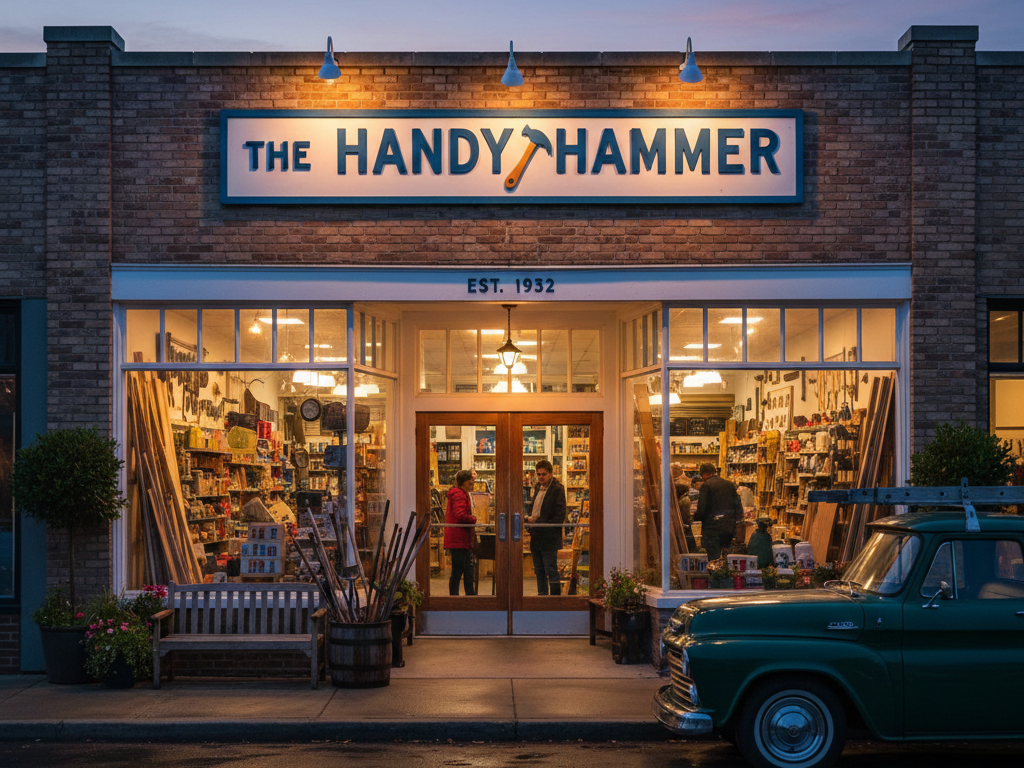
Understanding the Unique Risks of the Hardware Trade
Operating a hardware business is a complex balancing act. Unlike a standard retail clothing store, a hardware store manages high-hazard inventory, including pressurized canisters, sharp power tools, heavy lumber, and volatile chemicals. This complexity means your hardware shop insurance needs to be robust enough to handle multi-faceted liabilities.
1. High Foot Traffic & Physical Hazards
Hardware stores are DIY hubs. This means you have hobbyists, contractors, and sometimes families navigating aisles filled with heavy items. A stray pallet or a spilled bottle of industrial cleaner can lead to a “slip and fall” claim in seconds. In the insurance world, this is known as “premises liability,” and for hardware retailers, it is the most frequent source of claims.
2. Product Liability: The Hidden Danger
When you sell a chainsaw, a ladder, or a high-voltage circuit breaker, you are part of the chain of commerce. If a product you sell is defective and causes a house fire or a personal injury, your hardware store insurance must include Product Liability to defend your business—even if you didn’t manufacture the item.
Core Insurance Coverages for Hardware Retailers
To reach a “fully protected” status, your policy should be a composite of several different types of insurance. Below is a breakdown of the essential pillars for any hardware shop insurance plan.
| Coverage Type | What is Covered? | Industry Priority |
|---|---|---|
| General Liability | Bodily injury and property damage to third parties. | Critical |
| Commercial Property | Your building, inventory, and equipment (paint mixers, etc.). | High |
| Workers’ Compensation | Medical bills and lost wages for injured staff. | Mandatory |
| Inland Marine | Tools and stock while in transit to a job site or customer. | Medium |
Beyond the Basics: Specialized Hardware Protections
A standard Business Owner’s Policy (BOP) might not be enough for a growing hardware store. As you expand your services, you need to consider endorsements that cover specific revenue streams.
Case Study: A local hardware shop began offering key-cutting and glass-cutting services. During a routine job, a glass-cutting machine malfunctioned, causing a small fire. Because they had Equipment Breakdown Coverage, their insurance paid for the $15,000 repair, which a standard property policy would have excluded.
Equipment Breakdown Insurance
Modern hardware stores rely on sophisticated technology. Tinting machines, automatic key cutters, and lumber saws are expensive to repair. Equipment breakdown insurance covers the “accidental” failure of these machines, ensuring that a mechanical glitch doesn’t halt your operations for weeks.
Commercial Auto Insurance
Do you offer delivery for lumber or appliances? If you use a truck or van for business purposes, your personal auto insurance will not cover an accident. Hardware store insurance should always include a commercial auto component if you have a delivery radius.
Environmental Liability: A Specific Hardware Store Risk
One aspect that distinguishes hardware store insurance from standard retail coverage is the presence of hazardous materials. From bulk fertilizers and pesticides to propane tank exchange programs and industrial-strength solvents, your inventory carries environmental risks that most shops never have to consider.
Chemical Spills and Contamination
If a pallet of liquid herbicide leaks in your warehouse and makes its way into the local storm drain, the cleanup costs can be astronomical. Standard General Liability policies often contain “Pollution Exclusions.” To be truly protected, a hardware shop insurance package should include an Environmental Liability endorsement. This covers:
- Cleanup Costs: Professional remediation of soil or water contamination.
- Third-Party Claims: Legal fees and settlements if a spill impacts neighboring properties.
- Regulatory Fines: Assistance with government-mandated penalties following an accidental discharge.
Propane Exchange & High-Pressure Tanks
Many hardware stores offer propane tank refills or exchanges. This increases your fire and explosion risk profile significantly. Underwriters for hardware store insurance will look for specific safety measures—such as protective cages and “No Smoking” signage—but having the right liability limits in place is the only way to ensure a catastrophic accident doesn’t bankrupt your business.
How to Lower Your Hardware Store Insurance Premiums
Insurance isn’t just a “set it and forget it” expense. By actively managing your risks, you can make your hardware shop a much more attractive prospect for insurers, leading to lower annual premiums.
The Hardware Store Safety Audit
Implementing these four strategies can lead to significant discounts on your insurance rates:
- Implement a “Dry Floor” Policy: Use high-traction mats at entrances and keep a documented “spill log” to prove you are proactive about slip-and-fall prevention.
- Inventory Modernization: Using a digital POS system that tracks inventory in real-time makes it much easier to settle a claim for theft or fire damage, often resulting in lower “Stock & Contents” rates.
- Fire Suppression Excellence: Beyond just having extinguishers, ensure your sprinkler systems are inspected annually and that flammable liquids are stored in NFPA-compliant cabinets.
- Certified Forklift Training: If your hardware store uses forklifts for lumber or pallets, ensure every operator is OSHA-certified. Uncertified drivers can lead to denied claims in the event of an accident.
Real-World Claims Scenarios in Hardware Retail
To understand why you need specialized hardware shop insurance, let’s look at common scenarios where standard coverage might fall short:
Scenario A: The Faulty Ladder
A customer buys a fiberglass ladder from your store. Two weeks later, the ladder collapses while they are cleaning gutters, leading to a broken leg and a lawsuit. Even though you didn’t build the ladder, your hardware store insurance (Product Liability) will step in to cover your legal defense costs and any settlement fees, protecting your cash flow.
Scenario B: The Power Outage
A severe storm knocks out power for three days. While you didn’t suffer physical damage, your computer systems are fried, and you lose thousands in sales because you can’t process transactions. Business Interruption Insurance and Electronic Data Processing (EDP) coverage would compensate you for the lost income and the cost to replace the damaged tech.
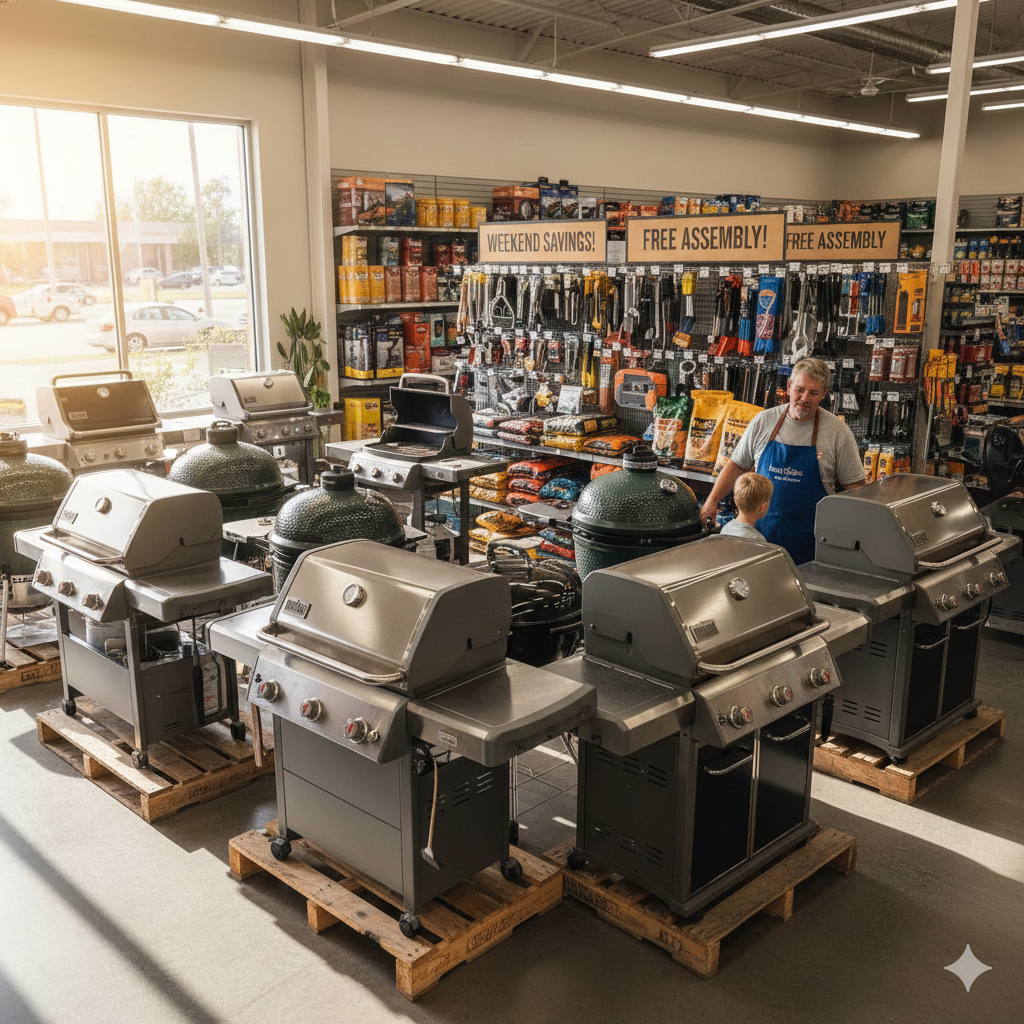
Hardware Store Insurance vs. Hardware Shop Insurance: Is There a Difference?
While the terms are often used interchangeably, the insurance industry could view them through the lens of scale and scope.
A hardware shop is typically viewed as a small-to-medium enterprise (SME) focusing on hand tools, paint, and household repairs. These businesses often qualify for a Business Owner’s Policy (BOP), which bundles general liability and property insurance into a cost-effective package.
A hardware store or “Home Center” often involves larger square footage, outdoor lumber yards, and potentially rental fleets. These operations require more complex, standalone policies with higher umbrella limits to account for the increased physical footprint and employee count. But, they could easily be referring to the same store in the different contexts.
Hardware Store & Shop Insurance: Frequently Asked Questions
1. What is the average cost of hardware shop insurance?
The cost of hardware shop insurance varies significantly based on your annual revenue, square footage, and location. Small independent shops might pay between $800 and $2,500 annually for a Business Owner’s Policy (BOP). Larger hardware stores with lumber yards or rental fleets can see premiums ranging from $5,000 to $20,000+ depending on their risk profile and employee count.
2. Does hardware store insurance cover product recalls?
Standard general liability usually does not cover the costs associated with a product recall. However, you can add a Product Recall Expense endorsement. This is vital if you sell private-label tools or import items directly, as it covers the costs of notifying customers, shipping, and disposing of defective inventory.
3. Are my delivery drivers covered under a standard shop policy?
No. If your hardware store offers delivery services for appliances or building materials, you must have Commercial Auto Insurance. Your personal auto policy will typically exclude coverage for accidents that occur during business activities, leaving you personally liable for damages.
4. What happens if a customer is injured in my outdoor lumber yard?
Outdoor areas are high-risk zones. Hardware store insurance includes Premises Liability to cover medical expenses and legal fees if a customer is struck by falling timber or injured by a forklift. It is essential to ensure your policy specifically includes “outdoor premises” in the description of covered areas.
5. Does insurance cover employee theft of high-value tools?
Standard property insurance often excludes theft by employees. To protect against this, you need Employee Dishonesty Coverage (or Commercial Crime Insurance). This protects your business if staff members steal expensive power tools, building materials, or cash from the register.
6. Is “Key Cutting” liability included?
Most hardware shop insurance policies cover the basic liability of key cutting. However, if you cut specialized transponder keys for modern vehicles, you may need professional liability (Errors & Omissions) if a faulty key damages a customer’s ignition system or locks them out of their vehicle in an emergency.
7. What is “Bailee’s Coverage” and do I need it?
If your hardware store offers repair services (like lawnmower or chainsaw repair), you need Bailee’s Insurance. Standard property insurance covers *your* stuff; Bailee’s covers the *customer’s* property while it is in your care, custody, and control for repair or servicing.
8. Do I need Cyber Insurance for a small hardware shop?
Yes. Small businesses are frequently targets for “ransomware” attacks. If your POS system is hacked and customer credit card data is stolen, Cyber Liability Insurance pays for the forensic investigation, customer notification, and legal defense required by data privacy laws.
9. Does my policy cover damage from heavy snow on the roof?
Hardware stores often have large, flat-roofed warehouses. Most Commercial Property policies include “Weight of Ice and Snow” as a covered peril, but it is important to check for “Building Collapse” coverage specifically, as some basic policies may exclude it for older structures.
10. What is Business Interruption Insurance?
If a fire or flood forces your hardware store to close for renovations, Business Interruption Insurance replaces your lost net income and helps pay for ongoing expenses like rent and payroll while you are unable to trade.
11. Are independent contractors covered under my Workers’ Comp?
Generally, no. If you hire “handymen” or contractors for store maintenance or delivery, you should ensure they carry their own insurance. If they are deemed “de facto” employees by a court, you could be liable for their injuries if you don’t have the right coverage.
12. Does insurance cover “Inventory Shrinkage”?
Insurance typically covers theft where there is evidence of a break-in (forced entry). However, “mysterious disappearance” or general inventory shrinkage discovered during a year-end audit is usually not covered by hardware shop insurance.
13. Can I get insurance for my tool rental fleet?
Yes, but it requires an Inland Marine or “Floater” policy. This ensures that the equipment is covered while it is at a customer’s job site, which is not covered by your standard on-premise property insurance.
14. What is Hired and Non-Owned Auto (HNOA) coverage?
If your employees ever use their personal cars to pick up stock or run errands for the hardware shop, HNOA provides liability protection for the business if they get into an accident during that trip.
15. How does a Business Owner’s Policy (BOP) differ from a Commercial Package?
A BOP is a pre-packaged, discounted bundle for small-to-medium hardware shops. A Commercial Package Policy (CPP) is more customizable and is usually better for larger hardware stores with higher risks and multiple locations.
16. Are my signs and awnings covered?
External signage is often limited in a standard policy. You may need a Signs Endorsement to ensure that your expensive LED storefront signs are covered for wind, hail, or vandalism damage.
17. Does hardware store insurance cover flood damage?
Standard property insurance almost always excludes flood. You must purchase a separate Flood Insurance policy through the NFIP or a private insurer, especially if your shop is located in a low-lying area or near a waterway.
18. What is Employment Practices Liability (EPLI)?
EPLI protects your hardware store from lawsuits related to employment issues, such as claims of wrongful termination, discrimination, or sexual harassment. Even if the claim is groundless, legal defense costs can be ruinous without EPLI.
19. How do I prove the value of my stock after a total loss?
Maintaining digital, off-site backups of your inventory records is vital. Insurers will require your latest purchase orders and sales records to calculate the “Actual Cash Value” or “Replacement Cost” of your hardware inventory.
20. Why should I use a specialist broker for hardware shop insurance?
Specialist brokers understand the “Hardware-specific” risks like chemical storage and tool liability. They can help you navigate the fine print to ensure you aren’t paying for generic retail coverage that leaves massive gaps in your protection.
Other Pages for Specific Insurance:
Affordable Church Insurance
Donut Shop Insurance
Ohio HVAC Insurance
Log Truck Insurance
Log Cabin Insurance
Tiny Home Insurance
Baked Goods Insurance
Insurance for Sawmills
Wayne Insurance Group