
BOP Insurance – Unlocking the Mystery
Hey there, fellow business enthusiasts! Today, we’re diving into the world of Business Owner’s Policy (BOP) insurance. If you’re a small to medium-sized business owner, this one’s for you! Let’s unravel what BOP insurance is, who needs it, and some key things to watch out for. So, grab a cup of coffee, get comfy, and let’s get started!
What is BOP Insurance?
BOP insurance is like a superhero cape for your business. It’s a bundled package that combines general liability insurance and property insurance into one convenient policy. Think of it as a combo meal for your business insurance needs! This policy is designed to protect your business from a variety of risks, including property damage, business interruption, and liability claims.
Why Choose BOP Insurance?
The beauty of a BOP is its simplicity and cost-effectiveness. Instead of juggling multiple policies, you get comprehensive coverage in one neat package. Plus, bundling often means savings, which is music to any business owner’s ears!
Who Needs BOP Insurance?
If you’re a small to medium-sized business owner, chances are you could benefit from a BOP. It’s particularly ideal for businesses that have physical locations, like retail stores, restaurants, or offices. If you own or rent property, have employees, or interact with customers, BOP insurance is worth considering.
Industries That Benefit the Most
- Retail Stores: Protect your inventory and premises from theft or damage.
- Restaurants: Cover potential liability from customer injuries or food-related incidents.
- Professional Offices: Safeguard your office equipment and client data.
Things to Look Out For
While BOP insurance is a fantastic option, there are a few things to keep in mind:
Coverage Limits
Every policy has its limits. Make sure you understand the maximum payout for each type of coverage. If your business has unique risks, you might need additional coverage.
Exclusions
BOP policies typically exclude certain types of coverage, such as professional liability, workers’ compensation, and health insurance. You may need separate policies for these.
Customization Options
One size doesn’t always fit all. Many insurers offer add-ons to tailor the policy to your specific needs. Consider endorsements for cyber liability or equipment breakdown if they’re relevant to your business.
Ready to Explore BOP Insurance?
BOP insurance can be a game-changer for your business, offering peace of mind and financial protection. If you’re curious about how a BOP policy can fit into your business strategy, don’t hesitate to reach out to our agency. We’re here to help you navigate the options and find the perfect coverage for your unique needs. Let’s chat and secure your business’s future today!
1. What exactly is a Business Owner’s Policy (BOP)?
A Business Owner’s Policy, or BOP, is a bundled insurance package designed specifically for small to medium-sized businesses. It combines general liability and commercial property insurance into a single policy, acting as a “combo meal” for your essential coverage needs.
2. What are the primary components of a BOP?
Standard BOP insurance typically includes three main pillars: General Liability (for accidents and injuries), Commercial Property (for your building and equipment), and Business Interruption insurance (to cover lost income during a recovery period).
3. How does a BOP differ from standalone general liability insurance?
While general liability only covers third-party injuries or property damage, a BOP adds protection for your own business assets, such as your furniture, inventory, and the physical space you operate in.
4. Is BOP insurance mandatory for small businesses?
While not usually required by law (unlike Workers’ Comp), many landlords and clients will require you to have at least general liability coverage, which is a core part of a BOP, before signing a lease or contract.
5. Which industries benefit most from a BOP?
Retail stores, restaurants, professional offices, and service-based businesses like hair salons or dry cleaners benefit most because they often have physical locations and face-to-face interactions with customers.
6. Can I save money by choosing a BOP?
Yes! Bundling property and liability coverage into a BOP is almost always more cost-effective than purchasing each policy separately. It is designed to offer comprehensive protection at a discounted premium.
7. What does the “Property” portion of a BOP cover?
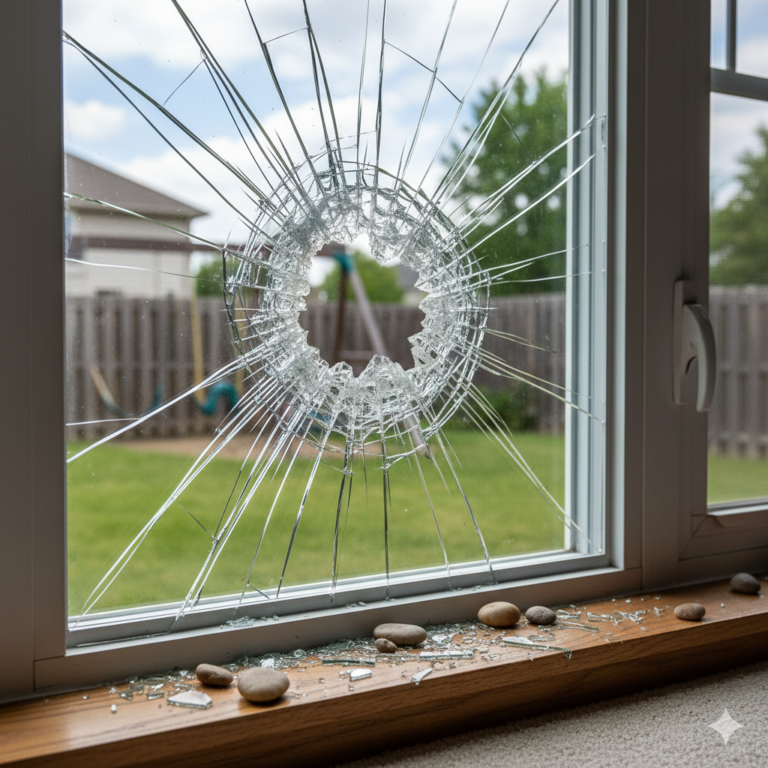
It covers your physical assets—including your building (if you own it), leased equipment, inventory, office furniture, and even some outdoor fixtures—against risks like fire, theft, or vandalism.
8. What is Business Interruption insurance?
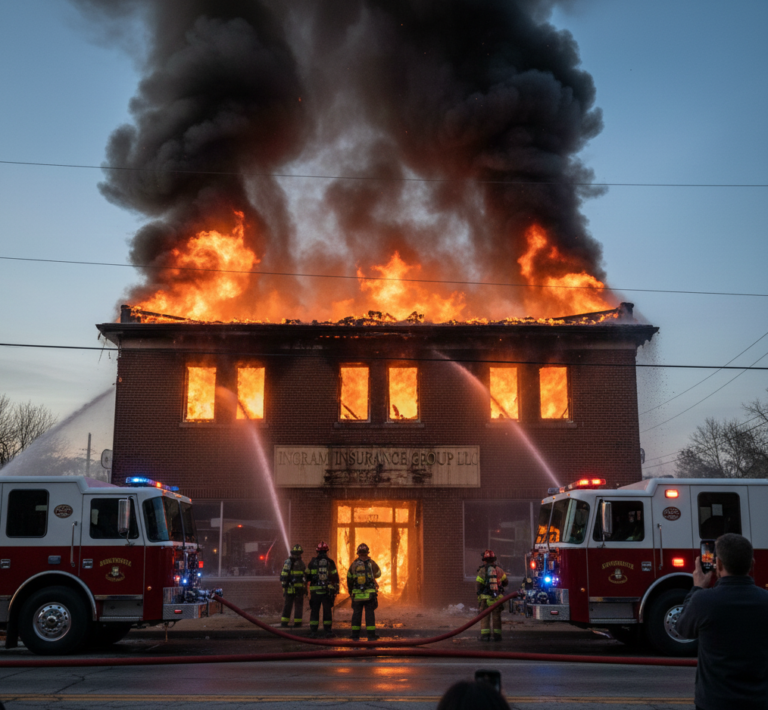
Included in most BOPs, this covers the loss of income and operating expenses (like rent and payroll) if your business is forced to close temporarily due to a covered peril, like a fire.
9. Does a BOP cover my employees if they get injured?
No. BOP insurance does not include Workers’ Compensation. You will need to purchase a separate Workers’ Comp policy to cover employee-related medical expenses and lost wages.
10. Is professional liability included in a BOP?
Generally, no. BOPs focus on “slip and fall” accidents or property damage. If you provide professional advice or services (like an accountant or consultant), you would need a separate Professional Liability or Errors & Omissions (E&O) policy.
11. Are there business size limits for BOP eligibility?
Yes. BOPs are tailored for small to mid-sized businesses. Insurance companies often have limits on annual revenue (e.g., under $5 million) and the number of employees (e.g., fewer than 100) to qualify.
12. Does a BOP cover my company vehicles?
No. Commercial auto insurance is not included in a standard BOP. If your business owns vehicles or employees drive for work purposes, you should look into a separate commercial auto policy.
13. Can a BOP be customized?
Absolutely. You can add “endorsements” or riders to your policy. Common add-ons include cyber liability, equipment breakdown coverage, or specialized coverage for spoiled inventory.
14. What are “exclusions” in a BOP?
Exclusions are specific events or items your policy won’t cover. Common BOP exclusions include flood damage, earthquake damage, professional errors, and intentional acts of wrongdoing.
15. Does a BOP cover my business if I work from home?
Standard homeowners’ insurance offers very limited coverage for business equipment. A BOP can be a great way for home-based business owners to protect their professional equipment and liability in ways a home policy cannot.
16. What happens if I exceed my coverage limits?
If a claim exceeds your policy limit, your business is responsible for paying the remaining balance. It’s vital to review your limits annually to ensure they match your business’s growth.
17. How is the cost of a BOP premium determined?
Insurers look at your industry, location, number of employees, the value of your business property, and your claims history to determine your premium.
18. Does a BOP cover data breaches?
Most basic BOPs do not cover data breaches or cyber-attacks. However, many insurers allow you to add a Cyber Liability endorsement to your BOP for an additional fee.
19. Do I need a BOP if I rent my office space?
Yes. While your landlord’s insurance covers the building shell, it does not cover your equipment, your inventory, or your liability if a customer is injured inside your rented space.
20. How do I get started with a BOP?
The best first step is to gather your financial records and property values, then reach out to an insurance agent. They can help you compare quotes and ensure the policy is tailored to your specific industry risks.