
Understanding Condo Loss Assessment Coverage: What You Need to Know
Owning a condo comes with its own unique set of responsibilities and potential risks. While you may already have a standard condo insurance policy, there’s an additional coverage option you might want to consider: loss assessment coverage. This coverage can be a lifesaver when unexpected costs arise from shared community responsibilities. Let’s dive into what condo loss assessment coverage is all about and why it might be essential for you.
What is Condo Loss Assessment Coverage?
Condo loss assessment coverage is an add-on to your standard condo insurance policy that helps cover your share of costs when your condo association levies a special assessment. These assessments can occur when the condo association’s master policy doesn’t fully cover damages or liabilities that affect the common areas of the property.
Common Scenarios for Loss Assessment
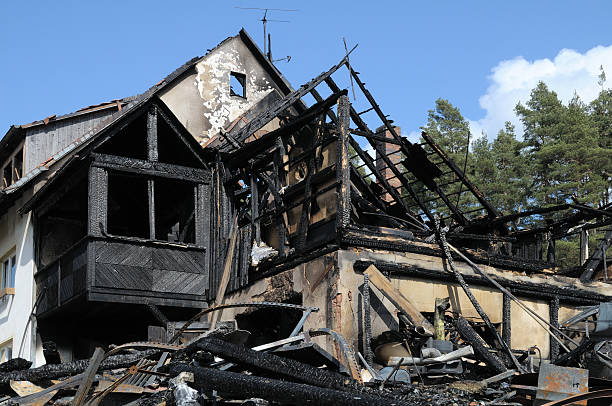
- Property Damage: Imagine a storm damages the roof of your condo building. If the cost to repair the roof exceeds the condo association’s insurance coverage, the remaining amount may be divided among all unit owners. Loss assessment coverage can help cover your portion of this cost.
- Liability Claims: If someone is injured in a common area, like the lobby or pool, and the association’s liability coverage isn’t enough to cover the claim, the remaining amount could be assessed to the condo owners.
- Deductibles: Sometimes, the condo association’s insurance policy may have a high deductible. If a claim is made, the deductible amount might be divided among the unit owners.
Why You Should Consider Loss Assessment Coverage
Condo loss assessment coverage can provide peace of mind knowing that you’re protected from unexpected financial burdens. Here are a few reasons why you might want to consider adding this coverage to your policy:
- Financial Protection: Without this coverage, you could be responsible for paying a significant amount out of pocket if a special assessment is levied.
- Affordable Add-On: Typically, loss assessment coverage is relatively inexpensive compared to the potential costs of an assessment.
- Comprehensive Coverage: It complements your existing condo insurance by covering gaps that might not be addressed by your standard policy.
How Much Coverage Do You Need?
The amount of loss assessment coverage you need can vary based on several factors, including the size of your condo association, the value of the property, and the terms of the association’s master policy. It’s a good idea to review your condo association’s insurance policy and any recent assessments to determine an appropriate coverage amount.
Talk to Your Insurance Agent
Understanding the nuances of condo insurance can be tricky, but that’s where your insurance agent comes in. They can help you assess your current coverage, explain the benefits of loss assessment coverage, and ensure that you have the protection you need.
If you’re interested in learning more about condo loss assessment coverage or want to review your current policy, reach out to our agency today. We’re here to help you navigate your insurance needs and provide the peace of mind you deserve.

Condo Loss Assessment FAQ
1. What exactly is condo loss assessment coverage?
It is an optional endorsement for your HO-6 condo insurance policy. It kicks in when your condo association (HOA) charges unit owners to help pay for a major insurance claim involving shared spaces.
2. Why do I need this if my HOA already has a master policy?
The master policy has limits. If a disaster causes $1 million in damage but the master policy only covers $800,000, the HOA may divide that $200,000 shortfall among all unit owners. This coverage helps pay your share of that $200,000.
3. Is loss assessment coverage mandatory in Ohio?
While not required by state law, many mortgage lenders require a minimum amount (often $1,000). However, we recommend higher limits to protect your personal savings from sudden HOA bills.
4. How does a “special assessment” differ from my monthly HOA dues?
Monthly dues cover routine maintenance like landscaping. A special assessment is a one-time, often large fee charged specifically to cover a major unexpected expense or insurance gap.
5. Does this cover damage to the inside of my individual unit?
No. Your standard condo insurance covers your personal belongings and interior walls. Loss assessment is specifically for your share of damage to common areas like roofs, lobbies, and elevators.
6. Will it cover injuries that happen in the gym or pool?
Yes. If the HOA is sued for a slip-and-fall in a common area and the legal settlement exceeds their liability limit, loss assessment helps cover your portion of the remaining balance.
7. Can loss assessment be used to pay the HOA’s master policy deductible?
Yes! This is one of the most common uses. If the HOA has a $25,000 deductible for a wind claim, they may assess each owner to cover it. Your policy can pay this for you.
8. Does it cover assessments for general upkeep, like painting the building?
No. Insurance only covers “fortuitous events” (accidents or disasters). It will not cover assessments for planned maintenance, wear and tear, or capital improvements.
9. How much loss assessment coverage should I carry?
Standard policies often start at $1,000, but in today’s market, we recommend at least $10,000 to $50,000 depending on the size and age of your complex.
10. Is there a limit on how much the policy pays for HOA deductibles?
Many policies have a sub-limit (often $1,000 or $1,500) specifically for assessments related to the master policy deductible. We can help you check your specific policy language for this.
11. Is this coverage expensive to add?
It is very affordable. Increasing your limit from $1,000 to $25,000 often costs just a few dollars per month, offering significant financial protection for a small price.
12. Do I have to pay a deductible to use my loss assessment coverage?
Usually, no. In most cases, if you are filing a loss assessment claim alongside a claim for damage to your own unit, you only pay your single policy deductible.
13. When should I file a claim for a loss assessment?
You should contact Ingram Insurance Group as soon as you receive a written notice of a special assessment from your HOA board that mentions an insurance-related loss.
14. What happens if I don’t have this coverage?
You would be legally obligated to pay the HOA assessment out of your own pocket. Failure to pay can lead to liens against your unit or legal action by the HOA.
15. If a storm hits this year, but the assessment happens next year, which policy covers it?
The policy that was active on the date of the actual loss (the storm) is typically the one that handles the claim, regardless of when the bill arrives.
16. Does loss assessment cover damage from floods or earthquakes?
Generally, only if your policy and the HOA master policy both cover those specific perils. Since standard policies often exclude flood, you may need a separate endorsement.
17. How do I know what my HOA master policy covers?
You are entitled to a “Certificate of Insurance” from your HOA board. You can bring this to our office at 733 Salem Ave, and we can review it for you.
18. What if the HOA assesses us for something that isn’t a “covered peril”?
If the HOA assesses you for something your own policy doesn’t cover (like a plumbing upgrade), your loss assessment coverage won’t trigger. It must be an insurance-related loss.
19. Can I increase my coverage after a disaster happens?
No. You cannot increase coverage for a loss that has already occurred. It’s vital to set your limits correctly before the next storm season.
20. How do I get started with a policy review?
Just reach out to Ingram Insurance Group! We’ll look at your current HO-6 policy and your HOA’s master requirements to ensure you are fully protected.