
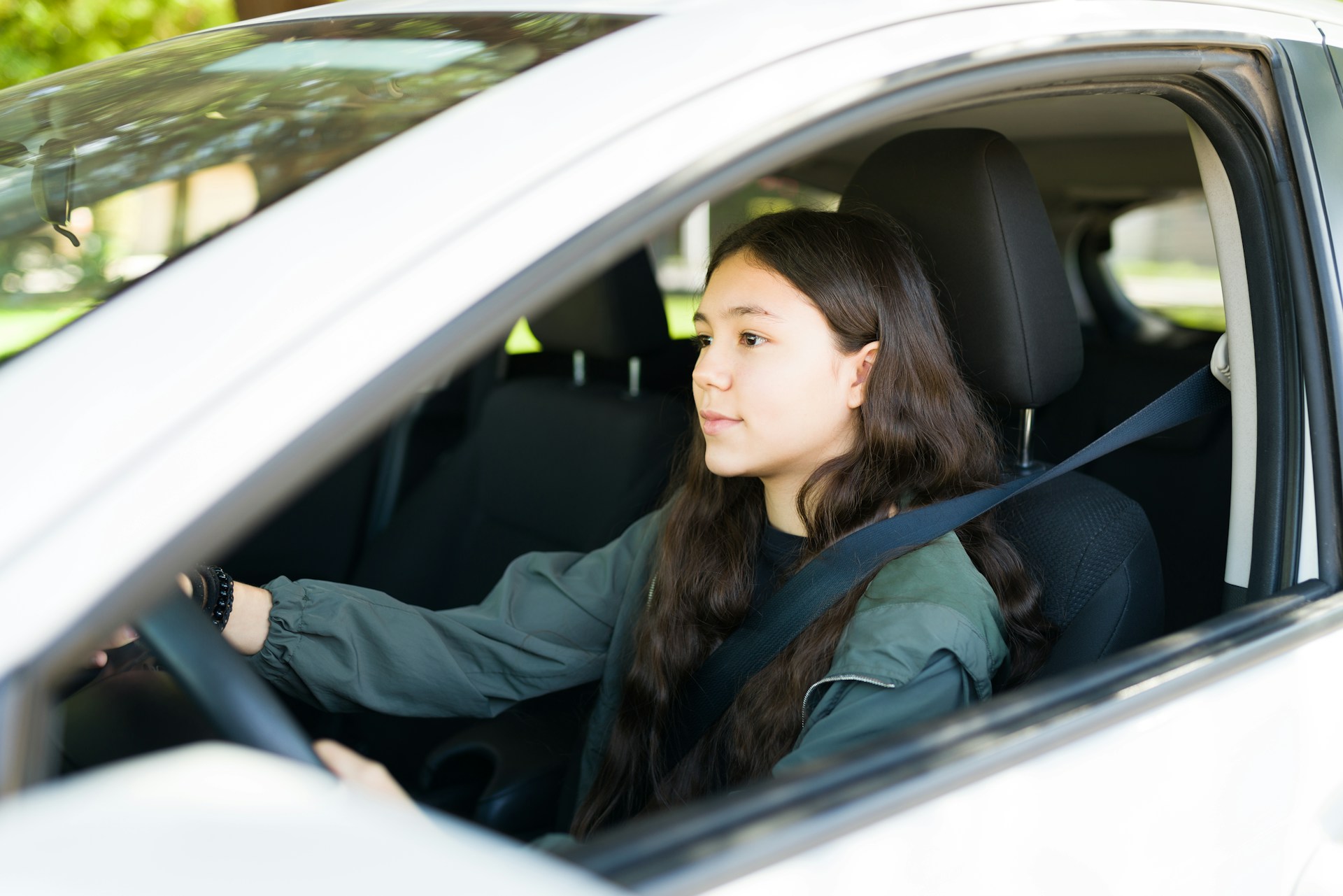
Choosing Dayton Auto Insurance for Teen and New Drivers
Helping Dayton Families Protect Teen Drivers From Day One
Getting a teen ready to drive in Dayton is exciting and a little scary at the same time. You are helping them move from the passenger seat to the driver’s seat, while thinking about school parking lots, practice, work shifts, and those first solo drives. On top of that, you are dealing with graduated licensing rules, Ohio weather, and busy routes across the Dayton area.
Teen and new drivers face more risk than experienced drivers. They are still learning how to judge space and speed. Friends in the car can be distracting. Phones are a temptation at every stoplight. Add in dark winter evenings, slick roads, and surprise potholes, and it is easy to see why families worry about that first year or two of driving.
We focus on helping Ohio families pick auto insurance in Dayton that actually fits their real lives. That means understanding the roads your teen uses, the school district they attend, and what their daily driving looks like. In this guide, we will walk through how Ohio laws affect new drivers, which coverages matter most, how to balance cost and protection, and how to link safe driving habits with long-term insurance results.
Our goal is to help you feel confident that you are protecting your teen, your cars, and your budget from day one behind the wheel.
Understanding Ohio and Dayton Realities for New Drivers
Before you add a teen driver, it helps to understand what Ohio requires and what that really means if your teen causes a crash.
Ohio sets minimum auto liability limits. Liability is the part of your policy that pays for injuries or property damage you cause to others in an at-fault accident. The state minimums are meant as a legal floor, not a safety net that fits every family. When a teen driver makes a mistake, costs can grow fast.
Think about what happens if your teen:
- Rear-ends a newer SUV in stop-and-go traffic
- Slides on a wet road and hits a parked car and a fence
- Misjudges a left turn and hits someone who needs medical care
The bills in these kinds of situations can include:
- Repairs or replacement for the other driver’s vehicle
- Damage to fences, mailboxes, or signs
- Emergency room visits, follow-up care, and lost wages for injured people
State minimums can run out quickly when you add up repair costs and medical treatment. Families then risk paying the difference out of pocket. That is why many parents choose higher liability limits than what Ohio requires, especially once a teen starts driving regularly.
Dayton has its own driving patterns that matter for new drivers too. Common routes around school campuses, big box shopping areas, and downtown streets can be busy, especially during:
- Morning drop-offs and afternoon pick-ups
- After-school activities and practices
- Weekend trips between work, friends, and home
We see real differences across neighborhoods, from tighter city streets with lots of cross traffic to wider suburban roads that encourage higher speeds. Teens are often on:
- Suburban routes like Wilmington Pike or Far Hills
- Highways that lead into and around Dayton
- Rural roads on the edge of the metro area
Each type of road brings different risks. A new driver might be more likely to get into a low-speed fender bender near school, or lose control on a country road with sharp curves and limited lighting.
Weather adds another layer. Around late winter and early spring, drivers in the Dayton area can face:
- Freeze-thaw cycles that break up roads and create deep potholes
- Sudden rain that mixes with leftover road salt and reduces grip
- Morning frost or slick spots in shaded areas
- Strong winds that push vehicles on open stretches
Inexperienced drivers may not know how to react to all of this. They may brake too hard, overcorrect a skid, or miss a large pothole that damages tires, wheels, or suspension.
All of this shows why the gap between Ohio’s minimum requirements and real-world protection can be large. Families with teen drivers often need higher limits for:
- Property damage, because modern vehicles and structures are expensive to fix
- Bodily injury, because medical costs can add up even for “minor” injuries
Paying attention to these local realities gives you a better starting point for building the right protection for your teen.
Core Coverages Every Teen Driver Policy Should Include
When you are lining up auto insurance in Dayton for a teen, it helps to break the policy into its key parts. Each type of coverage does something different for your family.
Here are the main coverages to understand:
- Bodily injury liability
- Property damage liability
- Collision
- Comprehensive
- Uninsured and underinsured motorist
- Medical payments
Bodily injury liability pays for injuries to other people when your teen causes a crash. For example, if your teen rear-ends a car at a red light on Wilmington Pike and the other driver needs a doctor visit and physical therapy, this coverage helps pay those costs, up to your limit.
Property damage liability pays to repair or replace things your teen hits. That could be another car, a fence along a side street, or even a light pole in a parking lot. A simple mistake in a tight high school parking lot can lead to more repairs than you might expect.
Collision coverage helps pay to repair or replace your teen’s car after an accident, no matter who was at fault. Some common teen situations where collision matters:
- Backing into another car in a crowded school lot
- Sideswiping a guardrail on a highway ramp
- Sliding into a curb and bending a wheel
A lot of families think older vehicles do not need collision, but it really depends on the value of the car and how your budget looks if it were badly damaged. Sometimes the repair cost for an “older” vehicle is still more than many families want to pay out of pocket, especially if the teen depends on that car for work and school.
Comprehensive coverage protects the car from things other than a crash, like:
- Hitting a deer on a rural road outside the main Dayton area
- Hail or falling branches during a strong storm
- Theft or vandalism in a high school or apartment parking lot
Teens often park outside and in busy lots, which can increase the chances of dings, theft, or damage. Comprehensive can offer peace of mind in these spots.
Uninsured and underinsured motorist coverage helps protect your family if your teen is hit by a driver who does not have enough insurance, or any insurance at all. This coverage steps in to pay for injuries to your teen and sometimes others in your car, up to your limits. Sadly, not every driver on Dayton roads carries strong insurance. Teens should not be left unprotected in those situations.
Medical payments coverage can help with medical expenses for you, your teen, and passengers after an accident, regardless of fault. It can help with things like ambulance costs or quick clinic visits, which are common after a crash even when injuries seem small at first.
A common misconception is that having “full coverage” means every situation is covered with no worries. In reality, “full coverage” usually just means you have liability, collision, and comprehensive. It does not speak to how high your limits are, which deductibles you carry, or whether you added options like rental car coverage. It is better to understand each part of the policy instead of relying on that phrase.
Another misunderstanding is that a teen should always be on a separate policy. Sometimes it makes sense, but often, adding a teen to a parent’s existing policy is more practical. Things that can affect that choice include:
- Whether the teen has their own vehicle or shares one
- The age and type of vehicles on the policy
- Driving history for everyone in the household
- How much risk the family is comfortable taking on
An independent agency can compare different carriers and setups, such as adding the teen as a driver on your current policy or quoting a separate policy for a certain vehicle. This kind of review helps line up coverages with the actual risk in your household.
If you ever want to see how different carrier options might stack up in general, you can look at resources like regional insurance carrier information, which can give a feel for how varied coverage and service can be from one insurer to another.
Balancing Cost and Protection for Auto Insurance in Dayton
Auto insurance in Dayton for teen and new drivers can feel expensive, especially at first. Understanding what affects the premium can help you make smart choices without cutting corners that matter.
Key rating factors for teen and new drivers usually include:
- Age and years of driving experience
- Accidents, tickets, and other violations
- Type of vehicle, including age, safety features, and repair costs
- Annual mileage and daily commute patterns
- Location within the Dayton area
- Credit history for adults on the policy, as allowed by state rules
Some of these are fixed, such as the teen’s age. Others, like vehicle choice and mileage, are areas where families can make decisions.
To manage cost without stripping away protection, you can consider steps like:
- Choosing sensible deductibles for collision and comprehensive. Higher deductibles can lower the premium but mean more out-of-pocket if there is a claim. Families often weigh how much they could comfortably cover from savings.
- Bundling home and auto when possible under the same insurer, which can often lead to savings and simpler paperwork.
- Putting your teen in a vehicle with strong safety features and not overly high repair costs. A high-performance or heavily modified car can raise the price.
- Exploring telematics or usage-based driving programs that track things like braking, speeding, and time of day. Teens who drive safely may qualify for better pricing through these programs.
Academic performance can also matter. Many insurance companies offer discounts for teens who maintain good grades. That gives families a chance to connect school performance with real money savings.
Formal driver education and advanced courses can help too. Completing an approved class can sometimes open up more options for coverage and discounts, while also giving your teen hands-on time behind the wheel with an experienced instructor.
At the same time, it is important to avoid certain cost-cutting moves that can cause real harm if a serious claim happens, such as:
- Dropping uninsured or underinsured motorist coverage, given how exposed a teen can be on busy roads
- Staying with state minimum liability limits even when your teen is driving daily on high-traffic routes, parking in large lots, or using highways
Short-term savings from reducing important coverages can lead to big out-of-pocket costs after a major accident. Balancing protection and cost works best when you start with what you truly need, then adjust deductibles, vehicles, and discounts from there.
If you want a sense of how different coverage choices can change your quote, tools like a simple online quote request can be a first step to see ranges before you make final decisions.
Teaching Safe Driving Habits with Insurance in Mind
Driving habits and insurance costs are connected for the long haul. A single at-fault accident or speeding ticket in the first few years of driving can affect premiums for many renewals. That means the choices your teen makes today can follow them for quite a while.
Parents play a big role in shaping those habits. Some practical steps include:
- Setting clear rules about nighttime driving, at least in the early months of driving solo
- Limiting the number of teen passengers, which helps cut down on distractions
- Creating clear expectations about speed limits, phone use, and seat belts
- Modeling good behavior yourself, such as putting your phone away while driving
It helps to schedule practice drives in different parts of the Dayton area while your teen still has a learner’s permit and in the first year of licensed driving, such as:
- Busy urban streets with more pedestrians and lights
- Suburban areas with frequent stop signs and turning traffic
- Highways around and through Dayton with lane changes and higher speeds
- Rural roads with curves, wildlife, and limited lighting
Each setting teaches a different set of skills. Confidence on quiet streets does not always translate to safe choices on multi-lane highways, so practice in a mix of settings matters.
Formal driver education and defensive driving courses give structure to this process. These classes can:
- Provide extra supervised hours beyond what families can manage alone
- Teach strategies for scanning ahead, judging gaps, and avoiding aggressive drivers
- Cover weather-specific tips, like handling rain and sudden standing water
Many insurers view these classes as a sign of lower risk, which can improve coverage options. Defensive driving refreshers can help older teens too, not just brand-new drivers.
Technology can support safe habits when used thoughtfully. Some families use:
- Smartphone apps that track speed, hard braking, and phone use
- Plug-in or built-in telematics devices that monitor driving behavior
- Family driving contracts that spell out rules and what happens if they are broken
These tools can also provide objective data if there is a claim. For example, trip details might show the speed of the car before an accident or confirm that the car was where your teen said it was. Used as part of a positive coaching approach, monitoring tools can help teens see driving as a privilege they earn by being responsible.
Compare Policies and Plan Ahead for Your New Adult Driver Teen
When parents shop for auto insurance in Dayton, they usually see three main ways to buy coverage:
- Captive agents, who sell policies from one company
- Direct-to-consumer insurers, where you manage coverage largely on your own
- Independent agencies, which work with multiple companies
With an independent agency, families can compare several carriers without starting from scratch each time. That flexibility is helpful when adding a teen driver, because the “best fit” carrier for parents only is not always the best choice once a new driver joins the household.
When you review quotes, focus on more than the final price. It helps to ask questions like:
- What are the liability limits, and do they feel high enough for our assets and risk?
- How does the insurer handle surcharges for teen-related accidents or tickets?
- Is accident forgiveness available, and under what conditions?
- Does the policy include roadside assistance and rental car coverage if our teen’s car is in the shop?
- What is the claims process like and how accessible is support after an accident?
Value comes from the blend of coverage, service, and local knowledge, not just the lowest number. Insurers that work well with Dayton body shops and repair networks can simplify life after a crash. So can agents who understand how local school schedules, neighborhood layouts, and common commute paths shape everyday driving risk.
Planning ahead is just as important as the initial setup. A teen’s risk and insurance needs change as they move from:
- Learner’s permit to restricted license
- Restricted license to full license
- High school to college or full-time work
Mileage may shift if they start driving farther for work or school. The main parking location may change from the family driveway to a campus lot in another city. Your teen might move from sharing a family car to owning their own. Each of these changes can affect how coverage should be arranged.
College raises its own set of questions, such as:
- Does the student take a car with them or leave it at home?
- Is the campus in Dayton or another city or state?
- How often will they drive, and on what kinds of roads?
Sometimes it makes sense to keep a college student on the family policy. In other cases, especially when they own their own vehicle and live full-time somewhere else, a separate policy may be worth exploring. The right answer depends on location, ownership, and how often they are actually behind the wheel.
Over time, building a clean driving and insurance record does more than just save money. It sets your teen up for better options when they:
- Buy their own car and need a solo policy
- Rent apartments that ask about insurance history
- Start small businesses that involve vehicles
Regular policy reviews help keep everything current. These reviews are good times to:
- Remove vehicles that are no longer in use
- Update mileage and parking locations
- Adjust deductibles as your financial situation changes
- Add or update discounts for good grades, education, or safe driving programs
Families who revisit their coverage at big milestones usually feel more confident that they are not overpaying for outdated protection or leaving important gaps unaddressed.
For families in Ohio who also run seasonal work, such as winter services, thinking through specialty protection like snow removal insurance can matter too, especially if a teen or young adult will ever drive for work-related tasks in icy or snowy conditions.
Preparing Your Teen Driver for the Road Ahead
Helping a teen or new driver succeed in Dayton is about more than handing over keys. It means understanding Ohio’s rules, building a policy that reflects local risks, setting clear family expectations, and staying involved as your teen gains experience.
Taking the time to choose thoughtful coverage, encourage strong driving habits, and review your policy at key stages can protect both your family and your finances. With a clear plan and the right support, those first years of driving can be a proud step toward independence instead of a constant source of worry.
Protect Your Drive With Customized Coverage Today
If you are ready to feel more confident every time you get behind the wheel, we are here to help you choose coverage that fits your life and budget. At Ingram Insurance Group, we take the time to explain your options and make sure you understand exactly what you are paying for. Start by exploring our auto insurance in Dayton so you can protect your vehicle, your finances, and your peace of mind. Reach out today and let us put a tailored policy in place before you need it.