What is Debris Removal Insurance? A Complete Guide to Coverage and Costs
After a major storm, fire, or accident, the damage to a property is often obvious. But what many property owners overlook is what happens after the initial damage. Before you can rebuild, you have to clear the wreckage. This is where debris removal insurance becomes the most critical part of your recovery plan.
Whether you are a homeowner, a commercial property manager, or a junk removal business owner, understanding the nuances of how insurance handles the “clean-up” phase can save you tens of thousands of dollars in out-of-pocket expenses.
What Does Debris Removal Insurance Cover?
In the insurance world, debris removal is typically an “additional coverage” or an “extension of coverage” found within a standard property policy. It pays for the cost of clearing the remains of covered property damaged by an insured peril (like wind, fire, or hail).
- Demolition and Debris Removal Insurance: This covers the cost to tear down the remaining parts of a structure that were damaged and haul them away.
- Pollutant Cleanup: Some commercial policies include specific debris removal insurance coverage for extracting pollutants from land or water.
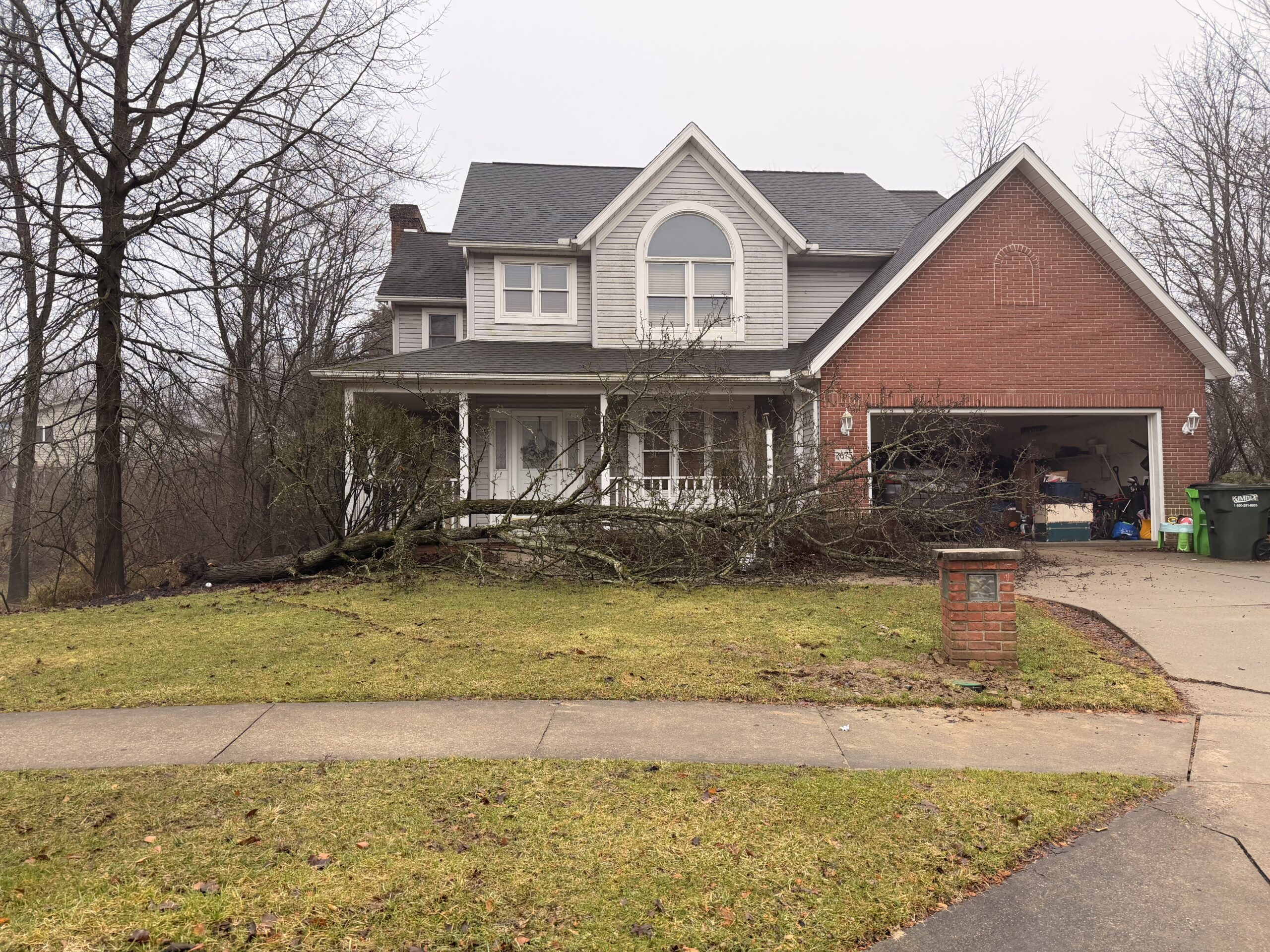
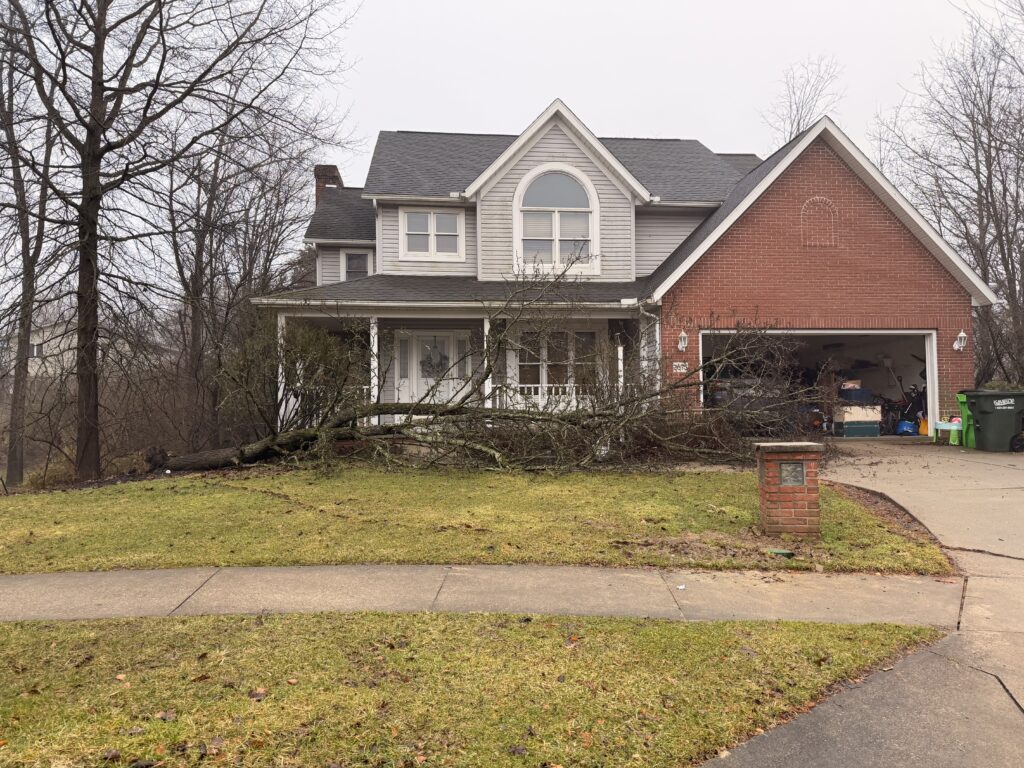
- Natural Disasters: It specifically addresses the mess left behind by fallen trees, shattered glass, and charred building materials.
Does Homeowners Insurance Cover Debris Removal?
The short answer is yes, but with limits. Most standard homeowners policies (HO-3) include debris removal as part of the total limit of insurance.
Pro Tip: Usually, if the cost to repair the home plus the cost of debris removal exceeds your policy limit, many insurers provide an additional 5% of the limit for debris removal specifically.
Does Flood Insurance Cover Debris Removal?
Flood insurance is different. If you have a policy through the National Flood Insurance Program (NFIP), it does cover the removal of debris from your property and the debris that washes onto your property. However, it only covers debris that was caused by a flood. If a tree falls due to wind, flood insurance won’t touch it—that’s a job for your standard homeowners policy.
Debris Removal Insurance Cost: What to Expect
When calculating how to calculate debris removal costs insurance, you must look at the “percentage of loss” rule. Most commercial property policies allocate around 25% of the total claim amount toward debris removal.
For a junk removal business, junk removal insurance cost varies based on your location and the volume of debris you handle. Typically, a general liability policy for a junk removal startup might cost between $800 and $1,500 per year, but adding specific “pollution” or “debris” riders will increase that premium.
How to Calculate Debris Removal Costs
To estimate your needs, insurance adjusters generally use a simple formula:
(Total Estimated Tonnage) x (Local Landfill Tipping Fees) + (Labor Hours x Hourly Rate) + (Equipment Rental) = Total Debris Cost
Insurers Debris Removal Commercial Property Policies
Commercial property owners face unique challenges. If a warehouse burns down, the “debris” isn’t just wood and nails—it might be heavy machinery, chemicals, or massive steel beams. Insurers debris removal commercial property policies often have a sub-limit. If your building is insured for $1,000,000, your debris removal limit might be capped at $250,000 (25%).
What is Debris Removal in Insurance vs. Junk Removal?
It is important to distinguish between “debris removal” and “junk removal.”
- Debris Removal: Cleaning up after a specific covered loss (e.g., a fire).
- Junk Removal: The general hauling of unwanted items. Junk removal insurance is a business liability product designed for contractors who do this work for a living.
- See also Dump Truck Insurance
Top 5 FAQs About Debris Removal Insurance
1. What is debris removal insurance exactly?
It is a provision in an insurance policy that pays for the expense of removing debris from a covered loss. It is not a standalone policy but a feature of property insurance.
2. Does insurance cover the removal of a neighbor’s tree?
Usually, if a neighbor’s tree falls on your house due to a storm, your insurance covers the debris removal. However, if it just falls in your yard without hitting a structure, coverage may be limited or non-existent.
3. What is debris removal coverage for businesses?
For businesses, it covers the removal of inventory, building materials, and office equipment after a disaster. It is crucial for businesses located in high-wind or fire-prone areas.
4. How much does junk removal insurance cost?
For contractors, premiums depend on the “class” of junk. Hauling hazardous waste is significantly more expensive to insure than hauling old couches and appliances.
5. Is there a time limit to file a debris removal claim?
Yes. Most policies require you to report the debris removal expenses within 180 days of the date of the loss.
Conclusion: Don’t Let the Cleanup Clean Out Your Bank Account
Debris removal is often the most labor-intensive part of property recovery. By ensuring your debris removal insurance coverage is adequate before a disaster strikes, you ensure that your focus can remain on rebuilding rather than hauling.
Always review your “Additional Coverages” section in your policy. If you find that your limit is only 5% or 10%, consider an endorsement to increase that amount—especially if you live in an area with high landfill costs or specialized disposal requirements.