Decoding Dayton Car Insurance Coverage for Real Life Accidents
How to Make Dayton Car Insurance Actually Work for You
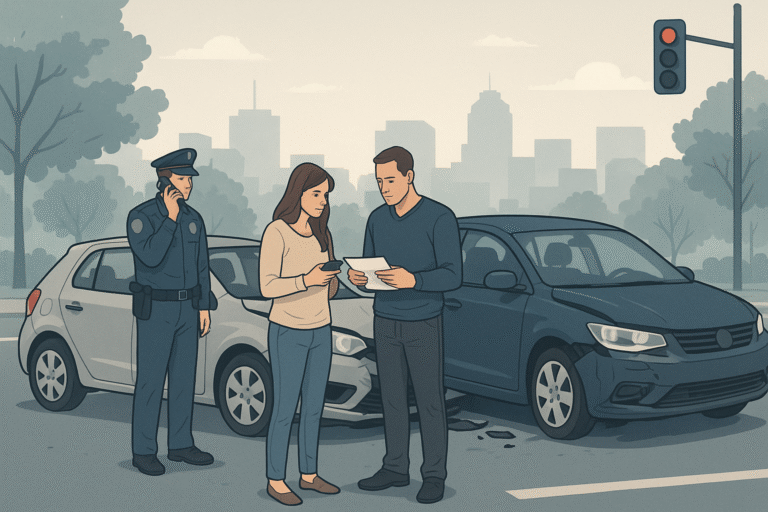
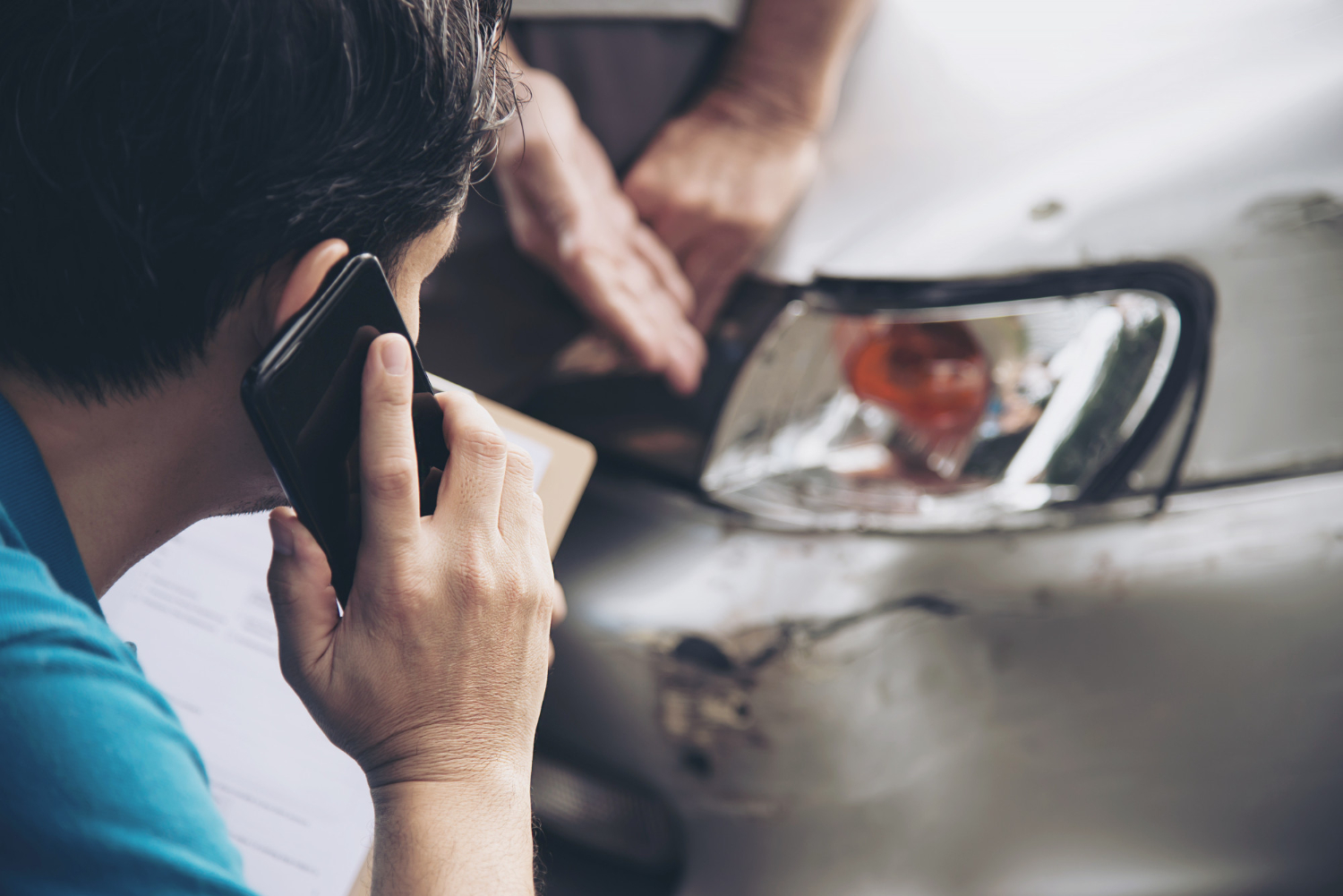
Car insurance in Dayton constitutes a central component of household risk management and personal financial planning. While policy documents often appear dense with technical terms, limits, and monetary figures, the true significance of this coverage emerges only when an actual loss occurs, on I‑75 in heavy rain, on an icy side street in Kettering, or in a congested parking facility near a regional shopping center. The essential evaluative question is straightforward: when an adverse event occurs, does your insurance structure adequately protect your vehicle, your health, and your long‑term financial stability?
This article offers a systematic, more academic examination of personal auto insurance as it applies to Dayton‑area drivers. It links common accident patterns and environmental conditions to specific coverage types and structural choices within a policy. The objective is to provide Dayton drivers with a rigorous framework for understanding their current coverage, identifying potential deficiencies, and aligning their insurance decisions with the real risks present in daily driving.
Dayton motorists encounter a diverse set of risks that extend beyond simple traffic congestion. The region experiences significant winter weather, including ice and snow; high‑speed interstate corridors; traffic generated by nearby universities; and dense neighborhood traffic during school commuting periods. Concurrently, the costs associated with vehicle repair, medical treatment, and civil liability have increased over time. Within this context, the configuration of an automobile insurance policy becomes a critical determinant of post‑accident financial outcomes.
Ohio’s Legal Framework and Minimum Requirements
Ohio operates under an at‑fault (tort) system for automobile accidents. In practice, this means that the driver deemed legally responsible for causing an accident is financially liable for bodily injury and property damage resulting from that accident, subject to the terms and limits of any applicable insurance policy. For example, if a driver rear‑ends another vehicle on US‑35, drifts into an adjacent lane on I‑70, or collides with a parked vehicle on an icy Dayton side street and is found at fault, that driver’s liability coverage is expected to respond up to the policy limits.
Under Ohio law, vehicle owners must maintain minimum levels of financial responsibility, most commonly satisfied through a liability insurance policy. Liability coverage has two principal functions when the insured driver is at fault:
- It provides coverage for the bodily injuries of other persons involved.
- It provides coverage for damage to the property of others, primarily their vehicles but also other property such as structures or roadside installations.
These statutory minimum limits are best understood as a legal baseline rather than a comprehensive risk management solution. They are designed to establish broad compliance with financial responsibility laws, not to insulate an individual household from the full spectrum of potential claims arising from a serious collision.
Consider the cost environment in which these minimum limits operate. Modern vehicles increasingly rely on advanced driver‑assistance systems, sensors, and integrated electronics. Even relatively modest collisions can trigger costly repairs or necessitate component replacements. In multi‑vehicle events, such as chain‑reaction collisions on bridges or ramps during winter weather, property damage may involve several vehicles, highway barriers, and other infrastructure. Simultaneously, bodily injury claims can include emergency room treatment, diagnostic testing, hospitalization, follow‑up care, and lost income.
Once the liability limits on a policy are exhausted, any remaining amounts awarded in settlement or judgment do not vanish; they become the responsibility of the at‑fault individual. For drivers carrying only minimum liability coverage, or worse, no coverage at all, the residual exposure may include:
- Suspension of driving privileges.
- Civil lawsuits that can result in court judgments.
- Collection efforts that may affect wages, bank accounts, or other assets over time.
For many Dayton households, such outcomes can adversely affect savings accumulation, future borrowing capacity, and long‑term financial objectives. Accordingly, it is prudent to treat state minimums as a starting point for analysis rather than an endpoint.
Core Components of a Standard Auto Policy
To understand how Dayton car insurance can function as an effective risk management tool, it is helpful to examine the principal coverage components typically found in personal auto policies. Conceptually, these coverages can be viewed as distinct financial “buckets,” each dedicated to defined categories of loss.
The primary coverage types generally include:
- Liability coverage (bodily injury and property damage)
- Collision coverage
- Comprehensive (other‑than‑collision) coverage
- Medical payments (MedPay) coverage
- Uninsured and underinsured motorist coverage
Each serves a specific function and has different implications for policy design.
Liability Coverage
Liability coverage protects the insured against claims by others when the insured driver is legally responsible for an accident. It is commonly divided into two categories:
- Bodily injury liability: provides coverage for medical expenses, lost wages, and certain other damages incurred by third parties as a result of injuries sustained in an accident.
- Property damage liability: provides coverage for damage to the property of others, typically other vehicles but also public or private property such as fences, buildings, or traffic control devices.
Illustratively, consider a scenario in which a driver loses traction on ice along I‑75 and collides with the rear of another vehicle. If the other driver sustains neck or back injuries and their vehicle incurs significant damage, bodily injury liability coverage would respond to eligible injury claims, and property damage liability coverage would respond to eligible repair or replacement costs for the other vehicle and related property. Notably, liability coverage does not pay for the at‑fault driver’s own injuries or own vehicle damage.
Collision Coverage
Collision coverage is designed to protect the insured’s own vehicle from damage resulting from a collision event, regardless of fault. It typically applies in situations where the covered vehicle collides with another vehicle or object, or overturns.
Collision coverage is subject to a deductible, which is the amount the insured agrees to pay out of pocket per claim before the insurer contributes. For instance, if a driver with a $500 collision deductible backs into a fixed object in a Dayton parking area and the resulting damage is estimated at $3,000, the insured would pay the first $500 and the insurer would pay the remaining $2,500, subject to policy terms and the vehicle’s value.
From a financial planning standpoint, choosing a collision deductible involves balancing premium savings (which tend to increase with higher deductibles) against the ability to absorb out‑of‑pocket expenses at short notice.
Comprehensive (Other‑Than‑Collision) Coverage
Comprehensive coverage protects the insured vehicle against many non‑collision losses. While policy language can vary, comprehensive generally applies to damage caused by:
- Theft or attempted theft
- Fire
- Vandalism
- Hail and certain other weather‑related perils
- Falling objects (such as tree limbs)
- Contact with animals (e.g., striking a deer)
This coverage, like collision, is typically subject to a deductible. For example, if a tree limb falls onto a vehicle during a storm and causes significant body damage, comprehensive coverage is usually the responding coverage type.
In regions like the Dayton area, where storms, hail, and animal activity are common, comprehensive coverage serves as an important counterpart to collision coverage in protecting the physical value of the vehicle.
Medical Payments (MedPay) Coverage
Medical payments coverage provides limited but immediate assistance with medical expenses for the named insured and passengers, regardless of fault. Uses may include:
- Emergency room visits
- Ambulance transportation
- Certain follow‑up medical care
MedPay is not a substitute for comprehensive health insurance, but it can reduce short‑term financial stress after an accident, especially while liability determinations are pending or when coordinating between auto and health insurers.
Uninsured and Underinsured Motorist Coverage
Uninsured motorist (UM) and underinsured motorist (UIM) coverages address situations in which the at‑fault driver either carries no liability insurance or carries limits that are insufficient to cover the injuries sustained by the insured party.
UM coverage generally applies when the at‑fault driver has no liability insurance. UIM coverage typically applies when the at‑fault driver’s liability limits are lower than the amount needed to compensate for the insured’s injuries and associated damages, subject to the terms and limits of the UM/UIM coverage.
Given that not all drivers maintain adequate insurance, UM/UIM coverage often functions as a crucial protection for one’s own bodily injury exposure. In serious accidents, especially those involving substantial medical treatment or long‑term impairment, these coverages can materially affect the financial outcome for the injured driver and passengers.
Common Misconceptions About Coverage Structures
Consumers often rely on informal terminology that can obscure important distinctions in coverage. Several recurring misconceptions are noteworthy:
- “Full coverage” is not a precise contractual term. It typically refers to a policy that includes liability, collision, and comprehensive coverage. However, it does not specify the level of liability limits, deductible amounts, or the presence of optional features such as rental reimbursement or roadside assistance.
- Collision coverage is confined to collision‑type events and does not apply to mechanical failure, routine wear and tear, or excluded causes of loss. Policyholders sometimes incorrectly infer that collision coverage will respond to any damage to the vehicle, which is not the case.
- Deductibles and coverage limits fundamentally shape the insured’s financial experience after a loss. Higher deductibles usually reduce premiums but increase out‑of‑pocket costs when a claim occurs. Lower liability limits reduce premium costs but increase the risk of personal financial exposure in severe accidents.
A more academic approach to coverage selection involves explicitly analyzing these trade‑offs in light of one’s assets, income, savings, and driving patterns.
Common Accident Types in the Dayton Area and Coverage Responses
The Dayton region exhibits recurring accident patterns associated with climate, infrastructure, and traffic flows. Reviewing how standard policy components interact with these common scenarios can clarify where coverage may be adequate or deficient.
Winter Weather and Chain‑Reaction Collisions
Freezing precipitation and temperature fluctuations contribute to the formation of black ice, particularly on bridges, ramps, and elevated roadway sections. During winter months, multi‑vehicle chain‑reaction collisions on interstates such as I‑70 and I‑75 are not uncommon.
In a typical single‑impact scenario where a driver loses control on black ice and collides with the vehicle ahead:
- The at‑fault driver’s liability coverage generally responds to the other driver’s bodily injury and property damage.
- The at‑fault driver’s own collision coverage, if carried, responds to repairs for the at‑fault driver’s vehicle (subject to the deductible).
In a multi‑vehicle pileup:
- Determining fault can be complex, and multiple drivers may share responsibility.
- If another driver is clearly at fault and carries sufficient liability limits, that driver’s policy may address both bodily injury and property damage claims for other parties.
- If fault allocation is uncertain or contested, the availability of one’s own collision and MedPay coverages can be crucial for timely repairs and medical expense payments while fault is adjudicated.
- If the at‑fault driver is uninsured or underinsured, UM/UIM coverages, where elected, can become a primary layer of protection for one’s own bodily injury losses.
Neighborhood and Parking Area Incidents
Lower‑speed incidents commonly occur on residential side streets, in driveways, or in parking environments. For example:
- When a driver inadvertently backs into another vehicle in a driveway, the at‑fault driver’s property damage liability typically covers the other vehicle’s repairs, while the at‑fault driver’s collision coverage (if purchased) applies to the at‑fault vehicle’s damage, subject to the deductible.
- When a vehicle is sideswiped on a congested street near a busy activity center and the at‑fault driver is identified, that driver’s liability coverage generally pays for the victim’s vehicle damage. However, if the at‑fault driver leaves the scene and cannot be identified (a hit‑and‑run event), the victim’s own collision coverage typically becomes the primary mechanism for repair of the damaged vehicle.
From a policy design standpoint, drivers who regularly park in crowded or high‑turnover environments may wish to consider collision coverage on vehicles with meaningful value, even if the vehicles are older, if they cannot easily absorb repair costs.
High‑Speed and Distracted‑Driving Collisions
Crashes at highway speeds or at intersections where one driver fails to stop at a traffic signal often result in more severe bodily injury. In such scenarios:
- Bodily injury liability coverage of the at‑fault driver is the principal protection available to injured third parties.
- The injured driver’s own MedPay coverage can assist with immediate medical bills regardless of fault.
- If the at‑fault driver’s liability limits are insufficient or the at‑fault driver is uninsured, the injured driver’s UM/UIM coverage, if carried, can provide essential supplemental protection for bodily injury.
Coverage gaps often become most visible in these higher‑severity situations, particularly when:
- Liability limits are low and do not cover multiple injuries or extended care.
- UM/UIM coverage is absent or set at low limits, leaving limited recourse when the at‑fault driver’s insurance is inadequate.
- Collision coverage is absent on a vehicle that the household relies upon daily, such that a total loss or major repair significantly disrupts transportation.
Seasonal Risk Patterns in Early Spring
While early spring may appear to present reduced risk compared to peak winter, it introduces its own set of challenges. In the Dayton area, these may include:
- Potholes formed through freeze‑thaw cycles, which can damage tires, wheels, and suspension components.
- Residual black ice on shaded structures during early morning hours.
- Heavy rainfall events that create slick surfaces, hydroplaning risk, and extended stopping distances.
- Increased traffic from teen and college‑aged drivers as weather improves and schedules change.
These conditions frequently manifest in claims such as:
- Tire blowouts, bent rims, and alignment problems following encounters with deep potholes.
- Rear‑end collisions in wet conditions when drivers underestimate stopping distance.
- Animal strikes, particularly collisions with deer in semi‑rural or peri‑urban zones.
From a coverage standpoint:
- Damage caused by striking a substantial pothole is often treated as a collision event, because it involves impact with a road surface irregularity. Policyholders should evaluate whether their collision deductible is set at a level consistent with their ability and willingness to pay for moderate repairs out of pocket.
- Direct collisions with animals (e.g., hitting a deer) are typically addressed under comprehensive coverage. However, if a driver swerves to avoid an animal and then collides with another vehicle or a stationary object, that secondary impact is generally handled under collision coverage.
Additionally, roadside assistance coverage can be more significant than it might first appear. Seasonal temperature swings can stress vehicle batteries and tires, making breakdowns or flat tires more likely. Having towing, jump‑start, or lockout support can reduce both safety risks and inconvenience during such events.
Identifying and Addressing Common Coverage Gaps
In practice, many Dayton‑area policyholders accumulate coverage configurations that contain predictable weaknesses. These coverage gaps often remain unnoticed until a claim occurs. Some of the most frequent include:
- Low liability limits that merely satisfy statutory minimums.
- Absence of uninsured/underinsured motorist (UM/UIM) protection.
- Very high collision deductibles on newer or higher‑value vehicles.
- Omission of optional protections such as rental reimbursement coverage.
Low Liability Limits
A serious accident that sends multiple occupants to medical facilities can rapidly exceed minimum bodily injury liability limits. Once the policy limit is reached, additional amounts may have to be paid by the at‑fault individual personally. For households with income, savings, home equity, or other attachable assets, higher liability limits can be a rational, relatively low‑cost method of protecting against catastrophic liability exposure.
Absence of Uninsured/Underinsured Motorist Coverage
When an at‑fault driver carries no insurance or inadequate limits, the injured party’s recourse may be limited, particularly in cases involving significant injuries. While health insurance can address some medical expenses, it does not typically compensate for lost wages, long‑term impairment, or pain and suffering. UM/UIM coverage is specifically designed to address this gap and, for many drivers, serves as a principal layer of self‑protection against others’ insufficient planning.
High Collision Deductibles on Newer Vehicles
Insureds sometimes select high collision deductibles to reduce premium costs. However, this strategy can backfire if the vehicle is relatively new, still financed, or essential to daily transportation. Damage that does not result in a total loss but still runs into several thousand dollars can leave the policyholder with a substantial immediate expense.
A structured review should consider:
- The market value of the vehicle.
- The amount of outstanding loan or lease obligations.
- The household’s liquid savings and ability to absorb a large unplanned expense.
Omission of Rental Reimbursement Coverage
When a covered vehicle is rendered inoperable after an accident and requires repairs, the insured may face several days or weeks without that vehicle. Rental reimbursement coverage can offset the cost of a temporary replacement, helping maintain work, school, and family schedules. For households that rely on a limited number of vehicles for commuting and caregiving responsibilities, adding this coverage can significantly reduce disruption.
Life Changes That Should Trigger Policy Review
Auto insurance should not remain static while an insured’s life circumstances change. In the Dayton context, several common developments warrant a structured policy review:
- Adding a newly licensed teen driver to the household.
- Starting a job that substantially alters commute distance, time, or route (for example, increased highway driving).
- Acquiring or disposing of vehicles, particularly when moving between vehicle classes (e.g., from a large SUV to a compact car or to a higher‑value late‑model vehicle).
- Changing residence in a way that alters proximity to major traffic corridors, urban centers, or areas with higher frequency of collisions or thefts.
Each of these changes modifies the risk profile: exposure frequency, potential claim severity, or both. Annual or event‑driven reviews that adjust limits, deductibles, and optional coverages accordingly can improve the alignment between real‑world risks and the policy structure.
The Role of Local Context in Coverage Decisions
Auto insurance products share many standardized elements across states and insurers, yet local conditions influence claim patterns and appropriate coverage emphases. In the Dayton area, factors such as winter weather variability, local construction projects, common commuting routes, and neighborhood parking density all shape risk exposure.
Working with professionals who understand regional traffic patterns, typical claim types, and local infrastructure can help drivers:
- Accurately assess the frequency and severity of risks associated with their primary routes.
- Understand how particular coverage types (for example, UM/UIM or MedPay) have historically affected claim outcomes in similar scenarios.
- Structure limits and deductibles that reflect both local hazards and the household’s financial capacity.
In addition, regular, conversation‑based reviews can account for changes in traffic patterns over time. Road construction, expansions or closures of major corridors, and evolving land use may alter where and how collisions most often occur, underscoring the value of periodic reassessment.
For business owners who use vehicles for commercial or seasonal activities (such as snow removal, delivery, or service calls), the analysis becomes more complex. Commercial auto exposures, potential employer liability, and, in some cases, specialized coverages may be necessary to provide an adequate risk management framework.
Translating Real‑World Driving Into Coverage Decisions
A practical and academically grounded way to evaluate an auto policy is to work backward from real‑world driving patterns. Rather than viewing the policy as an abstract document, drivers can systematically examine how coverage would respond in the situations they encounter most often.
Consider the following dimensions of daily life:
- Commutes: highway segments, surface streets, stop‑and‑go patterns, and typical traffic density.
- Family transportation: school drop‑offs and pickups, extracurricular activities, and late‑evening trips.
- Weekend and occasional travel: cross‑town errands, trips to nearby regions, and seasonal travel patterns.
For each category, one can identify the most plausible, not merely the most catastrophic, adverse events. These might include rear‑end collisions in slow‑moving traffic, single‑vehicle losses in adverse weather, collisions with uninsured drivers, or non‑collision losses such as theft or hail.
After mapping common risks, the policyholder can review coverage in a structured way:
Liability limits:
Are bodily injury and property damage limits set meaningfully above the state minimums, in recognition of modern vehicle values and medical costs?
Collision and comprehensive:
- Are both coverages in place on vehicles that are still financially and functionally important to the household (for example, vehicles with outstanding loans or high replacement cost)?
- Are the chosen deductibles consistent with the household’s liquidity and comfort level with out‑of‑pocket expenses?
Uninsured and underinsured motorist coverage:
- Is this coverage included, and are its limits aligned with the liability limits, so that the household is comparably protected against others’ negligence as it is against its own?
Medical payments coverage:
- Does the policy provide MedPay at a level sufficient to address typical short‑term medical expenses, thereby reducing immediate financial pressure after an accident?
Additional protections:
- Is rental reimbursement included to cover temporary transportation costs during repairs?
- Is roadside assistance present to mitigate risks and inconvenience associated with breakdowns, flat tires, or lockouts, especially in variable Ohio weather conditions?
By systematically aligning these coverage elements with observed and plausible driving risks, Dayton drivers can move from a minimal compliance posture toward a more comprehensive risk management strategy.
Conclusion: From Legal Compliance to Robust Protection
Car insurance in Dayton should be understood not merely as a statutory requirement but as an integral component of personal and household resilience. The interaction of liability, collision, comprehensive, MedPay, and UM/UIM coverage ultimately determines how an accident translates, or does not translate, into long‑term financial disruption.
An academically informed approach emphasizes:
- Recognizing that Ohio’s minimum liability standards are a legal threshold rather than a sufficient safeguard for most households.
- Understanding the distinct roles and limitations of each coverage component.
- Evaluating deductibles and limits in the context of actual driving patterns, local conditions, and household financial capacity.
- Periodically revisiting coverage decisions as vehicles, life circumstances, and local traffic conditions evolve.
By situating policy decisions within this structured framework, Dayton drivers can transform their auto insurance from a static, minimally understood document into a deliberate, well‑aligned risk management instrument. When coverage is configured with these considerations in mind, accidents, while still stressful, are far less likely to escalate into long‑term financial setbacks for individuals and families in the region.
Protect Your Drive With Coverage Tailored To Dayton Drivers
If you are ready to review your options and save, we can help you compare regional carriers for car insurance in Dayton that fit your budget and coverage needs. At Ingram Insurance Group, we take the time to understand how and where you drive so we can recommend policies that make sense for your everyday life. Reach out today so we can answer your questions, walk you through your choices, and help you feel confident about your next policy.