Ohio Boat and Watercraft Insurance
Ohio’s lakes, rivers, and reservoirs support a robust community of recreational boaters whose needs vary widely depending on vessel type, usage, and geographic location. Yet despite the size of this community, many boat owners in Ohio lack a clear, comprehensive understanding of how watercraft insurance works or what protections they truly need. Unlike auto or home insurance, watercraft coverage is highly nuanced. It changes dramatically according to the boat’s value, propulsion method, storage practices, and the specific waterways where the vessel operates. Through policy reviews and client consultations across Dayton and surrounding regions, it has become clear that many Ohio boat owners carry coverage that is incomplete, outdated, or misaligned with their risk exposure. This whitepaper offers a detailed, structural examination of boat and watercraft insurance as it applies to Ohio residents, emphasizing practical application, claims data, and underwriting considerations unique to the state.
Ohio Boat and Watercraft Insurance: A Comprehensive Guide
1. The Role of Boat Insurance in Ohio’s Recreational Landscape
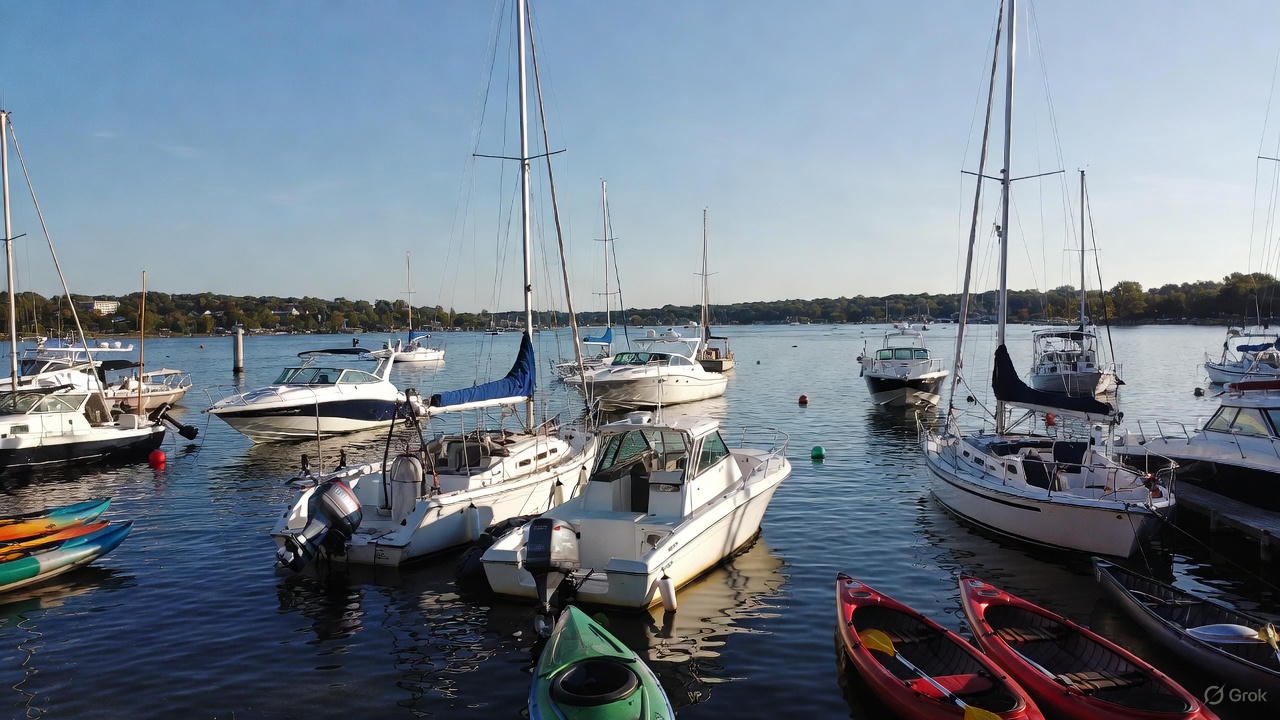
Boat insurance plays a foundational role in protecting Ohio boat owners from financial loss. While the state does not mandate insurance for privately operated watercraft, nearly all marinas, lenders, and winter storage facilities require proof of coverage before allowing a vessel to be docked, financed, or stored. Even for owners not subject to such requirements, the potential liability associated with boating—particularly in crowded waterways—makes insurance functionally indispensable. Ohio’s boating environment includes diverse conditions, from the expansive and occasionally dangerous waters of Lake Erie to inland reservoirs and river systems that frequently experience rapid weather shifts. These conditions create a risk environment comparable to coastal states, despite Ohio being inland.
2. Understanding What Boat Insurance Actually Covers
Watercraft insurance typically includes protection for physical damage to the boat, liability coverage for injuries or property damage caused to others, medical coverage for occupants, and optional protections for equipment or personal effects. Physical damage coverage insures the vessel against collision, fire, theft, vandalism, and weather-related losses. In Ohio, weather-related damage is more common than many boat owners realize. Severe storms, high winds, and rapidly developing microbursts frequently affect inland lakes and reservoirs, and these conditions contribute to a meaningful portion of claims.
Liability coverage is arguably the most essential component of a watercraft policy. Accidents involving inexperienced operators, congested waterways, alcohol use, or mechanical failures can result in substantial legal and medical costs. Many Ohio boaters are surprised to learn how much liability exposure exists even during short recreational outings, particularly on summer weekends when lakes reach peak traffic. Medical payments coverage further supplements this by providing benefits for injuries sustained on the watercraft, regardless of fault. While often overlooked, uninsured and underinsured boater coverage is also vital, as many Ohio boaters carry no insurance at all. This creates a significant coverage gap for insured vessel owners unless they proactively address it.
3. Key Risk Factors for Ohio Boat Owners
The most frequent and financially consequential risks for Ohio boaters are tied closely to the state’s geography and boating culture. Theft is a growing problem, especially for outboard motors, trailers, and personal watercraft that are easier to steal than larger boats. Weather-related incidents also remain a constant threat. Sudden windstorms on inland lakes frequently push watercraft against docks or shorelines, resulting in structural damage to hulls, rails, and gelcoat surfaces. One of the most common mechanical losses involves lower unit strikes caused by submerged objects, shallow waters, and debris. These incidents can lead to bent propeller shafts, cracked gear cases, and expensive drivetrain repairs. Fuel-related fires, although less frequent, tend to be severe when they occur. Many older boats in Ohio rely on outdated electrical systems, aging fuel lines, or poorly maintained engines, all of which increase fire risk.
4. Cost Structure of Boat Insurance in Ohio
Watercraft insurance in Ohio varies significantly in cost depending on vessel characteristics such as size, value, horsepower, and age. Smaller fishing boats and modest pontoons may carry relatively low premiums, whereas high-powered speedboats, performance craft, and vessels stored near high-risk regions such as Lake Erie tend to cost more. Operator experience, claims history, and the security of the vessel’s mooring or storage location also affect premiums. Boats stored indoors, on lifts, or in secure facilities typically enjoy lower rates due to reduced vulnerability to theft and weather-related losses. Trailers also play a role in cost evaluation, as they are frequently involved in claims unrelated to the water itself, including collisions, theft, and property damage during transport.
5. Recommended Enhancements and Endorsements
While many standard boat insurance policies provide a strong baseline of protection, Ohio boat owners benefit significantly from a number of optional endorsements that reinforce the structural integrity of the policy. Agreed value settlement is among the most important enhancements. Rather than depreciating the value of the boat at the time of a loss, this endorsement pays the full insured value, which is particularly beneficial for higher-value or well-maintained vessels. Towing and on-water assistance coverage offers substantial value on busy lakes where mechanical failures or electrical issues may leave boaters stranded. Fishing equipment coverage is another practical enhancement, as many Ohio anglers carry several thousand dollars of gear, electronics, and accessories that are not covered under a basic policy.
Trailer roadside assistance is widely recommended, as trailers are involved in more claims than many owners anticipate. For Ohio residents navigating winterization and storage cycles, freeze and ice damage coverage can be an essential protection. Navigational territory restrictions also come into play for owners who wish to operate on Lake Erie or cross into Canadian waters. These endorsements ensure that coverage remains active across diverse boating conditions.
6. Why Many Ohio Boat Owners Benefit from Independent Agencies
Many major carriers impose strict limitations on the types of boats they will insure. Older vessels, high-horsepower craft, and boats kept in certain high-traffic or high-risk areas are often declined by large national insurers. Independent agencies, however, have access to multiple specialized watercraft carriers that offer tailored underwriting guidelines. This flexibility allows independent agents to secure coverage for a wider range of boats and to compare policies for price, coverage strength, and claims reputation. For Ohio consumers, this means more consistent access to appropriate protection and more competitive pricing.
7. Securing a Watercraft Insurance Quote in Ohio
The process of securing boat insurance is relatively straightforward but benefits from a knowledgeable review of the vessel’s characteristics and usage. Key factors include the boat’s value, propulsion type, storage method, intended waterways, and the operator’s experience. Ohio boat owners who store their vessel seasonally, travel across various lakes, or operate in higher-risk regions should consult with an agent capable of evaluating these conditions holistically. A thorough policy review helps ensure that coverage not only meets marina or lender requirements but also provides substantial protection against the financial consequences of collision, weather-related events, theft, and liability exposure.
For assistance, Ohio boat owners may contact Ingram Insurance at (937) 741-5100 or visit www.insuredbyingram.com for comprehensive guidance on selecting appropriate watercraft coverage.