A Homeowners Insurance Guide for Grafton Hill, Dayton
Grafton Hill is one of Dayton’s most architecturally rich and culturally significant neighborhoods — a community defined by its historic homes, tree-lined streets, and proximity to downtown and the Great Miami River. As a proud owner of a historic home on Central Ave, I understand firsthand how unique, rewarding, and occasionally challenging homeownership can be in this neighborhood. From century-old craftsmanship to aging infrastructure, from river-adjacent weather patterns to the nuance of preserving historic charm, Grafton Hill requires homeowners to think carefully about their insurance coverage. This guide is designed to help residents protect their investment with clarity, confidence, and a deep appreciation for what makes this neighborhood truly special.
Meet Grafton Hill: A Historic Gem Just Outside Downtown Dayton
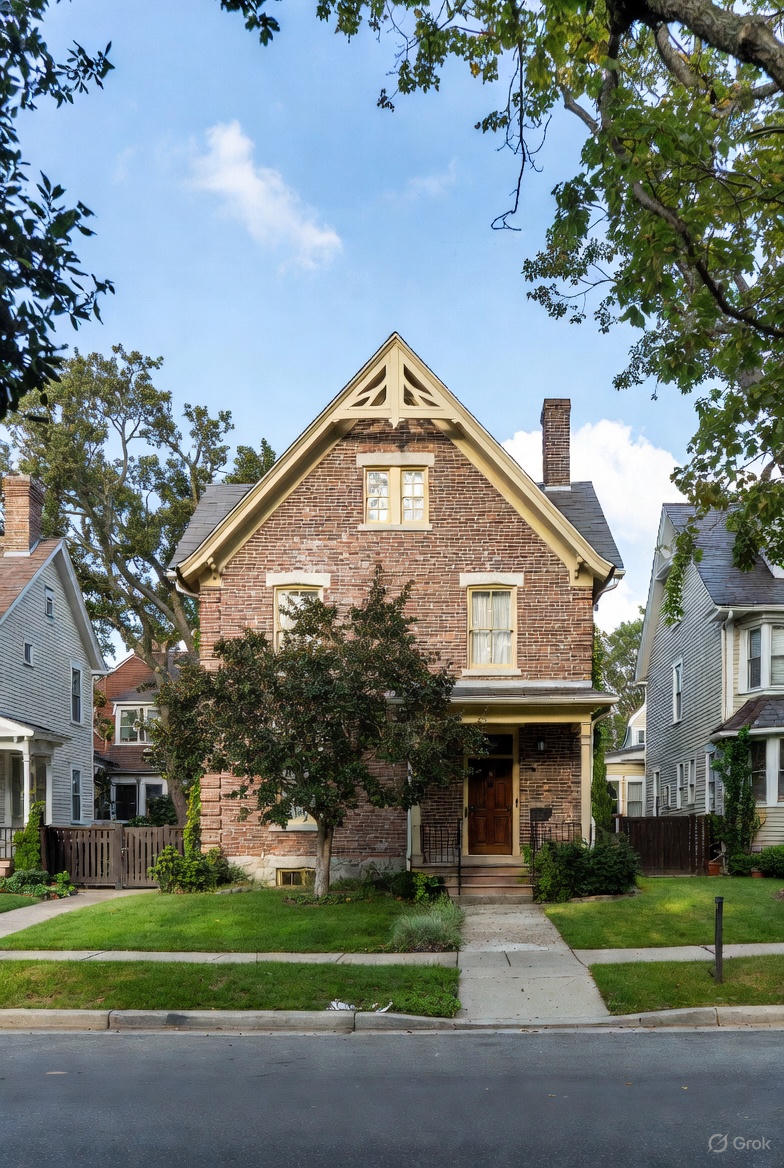
Grafton Hill sits northwest of Downtown Dayton, bounded by the Great Miami River and known for its early 20th-century architecture. The neighborhood features a remarkable blend of American Foursquares, Arts & Crafts bungalows, Colonial Revivals, and grand Victorian homes. Many properties in Grafton Hill were built between the 1890s and 1930s, giving the area its distinct historic character and tremendous curb appeal.
This architectural heritage also introduces insurance considerations uncommon in newer subdivisions. Original slate roofs, aging electrical systems, historic masonry, and large porches are beautiful — but they require thoughtful underwriting. Homes here often have higher replacement costs than market value because restoring historic materials isn’t cheap, and repairs must often be done to the original standard or in alignment with historic district guidelines.
For more context on how older construction affects homeowners insurance, see the most common home insurance mistakes Ohio homeowners make.
How Grafton Hill’s Construction Impacts Insurance Needs
Homes in Grafton Hill tend to share several construction traits that directly influence insurance coverage:
- Original Plaster Walls: Beautiful but expensive to repair compared to modern drywall.
- Historic Woodwork: Custom baseboards, trim, and staircases require specialized contractors.
- Older Electrical Systems: Knob-and-tube wiring or outdated panels may raise underwriting flags.
- Slate or Tile Roofing: Durable but extremely costly to replace after storms.
- Stone Foundations: Can be vulnerable to seepage, settling, and freeze–thaw cycles.
- Large Porches & Columns: High exposure to wind, weather, and wear.
Because of these factors, it’s important for Grafton Hill homeowners to insure for the replacement cost of the structure — not just the market value. Market values may fluctuate, but the cost to replicate historic craftsmanship remains consistently high.
For more on replacement cost versus market value, you might explore what Ohio homeowners should understand about home insurance.
Weather Patterns, Trees, and River Proximity
Grafton Hill’s location near the river creates unique micro-risks. While not all homes fall within FEMA flood zones, the neighborhood is close enough to the water that homeowners should thoroughly check the specific parcel’s flood designation.
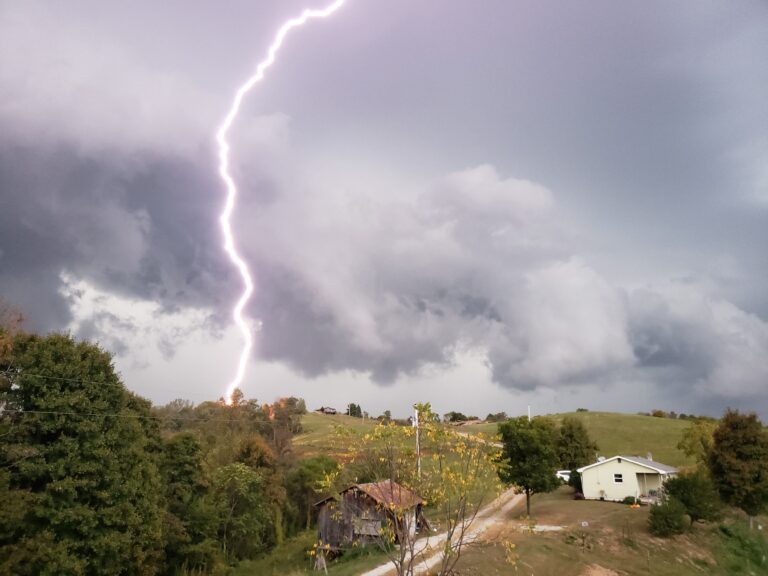
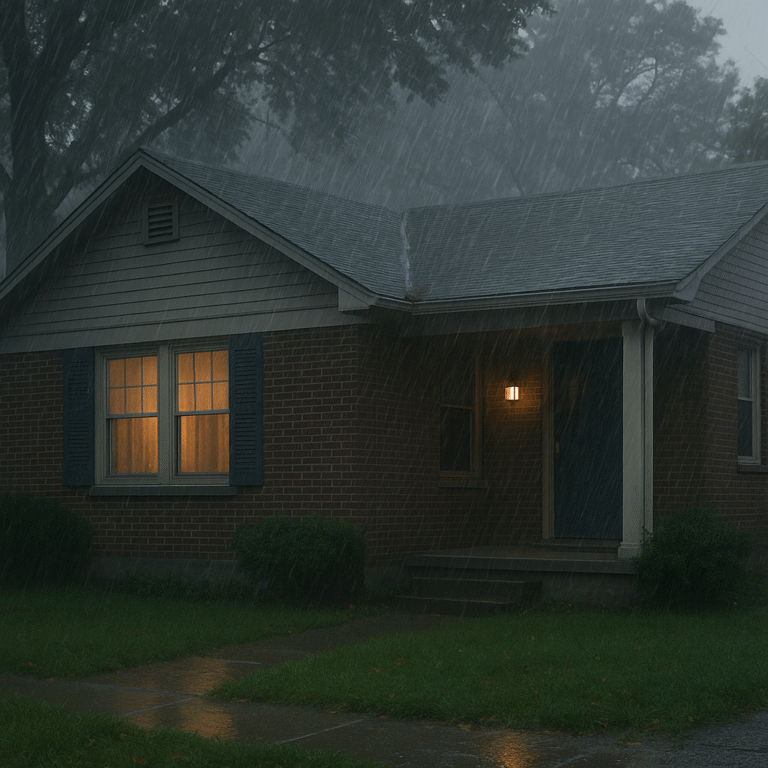
Tree density is another factor. Many streets are lined with mature hardwoods — gorgeous, but capable of causing substantial damage in windstorms. A typical storm claim in Grafton Hill involves:
- Tree limbs damaging slate roofs
- Water intrusion around chimneys or flashing
- Wind-driven rain affecting porches or attic vents
- Damage to historic windows
If you want more details on storm-related risks, our guide on storm damage insurance for Dayton homeowners is a great resource.
Essential Insurance Coverages Grafton Hill Homeowners Cannot Afford to Overlook
Historic homes present a sophisticated risk profile that differs meaningfully from that of modern construction. Grafton Hill’s early-20th-century housing stock contains materials, craftsmanship, and architectural elements that are not easily replicated, and insurers evaluate these factors accordingly. The following coverages are not simply recommended—they form the backbone of a well-constructed homeowners insurance strategy for properties with historic or heritage characteristics. Each coverage addresses a specific class of loss that disproportionately affects homes in Grafton Hill and similar Dayton historic districts.
1. Replacement Cost Coverage (Not Actual Cash Value)
Replacement Cost Coverage is the foundational component of insuring a historic home. Unlike Actual Cash Value (ACV), which deducts for depreciation, Replacement Cost Coverage ensures that the insurer pays the full cost required to rebuild or restore damaged portions of the home with materials of like kind and quality. This is especially critical in Grafton Hill, where many homes feature:
- Hand-laid brick and stone masonry
- Original plaster walls rather than drywall
- Custom woodworking, millwork, and trim profiles
- Slate and clay tile roofs far more costly than modern asphalt
- Decorative elements such as stained glass, solid wood doors, and built-in cabinetry
These components cannot be replaced affordably with off-the-shelf materials, and depreciation would result in dramatic coverage gaps. Replacement Cost Coverage ensures homeowners are not forced into inferior materials or partial repairs following a loss—an outcome that would compromise both the home’s structural integrity and historical authenticity.
2. Ordinance or Law Coverage (Building Code & Historic Compliance)
Ordinance or Law Coverage is one of the most overlooked yet indispensable components of insuring a historic structure. When a covered loss occurs, homeowners are legally obligated to rebuild according to current building codes, zoning requirements, and—in some cases—historic district guidelines. These requirements can significantly exceed the scope of the original construction. Examples include:
- Mandatory upgrades to electrical, plumbing, or HVAC systems
- Full replacement of undamaged components to meet modern standards
- Structural reinforcement requirements for foundations or framing
- Energy-efficiency mandates affecting windows, insulation, or mechanical systems
- Historic board approvals for exterior modifications or replacements
Without Ordinance or Law Coverage, these additional costs fall entirely to the homeowner. In neighborhoods with high architectural integrity like Grafton Hill, the cost to comply with code during reconstruction can be substantial. This coverage ensures losses do not become financially catastrophic when regulatory requirements exceed what the original policy contemplated.
3. Water Backup and Sump Pump Discharge Coverage
Water intrusion is one of the most common and financially significant risks for older Dayton homes, and Grafton Hill is no exception. The combination of stone foundations, aging sewer infrastructure, large mature trees, and proximity to older stormwater systems makes basement water events far more likely than in newer neighborhoods. Water Backup Coverage addresses losses resulting from:
- Sewer line blockages and overflows
- Sump pump failure or mechanical malfunction
- Stormwater intrusion through drains and floor systems
- Tree root infiltration into sewer laterals
It is important to note that standard homeowners policies explicitly exclude most types of water backup events unless this endorsement is purchased. Given the age and configuration of properties in Grafton Hill, Water Backup Coverage is not an optional add-on—it is a core component of responsible risk management.
For a deeper exploration of this coverage, see our guide: Sewer, Drain, and Water Backup Coverage for Dayton Homeowners.
4. Increased Coverage Limits for Historic Woodwork, Finishes, and Architectural Features
Historic interiors often contain materials and craftsmanship that would be prohibitively expensive to duplicate using modern labor and supply chains. These include:
- Quarter-sawn oak floors and staircases
- Hand-carved columns, mantels, and balustrades
- Custom millwork and molding profiles unavailable in retail stores
- Original pocket doors, French doors, and built-ins
- Specialty hardware, lighting fixtures, and artisanal finishes
Standard policy limits for interior finishes were designed for mass-produced materials, not artisan work. Without increased limits, homeowners can quickly exceed coverage thresholds during restoration, particularly after fire or water losses. Elevated limits ensure that the historical integrity and aesthetic value of the home can be preserved without compromise.
5. Matching Endorsements for Roofing, Siding, and Exterior Components
Matching endorsements are critical in historic neighborhoods where exterior appearance is a regulated and culturally sensitive matter. Many Grafton Hill homes feature:
- Slate roofs with color-matched tile patterns
- Historic brick blends that cannot be replicated easily
- Stone facades with unique quarry material
- Decorative cornices, soffits, and porch columns
Without a matching endorsement, insurers may only replace the damaged portion of a roof or façade—even if this results in visual inconsistency that diminishes curb appeal and violates historic standards.
A matching endorsement compels the carrier to replace all contiguous sections necessary to achieve a uniform appearance, thereby protecting property value, architectural consistency, and compliance with historic district expectations.
Together, these coverages form a comprehensive insurance framework tailored to the unique demands of owning and preserving a historic home in Grafton Hill. They ensure that when losses occur—as they inevitably do with century-old properties—the restoration honors the home’s original character and maintains the architectural integrity that defines this remarkable neighborhood.
Real-World Insurance Scenarios From Grafton Hill
Scenario 1: Storm Damage to a Slate Roof
A windstorm sent heavy branches crashing into a slate roof on Grafton Ave. Because the homeowner had replacement cost and matching coverage, the entire affected slope was replaced, not just a few tiles.
Scenario 2: Water Backup in a Stone-Foundation Basement
After a summer storm, a drain backup caused water intrusion. The homeowner’s water-backup endorsement covered cleanup, mitigation, and repairs.
Scenario 3: Porch Column Failure on a 1910 Colonial
Moisture damage weakened a structural column. Ordinance & Law coverage kicked in when the city required full replacement to modern code.
How Grafton Hill Compares to Nearby Neighborhoods
Grafton Hill shares some similarities with McPherson Town and the Oregon District — especially their mix of historic homes — but Grafton’s larger lots, taller hardwood canopy, and river proximity give it its own risk profile.
When to Review Your Homeowners Insurance in Grafton Hill
Homeowners should review their policy:
- After major renovations
- When adding or restoring historic features
- After replacing roofs, electrical panels, or HVAC systems
- Every time market labor or material costs increase significantly
Prefer to Work With an Agent in Spanish?
If you or your tenants feel more comfortable discussing insurance in Spanish, we are proud to offer full support through our Spanish-language site. Clear communication is essential when protecting your home or rental investment, and we want every Dayton resident to have access to accurate, trustworthy guidance — in the language they prefer.
You can visit our Spanish-language site anytime at es.insuredbyingram.com to connect with an agent who can assist you fully in Spanish.
Our Commitment to Dayton’s Historic Legacy
At Ingram Insurance, our connection to Dayton goes far beyond business — it’s personal. As the owner of a historic home on Central Ave in Grafton Hill, I understand the craftsmanship, pride, and responsibility that come with preserving these incredible properties. Dayton’s historic neighborhoods are some of the city’s greatest assets, and homeowners play a major role in stewarding that legacy for the next generation.
That’s why Ingram Insurance is a proud business member of Preservation Dayton, Inc. — an organization dedicated to protecting and revitalizing Dayton’s historic districts, architecture, and cultural identity. Preservation Dayton has been instrumental in advocating for neighborhood revitalization, historic design standards, community education, and the long-term sustainability of Dayton’s architectural heritage.
As members, we believe deeply in their mission and proudly support their work. Their efforts help ensure that neighborhoods like Grafton Hill, McPherson Town, Dayton View, and South Park continue to thrive, attract new homeowners, and maintain the irreplaceable beauty that makes Dayton so special.
Our commitment to preservation directly shapes how we serve Dayton residents. We strive to produce the most detailed, accurate, and helpful insurance content available anywhere in Ohio — because historic homes require care, context, and true local understanding. Whether you’re restoring original woodwork, renovating a pre-war roofline, or protecting a 100-year-old foundation, we want every Dayton homeowner to feel supported, informed, and confident.
Dayton is a city of resilience, craftsmanship, and deep historic pride. We are honored to stand alongside the homeowners, preservationists, and neighborhood leaders who work every day to protect the character of our city. And we are proud to help ensure that the homes and history of Dayton continue to stand strong for generations to come.
For personalized coverage guidance or a review of your current policy, you’re always welcome to reach out to us at (937) 741-5100, email contact@insuredbyingram.com, or visit Ingram Insurance online.