
Insurance for Oakwood Rental Properties: A Examination of Oakwood’s Single-Family Rentals and Four-Unit Buildings
Rental properties in Oakwood, Ohio are a different animal than rentals in most of the Dayton region. The city’s compact footprint, high incomes, historic building stock, and strict standards mean that very few properties ever become rentals at all—especially on the single-family side. When a property is used as a rental, it is usually either a rare, high-end single-family home or a classic four-unit building that has been in the same family for generations. This white paper is written for the small but important group of people who own (or are considering buying) Oakwood rentals: physicians, attorneys, executives, and long-tenured families who need their insurance program to match the reality of Oakwood risk, Oakwood rents, and Oakwood-level replacement costs.
Insurance for Oakwood Rental Properties
If you have read “The Heart of Oakwood” or our analysis of Oakwood homeowners insurance and high replacement costs, you already know that Oakwood is not a typical suburb. Nearly everything about property ownership here—purchase prices, renovation standards, code enforcement, and tenant expectations—requires a more serious and technical approach than in most surrounding markets. Rental insurance is no exception.
Why Oakwood Rental Properties Are Fundamentally Different
Rental property risk in Oakwood is shaped by a combination of factors that rarely exist together elsewhere in the Dayton region:
- Limited supply of rentals: Most Oakwood homes are owner-occupied. Single-family rentals are genuinely rare and four-unit buildings are finite in number.
- High acquisition and carrying costs: Purchase prices, taxes, and renovation standards are all higher than in nearby neighborhoods, which means many Oakwood rentals do not “cash flow” in the traditional investor sense unless they have been held for decades.
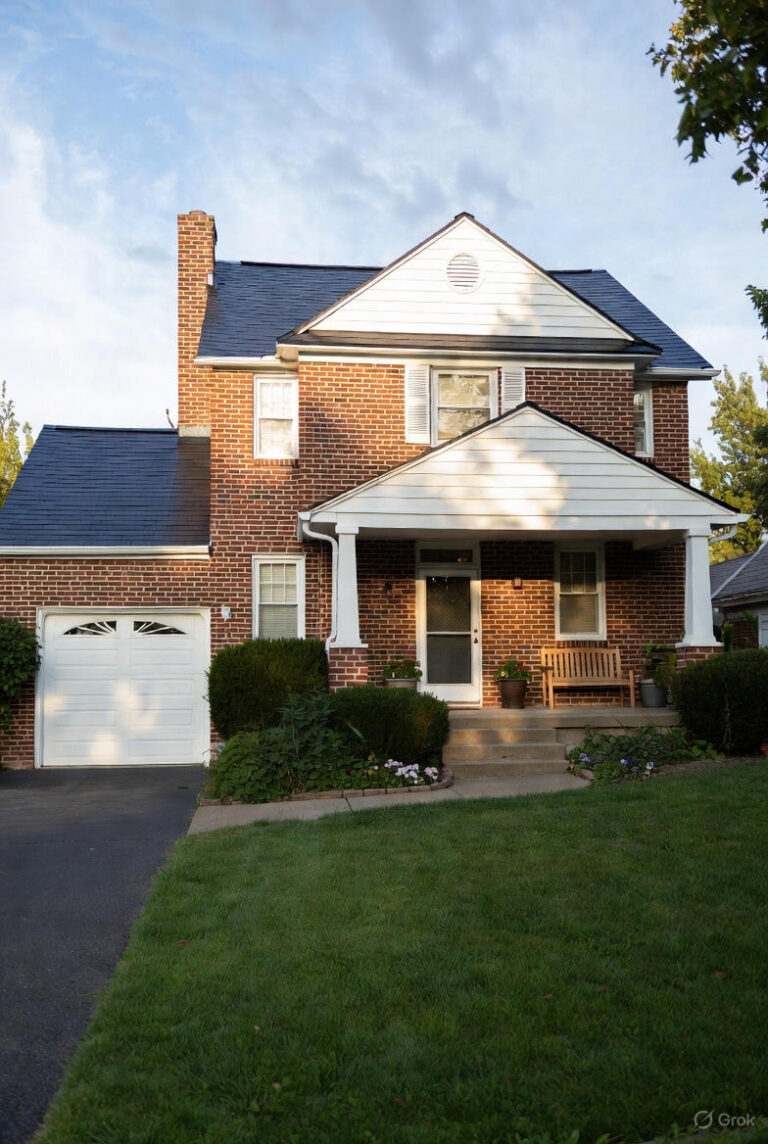
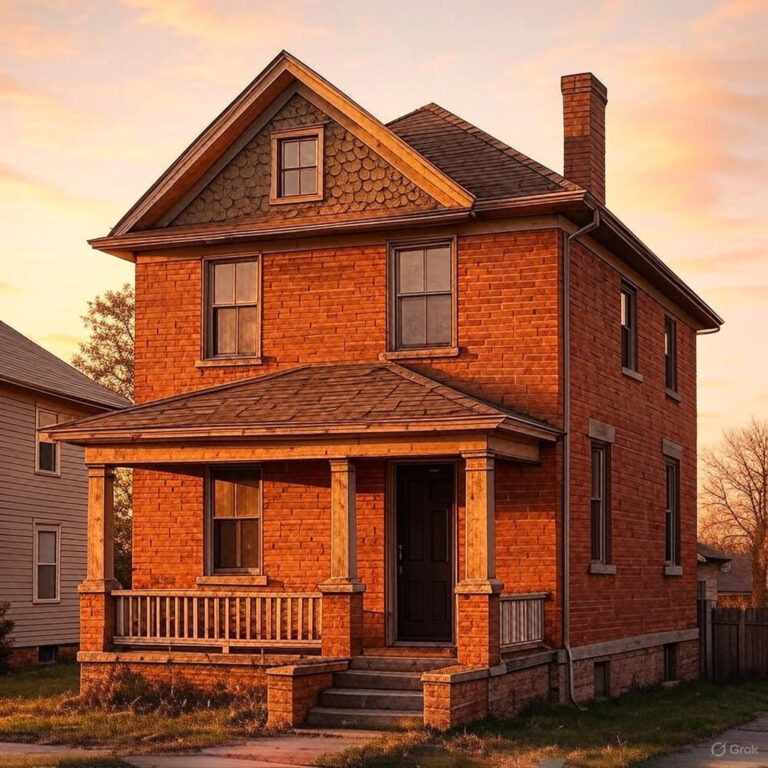
- Older, high-value structures: Many Oakwood four-units and single-family rentals were built between 1910 and 1950, with masonry exteriors, slate roofs, and complex systems that are expensive to repair.
- Strict municipal expectations: Oakwood is known for strong enforcement of property maintenance, zoning, and safety standards—especially in multi-unit residential structures.
- Tenant profile: Renters are often physicians, attorneys, medical residents, academics, or well-positioned professionals who have high expectations for habitability and service—and who also have high incomes, which shapes liability and legal exposure.
All of this has a simple implication: Oakwood rental insurance is not just about satisfying a lender or checking a box. It is a core part of preserving both the asset and the owner’s broader balance sheet. A poorly structured policy can undermine decades of equity and family planning.
The Two Primary Types of Oakwood Rentals
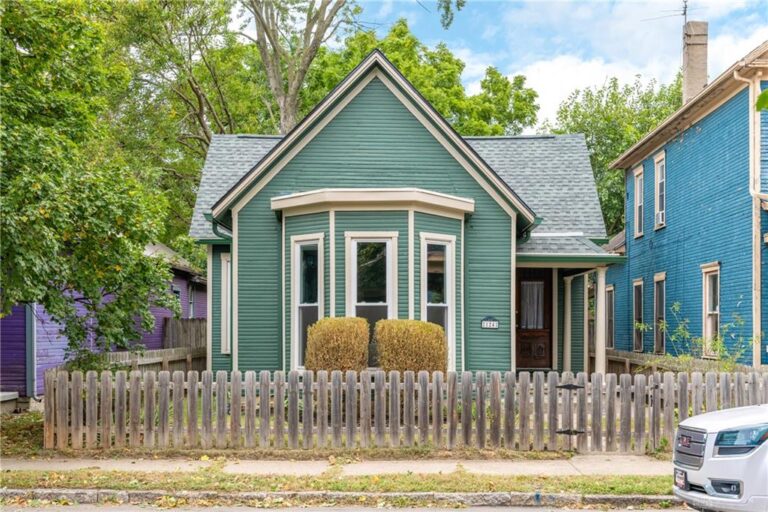
1. Single-Family Rentals (Rare, High-Stakes Properties)
Single-family rentals in Oakwood are scarce. When they do exist, they typically fall into one of three categories:
- A high-end home temporarily rented due to a job change, relocation, or timing issue.
- A long-held family property where renting is a way to keep the house in the family’s orbit without selling.
- A deliberate choice by a high-income buyer to hold a property as a long-term, appreciation-first investment, often with modest or negative cash flow in the early years.
These homes are often indistinguishable from owner-occupied Oakwood houses: similar square footage, similar high-quality finishes, similar tree exposure, and similar replacement cost. The difference is the presence of tenants and the additional liability, wear-and-tear, and loss-of-rents exposure that come with them.
Key insurance characteristics of Oakwood single-family rentals include:
- High replacement cost relative to rent: The dwelling limit must reflect Oakwood-level reconstruction costs, even if rents do not fully support that valuation on a cash-flow basis.
- Higher expectations of habitability and speed of repair: Professional tenants are often less tolerant of deferred maintenance or slow claim resolution.
- Greater liability exposure: Families, guests, pets, and home-based activities all add to premises risk.
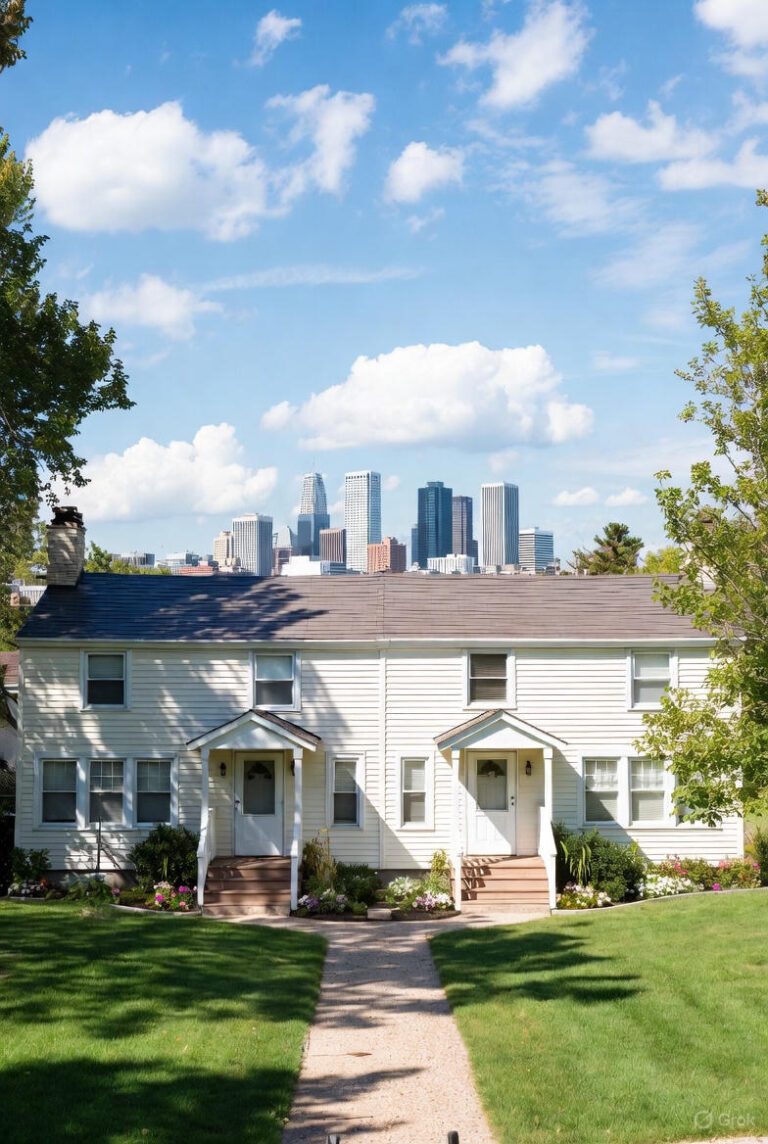
2. Four-Unit Apartment Buildings (Oakwood’s Most Common Rental Type)
By contrast, four-unit buildings are the backbone of Oakwood’s rental stock. Many of these:
- Were purpose-built in the early or mid-20th century and have retained their four-unit configuration for decades.
- Remain in the hands of the same family that built them, or have been owned by one or two families over a long period.
- Operate with thin or negative cash flow at current purchase prices unless the property has no debt or very low leverage.
- Provide desirable housing for professionals and long-term tenants who value location, schools, and character more than ultra-modern finishes.
From an insurance standpoint, a classic Oakwood four-unit is a hybrid between a small apartment building and a high-value historic residence. It typically includes:
- Shared mechanical systems (boilers, furnaces, or central HVAC) serving all units.
- Vertical plumbing stacks (often galvanized or cast iron) that serve multiple units and can fail catastrophically.
- Common halls, stairwells, and entries, which concentrate liability risk.
- Basements with shared laundry, storage, or mechanical rooms—prime locations for water and fire losses.
These buildings are rarely impulse investments. They are either legacy family assets or deliberate purchases by physicians, attorneys, or executives who understand that what they are buying is part long-term wealth preservation, part appreciation, and only part current income. Insurance must be built with that reality in mind.
Oakwood-Specific Underwriting Issues for Rental Properties
Several technical factors shape how Oakwood rental properties should be evaluated and insured, particularly in four-unit structures.
Age and Type of Plumbing Stacks
Many Oakwood four-units still rely on original or mid-century plumbing stacks made from galvanized steel or cast iron. Over time, these materials can corrode, constrict, and fail. When a main stack serving multiple units fails, it is not just a maintenance issue; it can become a multi-unit water damage event that affects ceilings, walls, flooring, and tenant property.
For insurance, this raises questions about:
- The likelihood of repeated small water claims from leaks.
- Large-loss scenarios where multiple units are simultaneously affected.
- Whether water losses are treated as sudden-and-accidental (covered) or as long-term seepage or wear-and-tear (typically excluded).
Old Sewer Laterals and Municipal Interaction
Clay tile sewer laterals, root intrusion, and shifting joints are common in Oakwood’s older infrastructure. A backup originating in the city’s line can push into private basements, and the dividing line of responsibility can be complex. For landlords, this makes Water Backup coverage and a working knowledge of lateral condition critical, especially in four-unit buildings where a single backup can impact multiple tenants.
Fire Separation and Common Areas
In multi-unit buildings, the adequacy of fire separation between units, stairwells, and mechanical rooms is not just a code issue—it directly influences both loss severity and liability. Upgrades to fire doors, stair enclosures, and separation walls may be required after a claim, which is one reason Ordinance or Law coverage is so important for four-unit Oakwood rentals.
Roof Age and Material
Roofs on Oakwood rental buildings—especially older four-units—may be slate, composite, or multiple layers of asphalt over older materials. Roof condition affects premiums, eligibility, and claims outcomes. Owners should assume that carriers will scrutinize both the age and type of roof, particularly when other building systems are older.
Parking, Snow, and Ice
Parking lots, shared driveways, and rear parking pads introduce concentrated slip-and-fall exposure. In Winter, snow and ice management becomes both a tenant-relations issue and a liability control issue. The more units sharing a space, the higher the frequency risk.
Tenant Profile
Oakwood’s typical tenant is not the same as the median regional tenant. Four-unit buildings here may house medical residents, young professionals, or long-term local families. Some buildings may also attract University of Dayton students or employees. Each tenant profile carries a different pattern of wear, after-hours activity, and liability exposure. Insurers may factor this into their underwriting appetite, especially if there is a heavy student presence.
Choosing the Proper Policy Form: Why DP3 Is Often Just the Starting Point
Most smaller rental properties in Ohio are insured using a “dwelling fire” form, with DP3 (Dwelling Property 3 – Special Form) offering the broadest coverage among the standard options. In Oakwood, particularly with four-unit buildings, DP3 is often necessary but not sufficient.
- For single-family rentals: A DP3 policy with replacement cost on the dwelling, appropriate Water Backup, and Loss of Rents is often the starting point, assuming the property is titled and used in a way compatible with personal-lines underwriting.
- For four-unit buildings: Some carriers may allow a DP3 format, but many will treat these as small commercial properties and require a commercial package policy instead—particularly if the building is held in an LLC or if there are multiple properties in the portfolio.
Commercial package policies can offer advantages for four-units, such as:
- More flexible treatment of common areas and signage.
- Options for equipment breakdown coverage on shared systems (boilers, central HVAC).
- Better alignment of premises liability with the actual number of units and common area exposures.
The key takeaway: in Oakwood, the “right form” is not just about getting the lowest premium. It is about aligning the policy type with how the property is owned, used, and regulated.
Coverage Details Every Oakwood Landlord Should Have
1. Replacement Cost on the Structure (Not Actual Cash Value)
Given Oakwood’s construction quality and age, insuring rental buildings at Actual Cash Value (ACV) is almost always a mistake. ACV deductions for depreciation on an 80–100-year-old building can be enormous. For investors who are already accepting thin or negative cash flow, absorbing a six-figure gap between a depreciated claim payment and real-world repair costs can be destabilizing.
Replacement cost coverage should be paired with a realistic valuation of the building—based on reconstruction cost, not just purchase price or tax value—and, where feasible, an extended or guaranteed replacement provision similar to what we recommend for owner-occupied Oakwood homes.
2. Loss of Rents at Realistic Oakwood Rent Levels
In Oakwood, rent is not incidental; it is the mechanism that makes ownership sustainable. When a four-unit building or single-family rental experiences a covered loss that displaces tenants, the landlord can lose months of rental income while repairs are completed. In a high-cost city like Oakwood, that rental stream is a significant part of the owner’s financial plan.
This is where Loss of Rents coverage becomes essential. Properly structured, it should:
- Reflect current, realistic Oakwood-level market rents—not the rents from years ago.
- Provide adequate duration for a major reconstruction (12 months is a common baseline; 18 or 24 months may be worth considering for complex multi-unit losses).
- Coordinate with your lender’s expectations and your broader cash-flow planning.
For long-held family four-units, where there is often little or no mortgage, Loss of Rents coverage is still critical: it preserves the income stream that many families rely upon or intend to rely upon later in retirement.
3. Water Backup and Basement Protection
Between older basements, aging sewer laterals, and shared mechanical spaces, multi-unit Oakwood buildings are especially vulnerable to water events. As detailed in our articles on Oakwood basements and sewer backup coverage in Dayton and Centerville, landlords should not assume “water is water” in their policy language.
For Oakwood rentals, Water Backup coverage should be:
- Included, not optional.
- Set at a limit that realistically covers extraction, drying, structural repairs, and replacement of landlord-owned contents in basements or lower levels.
- Evaluated alongside tenant lease requirements and renter’s insurance expectations, so tenants’ personal property exposure is clearly addressed.
4. Ordinance & Law for Multi-Unit Structures
Multi-unit buildings are more likely than single-family homes to trigger significant code upgrades during reconstruction—especially in stairwells, common halls, and mechanical rooms. Fire-stopping, separation, railings, emergency lighting, and accessibility standards can all become relevant.
For four-unit buildings in Oakwood, Ordinance or Law coverage at the higher end of recommended limits (often 25–50% of the building limit) is particularly important. It is the coverage that pays when an inspector says, “You cannot just put this back as it was; you must bring this up to current standard.” Without it, the cost difference falls directly on the owner.
5. Liability Coverage at Meaningful Limits
In a multi-tenant setting, premises liability is not hypothetical. Landlords face risk from:
- Falls on steps, sidewalks, parking areas, and common halls.
- Claims related to lighting, security, and maintenance of common spaces.
- Alleged defects in handrails, stair geometry, or surfaces.
In a city where the rental stock is often occupied by high-income tenants—and where property values are high—it is reasonable to treat $1,000,000 in landlord liability as a floor, not a ceiling. For many owners, including physicians and attorneys, a separate umbrella liability policy (discussed below) is appropriate.
6. Umbrella Liability Protection Over Home and Rental Risks
As we explain in “Do Oakwood Homeowners Need Umbrella Insurance?”, an umbrella policy provides an additional layer of liability protection above home, auto, and sometimes landlord policies. For Oakwood rental owners, umbrella coverage does two things:
- Protects personal assets and future earnings from large liability claims arising from the rental property.
- Creates a unified, higher limit that sits over both personal and rental exposures, which is especially important when someone holds both an Oakwood primary residence and one or more rental properties.
Typical umbrella limits range from $1 million to $5 million or more. For high-income professionals with significant equity and retirement assets, choosing a limit should be part of a broader financial-planning conversation, not just an insurance price exercise.
7. Equipment Breakdown for Shared Systems
In four-unit buildings with central boilers, shared HVAC, or building-wide electrical systems, equipment breakdown coverage can provide an important safety net for sudden and accidental mechanical failures. While it does not replace routine maintenance, it can help cover the cost of replacing covered equipment when a covered breakdown occurs, as well as related damage.
8. Landlord’s Furnishings and Appliances
Many Oakwood rentals include landlord-provided appliances or partially furnished units. In four-unit buildings, this may also include furniture or fixtures in common halls or laundry rooms. The policy should explicitly address:
- Landlord-owned appliances in units (refrigerators, stoves, dishwashers, laundry machines).
- Furnishings or décor in common areas that contribute to the building’s character and tenant experience.
These can typically be insured under a combination of building coverage and landlord personal property coverage, depending on the item and policy structure.
Special Considerations for Four-Unit Buildings
While much of the above applies to both single-family rentals and four-unit buildings, there are several issues that are particularly acute for four-units in Oakwood:
- Higher frequency of water losses: One failing stack or line can affect multiple units simultaneously.
- Hallway and stairwell liability: The same set of steps is used by every tenant and visitor, increasing the exposure per day.
- Roof and attic access: Multi-unit roof issues can affect multiple tenants and may be harder to address quickly, especially in winter.
- Parking and snow removal: Shared surfaces require clear standards for plowing, salting, and maintenance.
- Fire spread potential: Multi-unit structures have more potential ignition points and more complex evacuation patterns.
For these reasons, four-unit buildings in Oakwood often benefit from a commercial-style risk management mindset, even when they are technically small enough to fit within certain personal-lines frameworks.
Tenant Screening, Leases, and Liability Transfer
Insurance is only one part of an Oakwood landlord’s risk strategy. The other major pillar is how tenants are screened and how leases are structured.
- Tenant profile: Oakwood landlords should be deliberate about whether they are targeting long-term professionals, medical residents, families, or student renters, and recognize that each group behaves differently in terms of property usage and wear.
- Renter’s insurance requirements: Many Oakwood landlords require tenants to carry renters insurance with specified liability limits and to list the landlord as an interested party. This does not replace landlord coverage but can help reduce disputes and subrogation issues.
- Lease language: Well-drafted leases can clarify responsibility for minor maintenance, outline expectations for use of common areas, and address issues such as candles, smoking, and water usage that have direct insurance implications.
Because many Oakwood landlords are themselves attorneys or other professionals, there is an opportunity to align legal drafting with insurance planning so that the lease and the policy support each other rather than leaving gaps.
Work With an Agency That Understands Oakwood Rentals
Oakwood’s rental properties—particularly its scarce single-family rentals and classic four-unit buildings—are not generic real estate holdings. They are high-value, often multi-generational assets in a city with strong expectations, complex building stock, and tenants who notice when something is not right.
An effective insurance program for an Oakwood landlord must account for:
- Micro-geography (east vs. west of Far Hills, slopes, basements, and drainage).
- Building age, materials, and renovation history.
- Tenant profile and lease structure.
- Interaction between dwelling limits, Loss of Rents, water coverage, Ordinance or Law, and umbrella coverage.
As an independent agency, Ingram Insurance works with Oakwood homeowners and landlords to design insurance strategies that recognize the city’s realities—not just generic underwriting checklists. Whether your Oakwood rental is a rare single-family property, a treasured four-unit building that has been in the family for decades, or a new acquisition in a difficult market, we can help you evaluate coverage options through the lens of long-term wealth protection.
Ingram Insurance
About Our Agency
(937) 741-5100
contact@insuredbyingram.com
www.insuredbyingram.com