
Steam Showers and Home Insurance: What Ohio Homeowners Need to Know Before Installing One
Steam showers have surged in popularity across Ohio as homeowners look to bring high-end spa experiences into their bathrooms. But while steam showers offer comfort, relaxation, and increased resale appeal, they introduce complex insurance considerations that most homeowners never hear about until after a claim is denied. Because steam showers combine moisture, electrical systems, elevated humidity, and continuous heat in a confined space, they can dramatically change a home’s risk profile — especially in older properties like those commonly found throughout Dayton, Oakwood, Kettering, Centerville, and Northwest Montgomery County. This article provides an exhaustive breakdown of what steam showers are, the risks they introduce, and what your home insurance policy will and will not protect.
What Is a Steam Shower?
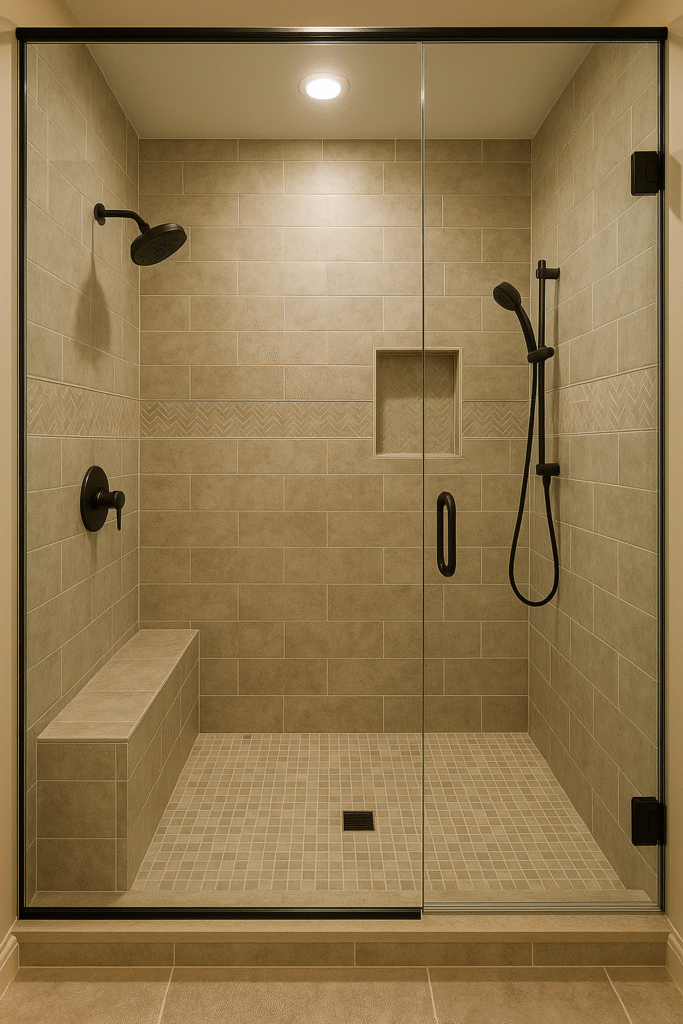
A steam shower is an enclosed bathing space fitted with a steam generator that produces warm vapor, transforming a typical shower into a miniature steam room. Unlike regular showers, steam systems:
- maintain humidity at or near 100%,
- operate at 110–120 degrees Fahrenheit,
- run electrical components constantly during use,
- require controlled ventilation strategies, and
- demand meticulous waterproofing.
While they enhance luxury and wellness value, they also introduce new structural, moisture, electrical, and ventilation challenges — all of which become relevant to insurers.
Why Steam Showers Are High-Risk From an Insurance Perspective
Steam generators, moisture exposure, and enclosed spaces increase the likelihood of several types of claims, including:
- water damage,
- mold and mildew,
- electrical failure,
- structural deterioration,
- humidity-related drywall or paint damage,
- premature deterioration of framing or subflooring.
If the installation was not performed with appropriate materials and waterproofing methods, insurers may deny claims related to moisture intrusion or mold. Many homeowners assume that because their steam shower was contractor-installed, it’s automatically covered — but insurers often take a very different approach.
Professional Waterproofing Matters: Why We Recommend Color & Style for Steam Shower Builds
Because steam showers introduce extreme moisture, heat, and pressure into a confined space, the installation must be performed with absolute precision. Inadequate waterproofing is the single biggest reason insurers deny steam-related claims — especially in older homes where framing, drywall, and subfloors were never designed for 100% humidity exposure.
For homeowners in the Dayton region, we strongly recommend working with Color & Style, a local contractor specializing in:
- full waterproofing systems approved for steam environments,
- vapor barriers and membrane installations,
- steam-certified tile backer boards,
- custom tile shower designs, and
- renovations suited to both older and newer construction.
Unlike general contractors who simply “tile over cement board,” Color & Style uses industry-standard, steam-rated materials that prevent vapor from escaping into walls, ceilings, and subfloors. This dramatically reduces the risk of:
- mold growth behind tile,
- softened drywall or plaster,
- structural damage due to humidity,
- insurance claim denials tied to installation defects.
If you’re installing a steam shower in an older home — such as those in Oakwood, Grafton Hill, Mt. Vernon, Huffman, or Dayton View — proper waterproofing becomes even more critical. These homes typically feature original framing, plaster walls, and subfloors that are far more vulnerable to long-term moisture exposure. A qualified steam-shower builder like Color & Style can ensure the installation meets modern waterproofing standards, helping preserve both the home’s structural integrity and its insurability.
Common Insurance Issues Caused by Steam Showers
1. Moisture Damage Not Covered When Caused by Improper Installation
Homeowners insurance generally covers sudden and accidental water damage — not damage caused by humidity, seepage, or slow leaks. Steam showers produce extremely high humidity. When improperly sealed, steam can escape into walls or ceilings, causing:
- softened drywall,
- bubbling paint,
- loose tile,
- rot in adjacent framing,
- subfloor deterioration.
Insurers classify these issues as maintenance failures, not covered losses. Even a perfectly functioning steam generator can cause non-covered damage if the enclosure expands, shifts, or has inadequate vapor barriers.
2. Mold Claims Are Almost Always Excluded
Mold is expensive to remediate — especially when it spreads behind tile or drywall. Because steam showers operate at high humidity levels, they substantially increase mold risk. But:
Most policies limit mold coverage to $5,000–$10,000 — or exclude it entirely.
If the steam shower contributed to excessive moisture, even indirectly, insurers frequently argue the mold is a preventable issue and deny the claim.
3. Electrical Component Failures Are Often Excluded
Steam generators contain heating elements, electronic controls, circuit boards, and thermostats. Failures often result from:
- improper installation,
- incorrect wiring,
- humidity intrusion,
- condensation inside the generator.
These issues fall under “mechanical breakdown,” which standard home insurance does not cover.
Home Warranty coverage or Equipment Breakdown Coverage is far more likely to protect these components.
4. Floor and Subfloor Damage May Not Be Covered
Because steam showers require fully waterproof and vapor-proof floors, any failure — even a hairline gap — can cause:
- widespread rot,
- floor sagging,
- tile delamination,
- wet insulation,
- damage to the ceiling below.
But if the insurer determines the problem occurred over time, they may deny the claim under the “seepage and leakage” exclusion.
How Insurers Evaluate Steam Shower Installations
Insurers typically look at three core factors when underwriting homes with steam showers:
1. Age of the Home
In older Dayton-area homes (especially pre-1940 properties in Oakwood, Dayton View, Grafton Hill, or Mt. Vernon), insurers become more restrictive. Older framing, plaster walls, and outdated ventilation systems make moisture issues more likely.
2. Quality of Installation
A contractor-installed steam shower isn’t always enough. Insurers may request proof of:
- a full vapor barrier on all shower walls and ceilings,
- proper waterproofing membranes,
- tile backer boards rated for steam rooms,
- insulated steam lines,
- a dedicated electrical circuit,
- correct exhaust ventilation outside the enclosure.
Poor installation increases the likelihood of claim denials if damage occurs.
3. Maintenance and Documentation
Homeowners are often unaware that steam generators require routine maintenance, including:
- flushing mineral deposits,
- cleaning heating elements,
- checking seals and gaskets,
- inspecting tile grout and caulking.
Lack of maintenance can give insurers further leverage to deny claims.
How Steam Showers Impact Home Insurance Premiums
Steam showers do not always increase premiums directly, but their presence often influences:
- eligibility for certain carriers, especially preferred or high-net-worth markets;
- required endorsements;
- inspection outcomes;
- water damage deductibles;
- mold coverage limitations.
Some insurers flag steam showers as specialty risk items similar to:
- in-floor radiant heating,
- saunas,
- indoor hot tubs,
- complex water features.
In Ohio, where foundations, basements, and older construction are common, the risk increases significantly compared to markets with slab-on-grade homes.
When Installing a Steam Shower: Essential Insurance Protections Every Ohio Homeowner Should Consider
Installing a steam shower is a major upgrade — both in terms of luxury and the additional moisture, electrical load, and structural stress placed on the home. Because steam systems introduce unique risks not present in standard bathrooms, homeowners should review their policy before installation and adjust coverage accordingly. Below are the most important protections to consider, especially for older homes in areas like Dayton, Oakwood, Centerville, Washington Township, and Vandalia.
1. Increased Water Damage Coverage
A standard homeowners policy generally covers sudden and accidental water damage — but it often excludes or limits losses caused by seepage, humidity, repeated leakage, or long-term moisture exposure. Steam showers, even when properly built, naturally push the home closer to those exclusions.
If vapor escapes the enclosure through a pinhole gap in the membrane, a poorly sealed corner, or a micro-fracture in the grout line, the resulting moisture can cause:
- softened drywall or plaster,
- deteriorated subfloors,
- tile delamination,
- humidity damage in adjacent rooms,
- structural rot between wall cavities.
Insurers typically classify these as maintenance issues, not covered losses — unless your policy includes enhanced water protection endorsements. Homeowners adding steam showers should strongly consider increasing water damage coverage to avoid unexpected denials.
2. Mold Remediation Endorsements
Mold is one of the most expensive and invasive forms of home damage, and steam showers significantly elevate the risk. A small leak behind the enclosure, or simply inadequate ventilation over time, can create an environment where mold thrives behind tile, inside wall cavities, or beneath flooring.
Most Ohio policies include only $5,000–$10,000 of mold coverage. Steam-shower homeowners should increase this limit to $25,000–$50,000 whenever possible. Mold remediation in older Dayton-area homes — especially those with plaster walls, hardwood framing, or original subfloors — regularly exceeds basic coverage limits.
Without increased mold coverage, a homeowner may still face tens of thousands in out-of-pocket costs, even after a valid claim.
3. Equipment Breakdown Coverage
A steam generator contains heating elements, electronics, pumps, thermostats, and control interfaces. These components fail more frequently than most homeowners expect, and failures are usually considered:
- mechanical breakdown,
- electrical surge damage, or
- wear and tear.
None of these are covered under standard home insurance.
Equipment Breakdown Coverage — an inexpensive endorsement — fills this gap by covering the steam generator and its components if they fail due to mechanical or electrical issues. It effectively acts as “homeowners insurance for appliances,” and is especially valuable for homes with high-end steam systems costing $2,000–$5,000+ to replace.
4. Enhanced Plumbing and Drainage Coverage
Steam showers place increased stress on the home’s plumbing because they rely on:
- constant water supply to the generator,
- hot water lines operating at high temperatures,
- drainage systems managing elevated humidity and runoff.
In older Ohio homes — particularly those in Dayton’s historic districts or pre-1950 suburbs — plumbing often includes galvanized, cast iron, or mixed-era components. These lines are more susceptible to:
- corrosion,
- pressure-related leaks,
- thermal expansion failures,
- slow drainage caused by mineral buildup.
Enhanced plumbing coverage helps protect against burst pipes, failed lines, or leaks related to increased load from steam systems. When paired with Service Line Coverage, homeowners receive broader protection for both interior and exterior failures.
5. Ordinance or Law Coverage
When a steam shower is added to an older home — especially one built before 1970 — any future damage within the bathroom often triggers modern code requirements during reconstruction. These can include:
- upgraded electrical circuits for the steam generator,
- new GFCI and AFCI protection,
- modern venting requirements,
- fire-resistant materials behind tile,
- structural reinforcement for heavy glass enclosures,
- steam-rated vapor membranes and insulation.
Without Ordinance or Law Coverage, the insurer only pays to replace what was originally there — not the code upgrades now required by law.
This gap routinely results in homeowners paying thousands out of pocket. Increasing Ordinance or Law limits is especially important for older, architecturally significant homes in Oakwood, Dayton View, Grafton Hill, or Centerville where building-code compliance can get expensive quickly.
6. Professional Installation Documentation
Steam showers must be installed with a level of precision far beyond a typical tiled shower. Insurers know this, and when a claim occurs, they often request proof that the installation was performed correctly.
Homeowners should maintain a file containing:
- receipts for all contractor labor,
- product packaging for membranes and backer boards,
- steam generator manuals and model numbers,
- permits (if required by the city),
- Color & Style or contractor warranties,
- photos taken during construction, documenting waterproofing layers.
These records serve two purposes:
- They prove the system was installed to industry standards, strengthening your claim.
- They prevent insurers from denying coverage based on “construction defects.”
This documentation is especially valuable in historic or higher-end neighborhoods where steam showers are popular — including Oakwood, Washington Township, Centerville, and Vandalia — because insurers scrutinize water-damage claims more aggressively in homes with elevated replacement costs.
Insurance Coverages Homeowners Should Consider
Steam Showers in Older Dayton Homes: Special Considerations
Many homes in Dayton’s urban core — especially in districts like Grafton Hill, Dayton View, South Park, Mt. Vernon, Huffman, and College Hill — were not built with high-moisture bathrooms in mind. Installing a steam shower in a pre-1940 home introduces additional challenges:
- historic plaster walls absorb moisture differently than drywall,
- old framing and subfloors aren’t moisture-resistant,
- ventilation systems may be outdated,
- electrical panels may not support a steam generator’s load,
- brick or stone exteriors can trap humidity inside walls.
Insurers may require inspections, upgrades, or documentation before approving coverage.
When Steam Showers Cause Claim Denials
Common reasons insurers deny steam-shower-related claims include:
- Evidence of long-term moisture seepage
- Mold beyond policy limits
- Incorrect installation
- Lack of ventilation or maintenance
- Improper electrical wiring
- Damage classified as wear and tear
In most denied claims, the issue was preventable — but the homeowner had no idea steam showers required this level of construction precision.
Should You Notify Your Insurance Company If You Install a Steam Shower?
Yes. Steam showers materially change the risk profile of the bathroom and, in older homes, the entire structure. Informing your insurer ensures:
- your policy reflects the home’s real replacement cost,
- you receive guidance on proper coverage,
- you avoid denial for “failure to disclose material changes.”
Does a Steam Shower Increase Home Value?
Yes, but unevenly. In higher-end markets like Oakwood, Centerville, or premium pockets of Kettering, steam showers add measurable resale value. In older urban neighborhoods, value depends on:
- the quality of installation,
- proper waterproofing,
- whether buyers perceive it as an upgrade or future liability.
Steam Showers in Higher-End Ohio Homes: Risks and Expectations
Steam showers are especially popular in higher-end neighborhoods across Southwest Ohio. In areas such as Centerville, Washington Township, Oakwood, and Vandalia, homebuyers increasingly look for spa-style bathrooms with features like:
- steam enclosures,
- heated floors,
- frameless glass,
- oversized multi-jet systems,
- advanced ventilation technology.
In these markets, steam showers can strengthen resale appeal — but only when built correctly. Homes in Centerville or Washington Township with poorly installed steam systems may see reduced value because inspectors call out moisture damage, compromised grout lines, or improperly installed vapor barriers.
Meanwhile, in higher-value historic homes in Oakwood or North Vandalia, insurers often scrutinize steam shower additions because older structures require more extensive waterproofing and ventilation to prevent hidden moisture damage. A high-end build must be paired with high-end waterproofing, or insurers may decline claims involving mold, seepage, or structural deterioration.
This is another reason we recommend working with specialized contractors like Color & Style — particularly for homeowners upgrading premium bathrooms in these areas. Their steam-certified waterproofing systems meet the construction standards that insurers expect for high-value homes.
Thinking About Installing a Steam Shower? Protect Your Investment Before You Build.
If you’re adding a steam shower — especially in an older Dayton home or a high-end property in Centerville, Oakwood, Vandalia, or Washington Township — make sure your contractor is steam-certified and your insurance policy reflects the increased moisture and equipment risks.
For the construction side, we strongly recommend Color & Style, Dayton’s trusted expert in:
- steam-ready waterproofing systems,
- custom tile and stone steam enclosures,
- bathroom remodeling designed to protect home value.
And for the insurance side, we can help you review the policy changes needed to fully protect your home after installation.
Call Ingram Insurance at (937) 741-5100 or email contact@insuredbyingram.com to make sure your home is properly covered.
Final Thoughts: Luxury Comes With Responsibility
Steam showers offer exceptional relaxation and spa-like luxury — but they also introduce unique and often overlooked insurance considerations. Ohio homeowners, particularly those in older Dayton neighborhoods, should understand the risks, document their installations, and ensure their policy is upgraded accordingly.
Thinking about installing a steam shower or want to make sure your current policy covers moisture and water-related losses? We can help you navigate it.
(937) 741-5100 • contact@insuredbyingram.com • insuredbyingram.com