School Districts & Home Insurance in Ohio: How District Lines Impact Rates, Risk, and Home Value
Home Insurance in Ohio: School districts play a powerful but often overlooked role in the Ohio housing market. Families routinely make homebuying decisions based on district boundaries, test scores, and community reputation—driving demand, influencing property values, and shaping neighborhood development. But what many homeowners don’t realize is that school districts also influence home insurance indirectly through risk factors like crime rates, home age, population density, and overall neighborhood stability. In this in-depth guide, we explore how Ohio school districts affect home values, insurance risk profiles, and long-term financial planning, with a special focus on the Dayton metro area. If you’re buying a home, moving school districts, or evaluating investment properties, this article gives you a clear understanding of the hidden relationship between education and insurance.
How School Districts Influence Home Values Across Ohio
High-performing school districts consistently drive stronger housing demand throughout Ohio. Whether you’re purchasing a home in Columbus, Dayton, Cincinnati, Cleveland, Akron, or Toledo, you’ll notice the same pattern: properties in top-rated districts sell faster, appreciate more reliably, and attract more competitive offers. Families prioritize educational stability and community reputation, creating upward pressure on prices.
In Ohio, school districts known for high academic performance—such as Dublin, Upper Arlington, Hudson, Olentangy, Mason, Indian Hill, and many suburban Dayton districts—often command a premium of 10% to 30% above comparable homes elsewhere. Even within a single city, values can shift dramatically the moment you cross a district boundary. This value premium is one reason investors, homeowners, and relocators pay close attention to district lines.
Do School Districts Directly Affect Home Insurance Rates?
Insurance companies do not use school performance metrics, test scores, graduation rates, or state report cards when calculating premiums. However, school districts often reflect broader neighborhood characteristics that directly influence the risk models insurers use. District lines are not pricing factors in themselves, but they often intersect with patterns of housing age, crime levels, municipal service quality, and community stability. These underlying variables do affect rates—and they frequently align with school district boundaries in ways homeowners don’t realize.
Crime Rates
Property crime—such as theft, vandalism, and burglary—is one of the most influential pricing factors in Ohio. High-performing suburban districts often benefit from lower crime, which reduces the frequency of claims for stolen items, break-ins, and intentional property damage. Meanwhile, older districts with higher density may see more crime-related claims, driving premiums upward.
Population Density and Neighborhood Stability
Insurance companies analyze population density to understand traffic flow, claim frequency, and the likelihood of liability incidents. Districts with rapidly growing populations, high rental density, or inconsistent occupancy patterns often experience more claims. By contrast, districts with long-term homeowners—common in higher-performing Ohio suburbs—tend to show lower claim volatility.
Age of Housing Stock
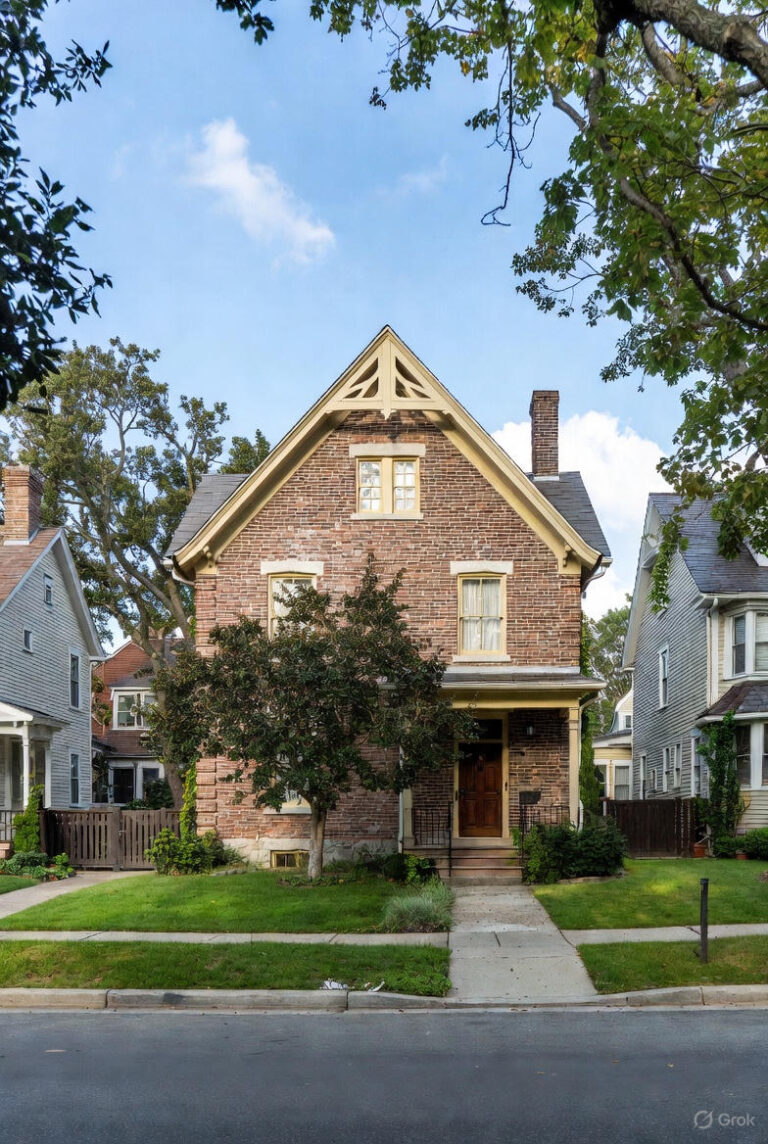
One of the most consistent correlations between school districts and insurance pricing is the age of the homes within the district. Older districts, particularly in cities like Dayton, Cincinnati, Cleveland, and Toledo, contain large numbers of properties built before 1950. These homes may include:
• Outdated electrical systems (knob-and-tube, cloth wiring)
* Older plumbing materials
* Aged or layered roofs
* Old furnaces or boiler systems
* Structural settlement issues
Newer suburban districts—common in Columbus, Cincinnati’s suburbs, and Dayton’s southern communities—tend to feature post-1990 construction with safer wiring, improved plumbing, and modern building codes. This significantly reduces claim probability.
Local Fire Protection Quality
The strength, funding, and response times of fire departments vary dramatically across Ohio. Districts that include municipalities with fully staffed, modernized fire services receive better insurance scores. Suburban districts with strong city budgets often outperform rural or urban districts with older equipment or fewer stations. This factor alone can change a home’s monthly premium.
Proximity to Fire Stations
Fire station proximity is one of the most heavily weighted underwriting variables. Homes within one mile of a station—with direct, unobstructed travel routes—often receive a premium reduction. School districts with dense suburban developments usually have more evenly spaced stations than rural or older urban districts.
Hydrant Access
In insurance underwriting, hydrant access is critical. Hydrant placement often correlates with municipal planning, which tends to be stronger in high-performing, well-funded districts. Many older neighborhoods—particularly those with large setbacks, corner lots, or historic housing—may have fewer hydrants or older hydrant systems. This increases the risk rating.
Weather Exposure and Geographic Risk
Ohio’s weather risk varies by region and often aligns with district boundaries in subtle ways. For example:
• Rural districts may see higher wind exposure.
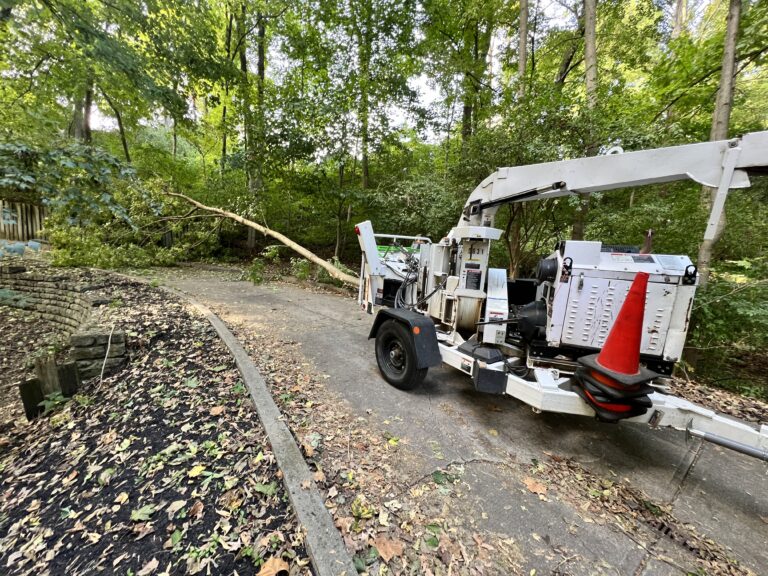
* Older urban districts may have more large, mature trees near homes.
* Suburban districts built in the 1970s–1990s may include wide-open neighborhoods vulnerable to hailstorms.
* Newer subdivisions often benefit from more wind-resistant materials and modern drainage.
Insurance companies track localized weather claim history, and districts frequently reflect micro-climates, elevation changes, and storm patterns within a county.
Loss History in the Area
Perhaps the most powerful variable of all: insurers use historic claim data to predict future loss. If a school district encompasses neighborhoods with a high frequency of water damage, fire claims, break-ins, wind losses, or liability incidents, premiums rise. Suburban districts with consistent maintenance and lower claim frequency frequently receive more favorable pricing—even when homes cost more.
Putting It All Together
While school districts themselves are not pricing factors, the community qualities behind them shape much of the risk profile insurers rely on. High-performing districts often correlate with:
• Stronger municipal budgets
* Newer infrastructure
* Lower crime and higher stability
* Well-maintained homes
* Better fire protection
* Fewer large maintenance issues per home
Meanwhile, districts with aging homes, higher density, or more frequent claims—common in older urban school zones—may see higher premiums. Understanding this connection empowers Ohio homeowners to make smarter decisions about both real estate and long-term financial planning.
Home Age, Maintenance, and District Factors in Ohio
One of the biggest insurance cost drivers is home age. In Ohio, many homes located in older urban school districts—such as Dayton Public Schools, Cincinnati Public, Cleveland Metropolitan, and Toledo Public—were built between 1900 and 1950. These properties often come with aging electrical systems, dated plumbing, older roofs, and structural wear that increases insurance risk.
By contrast, suburban districts like Olentangy, Springboro, Beavercreek, Dublin, and Hilliard include large numbers of homes built after 1990, which typically feature:
• Modern wiring (Not Knob & Tube)
* PVC plumbing
* Newer roofs
* Up-to-date building codes
* Stronger fire-resistant materials
The year a home was built is one of the most immediate indicators of expected insurance costs. Districts with newer housing stock often benefit from better insurance pricing—even when the homes are more expensive.
Crime Trends and Their Connection to District Boundaries
Crime has a significant influence on home insurance rates, especially when it comes to theft, vandalism, and property damage. Many of Ohio’s highest-rated districts coincide with low-crime suburban municipalities. While this is not universal, the statistical correlation is strong.
When school districts are well-funded, stable, and involved in the community, surrounding neighborhoods tend to exhibit:
• Lower property crime rates
* More consistent maintenance
* Higher home occupancy
* Stronger community engagement
* Lower turnover
Insurance companies reward these factors because they reduce the likelihood of claims. Meanwhile, districts associated with older infrastructure or higher population density may experience more frequent claims, which affects premiums.
The Dayton Metro: How Local School Districts Impact Insurance Risk
The Dayton area offers one of the clearest examples of how school districts shape real estate values and risk profiles. Within a relatively small geographic radius, insurance costs can vary meaningfully depending on district boundaries.
Oakwood City Schools
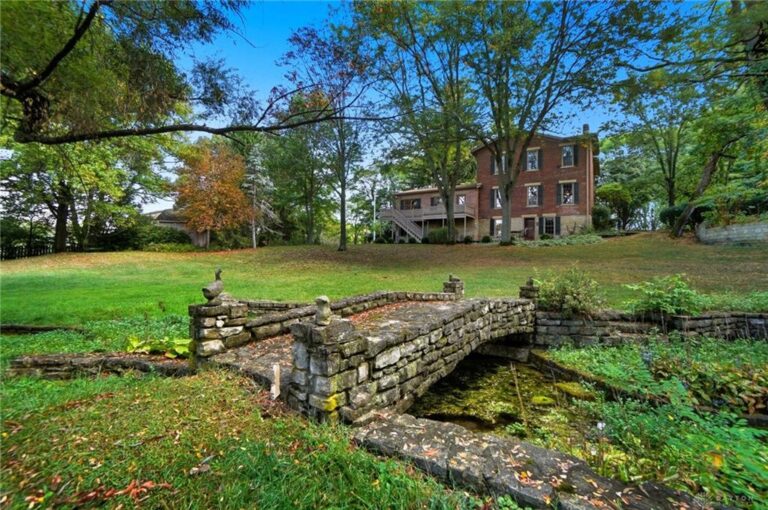
Oakwood is one of the most sought-after districts in the entire state of Ohio. Its historic housing stock is older, but extremely well-maintained. The district’s stability, low crime, strong municipal services, and high property values create a low-risk insurance environment. Homes may be older, but maintenance is typically high—and this offsets risk considerably.
Kettering City Schools
Kettering features a blend of mid-century homes, newer developments, and stable neighborhoods. Insurance rates tend to remain moderate thanks to newer roofs, well-kept properties, and consistent community investment. Kettering’s large housing inventory appeals to first-time buyers and downsizers alike.
Beavercreek City Schools
Beavercreek offers some of the most modern housing stock in the region. Newer suburban developments, low crime, and strong municipal services create favorable insurance pricing. This district is a prime example of how modern construction standards influence lower premiums.
Centerville City Schools
Centerville includes a mix of 1960s–1980s homes, high-value properties, and strong community engagement. Lower crime and steady home maintenance contribute to stable insurance costs. Families often move to Centerville specifically for school quality, which supports long-term value.
Huber Heights City Schools
Huber Heights contains many properties built during the mid-to-late 20th century. Because the homes are newer than Dayton’s urban core and generally well-kept, insurance pricing often falls in the moderate range. The district’s large footprint and mixed housing stock create opportunities for both affordability and stability.
Dayton Public Schools
Dayton’s urban school district includes many of the city’s oldest homes. These properties often present challenges: aged wiring, older roofs, outdated plumbing, and higher vacancy rates. Insurance carriers factor these into their risk models, resulting in higher premiums compared to surrounding suburbs. However, many revitalized pockets of Dayton—such as South Park, St. Anne’s Hill, Grafton Hill, and the Oregon District—benefit from strong community pride and renewed investment, helping improve insurance outcomes.
Common Misconceptions About School Districts and Insurance
“Good school district = lower insurance rate.”
Not automatically. But many indicators of a high-performing district—lower crime, higher home maintenance, stronger municipal services—indirectly support more favorable rates.
“Low-performing schools mean higher premiums.”
Not necessarily. Insurance is driven by property condition, claims history, and neighborhood risk. Some modest districts have newer homes and excellent municipal protections.
“Insurance companies consider test scores.”
They do not. District boundaries correlate with other environmental factors—not academic performance itself.
“If I move two streets over into a better district, my insurance will drop.”
Possibly, but not because of the school district—rather because the neighborhood characteristics may differ in crime rate, fire service, or home age.
What Ohio Homebuyers Often Overlook
School districts influence far more than just home prices. Homebuyers often miss the connection between district boundaries and:
• Roof age expectations
* Required inspections
* Fire department proximity
* Claims frequency
* Floodplain boundaries
* Home construction types (brick, frame, mixed materials)
* Local ordinances or building code differences
Two homes may sit less than half a mile apart, yet face vastly different insurance risk factors based on city services, home age, or property condition—all of which often align with school district borders.
How to Get the Best Rates of Home Insurance in Ohio Regardless of School District
You can secure competitive insurance rates in any district by focusing on risk-reducing factors such as:
• Updating electrical systems
* Replacing old roofs
* Installing water shutoff devices
* Improving security and lighting
* Maintaining plumbing and HVAC systems
* Avoiding deferred maintenance
Insurance companies reward well-maintained homes—even in older or high-density districts.
Why Your School District Matters for Long-Term Planning
For homeowners, districts affect resale value, neighborhood stability, tax rates, and long-term wealth creation. For landlords, the district determines tenant demand, vacancy likelihood, and long-term appreciation potential. For families, it influences quality of life and community identity.
Understanding how school district boundaries shape both home values and insurance risk is essential for making informed decisions—especially if you’re planning a move, expanding a real estate portfolio, or renovating an older home in a high-demand district.
Get Help Comparing Home Insurance in Any Ohio School District
No matter which school district you live in, your home deserves the right protection. Ingram Insurance helps homeowners, landlords, and buyers compare coverage options across dozens of insurance carriers to find the best match for your district, home age, and risk profile.
Ingram Insurance
Phone: (937) 741-5100
Email: contact@insuredbyingram.com
Website: www.insuredbyingram.com