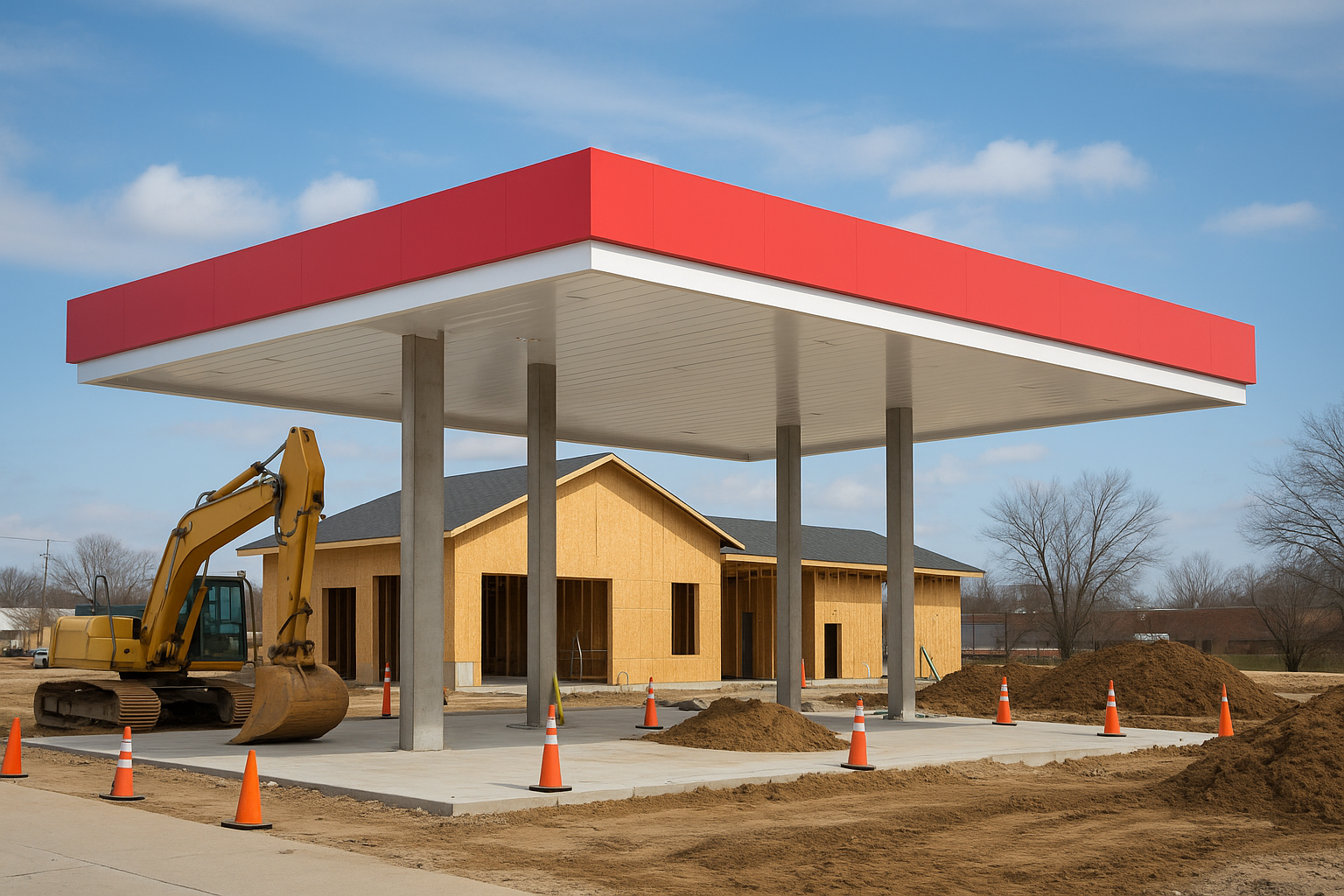
The Truth on How New Gas Stations Affect Home & Auto Insurance in Montgomery County
Over the past few years, Montgomery County has seen a wave of new, high-traffic gas and convenience centers built in places like Washington Township, Huber Heights, Vandalia, and Dayton’s Edgemont and Northridge areas. They bring cheaper fuel, food options, and bright lighting to busy intersections. But they also change the risk landscape in ways most people never think about. As a local insurance agent, I get a simple question all the time: do these new gas stations affect what I pay for home or auto insurance?
How New Gas Stations Affect Home & Auto Insurance in Montgomery County
The short answer: a new gas station on its own doesn’t automatically raise everyone’s premiums. But the traffic, activity, and hazards that come with it can absolutely influence how insurance companies view the surrounding area over time. Here’s how it actually works in the real world.
1. Increased Traffic Raises Accident Frequency (Auto Insurance)
Large modern gas stations are strategically built at high-traffic intersections. They’re designed for high turnover, multiple access points, and nonstop inbound and outbound vehicle flow. That means an instant change in traffic behavior:
- More vehicles slowing down abruptly to turn into the lot
- More drivers darting across lanes to catch an opening
- More congestion, especially during peak commuting hours
- Heavier commercial truck presence delivering products and fuel
- More backup when a driver tries to turn left out of the station
Auto insurance carriers monitor accident frequency at a hyper-local level—sometimes down to individual intersections. A single new gas station on a busy road in Washington Township or Vandalia can lead to:
- More rear-end collisions
- More left-turn crashes
- More minor fender benders near the entrances
- More side-impact crashes caused by rushed merging
- More distracted-driver accidents (common near bright signage)
Carriers don’t raise rates because a gas station exists—they raise rates because claims go up in the areas where people drive regularly.
Intersections Most Likely to Be Affected
These Montgomery County corridors will likely see increases in accident frequency:
- Old Troy Pike & Chambersburg Road (Huber Heights) – heavy commuting + school traffic
- Miller Lane / Benchwood Road (Vandalia–Northridge corridor) – already one of the county’s busiest retail zones
- Alex-Bell Road & Lyons Road (Washington Township) – dense commercial activity
- Stewart Street / Edwin C. Moses (Edgemont) – close to I-75, high-speed traffic deceleration
If these intersections experience more accident reports, drivers who live nearby—or drive through daily—can eventually see higher premiums due to rising claim frequency in their rating territory.
2. Street Parking Near a Busy Station Becomes Riskier
Street-parked cars already have higher claim rates than cars in garages or driveways. But near a new, high-traffic gas station, the risks increase dramatically:
- More sideswipe accidents
- More “clips” from drivers misjudging space
- Higher likelihood of hit-and-runs at night
- Higher damage rates during snow or ice events
- More mirror strikes from wide-turning trucks
This is especially true in dense areas like Northridge, Edgemont, and certain Huber Heights neighborhoods where driveway access is limited and curb parking is common.
Auto insurers heavily penalize areas with high rates of parked-car damage—and new stations tend to increase that risk within a few surrounding blocks.
3. Foot Traffic Increases Opportunity for Theft (Auto & Home Insurance)
With newer stations operating late into the night—or even 24/7—foot traffic rises dramatically in the immediate area. This means more exposure to:
- catalytic converter theft
- smash-and-grab car break-ins
- porch piracy on nearby residential streets
- shoplifters fleeing through residential blocks
- general “crime of opportunity” around dimly lit corners or alleys
Insurance companies don’t rely on rumors—they rely on claims per square mile. If there is a jump in theft or vandalism claims after a new station opens, that trend gets picked up in carrier models. It doesn’t mean premiums skyrocket, but the small shifts add up over time.
4. Fire & Environmental Hazard Exposure (Home Insurance)
Modern gas stations are engineered much differently than the small, two-pump convenience stores of the past. Today’s large-format stations operate more like industrial sites with public access. They include high-volume fueling systems, 24-hour electrical demand, commercial kitchens, and multiple layers of underground infrastructure. All of these components introduce fire and environmental risks that insurers must model, even if major incidents are rare.
Every new gas station introduces several structural and operational hazards into its immediate surroundings, including:
- Massive underground fuel storage tanks
These tanks often hold between 20,000 and 60,000 gallons of gasoline or diesel. While built with modern containment systems, they still represent an unusually large concentration of flammable liquid beneath the surface. Insurers monitor the area around these tanks because even minor leaks or pressure irregularities can lead to environmental claims or long-term soil remediation issues. - Flammable vapors during refueling
Fuel vapors escape every time a nozzle is inserted or removed, and while vapor recovery systems reduce emissions, they can’t eliminate them entirely. Vapors disperse differently depending on wind, humidity, and temperature—factors insurers quietly consider when modeling fire and ignition risk within a short radius of the pumps. - Fuel tanker deliveries multiple times per week
Each delivery introduces a temporary but significant hazard: tens of thousands of gallons of fuel being transferred from a tanker to underground tanks. These deliveries often occur during traffic hours, creating situations where large fuel trucks block lanes, reduce visibility, and increase the chance of an ignition event in the extremely rare case of a spill or equipment failure. - Commercial kitchen equipment
Many modern stations operate full kitchens—fryers, grills, ovens, ventilation hoods, and grease traps. Grease-related fires are one of the most common commercial fire types in the United States, and insurance companies track the density of commercial kitchens within a neighborhood as part of their hazard modeling. - High-powered lighting, signage, and electrical loads
Large LED signs, canopy lighting, refrigeration units, HVAC systems, and food-service equipment draw significant electrical power. Older grid infrastructure in Dayton and surrounding Montgomery County sometimes strains under new commercial loads. Insurers pay close attention to areas where electrical demand increases sharply, because overloaded circuits and transformers can contribute to fire incidents.
While catastrophic events at gas stations are rare—modern engineering and regulation make them extremely safe compared to decades past—insurance companies still factor in several critical environmental and fire-related variables:
- Proximity to hazardous sites
Homes within a close radius of fuel storage, chemical handling, or industrial operations receive slightly different risk weighting. Even if the statistical risk is low, the potential severity of a catastrophic event is high, and insurers must model that possibility. - Fuel-adjacent fire modeling
Underwriters use national fire data to model how a fire behaves when ignition sources are located near large quantities of stored fuel. The presence of a fuel station—even a safe and modern one—loosens the margin of error for fire containment in the immediate vicinity. - Explosion radius calculations
Yes—this is real. Insurers use blast-radius modeling (though extremely conservative) to understand how an overpressure event might damage nearby structures. Again, this doesn’t mean the risk is high, but the severity of a worst-case scenario requires a different actuarial calculation. - Groundwater contamination risk
Even minor leaks can affect soil and groundwater. Homes with basements or crawlspaces, especially older Dayton housing stock, are more susceptible to intrusion. Environmental contamination claims can be expensive, and insurers track properties within potential flow paths of storm drains and soil gradients near new fuel stations.
For these reasons, homes immediately bordering new gas station sites—especially older homes with aging wiring, original basements, or older fire-stop materials—receive slightly different risk modeling. It’s not that a home becomes “hard to insure,” but that fire severity can increase if ignition occurs near concentrated fuel reserves or if first responders need additional time to navigate congested parking lots and delivery trucks to reach the property.
In short, while gas stations are safe by design, the combination of flammable materials, industrial infrastructure, and 24-hour operations creates a unique risk footprint that insurers must consider when evaluating nearby properties.
5. Bright Lighting, Noise, and Traffic Influence Neighborhood Stability
When a new gas station opens—especially one with extended hours, bright canopy lighting, and a steady flow of customers—the surrounding environment often changes in subtle but important ways. These changes don’t automatically hurt property values, and they don’t instantly raise insurance premiums, but they can influence the long-term stability of the neighborhood in ways that insurers monitor closely.
A newly built fuel and convenience center typically makes the immediate area:
- Brighter at night due to LED canopy lights, parking lot lighting, and illuminated signage that often runs 24/7.
- Noisier because of higher vehicle turnover, late-night traffic, delivery trucks, and customers coming and going at all hours.
- Busier as the station becomes a micro-hub for commuters, rideshare drivers, and late-night travelers.
- More transient with non-residents passing through regularly, which can subtly shift neighborhood dynamics.
Insurance companies do not directly price “noise” or “brightness,” and they don’t penalize homeowners simply because a commercial building went up nearby. But they do price a series of neighborhood-level indicators that can fluctuate when a high-traffic commercial site enters a residential corridor:
- Vacancy rates – A small rise in vacancy on nearby streets often correlates with more vandalism, water damage, and fire claims.
- Property turnover – Faster turnover signals instability, and unstable streets typically generate more small claims over time.
- Maintenance neglect – Homes near busier intersections sometimes delay exterior maintenance due to noise or low curb appeal, leading to more claims related to roofs, siding, and plumbing issues.
- Claim frequency within a defined radius – Carriers track the number of claims filed on nearby blocks, not the noise level itself.
If a new gas station contributes to even a slight shift in the surrounding block—homes selling for marginally lower prices, renters replacing long-time homeowners, or increased turnover—insurance models eventually detect the pattern. This doesn’t mean carriers are targeting the gas station. Instead, they’re tracking how human behavior and property conditions change around busy commercial nodes.
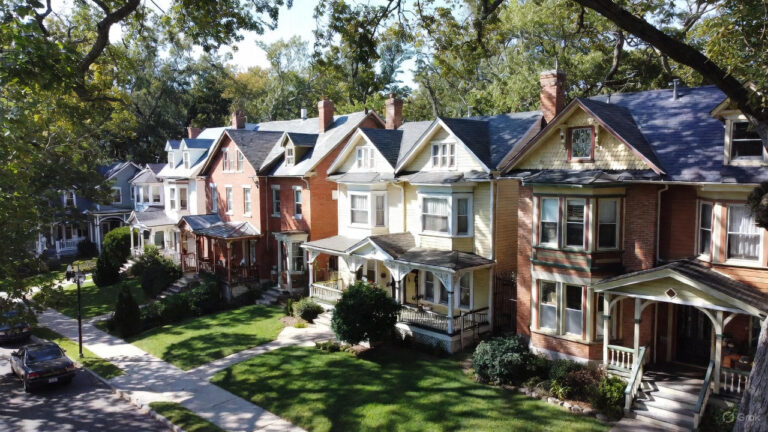
In older neighborhoods like Edgemont or Northridge, where many homes were built in the early-to-mid 1900s, even small fluctuations in neighborhood stability can have outsized effects. An older home that hasn’t been updated, paired with rising turnover on the block, becomes statistically more likely to file claims for:
- minor water damage,
- electrical issues,
- HVAC failure,
- fire damage from outdated wiring, or
- vandalism during vacancy.
Again, insurers aren’t saying, “There’s a new gas station, so raise the rates.” Instead, they’re measuring how the presence of a high-traffic commercial business subtly shapes the neighborhood’s long-term stability—and adjusting premiums based on the real-world claim outcomes that follow.
The important takeaway is simple: a new gas station doesn’t hurt the entire neighborhood, but it can slightly shift the micro-dynamics of the closest blocks around it. Over time, those shifts influence local claim trends, and where claims go, insurance pricing eventually follows.
6. The Spillover Effect: Congestion Raises Liability Claims
Gas stations create a specific type of traffic pattern called “stop-start clustering,” which increases:
- pedestrian near-misses (especially at night)
- bicycle accidents
- slip-and-fall claims on sidewalks nearby
- parking lot accidents spilling onto main roads
- backups that block visibility for drivers leaving residential streets
Liability insurance rates depend heavily on these kinds of claims. For homeowners, more frequent pedestrian and auto-related incidents in the neighborhood slowly shift risk scoring for liability coverage, even if the home itself hasn’t changed.
7. Fire Response Time Can Shift (Both Home & Auto)
Fire engines sometimes face delays when:
- gas station entrances block lanes,
- delivery trucks unload in awkward positions,
- backup from the station spills onto the roadway, or
- pedestrians and cars congest the immediate area.
Fire suppression time is one of the largest factors in home insurance severity. Even a 45-second delay can turn a one-room fire into a multi-room burn.
Insurers track fire response averages by micro-region. If a new station slows emergency routing at a local intersection in Huber Heights, Vandalia, or Edgemont, claim severity trends may shift accordingly.
8. Environmental Risk Modeling: What Insurance Companies Look At
Modern gas stations carry environmental liabilities including:
- underground tank leaks
- stormwater runoff contamination
- soil vapor intrusion
- overflow during tanker offloading
Homes built near these systems aren’t charged an “environmental hazard surcharge,” but if there are environmental incidents in the vicinity, nearby homeowners may see:
- insurers pulling back from writing new policies
- higher base rates for the ZIP+4 area
- more underwriting questions about foundations and basements
Environmental events are rare, but the risk exists—and insurers model it.
9. Investor Impact: Rental Insurance Trends Near New Stations
For real estate investors, new gas stations can create a mixed set of outcomes. On one hand, they bring visibility, lighting, and foot traffic—attributes that some tenants actually prefer because they make the area feel active and convenient. On the other hand, high-traffic commercial development can subtly reshape tenant behavior, property turnover, and long-term maintenance patterns in ways that directly influence insurance costs on rental properties.
Rental homes located closest to these new convenience hubs tend to experience higher turnover than their counterparts on quieter blocks. Some tenants appreciate the convenience, but others grow tired of increased headlights, noise, and late-night traffic and decide to move sooner than they otherwise would have. Higher turnover means more lease gaps, more property wear, more maintenance demands between tenants, and more opportunities for small claims—something insurers track closely.
Turnover also shifts the ratio of renters to long-term owner-occupants on a given street. Neighborhoods with more transient populations often show higher rates of minor claims: accidental kitchen fires, water damage from neglected leaks, HVAC failures, and liability incidents involving visitors or pets. Even if each claim is small, a cluster of higher-frequency claims in a tight radius eventually influences how insurers price landlord policies for that specific micro-area.
Investors should also consider curb appeal and tenant perception. A newly built gas station with bright lighting and constant traffic may reduce the visual appeal of nearby rentals, especially older properties in neighborhoods like Northridge, Edgemont, or certain pockets of Huber Heights. When curb appeal drops, tenants who do stay tend to negotiate more aggressively on rent or request more maintenance—two patterns correlated with increased claims over time.
None of this means investors should avoid buying near modern gas stations—many of these areas have excellent long-term potential. But it does mean investors need to evaluate more than just the home itself. They should examine how the new station alters traffic flow, nighttime activity, tenant expectations, and neighborhood stability. These factors directly impact insurance exposure, and over the life of a rental property, insurance is one of the most important controllable expenses an investor manages.
In short, the presence of a new gas station doesn’t automatically make a rental property riskier—but the behavioral patterns and turnover tendencies it creates on the closest surrounding blocks absolutely can. Smart investors weigh these dynamics carefully before closing on a property, especially in older Montgomery County neighborhoods where risk profiles vary street by street.
10. The Good News: Effects Are Local, Not Citywide
The presence of a new gas station won’t raise premiums across Montgomery County. The effects are highly localized and usually limited to:
- a few blocks of residential streets around the station
- cars regularly using the nearby intersection
- high-traffic corridors where collisions increase
Most homeowners and drivers in the county will never see any change from the construction of a single station miles away.
What Homeowners & Drivers Can Do
To minimize risk if you live near a new high-traffic gas station:
- Park in a garage or driveway. Avoid street parking if possible.
- Install exterior lighting and cameras. Deterrence works.
- Review your comprehensive coverage. Theft and vandalism protection matters in high-traffic areas.
- Keep your home’s systems updated. Roof, plumbing, and electrical condition still outweigh location.
- Document property condition. If claims rise in your area, proof helps.
New gas stations bring convenience, jobs, and improved local amenities. But they also reshape traffic and activity patterns in ways insurance companies pay close attention to. If you’re curious how a new development in your Montgomery County neighborhood might affect your specific home or auto insurance, that’s exactly the kind of local, block-by-block insight I specialize in.
Recent Gas Station Developments in Montgomery County
Montgomery County has experienced a wave of new large-format gas and convenience centers over the past few years. These are not the small corner stations of the past—they are full-scale, high-traffic hubs with commercial kitchens, heavy lighting, high vehicle turnover, and constant activity. Because of their size and operating hours, these stations can subtly influence traffic patterns, accident frequency, pedestrian flow, and neighborhood dynamics in the blocks immediately surrounding them.
Below are several of the most notable new stations built or approved across Montgomery County:
- Sheetz – Paragon Road (Washington Township)
A major new build that added a large convenience footprint to the southern suburbs. - QuikTrip – Edwin C. Moses Boulevard (Dayton, Edgemont)
Strategically placed near the I-75 corridor, UD Arena, and the hospital district, creating significant new traffic flow. - QuikTrip – Northridge / North Dixie Corridor
A major addition to the busy Northridge retail strip, serving commuters, local residents, and regional traffic. - Wawa – Huber Heights
A highly anticipated site helping anchor Ohio’s entry into the Wawa convenience model. - Sheetz – Brandt Pike (Huber Heights)
A modern build in the northern suburbs, adding significant visibility and 24-hour activity to the surrounding blocks. - Sheetz – Old Troy Pike (Huber Heights)
The first Sheetz in the Dayton area, signaling a rapid expansion across the region. - Modernized/Rebuilt Stations – Vandalia / Benchwood / Miller Lane Corridor
Several older stations have been replaced or rebuilt with large-format, high-turnover models that function similarly to new-construction sites.
This list continues to grow as Montgomery County experiences ongoing investment from national convenience and fuel brands. These stations bring new amenities—but they also influence nearby insurance risk in ways that homeowners, drivers, and especially investors should understand.
Want a Local, No-Pressure Insurance Review?
If you live near one of the new large gas stations in Montgomery County—or you’re buying a home or rental property nearby—a quick review of your insurance can make a big difference. These areas often see subtle shifts in traffic, fire response, and claim patterns that most online quote systems never account for.
As an independent insurance agent and long-time Dayton resident, I can give you a clear, honest assessment of how location and neighborhood factors affect your rates—and what steps you can take to protect your property.
Get in touch anytime:
📞 (937) 741-5100
📧 contact@insuredbyingram.com
🌐 www.insuredbyingram.com
No sales pressure. No rushed quotes. Just real guidance from someone who understands the Dayton market better than any call center ever will.
¿Prefieres leer información sobre seguros en español? Visita nuestra página en español en es.insuredbyingram.com para obtener guías claras, recursos locales y ayuda personalizada para tu póliza de hogar o auto en Ohio.