South Park Historic Homes Insurance in Dayton: What Every Homeowner Should Absolutely Know in 2026
South Park is one of Dayton’s most recognizable historic neighborhoods — tree-lined streets, front porches, and tightly packed 19th- and early 20th-century homes just south of downtown. That same charm also creates some very specific insurance questions, especially when your house sits on a narrow lot with neighbors close on both sides. In this guide, we’ll look at how historic construction, older roofs and wiring, and close quarters with non-owned properties affect your homeowners insurance — and how to make sure your coverage actually matches the way South Park homes are built and lived in.
South Park Historic Homes Insurance in Dayton: What Every Homeowner Should Know in 2026
Why South Park Homes Look Different to an Underwriter
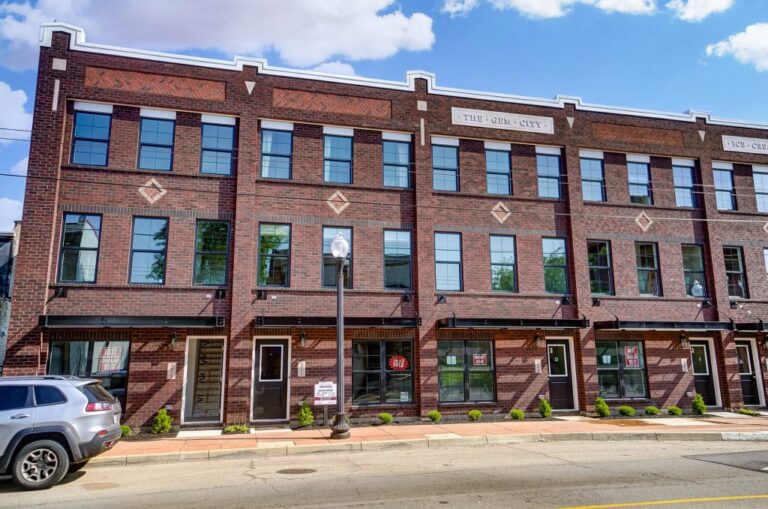
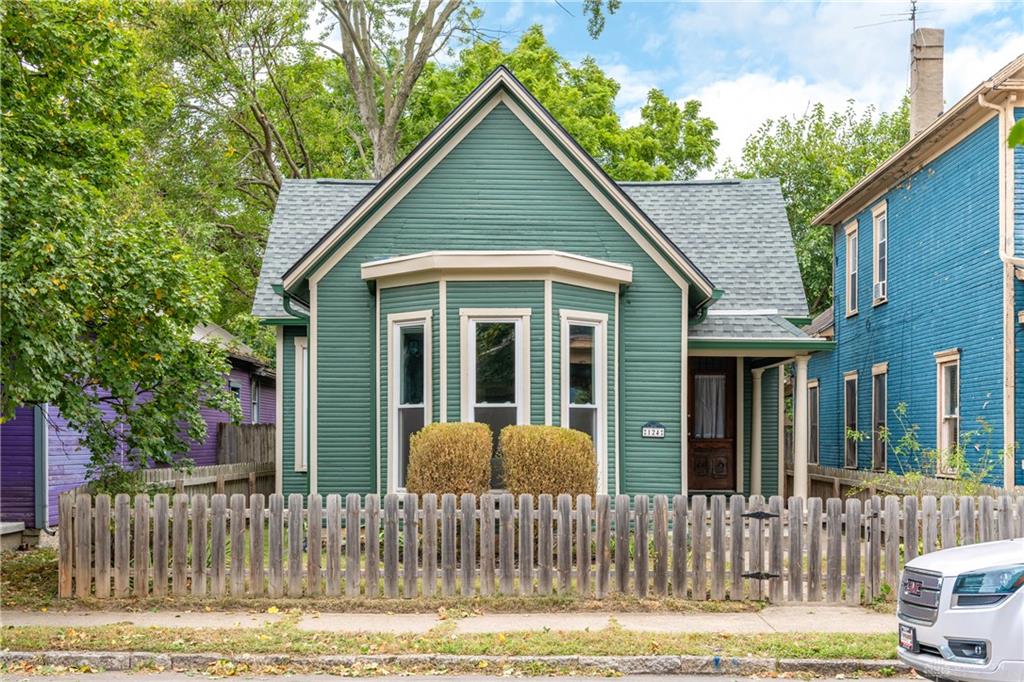
South Park isn’t a typical suburban subdivision. It’s a 24-block, 150-acre historic district with more than 780 structures, most built from the 1880s through the early 1900s, in styles like Queen Anne, Italianate, Second Empire, and vernacular cottages. Many homes are one- and two-story brick or frame structures, often restored, sometimes still in the middle of long-term rehab.
To an insurance company, that mix creates a unique risk profile compared to a newer subdivision or a mid-century brick ranch elsewhere in Dayton:
- Older building components: original plaster, wood framing, brick foundations, and sometimes knob-and-tube or older wiring if upgrades aren’t complete.
- Higher rebuild costs: custom trim, woodwork, and period details often cost more to reproduce than typical modern finishes.
- Smaller, narrower lots: houses sit closer together, which can change how fire and tree damage risk is viewed.
- Mix of owner-occupied and rentals: some properties are single-family primary homes, others are duplexes or rentals that may require landlord or dwelling policies instead of standard homeowners.
A carrier that doesn’t understand these dynamics might either underinsure the home (too low a dwelling limit) or overreact to perceived risks. The goal is to match your coverage to the real conditions on the block you actually live on.
Historic Construction: Replacement Cost vs. Market Value
One of the biggest traps South Park homeowners fall into is assuming their policy limit should match their home’s resale value. In historic neighborhoods, the opposite is often true: the replacement cost can be higher than the market price.
Consider:
- Custom millwork, ornate staircases, pocket doors, and stained glass windows
- Brick or stone details that require skilled trades to repair or recreate
- Older plaster walls that are more labor-intensive to patch and paint
After a major loss, your insurance company pays based on the dwelling limit on your policy, not what you paid for the house. If that limit is set too low, you may not have enough money to rebuild with similar materials and finishes.
This is most prevalent here in South Park as this neighborhood has one of the highest per square foot values in the City of Dayton. According to the Dayton Report, a 2 bedroom home in South Park sold in December of 2025 for $227,000. Real estate tends to appreciate and be worth more than the previous year on annual basis; so, I’m sure this number will continue to climb.
A good South Park insurance review should:
- When we sit down with South Park homeowners, we don’t just pick a number out of thin air for your dwelling coverage. We start with a modern replacement-cost estimator that looks at your home’s actual square footage, number of stories, construction type (brick, frame, or mixed), roof shape and material, and interior finishes. If your house has original wood floors, custom trim, decorative plaster ceilings, or built-in cabinetry, those details should be reflected in the estimate so we’re not trying to rebuild a highly detailed historic home on a “basic new construction” budget.
- From there, we talk about how much cushion you want with extended replacement cost or similar endorsements. Construction costs can spike after storms, labor can be tight, and older homes often hide surprises once walls are opened up. Adding 25%–50% extended replacement cost is one way to protect yourself against inflation and cost overruns. A common conversation we have with South Park clients is simple but important: “If you had a major fire, would you want to restore the original plaster walls, or would you be okay replacing everything with modern drywall?” Restoring plaster can be significantly more expensive and more labor-intensive than hanging drywall, so deciding your preference up front helps us choose the right coverage form and limit.
- We also make a point to clarify how your carrier treats historic or custom features if they’re damaged. Some companies are comfortable paying to restore things like custom millwork, built-in bookcases, stained glass, and period-appropriate exterior details. Others take more of a “functional replacement” approach and may only pay to install a modern equivalent. For truly unique features, it can be worth:
- Documenting them with photos and a walkthrough before a loss.
- Asking whether they are covered as part of the standard dwelling limit or need to be separately scheduled.
- Reviewing whether your policy promises like-kind and quality replacement, or a more basic replacement standard.
- The goal is to avoid surprises. In a neighborhood like South Park, where the character of the home is a big part of why you bought it, knowing exactly what would be restored — and what might not be — is just as important as the total dollar amount on the declarations page.
How Narrow South Park Lots Change Your Risk Profile
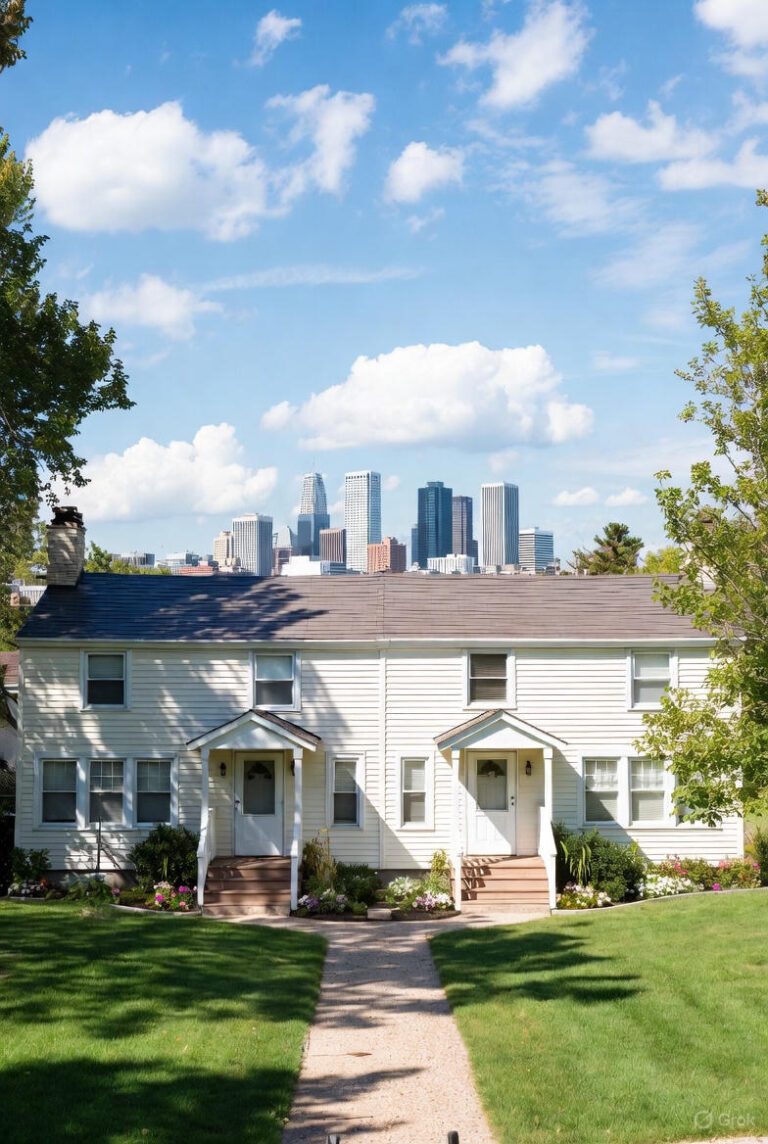
Walk any block in South Park and you’ll notice how close the houses are. That “front porch, say-hi-to-your-neighbors” layout is part of the neighborhood’s charm, but it also adds a few wrinkles on the insurance side:
- Greater exposure to fire from non-owned property: if the house next door has an electrical fire or a kitchen fire that spreads, your home may be affected more quickly because of the shorter distance and potential radiant heat exposure.
- Exterior wall exposure: wood siding, older eaves, and closely spaced garages or sheds can help a fire move from structure to structure if it isn’t contained.
- Trees and limbs from neighboring lots: mature trees often straddle property lines or overhang multiple yards, which can affect whose insurance responds when a limb comes down.
Underwriters think in terms of proximity to hazard. In a neighborhood with narrow lots, your hazard radius includes more than just your own home and yard — it includes whatever is happening ten or fifteen feet away on the other side of the fence.
Fire Risk From Neighboring (Non-Owned) Properties
The good news is that standard homeowners policies in Ohio generally cover fire damage to your home even when the fire starts somewhere else — for example, in a neighbor’s house or garage — as long as it’s a sudden, accidental loss. The complication in South Park is that a fire across the alley or two doors down can become your problem a lot faster than in a spread-out neighborhood.
When we review South Park homes, we look at questions like:
- How close are nearby structures (houses, garages, sheds) to your dwelling?
- Are there older wood garages or outbuildings that could act as a bridge for fire?
- Are there visible electrical or heating concerns in nearby structures (if known) that may concern an underwriter?
- Does the carrier want pictures of the sides/rear of your home because of tight spacing?
You can’t control what your neighbor does with their wiring, grill, or space heater — but you can make sure your own coverage is set up so that if their bad luck becomes your bad day, your dwelling and contents are properly protected.
Tree Damage From Non-Owned Property: Who Covers What?
Mature trees are part of what makes South Park beautiful, especially along Park Drive and the surrounding residential streets. But in a neighborhood of narrow lots, those trees often grow right on the property line or lean over multiple roofs at once. When a storm hits, that can raise some frustrating questions:
- Whose insurance pays when your neighbor’s tree falls on your house?
- What if the tree was healthy vs. clearly dead or neglected?
- Is debris removal covered if the tree falls in your yard but doesn’t hit a structure?
While every claim is fact-specific and policy language matters, here are some general patterns under typical Ohio homeowners policies:
- Neighbor’s tree, your house: If a windstorm or similar covered peril knocks your neighbor’s healthy tree onto your roof, your own homeowners policy usually pays to repair your home, subject to your deductible.
- Negligence scenarios: If the tree was obviously dead or your neighbor ignored repeated warnings, there may be a liability claim against their policy — but that’s usually handled later, after your carrier takes care of your damage.
- Debris only: If the tree falls in your yard but doesn’t hit a covered structure, there may be limited or no coverage for tree removal unless certain conditions are met.
In a neighborhood like South Park where “non-owned” trees are often just a few feet from your roofline, it’s smart to:
- Know your policy’s limits for tree and debris removal.
- Consider higher coverage limits if trees are large and close.
- Keep written records if you’ve requested that a neighbor address a clearly dangerous tree.
A good local agent can walk through your exact situation — “This tree is on my neighbor’s lot, but it hangs entirely over my garage” — and explain what your policy would likely do in a realistic storm scenario.
Other Common South Park Insurance Issues
Older Roofs and the “Roof Age” Conversation
Many South Park homes have roofs that have seen multiple re-shingle jobs over decades. Some carriers in Ohio apply different deductibles, actual cash value settlements, or even surcharges once a roof passes a certain age. For a historic-district homeowner, that can mean:
- Paying more out of pocket if a hail or wind claim hits an older roof.
- Being required to replace a roof before a carrier will write coverage.
- Needing documentation of the last roof replacement year.
If your South Park roof is approaching that age threshold, it’s worth having a conversation before the next big storm, not after.
Basements, Sewer Backup, and Water
South Park’s age also means older basements, clay or older sewer laterals in some cases, and potential water intrusion issues. Standard homeowners policies typically do not automatically cover sewer or drain backup — you often need an endorsement for that.
For a finished South Park basement with a home office, guest room, or media space, that backup endorsement can be the difference between a minor headache and a financial hit.
Owner-Occupied vs. Landlord Policies
Because South Park includes single-family homes, duplexes, and occasional small multifamily buildings, make sure your policy type matches your actual use:
- HO-3 / HO-5 homeowners policy: for primary residences where you live in the home.
- Dwelling / landlord policy: for long-term tenants.
- Short-term rental coverage: if you occasionally or regularly use part of the home as an Airbnb or short-term rental.
A mis-classified policy can cause serious headaches at claim time, especially in neighborhoods where “live in one, rent the other” setups are common; or, previous homes were turned into rentals without considering the insurance ramifications.
Why Work With a Local Dayton & South Park–Savvy Agency
Not every carrier — and not every agent — understands how differently a South Park Victorian, a St. Anne’s Hill home, and a west-side brick ranch behave in a windstorm or fire. When you work with a local, independent agency, you’re not just getting a 1-800 number and a generic online quote. You’re getting someone who can say:
- “I’ve walked those streets. I know how close those houses sit.”
- “This carrier is friendlier to historic construction than that one.”
- “Given your trees and your neighbor’s garage, let’s bump this endorsement limit.”
An independent agency can also compare multiple companies to find one that:
- Is comfortable with older wiring (if properly updated and documented).
- Offers strong replacement-cost options for historic homes.
- Has competitive rates for higher-risk factors like narrow lots or large trees.
Next Steps for South Park Homeowners
If you own a home in South Park — or you’re under contract on one — this is the perfect time to get a second opinion on your coverage. At a minimum, consider:
- Checking whether your dwelling limit reflects true rebuild cost, not just purchase price.
- Reviewing your roof age, wind/hail deductible, and any cosmetic roof limitations.
- Adding or adjusting sewer and drain backup coverage, especially for finished basements.
- Clarifying how your policy would respond to a neighbor’s tree or fire affecting your home.
- Confirming that your policy type (homeowner vs. landlord vs. STR) matches how the property is used.
For a broader look at how Dayton-area homes are viewed by insurers — from South Park to Residence Park to near-UD rentals — you can also review the Dayton, Ohio homeowners insurance guide published by Ingram Insurance.
Talk With a Local Agency That Knows South Park
Ingram Insurance is an independent agency based right here in Montgomery County, focused on helping Dayton homeowners, landlords, and investors protect older and historic properties the right way — without paying for coverage you don’t need.
If you live in South Park or you’re thinking about buying here, we’d be happy to review your current policy, estimate proper rebuild values, and walk you through how narrow lots, neighboring homes, and big trees affect your specific address.
Ingram Insurance
733 Salem Ave, Dayton, OH 45406
Phone: (937) 741-5100
Website: www.insuredbyingram.com
Email: contact@insuredbyingram.com
There’s no pressure and no hard sell — just a practical, local conversation about how to make sure your South Park home is properly protected. Additionally, if you’re interested in buying a home in South Park, reach out to Dayton Proper; they have a team ready to help you through the process.
Whether you’re renting a single-family home, condo, or apartment in Ohio, renters insurance plays a key role in protecting your finances. Coverage limits, liability requirements, and replacement cost options can vary widely. For a detailed, Ohio-specific explanation, visit our guide to renters insurance in Ohio and see how tenants can protect their belongings and meet lease requirements.