Home Insurance in DeWeese: Remarkable Architecture and Country Style Lots in the Middle of a City
Home Insurance in DeWeese: Nestled within Dayton, Ohio, the Deweese neighborhood offers a distinctive blend of urban convenience and natural serenity. Featuring homes primarily constructed between the 1940s and 1970s, many of which showcase durable brick exteriors, mature trees, and expansive, often sloped lots, Deweese presents a unique housing stock that demands careful consideration in insurance planning. For homeowners and landlords residing here, comprehending the intricacies of home insurance—beyond simply understanding coverage names—is essential. This need is heightened by the neighborhood’s specific exposure to water-related hazards, tree-related damage, and the complexities associated with aging home systems. This article delves deeply into the nuances of home insurance tailored to Deweese residents, offering clarity on coverage choices, common pitfalls, and the invaluable role of local expertise in safeguarding your property investment.
Meet Deweese, Dayton Ohio
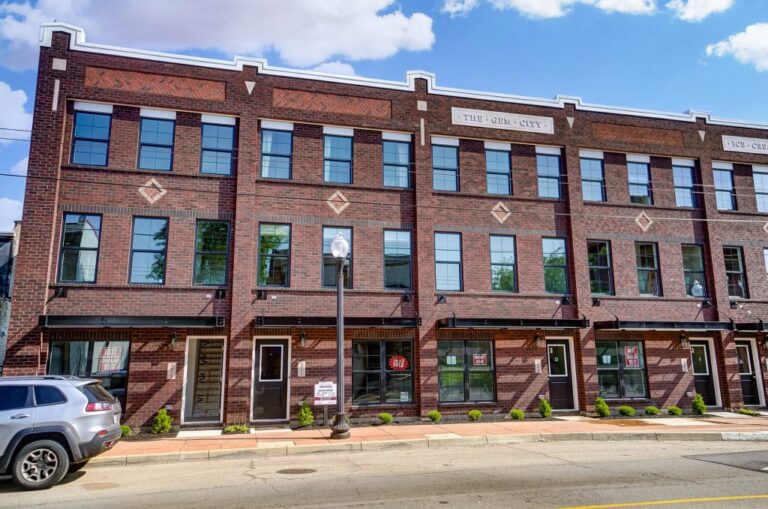
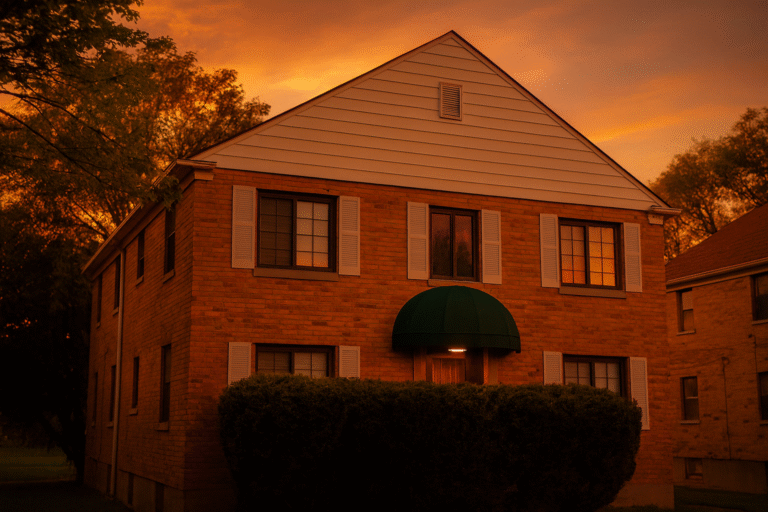
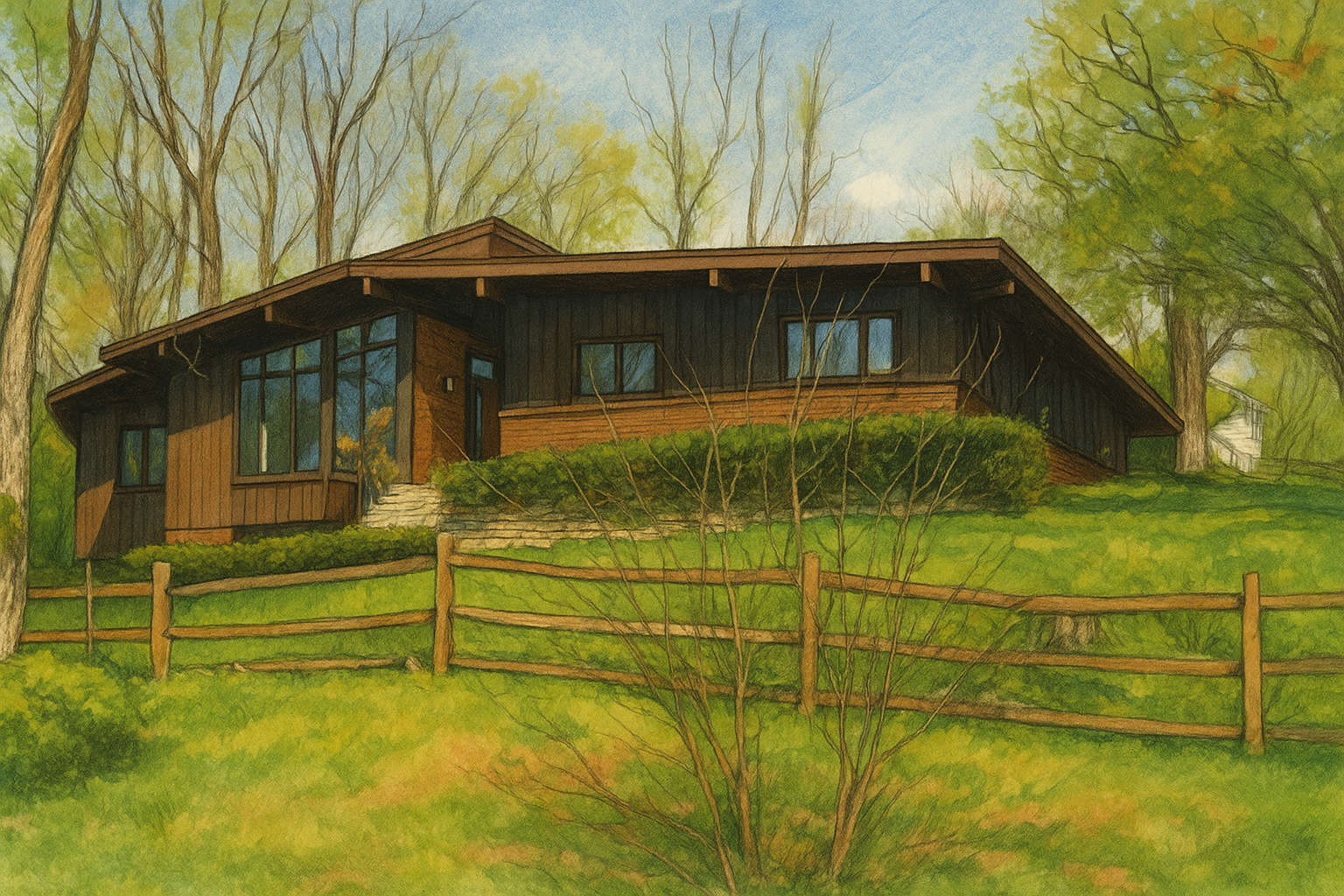
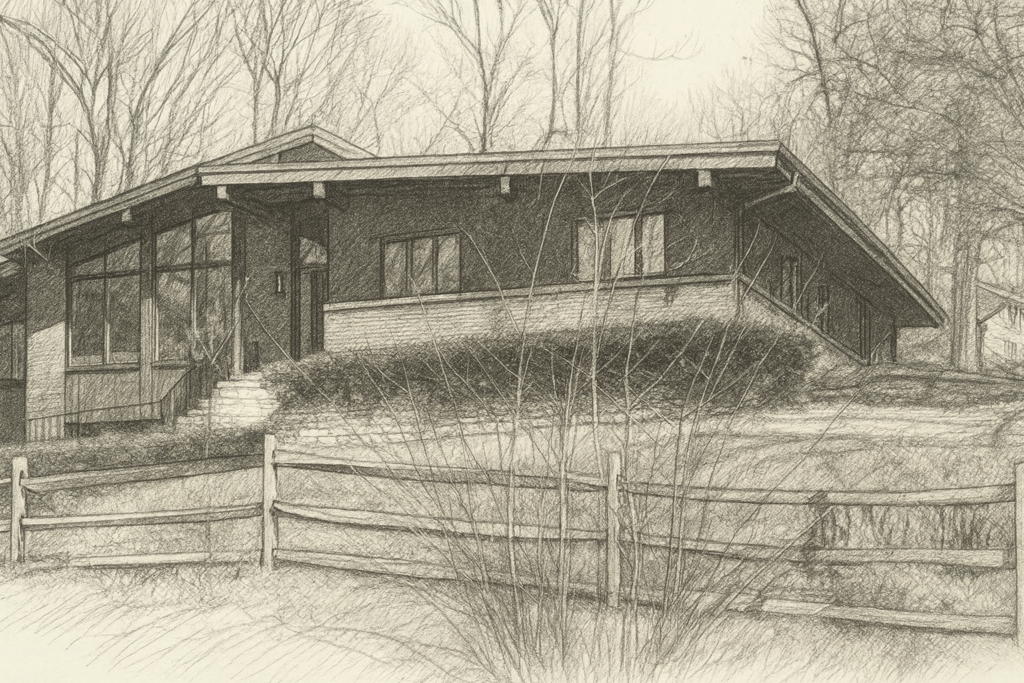
Deweese distinguishes itself among Dayton’s neighborhoods as a tranquil, nature-rich enclave situated firmly within city limits. The housing stock predominantly reflects mid-century American suburban architecture, with a strong presence of ranch-style and two-story homes constructed from the 1940s through the 1970s. Brick facades are prevalent, contributing both durability and a timeless aesthetic, while many homes also incorporate frame siding and natural stone accents that harmonize with the verdant environment. Inside the residences, original hardwood floors and older basements evoke a tangible sense of history, while mechanical systems such as electrical panels, plumbing, and HVAC units often reveal a layered history of incremental updates performed over several decades.
The neighborhood’s lots tend to be larger and more irregularly shaped than typical Dayton city parcels, frequently characterized by dense tree coverage and natural landscaping. This “country style” lot design fosters a park-like atmosphere, with yards that feel notably more expansive and private compared to more conventional urban plots. The quiet, residential streets support a relaxed pace of life and frequent encounters with local wildlife. Residents enjoy proximity to outdoor amenities such as Wegerzyn Gardens MetroPark and the Stillwater River trails, making Deweese especially appealing to those who appreciate a balance of space, nature, and urban convenience.
However, these desirable attributes also influence the neighborhood’s insurance risk profile. The proximity to the Stillwater River combined with the area’s often sloped topography means that drainage and moisture control present ongoing challenges. The mature trees that define the neighborhood’s aesthetic simultaneously increase the potential for wind-related damage and accumulation of debris. Understanding how these localized features affect insurance risk is a vital first step toward securing appropriate and comprehensive coverage.
For an in-depth exploration of how insurance integrates with the specific context of Deweese, readers are encouraged to consult our full Deweese insurance guide, which offers detailed neighborhood-specific coverage recommendations and insights.

How the Built Environment in Deweese Shapes Insurance Risk
The built environment of Deweese—including its homes, lots, and infrastructure—plays a pivotal role in shaping both the likelihood and nature of insurance claims. Unlike newer subdivisions characterized by uniform construction standards and engineered drainage systems, Deweese’s older homes and mature landscapes require a more nuanced and informed approach to underwriting and risk management.
A primary consideration is the age and construction materials of the houses. Homes erected between the 1940s and 1970s often include building standards and materials that contrast significantly with those used in contemporary construction. For instance, many electrical systems still contain original or partially updated fuse boxes or circuit breakers, factors that can elevate fire risk and influence insurers’ willingness to offer coverage or favorable premium rates. Plumbing systems are frequently a composite of galvanized steel, copper, and PVC, reflecting decades of repairs and incremental upgrades, which can affect vulnerability to leaks or water damage.
Brick exteriors typically provide superior resistance to wind and hail damage compared to frame siding; however, brick homes with sloped or pitched roofs remain susceptible to shingle damage or harm from fallen branches during storms. The irregularly shaped lots and dense tree canopy, while visually appealing, increase the risk of wind-blown limbs striking roofs or gutters, potentially causing water intrusion if repairs are delayed.
Basements in Deweese homes are often older and may lack modern waterproofing techniques, a concern amplified by the neighborhood’s proximity to the Stillwater River and surrounding low-lying areas. This situation heightens the risk of foundation seepage, sump pump failure, or sewer backups during periods of heavy rainfall. These risks may not be immediately apparent during casual inspections but carry significant implications for insurance claims and coverage adequacy.
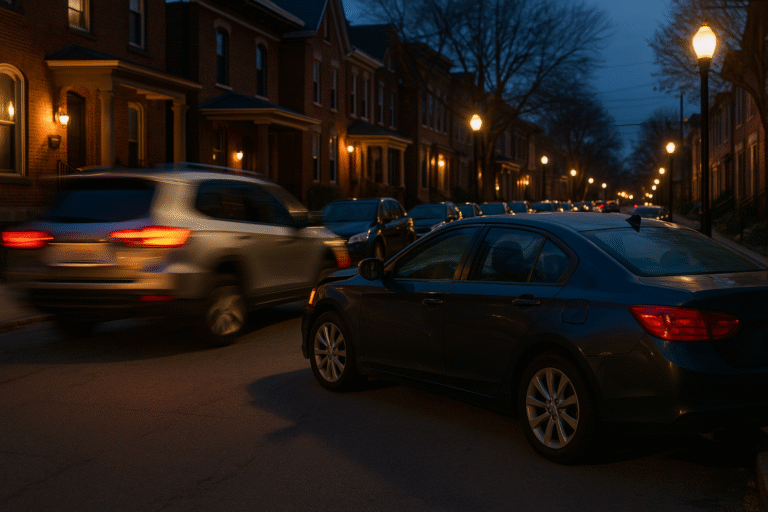
Parking arrangements in Deweese typically involve on-street parking or detached garages accessed via alleys. While this setup generally poses a low risk for vehicle-related property damage to homes, it necessitates sufficient liability coverage to protect against incidents occurring on driveways or sidewalks. The neighborhood’s calm streets mitigate traffic-related risks but do not eliminate hazards arising from weather events or aging infrastructure.
Key Insurance Risks for Home Insurance in Deweese
A thorough understanding of the principal insurance risks in Deweese requires an examination of how local environmental and housing factors contribute to or exacerbate property loss—and the implications of these risks for coverage decisions.
Water-Related Risks: Water-related concerns constitute the most pervasive and challenging threat facing Deweese residents. Properties located near the Stillwater River or positioned on sloped lots must contend with the potential for foundation seepage. Even minimal groundwater infiltration can catalyze mold proliferation or structural deterioration if left unaddressed. Sump pumps serve as a common defense mechanism; however, their failure—often due to power outages—or general malfunction can lead to significant basement flooding. Furthermore, sewer and drain backups following heavy precipitation events represent a risk typically excluded from standard homeowners policies, thereby making specialized endorsements or flood insurance critical considerations. For more on this, see our guide on What Dayton Homeowners Should Know About Sewer, Drain, and Water-Backup Coverage.
It is important to recognize that many Deweese properties lie outside mandatory FEMA flood zones, yet the neighborhood’s topography and proximity to waterways justify voluntary flood insurance purchases. A moderate storm event can overwhelm local drainage infrastructure, resulting in water ingress into basements or crawlspaces even outside officially designated high-risk areas.
Tree and Wind Damage: The mature tree canopy stands as a defining characteristic of Deweese but simultaneously represents a significant source of insurance claims. Ohio’s frequent windstorms can fracture limbs or topple trees onto roofs, siding, or vehicles. Even when trees remain upright, the accumulation of fallen branches can clog gutters and downspouts, causing water to pool and damage roofs or exterior walls. The financial burden associated with tree removal or storm damage repair can be substantial, especially given the size and age of many neighborhood trees.
Homeowners should also remain vigilant regarding the potential for trees located near homes to inflict damage on foundations or underground piping through root expansion over time. Although this type of damage is rarely covered by insurance, proactive monitoring and maintenance are essential to mitigate such risks.
Older Systems and Materials: The presence of legacy electrical panels, mixed plumbing materials, and incremental mechanical system upgrades heightens underwriting scrutiny. For example, insurance carriers frequently require inspection reports or impose coverage limitations for homes equipped with outdated fuse boxes or knob-and-tube wiring. Plumbing systems combining older galvanized pipes with newer PVC components increase the likelihood of leaks and water damage claims. HVAC systems assembled or repaired piecemeal over time may exhibit reduced reliability, thereby raising the risk of equipment failure or related property damage. Ohio HVAC contractors and homeowners alike can benefit from understanding these risks as explained in our Ohio HVAC Insurance guide.
Because these systems directly influence the frequency and severity of claims, they significantly affect premium pricing and insurer eligibility. Not all insurers write policies for older homes exhibiting these characteristics, underscoring the importance of working with a local agent who comprehends the complexities of Deweese’s housing stock.
How Home Insurance Works in Ohio (And What’s Different in Deweese)
Home insurance in Ohio fundamentally protects property owners from financial loss resulting from damage, liability, and other covered perils. However, the mechanisms of coverage, underwriting, and claims processing assume particular nuances when applied to a distinctive neighborhood like Deweese.
At its core, a homeowners insurance policy aggregates several forms of coverage: protection for the dwelling, personal property coverage, liability protection, loss of use (additional living expenses if the home becomes uninhabitable), and medical payments to others. Each coverage component operates under specific limits, deductibles, and conditions that determine claim eligibility and payout amounts.

A critical distinction particularly relevant in Deweese is the difference between replacement cost and actual cash value (ACV) coverage. Replacement cost coverage reimburses the expense to rebuild or repair a home using materials of similar kind and quality, without accounting for depreciation. In contrast, ACV coverage factors in depreciation, which can be substantial for older homes retaining original features.
For example, if a storm damages an original hardwood floor installed in the 1950s, replacement cost coverage may reimburse the cost to install new hardwood flooring of comparable quality, whereas ACV coverage would deduct decades of wear and tear, potentially leaving the homeowner responsible for a significant out-of-pocket expense. In a neighborhood like Deweese, where homes often possess unique and difficult-to-source attributes, replacement cost valuation is indispensable to avoid underinsurance. For more on this topic, see our article on Ohio’s Housing Dilemma: Why Your Home’s Market Value and Replacement Cost Are So Different.
While Ohio does not mandate homeowners insurance, mortgage lenders typically require proof of adequate insurance coverage. In Deweese, insurers incorporate local risk factors such as tree damage and water backup into their underwriting decisions. For instance, many standard policies exclude coverage for sewer backup unless a specific endorsement is purchased. Similarly, flood insurance is a separate product, administered through the National Flood Insurance Program (NFIP) or private insurers offering alternatives.
Water-related claims constitute the leading cause of homeowner losses in Ohio, and Deweese’s natural setting intensifies this risk. Understanding when to invest in endorsements like water backup or flood insurance—and how to accurately set dwelling limits—can mean the difference between manageable claims and debilitating financial hardship. For a deeper dive into rising Ohio home insurance premiums and how to manage them, check out our article on the hidden cost drivers in your home insurance premium.
For readers seeking a more detailed examination of coverage mechanics as they relate to Deweese-specific risks, additional insights about insurance in Deweese are available through our specialized local resources.
Coverage Decisions Deweese Residents Can’t Afford to Get Wrong
Choosing Accurate Dwelling Coverage Limits
Dwelling coverage represents the fundamental component of any home insurance policy, as it covers the cost to repair or rebuild the physical structure following a covered loss. In Deweese, replacement costs frequently surpass market value, particularly for larger homes or those featuring custom architectural elements. This discrepancy arises because the expense involved in reconstructing with comparable materials and craftsmanship often exceeds the home’s current market price.
For instance, consider a 1950s two-story brick home boasting original hardwood floors, stone accents, and custom cabinetry. Although the sales price might be approximately $250,000, current construction estimates to replace the home could exceed $350,000. If dwelling limits are established based on market value instead of replacement cost, homeowners risk a coverage gap that leaves them responsible for substantial out-of-pocket expenses following a total loss.
To mitigate the risk of underinsurance, homeowners should secure professional replacement cost appraisals, which insurers often require during the underwriting process. Additionally, periodic policy reviews are essential, especially given the recent volatility in labor and material costs affecting construction pricing.
Water Backup and Flood Insurance
Standard homeowners insurance policies typically exclude damage resulting from sewer or drain backups, as well as flooding caused by surface water or river overflow. Given Deweese’s close proximity to the Stillwater River and the neighborhood’s known drainage challenges, these coverages are crucial for adequate protection.
Water backup coverage, available as an endorsement, safeguards homeowners against losses stemming from sewer or sump pump failures. For example, if a heavy rainstorm overwhelms the city’s sewer system causing wastewater to back up into a basement, this coverage pays for cleanup, repairs, and replacement of damaged property. Without this endorsement, homeowners bear these costs personally.
Flood insurance, generally purchased through the NFIP or private insurers, covers damage caused by rising surface water and flooding. Even properties outside FEMA-designated flood zones face meaningful flood risk in Deweese due to local topography and stormwater runoff patterns. Failure to obtain flood insurance can result in devastating financial consequences in the event of flooding.
Wind and Tree Damage Deductibles
Ohio’s weather often includes severe wind events such as thunderstorms and occasional tornadoes, which pose a tangible risk to Deweese’s tree-lined lots. Because wind and hail produce a high volume of claims, insurers frequently impose higher deductibles specifically for these perils—sometimes calculated as a percentage of the dwelling limit rather than a fixed dollar amount.
Understanding the structure of these deductibles is vital. For example, a 2% wind deductible on a $300,000 dwelling limit translates to a $6,000 out-of-pocket expense before insurance benefits apply. Homeowners must carefully evaluate the trade-off between selecting higher deductibles, which lower premiums, and the potential financial impact of claims.
Moreover, some policies include provisions for roof or siding material matching. When repairs involve replacing damaged sections, the original materials may no longer be available, potentially resulting in a patchwork exterior appearance. Certain insurers offer ordinance or law coverage to help cover the increased costs required to bring a home up to current building codes during repairs. For more on storm-related coverage, see What Homeowners in Dayton Need to Know About Storm Damage Coverage.
Liability Coverage and Personal Protection
While property protection often receives primary attention, liability coverage protects homeowners against financial loss if someone is injured on their property or if the homeowner causes damage to another person’s property. Although Deweese’s quiet streets and private yards might suggest lower liability risk, adequate limits should not be overlooked.
For example, a guest slipping on a wet walkway or a falling tree branch damaging a neighbor’s fence could generate costly claims or lawsuits. Liability limits starting at $300,000 are common, but many Deweese residents may benefit from umbrella policies that provide additional layers of coverage beyond standard limits.
Real-World Scenarios From Deweese Streets and Homes
Scenario 1: The Storm-Damaged Roof and Fallen Tree Limb
Mrs. Thompson owns a mid-century ranch-style home with a brick exterior situated on a large lot shaded by mature oak trees. Following a severe windstorm, a large limb fell onto her roof, damaging shingles and gutters. The debris also clogged her gutters, causing water pooling that led to minor interior ceiling damage.
Because Mrs. Thompson’s policy included wind damage coverage with a 1% deductible on a $250,000 dwelling limit, she was responsible for a $2,500 deductible. The insurer covered the $12,000 cost for roof and gutter repairs plus $3,000 for interior restoration. Without wind damage coverage or with a higher deductible, Mrs. Thompson would have incurred significantly greater out-of-pocket expenses.
Furthermore, her policy’s tree removal coverage paid $1,200 to safely remove the fallen limb—an often overlooked benefit that can substantially reduce the financial burden after storm events.
Scenario 2: Basement Flooding from Sump Pump Failure
The Wilson family’s home, located on a sloped lot near the Stillwater River, experienced basement flooding following an intense rainstorm that caused their sump pump to fail due to a power outage. Water infiltration damaged finished walls, flooring, and personal belongings stored in the basement.
Although their standard homeowners policy excluded damages from sewer backup and sump pump failure, the Wilsons had purchased a water backup endorsement for an additional premium. This coverage paid $15,000 for cleanup, repairs, and replacement of damaged property.
Had they not acquired this endorsement, the Wilson family would have faced substantial out-of-pocket costs, underscoring the necessity of neighborhood-specific coverages in Deweese.
Scenario 3: Underinsurance After a Total Loss
Mr. and Mrs. Patel owned a two-story Deweese home featuring custom stonework and original hardwood floors. Their dwelling limit was set at $280,000, roughly equal to the market value at purchase. After a fire destroyed their home, rebuilding estimates totaled $400,000 due to the custom features and material costs.
Because their policy’s dwelling limit was insufficient, the Patels faced a $120,000 shortfall not covered by insurance. Had they worked with a knowledgeable agent to obtain a professional replacement cost estimate, they could have avoided this costly gap.
This scenario highlights the critical importance of establishing accurate dwelling limits in older Dayton neighborhoods like Deweese, where replacement costs often exceed sale prices.
Cost, Discounts, and Smart Ways to Control Premiums
Homeowners in Deweese have several strategies to manage insurance premiums thoughtfully while maintaining necessary protection. Factors influencing cost include the age and construction materials of the home, lot size, claims history, and selected coverages.
One effective approach involves adjusting deductibles. Increasing your deductible from $500 to $1,000 or even $2,000 can substantially reduce premiums but only if you have the financial capacity to cover the higher out-of-pocket cost in the event of a claim. In Deweese, particular care should be given to wind-related deductibles due to local storm risks.
Discounts may be available for the installation of modern security systems, smoke alarms, or deadbolt locks. While Deweese homes are older, upgrading mechanical systems such as electrical panels or plumbing can sometimes qualify homeowners for better rates.
Bundling policies—such as combining home and auto insurance—with the same insurer or independent agent can also generate significant savings. For more on this, see Why Every Dayton Renter Needs Insurance — and How Bundling Auto Can Save You Money.
Most importantly, partnering with a local independent agent like Ingram Insurance ensures identification of all applicable discounts and coverage options tailored to Deweese’s unique risk profile.
Nearby Neighborhoods and How They Compare
While each of these Dayton neighborhoods presents its own distinct insurance considerations, Deweese’s combination of larger wooded lots, older mid-century homes, and exposure to water-related hazards distinctly shapes its risk profile. Comparing insurance needs across these areas can provide valuable insights but always requires a customized approach to coverage.
When and How to Review Your Policy if You Live or Own Property in Deweese
Regular policy reviews are essential for Deweese homeowners to ensure that coverage remains appropriate as personal circumstances and neighborhood risks evolve. Industry experts recommend reviewing home insurance policies at least annually and after any of the following significant events:
- Home renovations or additions that increase replacement cost
- Major mechanical system upgrades such as electrical, plumbing, or HVAC improvements
- Changes in local flood zone designations or alterations in neighborhood drainage conditions
- Following a claim or near-miss event including storm damage or water intrusion
- Significant increases or decreases in home market value or replacement cost estimates
During policy reviews, homeowners should verify dwelling coverage limits, deductible amounts, and the presence of endorsements like water backup or flood insurance. Confirming that liability limits remain sufficient and assessing the insurer’s financial strength and claims handling reputation are equally important.
A practical checklist to guide your review includes:
- Comparing current replacement cost estimates against dwelling limits
- Confirming endorsements address Deweese-specific risks such as water backup and flood coverage
- Evaluating deductibles and potential out-of-pocket exposure
- Reviewing coverage for personal property and additional living expenses
- Assessing liability and umbrella coverage limits
Engaging a local independent agent familiar with Deweese’s housing stock and environmental challenges can transform this routine process into an opportunity to optimize both protection and cost efficiency. For guidance on conducting policy reviews, see our article Everything You Need to Know for a Successful Insurance Policy Review.

Working With a Local Independent Agent Who Knows Deweese
Navigating the complexities of home insurance in Deweese necessitates more than generic guidance—it requires local expertise and a thorough understanding of the neighborhood’s specific risks and housing characteristics. Independent agents such as those at Ingram Insurance act as trusted advisors, delivering personalized recommendations tailored to your home’s age, construction type, location, and lifestyle.
Unlike captive agents bound to a single insurer, independent agents evaluate multiple carriers to identify the best coverage options and pricing for your unique situation. They assist in avoiding common pitfalls such as underinsurance, insufficient water backup protection, or unnecessarily high deductibles.
The Ingram Insurance team possesses intimate knowledge of Deweese—from the wooded lots to challenges posed by the proximity of the Stillwater River. They support homeowners, landlords, and professionals in making well-informed decisions that balance risk management, adequate coverage, and cost control. Not to mention, I’ve got 7 kids, they’re all homeschooled, and they all love Boonshoft. It wouldn’t be out of the ordinary to see us there on any given weekend!
If you seek an expert partner who understands the nuances of Deweese homeowners insurance overview and can provide a second opinion or fresh quote, we encourage you to reach out today.
Ingram Insurance is proudly based here in Dayton, serving homeowners, landlords, drivers, and business owners throughout Deweese. For a second opinion on your coverage or a new quote, call (937) 741-5100, email contact@insuredbyingram.com, or visit https://www.insuredbyingram.com/ to get started.