The Ohio Wind & Hail Problem: What Homeowners Need to Know
Ohio homeowners—from Dayton and Oakwood to Kettering, Centerville, and the rural edges of Montgomery County—face one of the most unpredictable weather patterns in the Midwest. Windstorms, hailstorms, microbursts, and severe thunderstorms can cause expensive structural damage with almost no warning. Yet many homeowners don’t understand how wind and hail coverage works, how deductibles apply, or what exclusions may limit their protection. This guide breaks down everything you need to know about Ohio’s wind and hail risks, how insurance companies handle storm-related claims, and the practical steps you can take to protect your home before the next storm system rolls through.
The Ohio Wind & Hail Problem: What Homeowners Need to Know
Why Ohio Is a Hotspot for Wind and Hail Damage
Ohio sits at the collision point of warm Gulf air, cold Canadian fronts, and fast-moving jet stream patterns. This makes our state unusually prone to:
- Severe thunderstorms
- Straight-line winds
- Microbursts
- Hailstorms
- Rotating supercells
- Occasional tornadoes
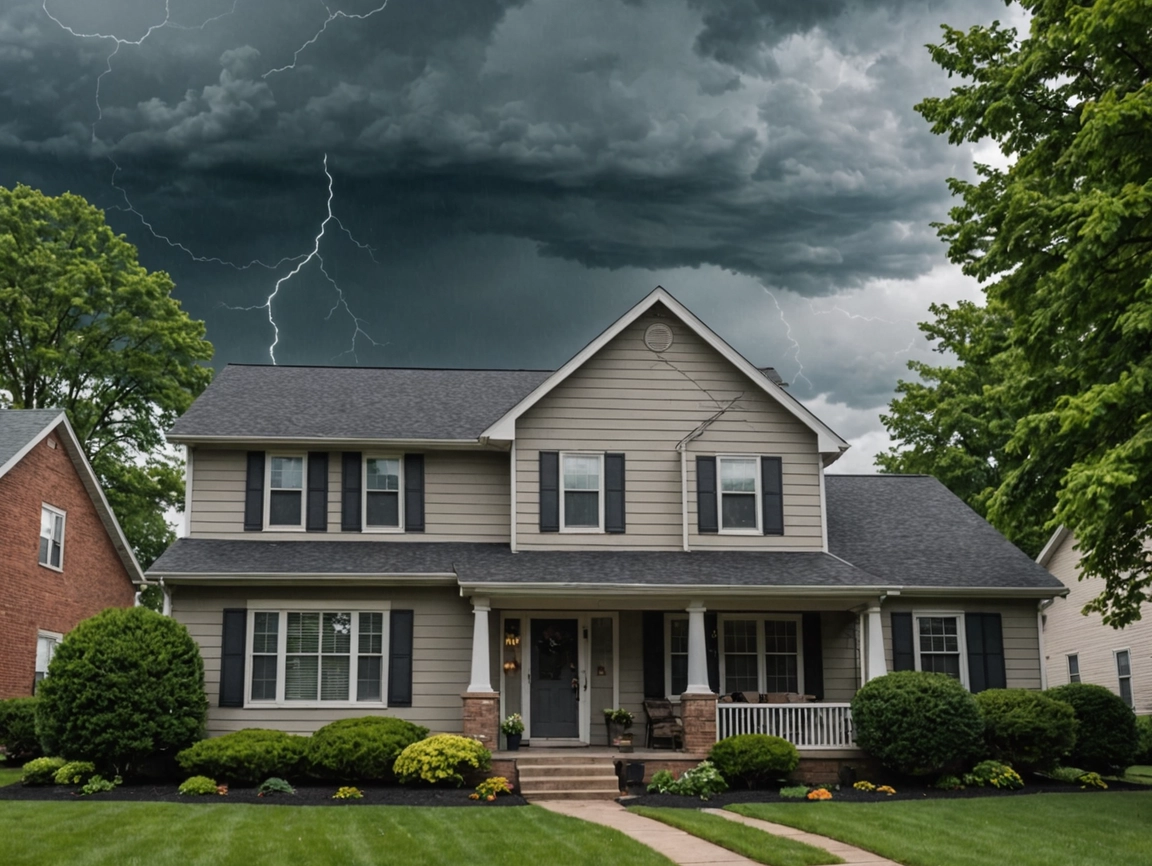
Montgomery County and surrounding counties see dozens of storm warnings every year. Even storms that last only a few minutes can damage roofs, siding, gutters, fences, windows, and HVAC units.
How Wind and Hail Damage Actually Happens
It’s not just the storm—it’s the combination of wind speed, duration, roof age, and building design. The most common types of damage include:
- Missing or lifted shingles: caused by uplift forces during wind gusts.
- Bruised or cracked shingles: a common effect of hail impact.
- Siding cracks and dents: especially on vinyl siding in older homes.
- Gutter separation: wind or hail hitting gutters at high velocity.
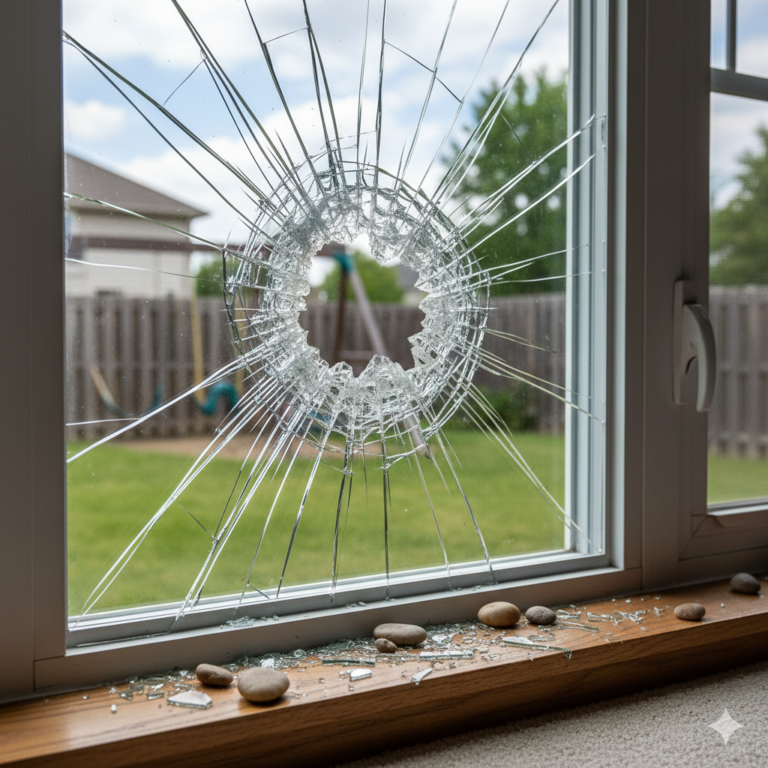
- Window damage: flying debris or large hailstones.
- HVAC fin damage: hail striking condenser coils.
Many homeowners don’t notice damage until a roofer performs an inspection—or until water begins seeping into the attic.
How Insurance Companies Handle Wind and Hail Claims in Ohio
Wind and hail claims are some of the most frequent losses filed by Ohio homeowners. Because construction pricing rises sharply during storm season, insurers have adapted by adjusting how they cover these events.
1. Roof Age Restrictions
Some companies offer Replacement Cost coverage only if your roof is below a certain age. Common cutoff points include:
- 10 years
- 12 years
- 15 years
- 20 years
Older roofs may automatically be covered at Actual Cash Value.
2. Hail-Specific Deductibles
Some carriers apply a separate deductible for hail or wind/hail claims. This might be:
- A flat amount (e.g., $1,000 or $2,500)
- A percentage of dwelling value (e.g., 1% or 2%)
This is more common in high-risk ZIP codes or areas with older housing stock.
3. Cosmetic Damage Exclusions
Cosmetic-only damage (such as small dents or granule loss) may be excluded, especially on:
- Metal roofs
- Specialty roofs
- Slate roofs
- Aluminum siding
The damage must impact functionality for a claim to be paid.
4. Roof Surface Payment Schedules
Some insurers use scheduled depreciation, which reduces payout based on roof age. This often results in far less money for older roofs—particularly important for homes in Dayton, Oakwood, Trotwood, and West Carrollton where roofs may be 20–50+ years old.
Wind and Hail Damage Across Different Roofing Types
Not all roofs respond the same way to storms. Here’s how common materials in Ohio fare:
Asphalt Shingles
- Most common roof type
- Highly vulnerable to uplift and hail bruising
- Insurance coverage often depends on age
Slate Roofs (Oakwood, Dayton Historic Districts)
- Extremely durable but brittle under hail impact
- Repairs can be expensive
- Insurance may require specialty contractors
Metal Roofs
- Highly resistant to wind uplift
- May show cosmetic dents from hail
- Cosmetic damage may not be covered without endorsement
Flat Roofs (found in multi-family and older Dayton buildings)
- Prone to membrane punctures from hail
- Wind uplift can peel seams or edges
Warning Signs of Wind and Hail Damage
You don’t always need to wait for a professional inspection—some signs are easy to spot:
- Curling, cracked, or missing shingles
- Granules collecting in gutters
- Dents on gutters, downspouts, or mailbox
- Dings on metal vents or roof flashings
- Hail marks on decks or AC units
- Water stains in ceilings or attic
How to Prepare Your Ohio Home Before the Next Storm
A few simple steps can drastically reduce storm-related damage:
- Trim branches near the roofline
- Secure loose items in yard
- Check gutters for blockages
- Inspect attic for leaks after storms
- Check caulking and flashing around vents and chimneys
How Wind & Hail Deductibles Work in Ohio
This is one of the most misunderstood parts of home insurance. Many Ohio homeowners don’t realize their wind/hail deductible may be:
- Higher than their standard deductible
- A percentage of their home’s insured value
- Automatically applied on roof claims
Percentage Deductible Example
If your home is insured for $300,000:
- 1% deductible = $3,000
- 2% deductible = $6,000
With rising repair costs in Ohio, understanding this number—before a storm happens—is critical.
Why Claims Spike in Montgomery County
The combination of aging roofs and recurring storms creates the perfect storm (pun intended) for high claim frequency. Neighborhoods with older roofs—like parts of East Dayton, Five Oaks, University Row, and older Oakwood sections—are far more likely to experience storm-related losses.
Internal Links (Topic Tags)
Recommended Cross-Site Resource
The 15-Year Roof Rule No One Warns Landlords About (Ohio Edition)
Final Thoughts
Wind and hail storms are a fact of life in Ohio, and understanding how your insurance responds is essential to protecting your home and finances. Whether you live in an older home in Dayton, a slate-roof neighborhood in Oakwood, or a newer subdivision in Miami Township, preparing your home—and your coverage—before the next storm can save you thousands of dollars and weeks of stress.
Get Help Reviewing Your Wind & Hail Coverage
At Ingram Insurance, we help Ohio homeowners understand how their roof, siding, windows, and other home systems are covered against wind and hail. If you’re unsure whether your home is properly protected, we’re here to help.
Ingram Insurance
733 Salem Ave
Dayton, OH 45406
📞 (937) 741-5100
📧 contact@insuredbyingram.com
🌐 www.insuredbyingram.com