Kettering’s Trail’s End Corridor & The Southern Blvd Corridor
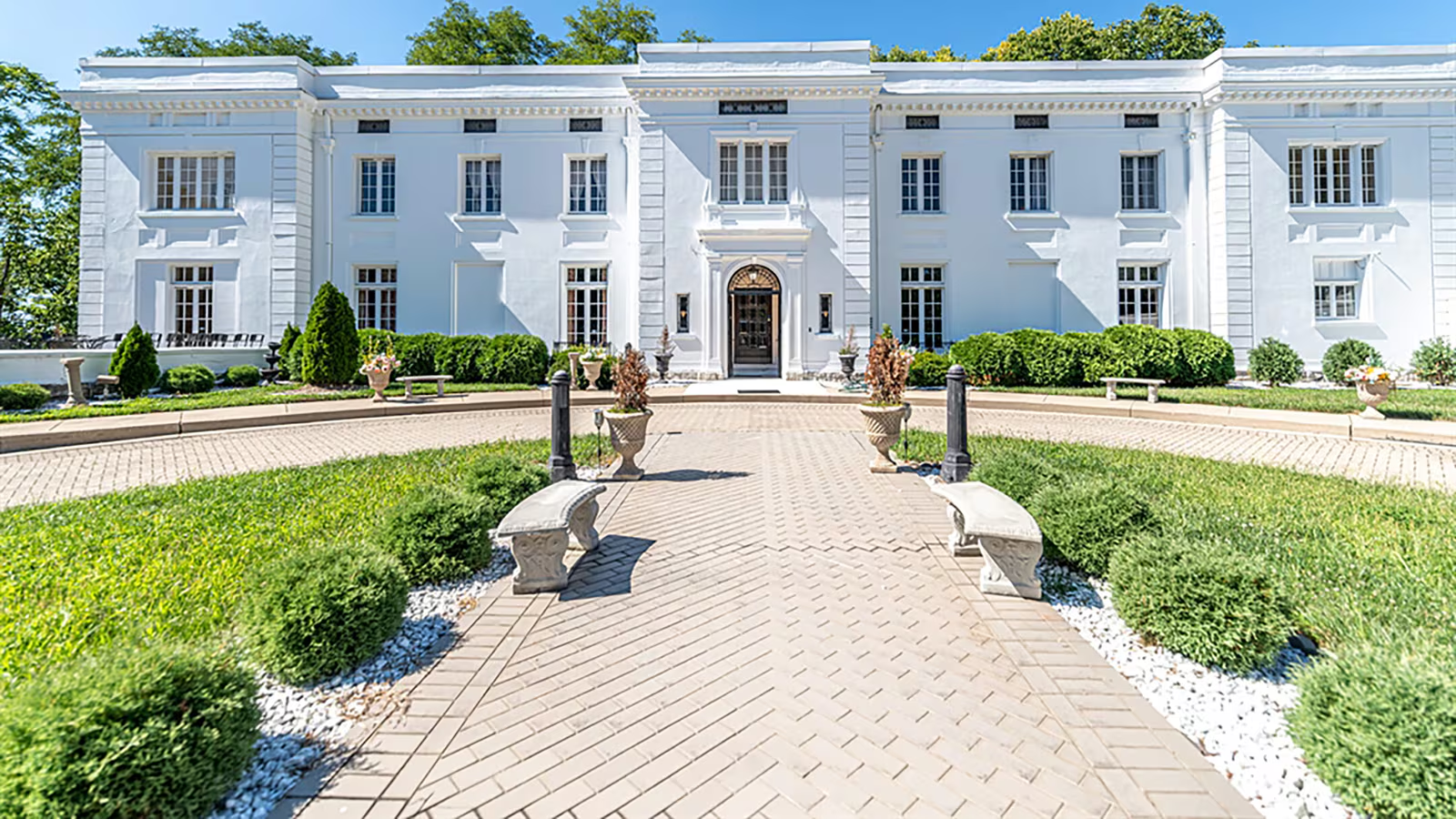
There is a section of Kettering that longtime Dayton-area residents speak about with a kind of quiet admiration—an enclave of historic architecture, estate-style homes, tree-lined streets, and one of the most significant private residences in Ohio’s political history. Unlike many neighborhoods, this part of Kettering does not carry a formal, widely recognized name. Yet its identity is unmistakable: a prestigious residential district clustered around Southern Boulevard, Big Hill Road, Governors Trail, Tait Road, Ridgeway, Atherton, Ridgeview, and the surrounding flower-named streets such as Bellflower, Blossom Heath, Cottonwood, Springdale, Stonebridge, and Mirimar. Centered around the former estate of Governor James M. Cox—known as “Trail’s End”—this district stands apart as one of Kettering’s most architecturally significant and high-value pockets. This deep-dive explores the history, housing stock, and unique insurance considerations of this remarkable part of Kettering.
The Historical Anchor: Trail’s End, the Governor’s Mansion
At the heart of this district stands the historic estate known as Trail’s End, once home to James M. Cox, the former Governor of Ohio and founder of the Dayton Daily News. The mansion itself is not simply a large home; it is a cultural landmark. Built in the early 1900s, the residence spans well over 15,000 square feet and sits on expansive private grounds with rolling terrain and mature hardwood trees. While privately owned today, its influence remains woven into the character of the surrounding area. The estate’s presence helped shape development patterns, encouraging larger lots, architecturally ambitious homes, and a distinctive sense of exclusivity.
The surrounding streets reflect this heritage. Homes along Governors Trail, Ridgeway Road, Atherton Road, and Laurelwood Drive often feature grand entrances, sweeping lawns, long driveways, and mature landscaping uncommon in most suburban Dayton neighborhoods. This setting creates a sense of continuity between the original estate and the upscale district that has grown around it over decades.
A Neighborhood Without a Formal Name—But With a Clear Identity
Unlike Oakwood or the smaller named districts within Dayton proper, this part of Kettering has no official neighborhood designation. Its identity is instead geographic and architectural. Locals describe it by its boundaries: below Dorothy Lane, east of Far Hills (Dixie), and surrounding Kettering Health Main Campus. The absence of a formal neighborhood name does not diminish its presence—if anything, it deepens the mystique. Residents recognize it by its wide setbacks, brick and stone homes, varied but elegant architecture, and a level of privacy uncommon in mid-century suburbs.
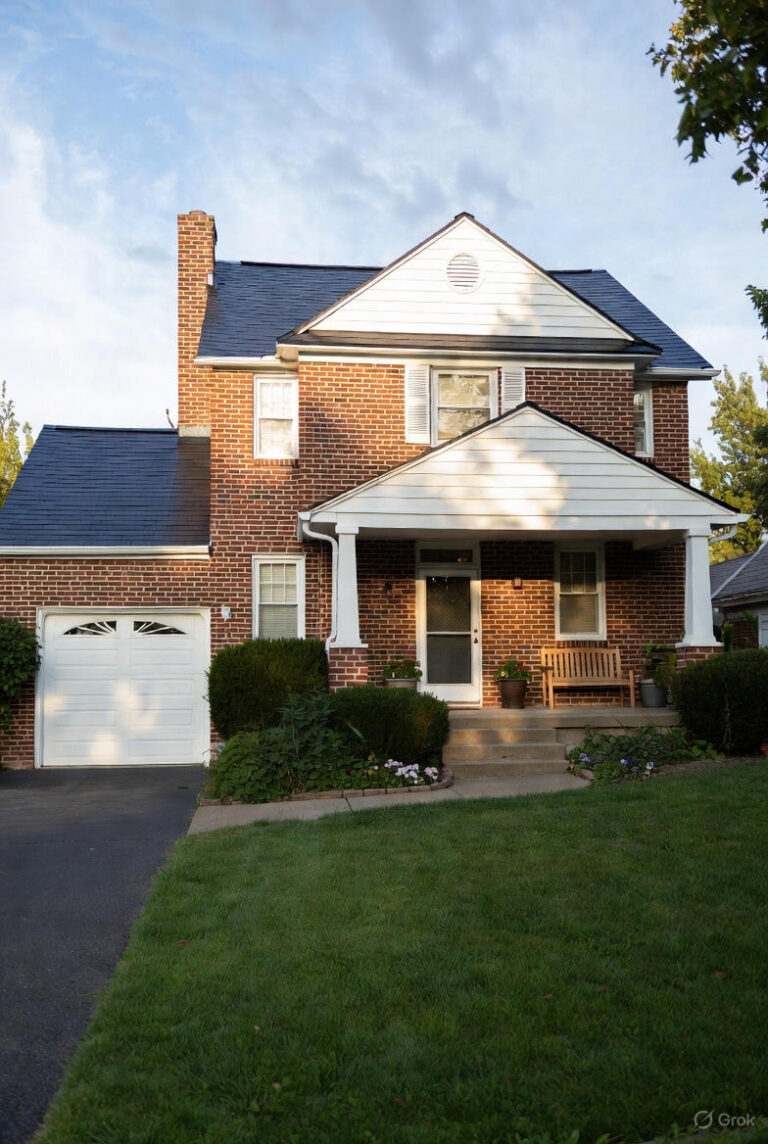
Driving through streets such as Big Hill Road or Ridgeway Road feels substantially different than driving through most of Kettering. The lot sizes are larger, the homes more substantial, and the architectural styles more diverse. Many homes are 3,000 to 5,000 square feet, and some exceed that figure substantially. Tudor influences, Colonial architecture, mid-century prestige builds, and custom masonry appear frequently. This variety gives the district an estate-like feel—suburban, but with a refined, almost semi-rural elegance.
The Architecture: Brick, Stone, and Timeless Construction
This district is dominated by all-brick and stone homes, often with steep roof pitches, custom masonry, and the type of craftsmanship that is increasingly rare in newer construction. Many homes were built between the 1930s and 1960s, an era when materials like brick-and-tile roofing, copper gutters, slate accents, and solid wood trim were common. The result is a neighborhood with exceptional structural durability—but also one that requires specialized insurance consideration due to the high replacement cost of these materials.
It is not uncommon to find homes with multiple fireplaces, intricate woodworking, oversized garages, and expansive attics or basements. Interior finishes often include plaster walls, hardwood flooring, built-in cabinetry, and other features that significantly raise replacement cost values compared to similarly sized homes elsewhere in Kettering. These attributes are part of what make the district so desirable—and part of what makes insuring these homes uniquely complex.
Lot Characteristics and Their Impact on Insurance Risk
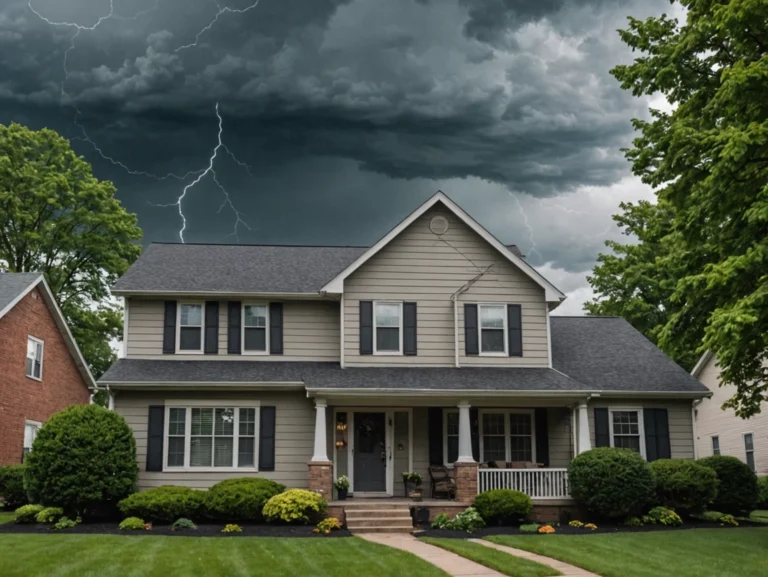
Large lots with mature landscaping are a defining feature of this district. Streets like Blossom Heath, Bellflower, and Cottonwood are lined with towering oaks, maples, and evergreens that have been growing for more than half a century. While undeniably beautiful, these trees introduce specific insurance considerations. During windstorms—especially the intense spring and summer weather common in the Miami Valley—large trees can fall or drop heavy limbs onto homes, garages, or power lines. Homeowners in this area often require higher tree debris removal limits and more robust windstorm coverage than those in newer developments.
The rolling terrain also influences risk. Big Hill Road, true to its name, slopes significantly, and many adjacent properties sit on gently elevated or recessed topography. This affects drainage patterns, basement moisture concerns, and the likelihood of sump pump use. While the soil composition varies across the district, many homes benefit from the natural drainage advantages provided by sloped lots—an advantage not always present in flatter parts of Kettering or Dayton.
Replacement Cost Considerations for High-Value Kettering Homes
The size, materials, and architectural detail of homes in this district often result in replacement cost values that exceed market values—sometimes dramatically. A home that would sell for $650,000 may require $950,000 or more to rebuild due to masonry, custom features, and structural complexity. This mismatch is common in historic and semi-historic areas and underscores the importance of accurate dwelling coverage limits.
Many homeowners are surprised when a replacement cost estimator generates figures far above their home’s listing price. Yet this is normal for properties with heavy brick construction, original masonry, or custom design elements. From an insurance perspective, insuring these homes correctly is vital. Underinsuring could leave homeowners responsible for substantial expenses after a major loss, while overinsuring leads to unnecessary premium costs. Local agents who understand the nuances of these homes are essential to striking the right balance.
Roof Age, Design, and the Challenges of Insuring Older Roofs
The roofs in this district vary widely, but many are steeply pitched, multi-gabled, or constructed with materials that age differently than standard architectural shingles. Slate shingles, clay tiles, and heavy dimensional shingles appear in pockets, and these materials require specialized expertise when assessing age and condition. Insurers often have stricter requirements for roof age when the roof design is complex or costly to replace.
For example, a 25-year-old dimensional shingle roof on a large two-story home along Ridgeview Road may still perform well, but insurers may request documentation, recent inspection reports, or photographs before agreeing to full Replacement Cost coverage. In some cases, carriers may default to Actual Cash Value coverage for older roofs—something homeowners should avoid if possible due to the significant out-of-pocket consequences during wind or hail claims.
Basements, Water-Backup Coverage, and Local Risk Factors
Most homes in this district include full basements, many of which are finished with high-end materials. These basements often serve as recreational areas, additional living space, or storage for valuable items. As a result, water-backup coverage is a critical consideration. A sump pump failure or mainline blockage could cause expensive damage, even if the foundation itself remains intact.
Unlike neighborhoods with frequent groundwater issues, this district has relatively good natural drainage thanks to its sloped terrain and mature landscaping. However, aging sewer infrastructure in certain pockets of Kettering, combined with increasingly severe rainfall events, means homeowners should not forgo water-backup protection. The value of the contents and finishes in these basements makes this endorsement essential, with many homeowners choosing $10,000 to $50,000 in coverage depending on their specific basement features.
Proximity to Kettering Health Main Campus: Benefits and Risks
The neighborhood’s proximity to Kettering Health Main Campus offers certain advantages, including exceptional access to emergency services and well-maintained surrounding infrastructure. However, living near a major medical campus also brings considerations such as increased traffic patterns, emergency vehicle frequency, and occasional construction-related disturbances. While these do not typically affect insurance premiums directly, they do contribute to a unique neighborhood environment that homeowners should be aware of.
Additionally, the presence of such a significant institutional anchor reinforces the neighborhood’s long-term property value stability. Homes in this corridor tend to hold value even during broader market fluctuations, thanks to the combination of location, lot size, and architectural significance.
The Lifestyle: Prestige, Privacy, and Community Identity
Beyond architecture and insurance considerations, this district offers a distinct lifestyle. Residents enjoy the privacy of larger lots, the beauty of mature trees, and the charm of winding suburban streets that feel more like a country estate than a typical neighborhood. The sense of history is palpable, especially along Governors Trail or near Trail’s End itself.
Despite its upscale feel, the district is integrated seamlessly into Kettering’s broader community fabric. Residents benefit from proximity to schools, parks, shopping, and some of the area’s best medical facilities. Walkability is strong on certain streets, and the gentle topography makes for scenic walking routes throughout the year.
Insurance Recommendations for Homes in This Prestige District
Homes in this part of Kettering require a more tailored insurance approach. Policies should focus on adequate dwelling coverage limits, especially considering the high cost of brick and masonry replacement. Roof coverage should be evaluated carefully to ensure Replacement Cost is maintained whenever possible. Water-backup coverage is critical due to the prevalence of finished basements, and Ordinance or Law coverage is essential for older homes that may require updated code compliance after a loss.
Liability coverage should also be considered carefully. Larger lots, outdoor amenities, and high-value interiors often warrant higher liability limits or umbrella policies. Homeowners with extensive landscaping or mature trees may want to increase debris removal limits or ensure their policy provides adequate coverage for tree-related damage.
Working with a local independent agent familiar with the district’s specific housing stock is invaluable. The complexity and uniqueness of these homes make one-size-fits-all policies inadequate. Ingram Insurance, located just minutes from this area, is well-positioned to help homeowners evaluate their needs with precision and local expertise.
Conclusion
The Trail’s End corridor and its surrounding streets represent one of the most distinctive and prestigious residential areas in Kettering. With grand homes, rich history, mature landscapes, and architectural character rarely found in modern suburbs, this district offers a lifestyle rooted in elegance and privacy. At the same time, its uniqueness introduces specific insurance considerations that homeowners should not overlook. By understanding the architectural details, risk factors, and coverage needs of these remarkable homes, residents can protect their investments and preserve the beauty of this exceptional neighborhood for generations to come.
For personalized insurance guidance tailored to homes in this district, Ingram Insurance is here to help.
Call: (937) 741-5100
Website: www.insuredbyingram.com