Winter Storm Prep for Ohio Homes: The Insurance Guide
Ohio winters are unpredictable. Some years bring light snowfall, and others hit Montgomery County, Dayton, and surrounding communities with ice storms, freezing rain, and heavy accumulation that strains roofs and freezes pipes. For homeowners in Ohio, winter weather is not just an inconvenience; it is one of the most significant sources of property damage and insurance claims statewide. This guide explains what Ohio homeowners need to know about winter storm preparation, what home insurance typically covers, where the common gaps are, and how to protect both your property and your financial position before temperatures drop.
Understanding Ohio Winter Storm Risks
Ohio winter hazards typically fall into several predictable categories that have very real insurance implications. The core risks are heavy snow, ice dams, freezing pipes, and ice storms that lead to power outages and falling trees. While they may look like “normal winter weather” on the surface, the way these events interact with the age and condition of your home can determine whether an insurance company will pay a claim or deny it.
Heavy Snow and Roof Damage
Whether you live in Dayton, Centerville, Kettering, or a more rural part of Montgomery County, heavy, wet snow can place substantial load on roofs. Modern roofing systems in good condition are generally designed to withstand this, but older roofs or those in poor condition are at higher risk of damage or collapse.
Most home insurance policies in Ohio provide coverage when a roof is damaged or collapses due to the weight of snow or ice, as long as the loss is sudden and accidental. However, carriers often limit or deny coverage when the roof is already at or beyond its reasonable life expectancy, when there is clear evidence of long-term deterioration, or where maintenance has been deferred for years. This is one of the reasons it is important to understand concepts such as the “15-year roof rule,” which we explore in detail in The 15-Year Roof Rule No One Warns Landlords About (Ohio Edition).
Ice Dams
Ice dams form when heat escaping from the home melts snow on the roof, which then refreezes at the colder roof edges or gutters. Over time, this creates a ridge of ice that prevents further meltwater from running off the roof. The trapped water can back up under shingles and leak into attics, walls, and ceilings.
From an insurance perspective, most policies in Ohio cover the resulting interior water damage when this occurs, assuming the damage is sudden and accidental. However, policies generally do not pay for removal of the ice dam itself or for correcting the underlying cause, such as inadequate insulation or poor ventilation. Those corrective measures are considered maintenance, not an insurable event.
Freezing Pipes
Frozen and burst pipes are among the most common winter claims in Dayton and throughout Montgomery County. When water freezes inside a pipe, it expands and can burst fittings, split pipes, and release large volumes of water once thawing occurs.
In many cases, home insurance will cover the resulting water damage and the reasonable tear-out required to access the broken plumbing. However, the pipe itself is often not covered, and claims can be denied if the damage is attributed to neglect, such as turning the heat off, failing to maintain minimum temperatures, or ignoring known problem areas. This issue is especially important for owners of vacant properties, rental homes, and short-term rentals.
Ice Storms and Power Outages
Ohio ice storms create a different kind of risk profile. Freezing rain can coat tree branches, power lines, vehicles, and surfaces with a heavy layer of ice. This can result in downed lines, broken limbs, snapped trees, and extended power outages. When sump pumps fail during an outage or heating systems shut down, secondary damage such as basement water intrusion or frozen pipes can follow.
Your home insurance policy may cover some of the resulting damage, but coverage for basement water, sump pump failure, and power outage–related losses is not uniform across carriers. Many homeowners are surprised to learn that certain types of water damage are excluded unless they have specific endorsements. We explore these nuances further in Understanding Home Insurance Coverage in Ohio.
What Winter Storm Damage Does Ohio Home Insurance Typically Cover?
Coverage varies by carrier and policy form, but there are common patterns in how winter storm damage is handled across Ohio. Understanding these patterns before a loss helps you set realistic expectations and adjust your coverage proactively.
Roof Damage from Snow or Ice
Roof damage or collapse caused by the weight of snow or ice is frequently listed as a covered peril on standard homeowners policies. In practice, this means that when the roof is reasonably maintained and within its useful life, a sudden failure due to an extreme winter event will often be covered, subject to the deductible and any roof-specific limitations.
However, when the roof is older—often 15 to 20 years or more for common asphalt shingles—insurers may apply actual cash value settlement rather than full replacement cost. That means depreciation is deducted from the payout. If the roof shows clear signs of long-term wear, granule loss, curling shingles, or prior leaks, the insurer may argue that the winter weather simply revealed a pre-existing condition rather than caused a new loss.
Frozen or Burst Pipes
Home insurance generally provides coverage for sudden and accidental discharge of water from plumbing systems, including breaks that result from freezing. Coverage typically extends to water-damaged drywall, flooring, cabinetry, and other building components and may include the cost of tearing out materials to access the broken pipe.
Exclusions arise when the home is not properly heated or when reasonable care to prevent freezing was not taken. For example, leaving a home vacant in January in Montgomery County with the heat turned off creates a strong basis for denial. Insurers expect homeowners and landlords to maintain adequate heat and take reasonable preventive steps.
Ice Dams and Interior Water Damage
When ice dams force water under shingles and into the home, most policies cover the water damage to interior finishes as long as it is sudden and accidental. This can include ceilings, walls, insulation, and sometimes personal property.
The cost to remove the ice itself, improve attic insulation, or correct ventilation is generally not covered. Those items fall into the category of home maintenance and energy efficiency upgrades, which are the responsibility of the homeowner.
Fallen Trees and Limbs
Winter storms that bring snow and ice often produce substantial tree damage. When a tree or limb falls onto a covered structure, such as the home, a detached garage, or a fence, most policies provide coverage for the damage and a limited amount for debris removal.
If a tree falls in the yard but does not hit a covered structure, there is often no coverage for cleanup unless there is a specific endorsement. It can be frustrating to see a large fallen tree that must be removed at your expense, but the policy is designed to address damage to insured structures rather than general yard maintenance.
Additional Living Expenses (ALE)
If winter storm damage renders your home uninhabitable, many homeowners policies include Additional Living Expenses, also known as Loss of Use. This coverage can reimburse temporary housing costs, increased food expenses, and certain other costs incurred while you are displaced, subject to policy limits and conditions.
ALE is particularly relevant after major water losses, electrical fires triggered by winter heating systems, or structural damage that makes the dwelling unsafe. Understanding the limits on this coverage before a loss can be helpful for planning.
Common Winter Claims in Ohio and Montgomery County
From our work with homeowners across Dayton, Trotwood, Beavercreek, and other parts of the Miami Valley, several categories of winter claims appear repeatedly. Frozen pipes in older homes are a leading cause, especially in properties with unfinished basements or crawlspaces. Roof leaks after significant snow followed by rapid warming are also frequent, particularly in homes with older roofing systems or poor attic ventilation.
Wind-driven snow that infiltrates attic vents, gables, or other openings can lead to unexpected interior damage. Tree damage from overnight ice accumulation and basement water issues following sump pump failures during power outages are also routine. Homes built before 1980 tend to carry elevated risk because of older insulation standards, legacy plumbing, and aging electrical systems.
Winter Preparation Checklist for Ohio Homeowners
Effective winter preparation for an Ohio home is not a single task but a set of practical steps that should become an annual routine. Homeowners who treat this as part of their fall home management often experience fewer losses and smoother claims when something does occur.
Protecting Plumbing Systems
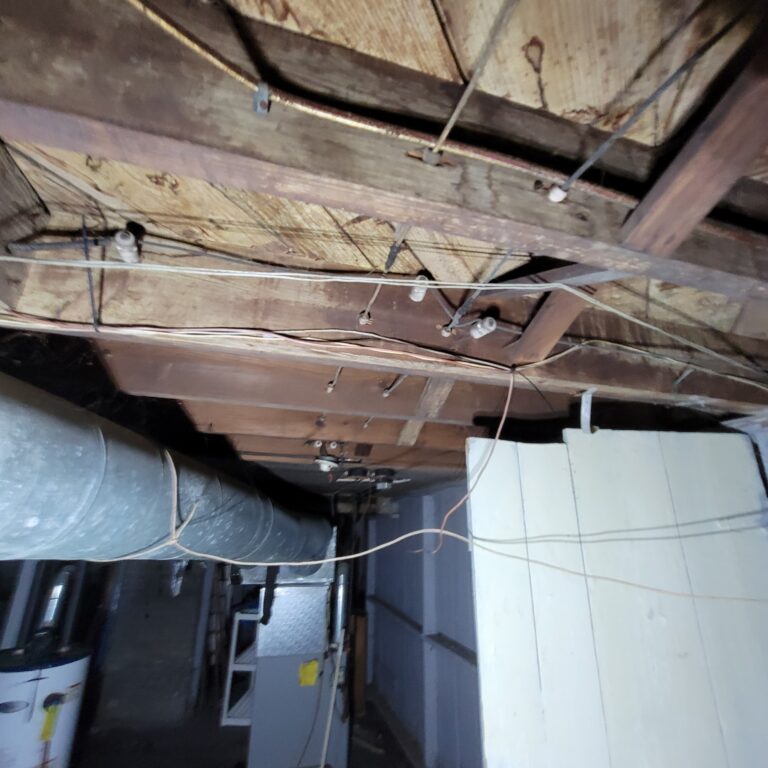
The first priority is protecting plumbing. Exposed pipes in basements, crawlspaces, garages, and exterior walls are especially vulnerable. Insulation wraps can reduce the risk of freezing. Maintaining indoor temperatures at or above a reasonable minimum, often around 65 degrees Fahrenheit, even during absences, is crucial. On exceptionally cold nights, opening cabinet doors under sinks can allow warmer air to circulate around plumbing, and permitting a very slight faucet drip can help keep water moving.
For landlords and owners of short-term rentals, remote thermostat monitoring and clear rules for minimum heat settings provide an extra layer of protection. It is also important to know the location of the main water shutoff and to ensure every adult in the household understands how to use it. In a burst pipe situation, shutting off the water quickly can be the difference between a manageable repair and a large-scale reconstruction.
Inspecting Roofs and Gutters
Before winter sets in, gutters should be cleaned thoroughly so melting snow and rain can drain freely. Loose or missing shingles should be addressed, and any known leak points should be repaired. In neighborhoods with older housing stock, such as parts of Oakwood, Kettering, and older Dayton suburbs, complex rooflines can be especially prone to ice dam formation.
Attic insulation should be inspected for consistent coverage and dryness, and ventilation should allow moist air to escape rather than condense under the roof deck. These steps not only reduce ice dam risk but also improve heating efficiency.
Winterizing Outdoor Systems
Exterior water systems need particular attention. Garden hoses should be disconnected and drained. Outdoor spigots should be shut off at interior valves where possible and allowed to drain. Irrigation systems should be professionally winterized in many cases. Patio furniture, grills, and other outdoor items should be stored or secured to prevent wind or snow damage.
Managing Trees and Limbs Near Structures
Mature tree canopies add character to many Montgomery County neighborhoods, including areas such as Belmont, Five Oaks, and Walnut Hills, but they also create risk. Dead or diseased limbs should be removed, and branches that overhang roofs, driveways, or power lines should be evaluated by a qualified arborist. A relatively modest investment in trimming can prevent considerable damage when ice and snow accumulate.
Preparing for Power Outages
Winter power outages are not uncommon in Ohio. Homeowners can reduce risk by installing backup sump pumps, adding water alarms in basements, and using appropriate surge protection for major appliances and electronics. Households should keep flashlights, batteries, and basic supplies in a consistent location so they are easy to locate in the dark.
How Homeowners Can Reduce Winter Insurance Risk
Several upgrades and risk mitigation steps can improve both safety and insurability. Enhanced insulation and ventilation not only help prevent ice dams but also reduce heating costs and improve interior comfort. Replacing aging water heaters before they fail is another high-impact action; many burst water heaters fail without any early warning, and units older than ten to twelve years carry elevated risk.
Smart home technology has also become relevant to insurance underwriting. Some carriers offer discounts for smart thermostats, water leak detectors, automatic water shutoff valves, and similar devices. These tools are particularly useful for landlords, real estate investors, and owners of multiple properties, where early detection of issues can avoid large losses.
Does Home Insurance Help When You Lose Heat in a Winter Storm?
Homeowners are sometimes surprised to learn that a temporary loss of heat, by itself, is not usually an insurable event. Insurance responds to direct physical damage from covered perils. If a winter storm causes a power outage that leads to frozen pipes and a resulting water loss, that resulting damage may be covered, depending on policy language and circumstances.
On the other hand, if a furnace fails due to age or lack of maintenance and there is no direct storm involvement, the repair or replacement of that furnace is typically not covered by home insurance. Some of the resulting damage may be covered if it meets the definition of a sudden and accidental loss, but equipment breakdown itself is generally excluded unless a specific endorsement is in place.
Special Considerations for Landlords and Short-Term Rental Hosts
Landlords and short-term rental hosts face unique winter risks. Properties that experience intermittent or seasonal occupancy can sit empty during cold spells, making them vulnerable to unnoticed freezes and leaks. Tenants may not always report minor issues promptly, which allows small problems to become significant losses.
For these owners, having adequate dwelling coverage, liability protection, and Loss of Rents coverage is essential. Winter-related losses that make a property temporarily uninhabitable can impact cash flow; loss of rents coverage is designed to address that. Clear lease provisions regarding minimum heat levels, reporting responsibilities, and access for maintenance can also reduce disputes during a claim.
Common Coverage Gaps Related to Ohio Winters
Several coverage gaps recur in Ohio home insurance files, especially in the context of winter weather. One frequent issue is limitations on roof age. Some insurers specify that roofs beyond a certain age, such as 15 years for asphalt shingles, are covered only on an actual cash value basis. Homeowners in that situation may receive far less than the full replacement cost after a winter-related failure.
Another gap involves water backup or sump pump failure coverage. This protection is often not included automatically and must be added via endorsement. Basement water issues arising from sump pump failure during winter storms can be expensive, and homeowners who lack this endorsement may find that the loss is largely excluded.
Equipment breakdown coverage is another area where homeowners can add meaningful protection. This optional coverage typically extends to mechanical and electrical systems such as furnaces, boilers, heat pumps, and certain major appliances. The cost is relatively modest compared to the potential out-of-pocket expense if a critical system fails.
Finally, deductibles play a practical role. Some homeowners opt for deductibles of $2,500, $5,000, or higher to reduce premiums. While this strategy can make sense from a budgeting perspective, it also means that many smaller winter losses will not justify filing a claim. Knowing where your deductible stands before a loss helps you decide when to involve your insurer.
Regional Winter Risk Differences Within Ohio
Ohio is not uniform in its winter weather patterns. Northwest Ohio often experiences significant wind chill and blowing or drifting snow, which can affect drivability and roof load. Northeast Ohio, influenced by lake-effect snow, can see very heavy accumulation and more frequent high-snow events.
Central and Southern Ohio, including Montgomery County, tend to experience a combination of snow, ice storms, and rapid temperature swings. These rapid changes can be especially hard on plumbing and roofing systems. The region’s position, where colder northern air meets warmer southern air, makes it a frequent zone for freezing rain and mixed precipitation events that create ice on trees, power lines, and roadways.
Interior Restoration and Design After a Winter Loss: Color & Style Dayton
When winter damage does occur, the claim is only part of the story. The quality of interior restoration determines how the home feels once repairs are complete. This is where thoughtful materials and design matter, especially if flooring, cabinetry, or surfaces have been damaged by water or ice-related events.

Color & Style Dayton is a local resource for homeowners who are planning upgrades or working through the repair process after a claim. The company focuses on flooring, cabinets, countertops, and coordinated interior finishes. Cold-weather months in Ohio are often an opportune time to undertake interior projects, as outdoor work slows and contractors may have greater availability. If a winter storm results in interior damage, working with a dedicated interior provider helps ensure that the final result is not just restored, but improved.
Homeowners can visit colorandstyledayton.com to explore options, request consultations, or begin planning interior updates independent of any claim.
When to File a Claim and When to Pause
Knowing when to involve your insurer is an important part of managing winter risk. Claims should generally be filed when damage is sudden, accidental, and clearly above your deductible, especially when structural components, safety, or significant water intrusion are involved. Large roof failures, frozen pipe events with substantial water damage, and situations that create mold risk are examples where prompt claims handling matters.
On the other hand, minor issues that are well below the deductible or clearly attributable to long-term wear and tear may be better handled out of pocket. Filing claims for small, borderline situations can create frustration without delivering meaningful financial relief. A practical approach is to talk with your independent agent first, before opening a formal claim, to review the circumstances and expected cost.
How to Make a Winter Storm Claim More Efficient
When a winter storm loss occurs, a few disciplined steps help claims proceed more smoothly. Documenting the scene with clear photographs from multiple angles provides adjusters with a reliable record of the condition right after the event. Stopping ongoing damage by shutting off water, covering openings, or drying standing water is crucial. Keeping receipts for any temporary repairs or emergency services will support reimbursement.
It is also advisable not to discard damaged materials or contents until the adjuster has either inspected in person or given written guidance. During large regional storms, insurers and restoration firms in areas such as Montgomery County can become overloaded. Working with a local agency that knows how to communicate with these teams can help keep your file moving.
Conclusion: Winter Weather as a Manageable Insurance Risk
Winter in Ohio will always bring a combination of snow, ice, freezing temperatures, and the occasional severe storm system. For homeowners in Dayton, Huber Heights, Oakwood, Washington Township, and throughout Montgomery County, the key is not to eliminate winter risk but to manage it thoughtfully. Practical preparation, informed coverage choices, and a clear understanding of policy limitations turn winter from a looming threat into a manageable part of home ownership.
Reviewing roof age and condition, confirming water backup and equipment breakdown coverage, shoring up insulation and attic ventilation, and paying attention to plumbing vulnerabilities are all part of a responsible winter readiness plan. When these steps are combined with a well-structured home insurance policy, unexpected events become disruptions rather than financial disasters.
Get Help Protecting Your Ohio Home This Winter
Ingram Insurance is an independent agency based in Dayton, serving homeowners across Ohio with personalized guidance on winter risk and home insurance coverage. If you would like a straightforward review of your current policy, or if you are unsure how well your home is protected against winter events, our team is ready to help.
Ingram Insurance – Dayton’s Independent Insurance Agency for Ohio Homeowners
Address: 733 Salem Ave, Dayton, OH
Phone: (937) 741-5100
Website: www.insuredbyingram.com
Email: contact@insuredbyingram.com