Builder’s Risk vs. General Liability: What Every Real Estate Developer Needs to Know in 2026
Real estate development involves risk long before a property is finished or occupied. One of the most common—and costly—mistakes developers make is assuming that general liability insurance alone is enough to protect a project under construction. In reality, builder’s risk and general liability serve very different purposes. This guide explains the difference between builder’s risk vs. general liability, how each policy works, and why the right insurance structure is essential for property developer insurance and long-term project success.
Builder’s Risk vs. General Liability: What Every Real Estate Developer Needs to Know
Every real estate development project carries risk from day one. Materials are delivered, subcontractors come and go, weather becomes a factor, and significant capital is tied up long before a project generates income. Yet many developers—especially those newer to ground-up construction or major renovations—confuse two critical coverages: builder’s risk insurance and general liability insurance.
Understanding the difference between these policies is foundational to proper insurance for real estate developers. Each plays a distinct role, and relying on one without the other can expose a developer to losses that are entirely preventable.
What Is Builder’s Risk Insurance?
Builder’s risk insurance is a form of property insurance designed to protect a structure while it is under construction or undergoing significant renovation. Unlike a standard property policy, it is temporary and project-specific, covering the physical building and materials until construction is complete.
For developers, builder’s risk is often the backbone of property developer insurance during the construction phase.
What Builder’s Risk Typically Covers
Builder’s risk insurance is designed to protect the physical investment in a project while it is being built, renovated, or substantially improved. Unlike permanent property insurance, it exists specifically for the construction phase—when a structure is most exposed to loss and has not yet reached its final, insurable state.
While coverage varies by carrier, policy form, and endorsements, builder’s risk insurance commonly covers the core elements that represent a developer’s capital at risk during construction.
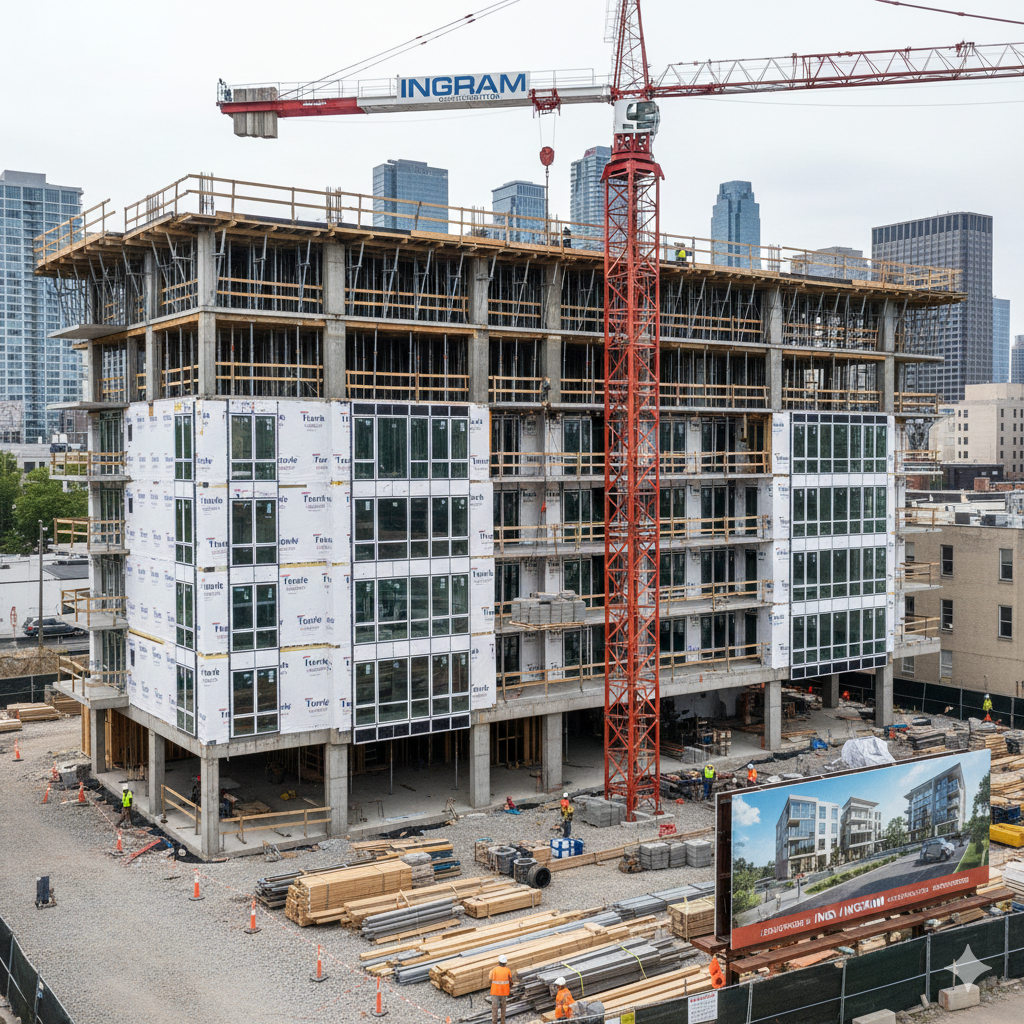
The Building Under Construction
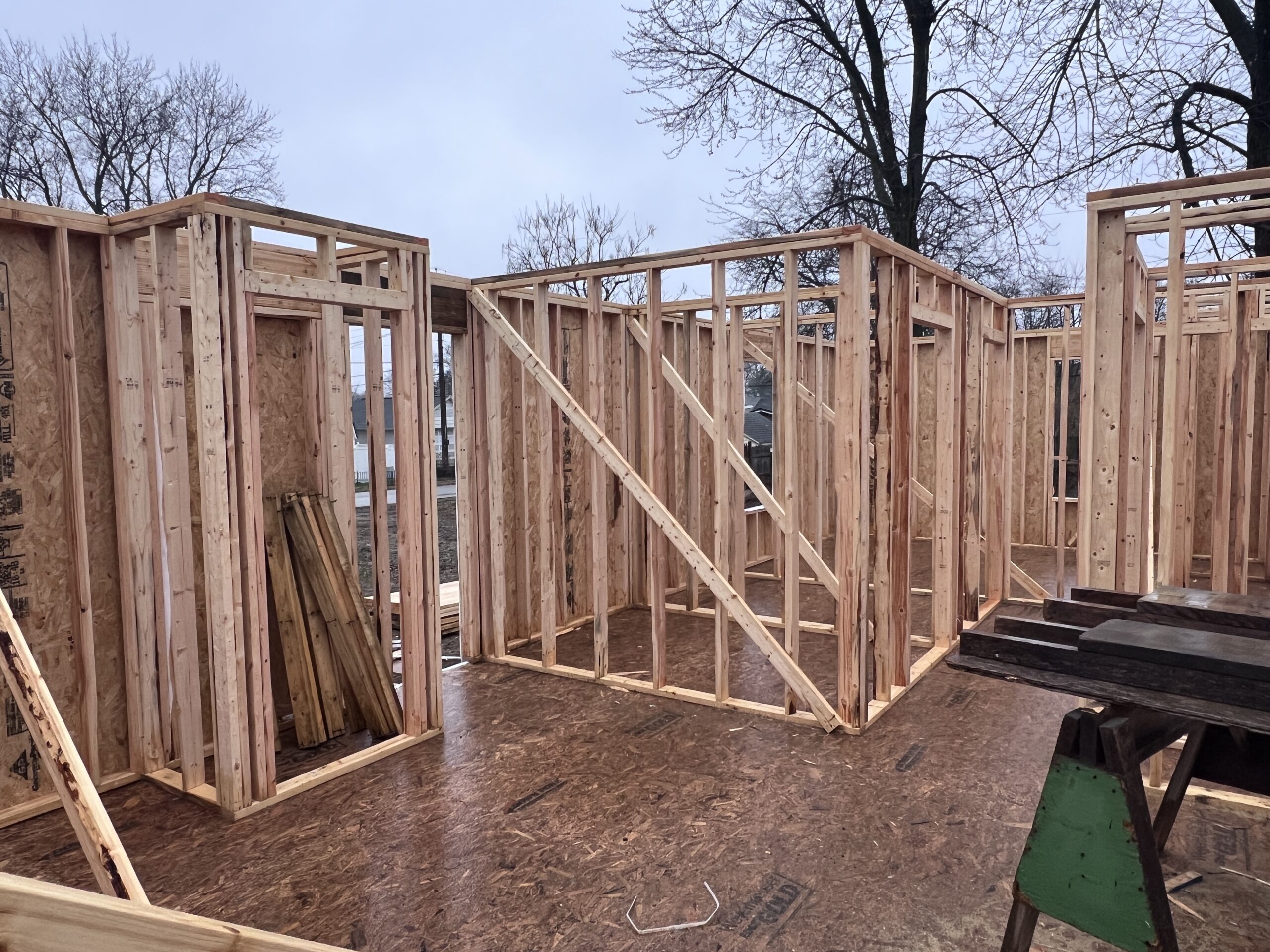
The primary purpose of builder’s risk insurance is to cover the structure itself as it takes shape. This includes the partially completed building at every stage of construction, from initial framing through interior finishes.
If a fire, wind event, or other covered loss damages the structure before it is complete, builder’s risk is the policy intended to respond. Without this coverage, the cost to rebuild or repair would typically fall directly on the developer, potentially jeopardizing financing, timelines, and future profitability.
For real estate developers, this is one of the most critical components of property developer insurance, as the value of the project increases steadily as construction progresses.
Materials Stored On-Site or In Transit
Builder’s risk insurance often extends beyond the structure itself to include building materials, fixtures, and supplies intended for the project. This may include materials stored on the job site, temporarily stored off-site, or in transit to the location.
This protection is especially important in today’s construction environment, where material costs are high and supply chain delays are common. Theft of copper, appliances, HVAC units, or specialty materials can result in significant financial losses and project delays.
Without builder’s risk coverage, stolen or damaged materials may not be insured at all—particularly if ownership has already transferred to the developer but installation has not yet occurred.
Damage Caused by Fire, Wind, Hail, Vandalism, or Theft
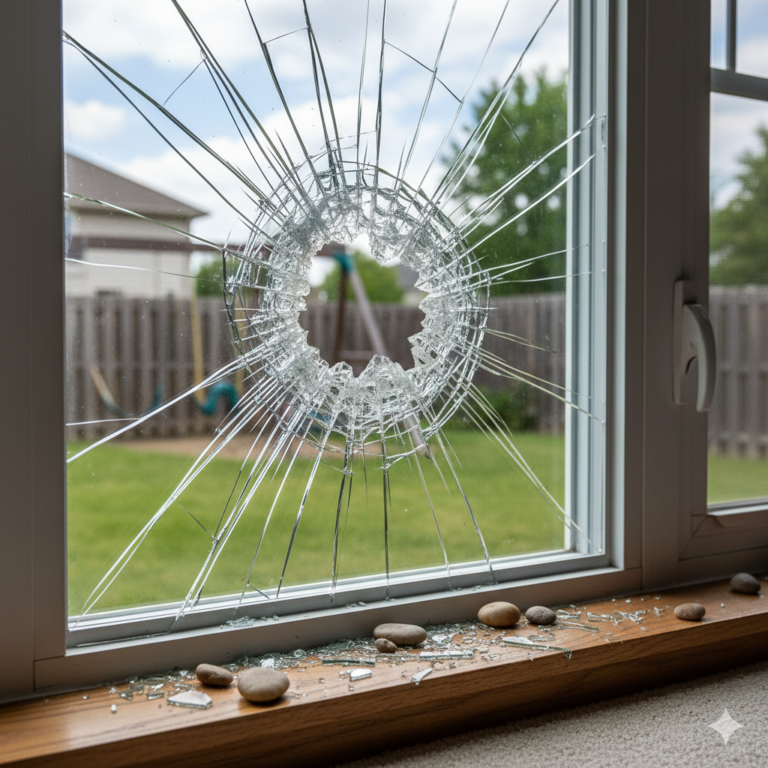
Most builder’s risk policies are written on a “covered causes of loss” basis, meaning they insure against a defined list of perils. Common covered causes include fire, wind, hail, vandalism, and theft.
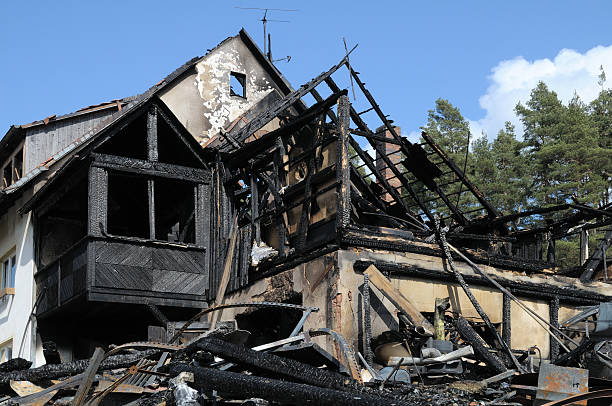
These are among the most frequent and costly risks during construction. A small fire can destroy framing and wiring. A severe storm can damage roofing and exposed interiors. Vandalism or theft can halt progress and force costly reorders.
For developers, builder’s risk serves as a financial backstop against events that are largely outside of anyone’s control but occur with enough frequency to represent a real threat to project viability.
Certain Weather-Related Losses (Subject to Exclusions)
Weather is one of the most misunderstood aspects of builder’s risk insurance. While policies commonly cover damage caused by wind and hail, other weather-related losses—such as flood, surface water, or earth movement—are often excluded unless specifically endorsed.
This distinction is critical. Many developers assume that “storm damage” is fully covered, only to discover after a loss that certain causes were excluded. Coverage may also vary based on project location, seasonality, and carrier appetite.
An experienced advisor can help identify where weather-related gaps exist and whether supplemental coverage is appropriate for a specific project.
Without builder’s risk insurance, a single fire, theft, or storm event can wipe out months of work and capital investment. For developers operating on tight margins or lender-imposed timelines, this kind of loss can be catastrophic.
What Builder’s Risk Does Not Cover
Despite its importance, builder’s risk insurance is not a catch-all policy. One of the most common mistakes in insurance for real estate developers is assuming builder’s risk will respond to losses it was never designed to cover.
Injuries to Workers or Third Parties
Builder’s risk insurance does not provide liability protection. If a worker, visitor, or passerby is injured on the job site, builder’s risk will not respond to medical bills, lawsuits, or legal defense costs.
These exposures are typically addressed through general liability insurance and workers’ compensation policies carried by contractors. However, developers may still face liability depending on contract structure, site control, and additional insured status.
Relying on builder’s risk for injury-related claims is a common and costly misunderstanding.
Damage Caused by Faulty Workmanship (In Many Cases)
Another frequent point of confusion involves defective or faulty workmanship. While builder’s risk may cover resulting damage caused by a covered peril, it often excludes the cost to repair or replace defective work itself.
For example, if faulty wiring causes a fire, the fire damage may be covered—but the cost to redo the defective wiring may not be. This distinction matters because developers often assume any construction-related damage is automatically insured.
Understanding where builder’s risk ends and contractor responsibility begins is essential to managing risk effectively.

Equipment Owned by Contractors
Tools, machinery, and heavy equipment owned by contractors are generally not covered under a developer’s builder’s risk policy. Those items are typically insured under contractor equipment or inland marine policies carried by the contractor.
If a contractor’s equipment is stolen or damaged, the developer’s builder’s risk policy is unlikely to respond unless ownership or insurance responsibility is clearly defined otherwise.
This is why contract review and insurance coordination are critical components of property developer insurance.
Completed Operations After the Project Is Finished
Builder’s risk insurance is temporary by design. Once construction is complete—or once the project reaches a defined occupancy or completion threshold—builder’s risk coverage ends.
At that point, permanent property insurance and completed operations liability coverage must be in place. Gaps between builder’s risk expiration and permanent coverage activation are a common source of uninsured losses.
This transition phase is where many developers mistakenly assume “another policy will pick it up.” Often, it won’t—unless the coverage was coordinated in advance.
For real estate developers, the takeaway is simple: builder’s risk is essential, but incomplete on its own. It must be paired with general liability, properly structured contracts, and permanent coverage planning to fully protect both the project and the business.
What Is General Liability Insurance?
General liability insurance is designed to protect a business against claims made by third parties who allege bodily injury, property damage, or certain personal or advertising injuries. For a real estate developer, this coverage responds when someone claims that your development activity caused them harm.
Construction sites are inherently dynamic environments. Subcontractors, inspectors, vendors, neighbors, and the general public may all be exposed to risk during the course of a project. General liability insurance exists to absorb the financial impact of lawsuits, medical claims, and legal defense costs that arise from those interactions.
For this reason, general liability is a cornerstone of insurance for real estate developers. However, it is important to understand what it does—and does not—protect. General liability addresses people and legal claims, not the physical structure under construction.
What General Liability Typically Covers
General liability insurance provides broad protection against common third-party claims that can arise during development and construction. While coverage varies by policy form and endorsements, it typically includes the following areas of exposure.
Injuries to Visitors or Passersby at the Job Site
One of the most significant risks for a real estate developer is bodily injury to someone who is not an employee of a contractor. This could include pedestrians, neighbors, inspectors, delivery drivers, or prospective buyers who enter or pass near the site.
If someone is injured due to debris, uneven ground, inadequate signage, or other site-related hazards, general liability insurance may respond by covering medical expenses, legal defense costs, and settlements or judgments—subject to policy limits and exclusions.
Property Damage to Neighboring Buildings
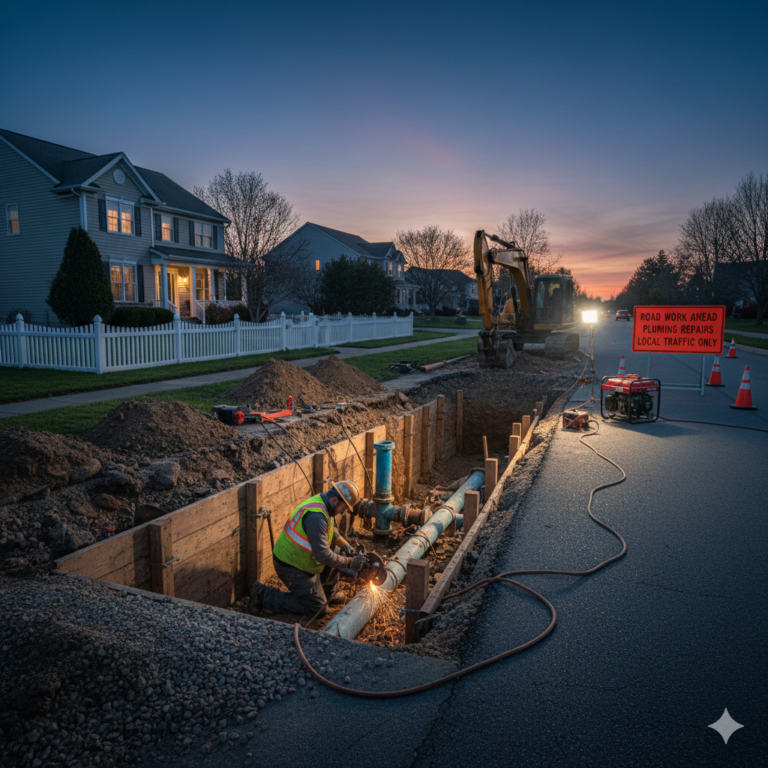
Development activity can create risk beyond the property line. Excavation, demolition, heavy equipment, or structural work can damage adjacent buildings, utilities, or infrastructure.
For example, if vibration from construction causes cracks in a neighboring structure or equipment damages a nearby property, general liability insurance is typically the coverage designed to respond to those claims.
For urban or infill projects, this exposure is especially important for real estate developers operating in close proximity to existing buildings.
Legal Defense Costs for Covered Claims
Even when a claim is unfounded, legal defense can be expensive. General liability insurance generally includes defense costs for covered claims, which can be significant even if the developer is ultimately found not liable.
For a real estate developer, legal defense protection alone can justify carrying strong general liability limits, as litigation costs can escalate quickly regardless of fault.
Certain Premises and Operations Exposures
General liability policies also address risks associated with ongoing operations at the job site. This includes exposures tied to site conditions, access, temporary structures, and day-to-day construction activity.
While contractors carry their own liability insurance, developers may still be named in lawsuits due to ownership, control of the site, or contractual obligations. General liability coverage helps protect against these downstream risks.
For example, if a pedestrian is injured by falling debris or a neighboring structure is damaged during construction, general liability is the policy that responds.
What General Liability Does Not Cover
Despite its importance, general liability insurance has clear limitations. One of the most common mistakes a real estate developer can make is assuming general liability insurance will protect the physical project itself.
Damage to the Building Under Construction
General liability insurance does not cover damage to the building being constructed or renovated. Losses caused by fire, wind, collapse, or vandalism to the structure itself fall outside the scope of general liability.
This is the role of builder’s risk insurance. Without it, the developer may be forced to absorb the cost of rebuilding or repairs.
Loss of Materials Due to Fire or Theft
Materials, fixtures, and supplies intended for the project are not covered under general liability insurance if they are damaged or stolen. These losses are typically addressed under builder’s risk policies, not liability coverage.
Developers who rely solely on general liability may discover after a theft or fire that there is no coverage for these losses.
Weather Damage to Unfinished Structures
Weather-related damage—such as wind or hail impacting an unfinished structure—is not a general liability exposure. These losses do not involve third-party claims and therefore fall outside the scope of liability coverage.
This distinction is critical. Real estate developers who rely only on general liability insurance may discover—too late—that the physical project is uninsured.
Proper insurance planning requires understanding that general liability protects against claims and lawsuits, while builder’s risk protects the project itself. Both are essential, but neither is sufficient on its own.
Builder’s Risk vs. General Liability: Key Differences
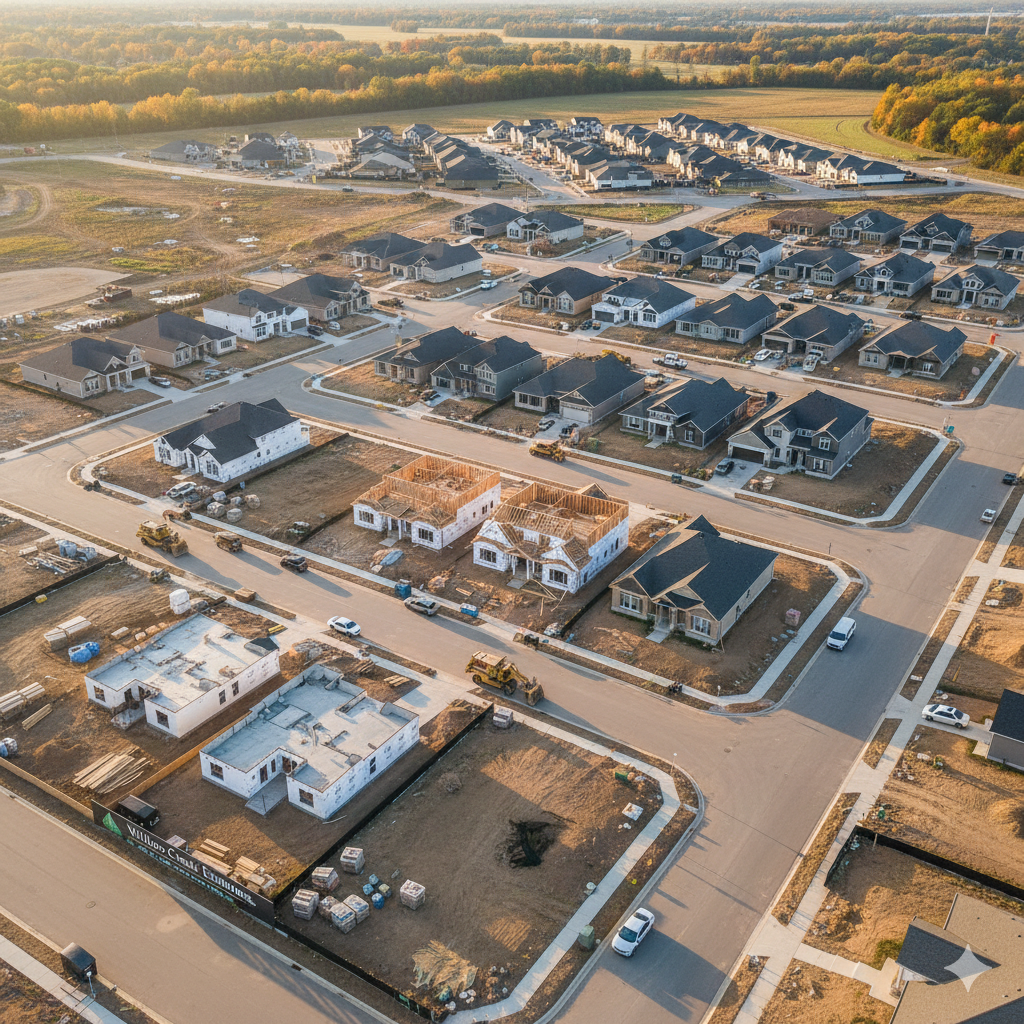
Builder’s risk insurance and general liability insurance are both essential components of a well-structured insurance program for a real estate developer, but they serve fundamentally different purposes. Confusing the two—or assuming one replaces the other—is one of the most common and expensive insurance mistakes developers make.
At a high level, the distinction is simple but critical.
Builder’s risk insurance focuses on protecting the physical project itself. It is designed to insure the structure under construction, the materials that make up that structure, and the capital investment tied up in the project before it is complete.
General liability insurance, on the other hand, focuses on protecting the developer from third-party claims. It responds when someone alleges bodily injury, property damage, or other covered harm arising out of the development or construction activity.
In practical terms, builder’s risk protects what you are building, while general liability protects you from claims arising out of the work being done.
Because real estate development exposes both the project and the public to risk at the same time, most developers need both policies working together—not one or the other.
Why the Difference Matters for Real Estate Developers
For a real estate developer, the financial risks during construction fall into two broad categories:
• Loss or damage to the project itself
• Lawsuits or claims made by third parties
Builder’s risk addresses the first category. General liability addresses the second. When either coverage is missing or misunderstood, losses tend to fall into uninsured gaps that can stall projects, violate loan requirements, or create long-term financial strain.
This separation of roles is why lenders, investors, and experienced developers view both policies as non-negotiable components of professional property developer insurance.
Builder’s Risk vs. General Liability: Side-by-Side Comparison
| Coverage Area | Builder’s Risk Insurance | General Liability Insurance |
|---|---|---|
| Primary Purpose | Protects the physical building and materials during construction | Protects the developer from third-party injury and property damage claims |
| Who It Protects | The real estate developer’s financial investment in the project | The developer’s business against lawsuits and liability claims |
| Structure Under Construction | Covered (subject to limits and exclusions) | Not covered |
| Materials and Supplies | Often covered on-site, off-site, or in transit | Not covered |
| Fire, Wind, Hail, Theft | Typically covered causes of loss | Not covered |
| Injuries to Third Parties | Not covered | Covered (subject to policy terms) |
| Damage to Neighboring Property | Not covered | Covered (subject to policy terms) |
| Legal Defense Costs | Generally not applicable | Typically included for covered claims |
| Duration of Coverage | Temporary (ends at completion or occupancy) | Ongoing, as long as the policy is active |
| Required by Lenders | Almost always required for construction financing | Commonly required for development projects |
How These Policies Work Together in Practice
For a real estate developer, builder’s risk and general liability are not overlapping protections—they are complementary. Each responds to a different type of loss, and both are necessary to fully protect a project during construction.
Consider a single construction incident:
• A storm damages the unfinished structure → builder’s risk responds
• Debris from that damage injures a passerby → general liability responds
If only one policy is in place, half of the risk remains uninsured.
This is why experienced developers do not ask, “Which policy do I need?” Instead, they ask, “How do these policies work together to protect the project, the business, and the balance sheet?”
Proper insurance for real estate developers starts with understanding this distinction—and structuring coverage accordingly.
Why Real Estate Developers Often Get This Wrong
Many developers assume that coverage carried by contractors is sufficient. While contractors typically carry their own general liability and workers’ compensation insurance, those policies primarily protect the contractor—not the developer’s financial interest in the project.
Another common mistake is assuming builder’s risk is automatically included in a commercial property or landlord policy. In most cases, it is not.
Proper property developer insurance requires coordination: builder’s risk, general liability, contractor coverage, and often excess liability or umbrella insurance working together.
Which Policy Do Real Estate Developers Actually Need?
The answer is almost always: both.
Builder’s risk and general liability are not substitutes. They are complementary. A well-structured insurance program for real estate developers includes:
• Builder’s risk for the physical project
• General liability for third-party claims
• Contractual risk transfer with subcontractors
• Additional insured endorsements where appropriate
The exact structure depends on project size, financing requirements, lender mandates, and the scope of work.
How Lenders View Builder’s Risk and General Liability
Most construction lenders require builder’s risk insurance as a condition of funding. They want assurance that the collateral—the building—will be protected during construction.
General liability is often required as well, particularly for projects with public exposure or multiple subcontractors. Failing to meet these requirements can delay funding or violate loan covenants.
This is another reason why developers benefit from working with an advisor who understands insurance for real estate developers, not just generic commercial policies.

Common Coverage Gaps Developers Should Watch For
Even when both policies are in place, gaps can still exist. Common issues include:
• Builder’s risk limits that do not reflect full completed value
• Excluded causes of loss (such as flood or wind in certain areas)
• Gaps between construction completion and permanent property coverage
• Inadequate additional insured status on contractor policies
These gaps often surface only after a loss, which is why proactive review matters.
Final Thoughts: Protecting the Project and the Business
Real estate development is capital-intensive and unforgiving of preventable mistakes. Understanding builder’s risk vs. general liability is not just an insurance issue—it is a business risk decision.
The right insurance structure protects the project, satisfies lenders, and shields the developer from claims that could derail future opportunities. Whether you are managing a single renovation or a multi-property development pipeline, proper property developer insurance is foundational.
If you want to review your current coverage or discuss insurance for real estate developers in Ohio, you can start here: Insurance for Real Estate Developers – Ingram Insurance.
Talk to Ingram Insurance
Ingram Insurance (Dayton, Ohio)
733 Salem Ave, Dayton, OH
Phone: (937) 741-5100
Email: contact@insuredbyingram.com
Website: www.insuredbyingram.com
Related Reading from Ingram Insurance
Additional Ohio insurance resources and local guides that may be helpful.
Show more related articles
Homeowners Insurance (Ohio & Dayton)
- Dayton Homeowners Insurance
- Washington Township Homeowners Insurance
- Understanding Home Insurance Coverage in Ohio
- Roof Age and Insurance Coverage in Ohio
- Winterizing Your Home in Ohio
- Hidden Cost Drivers in Homeowners Insurance
- Water Damage vs Flooding
- Tornado Season in Ohio
Auto Insurance & Claims
- Montgomery County Auto Insurance Guide
- Why Ohio Auto Rates Are Rising
- Teen Drivers in Ohio
- Most Dangerous Roads in Dayton
- Auto Insurance in Belmont (Dayton)
Landlords & Rental Properties
- Rental Property Insurance for Dayton Landlords
- Understanding Loss of Rents Coverage
- Vacant Homes in Dayton
- The 15-Year Roof Rule (Ohio)
- Wolf Creek Landlord Insurance
Contractors & Business Insurance
- Ohio Contractor Insurance Guide
- Ohio HVAC Insurance
- Insurance for Plumbers
- Tree Service & Arborist Insurance
- Church Insurance in Ohio