The Complete Guide to Ohio Driving Laws
Understanding Ohio’s driving laws is essential for every motorist, whether commuting daily through Dayton, navigating Kettering’s school zones, or traveling the arterial routes that run across Montgomery County. Ohio maintains a broad framework of regulations intended to keep roadways safe, reduce preventable accidents, and ensure that drivers carry appropriate coverage. As more vehicles crowd the suburban corridors linking Centerville to downtown Dayton, the importance of understanding these laws becomes even more apparent. This comprehensive guide explains how Ohio’s rules intersect with insurance requirements, claims processes, accident liability, and penalties for violations, offering drivers a clear and authoritative resource rooted in the realities of daily driving across the state.
Foundational Driving Rules That Guide Ohio Motorists
Ohio’s driving laws stem from the principle that every driver has a duty to operate their vehicle in a careful and responsible manner. This obligation applies equally whether traveling through Dayton’s urban grid or Centerville’s residential streets. At the core of state regulations lies the expectation that drivers will maintain control of their vehicles and pay full attention to their surroundings. Distracted driving laws reinforce this expectation by restricting the use of handheld devices and imposing fines for violations. Ohio’s statewide changes in 2023 classified texting while driving as a primary offense, giving law enforcement the authority to stop drivers solely for device-related violations. Insurance carriers often treat these infractions seriously, and drivers in Montgomery County may see premium increases after even one distracted driving citation.
Speed Regulations and Penalties Across Ohio Communities
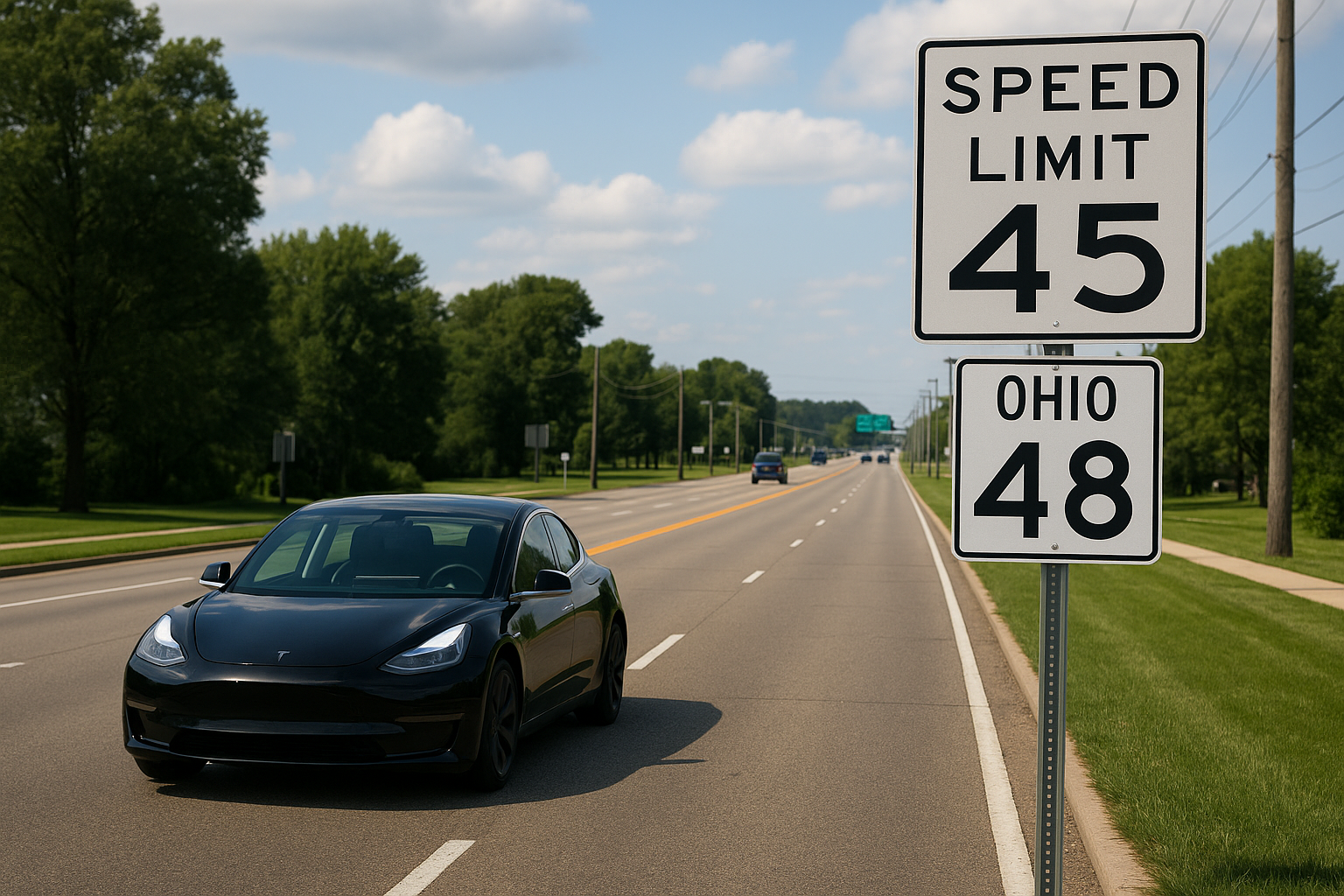
Speed limits in Ohio vary according to roadway type, population density, and surrounding hazards. Urban areas such as Dayton generally impose tighter controls than the rural highways that extend into Greene and Warren counties. School zones in Kettering and Centerville often reduce speeds dramatically during designated hours, and failure to observe these limits can result in substantial penalties. Speeding tickets in Ohio carry not only fines but also points on a driver’s license under the Ohio Bureau of Motor Vehicles point system. Accumulating points can lead to license suspension, mandatory remedial driving courses, and elevated insurance rates. Insurers evaluate speeding violations based on severity, and motorists with multiple offenses may encounter increased premiums due to perceived higher risk.
Ohio’s Right-of-Way Rules and How They Apply in Dense Traffic Areas
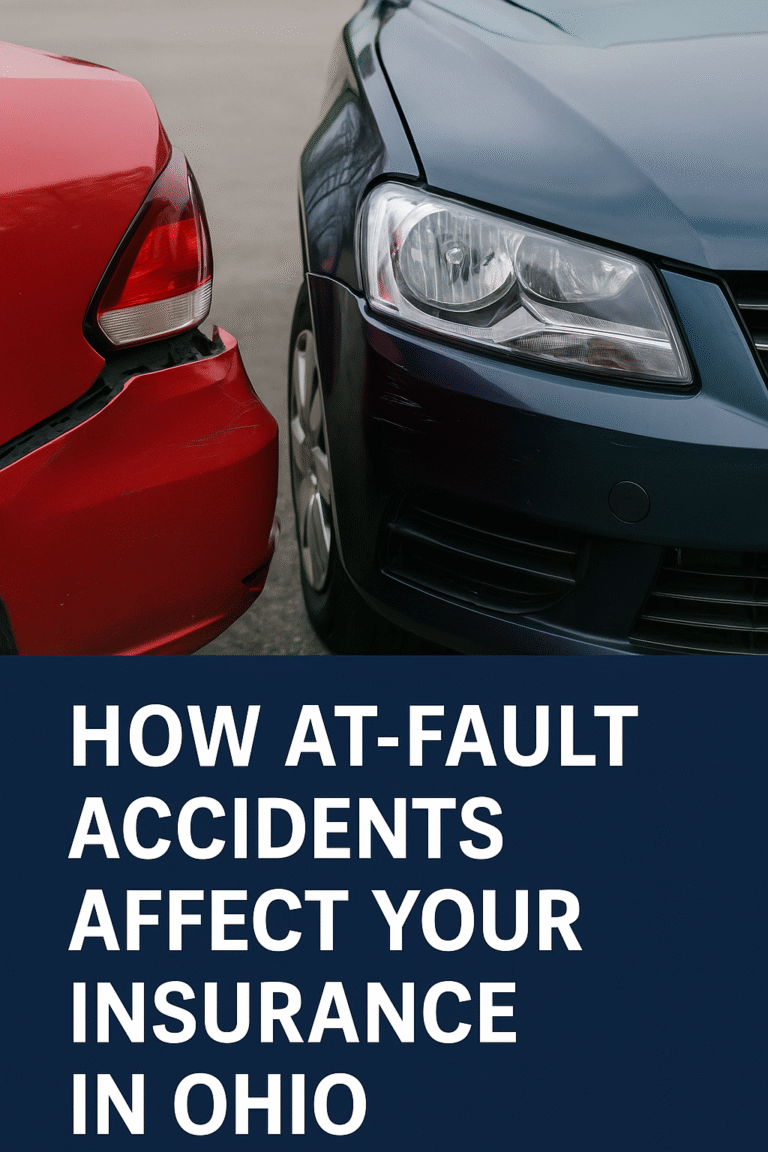
Right-of-way laws in Ohio govern interactions at intersections, crosswalks, roundabouts, and merge points. For example, Dayton’s growing number of roundabouts requires drivers to yield to circulating traffic before entering—an adjustment for those accustomed to traditional intersections. Failure to observe right-of-way rules is a common cause of collisions in congested communities like Kettering, where tightly packed commercial districts produce heavy vehicle and pedestrian movement. Insurance companies frequently see claims involving disputed right-of-way, and determining liability in these cases relies heavily on police reports, witness testimony, and traffic camera footage when available. Understanding these rules reduces crash risk and strengthens a driver’s position in the event of a claim.
Lane Usage Regulations and Safe Operation on Multi-Lane Roads
Ohio requires drivers to operate primarily in the right lane on highways unless passing, allowing faster-moving vehicles to maintain traffic flow. In Montgomery County, where drivers routinely use I-75 and I-675 for daily commutes, proper lane usage helps reduce congestion and lowers accident likelihood. Improper lane changes, weaving, and failure to signal are among the most frequently cited violations and often lead to sideswipe collisions. These accidents carry significant insurance implications because they typically fall under preventable incidents attributed to driver inattention or careless operation. Ohio law highlights the importance of signaling lane changes, maintaining a safe following distance, and staying aware of blind spots, particularly on high-speed routes that connect regional hubs.
Impaired Driving Laws and Their Impact on Insurance in Ohio
Ohio maintains strict laws governing impaired driving, including alcohol and drug-related offenses. The legal blood alcohol concentration limit is 0.08 percent, and drivers operating commercial vehicles face even lower thresholds. Dayton law enforcement conducts regular sobriety checkpoints, especially during holidays and major events, aiming to reduce impaired driving in high-traffic corridors. Penalties for OVI (Operating a Vehicle Impaired) include license suspension, mandatory treatment programs, fines, and potential jail time. From an insurance standpoint, an OVI conviction is among the most severe violations a driver can incur. Insurers may require high-risk policies, impose substantial premium increases, or decline coverage altogether. Drivers across Ohio should understand that impaired driving laws carry both legal and long-term financial consequences.
Seat Belt and Child Safety Seat Requirements
Ohio law mandates that drivers and front-seat passengers wear seat belts, and all children must use appropriate restraints based on age, weight, and height. Centerville and Kettering police departments routinely enforce these rules as part of statewide safety initiatives. Child safety seat violations can lead to significant fines and may affect insurance outcomes if injuries occur in a crash where proper restraints were not used. Modern claims investigations place heavy emphasis on restraint usage because it substantially influences injury severity. For families across Dayton’s suburbs, following Ohio’s child safety seat guidelines protects young passengers while ensuring compliance with both legal and insurance-related safety expectations.
Traffic Signals, Stop Requirements, and Intersection Safety
Ohio drivers must obey all traffic signals, stop signs, and flashing lights, including red-light cameras installed in select municipalities. Dayton historically used automated enforcement in various intersections, and while the state has imposed constraints on such systems, some remain active depending on local ordinances. Rolling stops, failure to yield at flashing red signals, and improper left turns contribute to significant numbers of intersection collisions each year in Montgomery County. These crashes often involve complex liability determinations, especially when multiple vehicles claim right-of-way. Understanding signal and stop requirements helps reduce the risk of collisions that can lead to extended repair needs, bodily injury claims, and long-term insurance cost increases.
Ohio’s Distracted Driving Laws and Their Growing Enforcement
The statewide expansion of distracted driving laws in 2023 marked a turning point for Ohio motorists. Handheld device use became a primary offense, meaning officers can stop drivers simply for observing violations. Dayton’s urban traffic flow and Kettering’s dense commercial districts have seen noticeable increases in citations as enforcement expands. Insurers track distracted driving convictions closely because they correlate strongly with crash frequency. A single citation may prompt premium adjustments, while repeat offenses can move a driver into a higher-risk classification. Ohio’s ongoing commitment to reducing distracted driving aims to improve roadway safety and lower long-term crash rates across the state.
Ohio’s Move Over Law and Emergency Vehicle Protocols
Ohio’s Move Over Law requires drivers to slow down or shift lanes when approaching stopped emergency vehicles, tow trucks, maintenance equipment, or utility crews displaying flashing lights. This rule applies equally on highways such as I-75 and local roads throughout Dayton and Centerville. Violating the Move Over Law can lead to fines, points on a license, and elevated civil liability if a collision occurs. Insurance carriers often consider these incidents as avoidable and therefore assign higher fault percentages to drivers who fail to take appropriate action. Understanding and following this law enhances safety for roadside workers and protects drivers from preventable accidents.
Accident Reporting Requirements and the Role of Law Enforcement
Ohio law requires that drivers report motor vehicle accidents resulting in injury, death, or significant property damage. In most cases, drivers rely on law enforcement from Dayton, Kettering, or Montgomery County Sheriff’s Office to document the scene. A police report forms a critical component of insurance claim handling, containing details that insurers use to assign fault and evaluate liability. Drivers who fail to file required reports may face penalties, delays in claims processing, or complications with coverage verification. Understanding when and how to report accidents ensures smoother interactions with insurers and fosters more accurate assessments of damages and responsibility.
Insurance Requirements for Ohio Drivers
Ohio law mandates that all drivers carry minimum liability coverage, including bodily injury and property damage liability. These minimums protect other motorists in the event of a crash but may be insufficient for many drivers in densely populated urban regions. Dayton and its surrounding communities often involve higher repair costs and greater traffic density, increasing the likelihood of significant claims. Many Ohio insurers recommend higher limits and supplemental protections such as uninsured motorist coverage, comprehensive, and collision coverage to ensure adequate financial security. Understanding these requirements helps drivers avoid penalties for noncompliance and ensures that they have appropriate protections in place.
Penalties for Driving Without Insurance in Ohio
Operating a vehicle without insurance is a serious offense in Ohio, carrying consequences such as license suspension, reinstatement fees, and vehicle impoundment. Dayton law enforcement frequently encounters uninsured drivers, and insurers classify these individuals as high-risk when they later seek coverage. Restoring driving privileges often requires filing an SR-22 certificate, which proves financial responsibility but also leads to significantly higher premiums. The state takes uninsured driving seriously because of the financial burden it places on accident victims and the insurance system as a whole. For drivers in Montgomery County, maintaining proper coverage ensures legal compliance and long-term financial protection.
Point System and License Suspension Rules in Ohio
Ohio employs a point system to track traffic violations, with points assigned based on the severity of each offense. Accumulating twelve or more points within a two-year period results in automatic license suspension. Drivers in Dayton who rely heavily on personal vehicles for work face considerable consequences if they lose driving privileges. Insurance carriers often view high point totals as indicators of increased risk, leading to premium surcharges. Completing remedial driving courses may reduce points or reinstate driving privileges but does not always eliminate insurance-related impacts. Understanding the point system empowers Ohio drivers to avoid behaviors that jeopardize their licenses and long-term insurability.
Special Driving Rules for New Drivers and Graduated Licenses
Ohio employs a graduated license system designed to help young drivers gain experience under controlled conditions. Teens begin with a temporary permit, progress to a probationary license, and eventually obtain a full license. Restrictions on nighttime driving, passenger limits, and mobile device usage aim to reduce accident risks among inexperienced drivers. Suburban communities such as Centerville witness a high volume of teen drivers near schools, sports complexes, and residential neighborhoods, making compliance especially important. Insurers closely track the driving history of new drivers, and violations during the probationary phase can have long-term consequences for premiums and eligibility.
How Ohio Driving Laws Influence Insurance Premiums
Every violation, collision, and claim interacts with Ohio’s insurance market to shape premium costs. Drivers in Montgomery County often see noticeable rate changes after even minor incidents, particularly in areas with higher claim frequencies such as downtown Dayton. Insurance companies evaluate driving records, accident history, and adherence to traffic laws to determine risk levels. Understanding Ohio’s driving laws helps motorists avoid avoidable infractions that can significantly increase premiums. At the same time, maintaining a clean driving record positions drivers to take advantage of preferred rates and broader policy options.
Why Understanding Ohio Driving Laws Protects More Than Your License
Ohio’s driving laws serve as both regulatory guidelines and risk-management tools that directly influence a driver’s financial wellbeing. Violations can lead to fines, points, insurance surcharges, and in severe cases, license suspension. For Dayton and Kettering residents who depend on reliable transportation for work, school, and daily life, compliance protects more than legal driving privileges—it protects long-term affordability and personal safety. As traffic volumes continue to rise in communities across Montgomery County, the importance of understanding and following Ohio’s driving laws will only increase. Drivers who stay informed are better positioned to navigate Ohio’s roads with confidence.
Ingram Insurance – Dayton’s Trusted Independent Agency
Understanding Ohio driving laws is only the first step. Choosing the right insurance partner ensures that you have protection tailored to your risks and driving habits. Ingram Insurance has extensive experience guiding drivers throughout Dayton, Kettering, Centerville, and the greater Ohio region. Our independent agency structure allows us to compare multiple carriers and secure coverage that aligns with each client’s needs. Whether navigating violations, reviewing policy options, or seeking guidance after an accident, we provide clear, dependable support rooted in local expertise.
Ingram Insurance – Dayton’s Trusted Independent Agency
Address: 733 Salem Ave, Dayton, OH
Phone: (937) 741-5100
Website: https://www.insuredbyingram.com
Email: contact@insuredbyingram.com