
Many drivers carry auto insurance because it’s legally required—but the main purpose of having auto insurance goes far beyond checking a legal box. Auto insurance exists to protect drivers from financial loss, legal liability, and unexpected expenses that can arise from accidents, injuries, theft, or property damage. Whether you drive daily or occasionally, understanding why auto insurance matters can help you choose better coverage and avoid costly mistakes.
What Is the Main Purpose of Having Auto Insurance?
The main purpose of having auto insurance is to protect you financially if something goes wrong while owning or operating a vehicle. Accidents happen every day—even to careful drivers—and the costs associated with crashes, injuries, lawsuits, and repairs can be devastating without insurance.
Auto insurance acts as a financial safety net, ensuring that one unexpected event doesn’t turn into a long-term financial crisis.

1. To Protect You From Financial Loss After an Accident
The most important purpose of auto insurance is financial protection. Even a minor vehicle accident can trigger a cascade of unexpected expenses, while serious crashes can result in costs reaching into the tens or even hundreds of thousands of dollars.
Auto insurance is designed to absorb these financial shocks and prevent a single incident from turning into long-term financial hardship. When an accident occurs, coverage may help pay for:
Vehicle repair or full replacement costs
Medical bills related to injuries
Damage to other vehicles or physical property
Legal defense costs, settlements, or court judgments
Without auto insurance, these expenses would be your personal responsibility. Medical treatment alone can quickly exhaust emergency savings, and repair or replacement costs for modern vehicles are often far higher than most drivers expect.
Auto insurance ensures that accident-related costs are handled through a structured claims process rather than paid out-of-pocket. This protection allows drivers to recover financially after an accident instead of relying on credit cards, loans, or draining long-term savings.
In short, auto insurance exists to transform unpredictable, potentially devastating expenses into manageable and controlled financial events.
2. To Cover Liability When You Cause Injury or Damage
Another primary purpose of auto insurance is to protect you from legal and financial liability when you cause injury or property damage in an accident. Even careful drivers can make mistakes, and when those mistakes harm others, the financial consequences can be severe.
Liability coverage is designed to pay for damages you are legally responsible for, including:
Medical expenses for injured drivers, passengers, or pedestrians
Lost wages for people unable to work due to injuries
Pain and suffering or loss of quality of life claims
Repair or replacement of damaged vehicles and property
In many cases, liability claims go far beyond vehicle repairs. Serious injuries can result in long-term medical care, rehabilitation, or permanent disability, all of which can lead to substantial legal settlements or court judgments.
Without adequate liability coverage, you could be personally responsible for these costs. This may expose your income, savings, and assets to lawsuits, wage garnishment, or liens.
Auto liability insurance exists to shield drivers from these outcomes by providing financial protection and legal defense when claims arise. It ensures that injured parties are compensated while protecting drivers from financial ruin.
This is why liability coverage forms the foundation of nearly every auto insurance policy and is required by law in most states.
3. To Comply With State Laws
One of the most commonly cited purposes of auto insurance is legal compliance. Nearly every state requires drivers to carry a minimum level of auto insurance in order to legally operate a vehicle on public roads.
These laws exist to ensure that drivers can take financial responsibility for injuries or damage they may cause to others. Minimum coverage requirements typically focus on liability insurance, which helps pay for bodily injury and property damage resulting from an at-fault accident.
Driving without required auto insurance can lead to serious consequences, including:
Fines and financial penalties
Suspension of your driver’s license
Vehicle registration suspension or impoundment
Higher insurance costs in the future
Difficulty reinstating driving privileges
Beyond penalties, uninsured drivers who cause accidents may be held personally responsible for all resulting damages. This can include medical bills, repair costs, and legal judgments—expenses that insurance is designed to handle.
While meeting state minimum requirements satisfies legal obligations, those limits are often insufficient to fully protect drivers financially. Understanding the legal purpose of auto insurance helps drivers recognize why carrying coverage—and often more than the minimum—is essential.
4. To Pay for Medical Expenses After an Accident
Auto insurance exists not only to protect vehicles, but to protect people. One of its most important purposes is helping pay for medical expenses after an accident, regardless of who is at fault.
Injuries from car accidents can range from minor to life-altering, and medical costs often begin accumulating immediately. Depending on the policy, auto insurance may help cover:
Emergency medical treatment
Hospital stays and surgical procedures
Follow-up care and rehabilitation
Physical therapy and ongoing treatment
Funeral expenses in severe or fatal accidents
Even with health insurance, accident-related medical bills may not be fully covered. Deductibles, co-pays, coverage limits, or treatment exclusions can leave injured drivers and passengers facing significant out-of-pocket costs.
Auto insurance medical coverage helps bridge these gaps, ensuring that necessary care is not delayed due to financial concerns. This support is especially important in serious accidents, where long-term recovery or permanent injuries may be involved.
By covering medical expenses, auto insurance protects both physical well-being and financial stability during one of the most stressful times a person can experience.
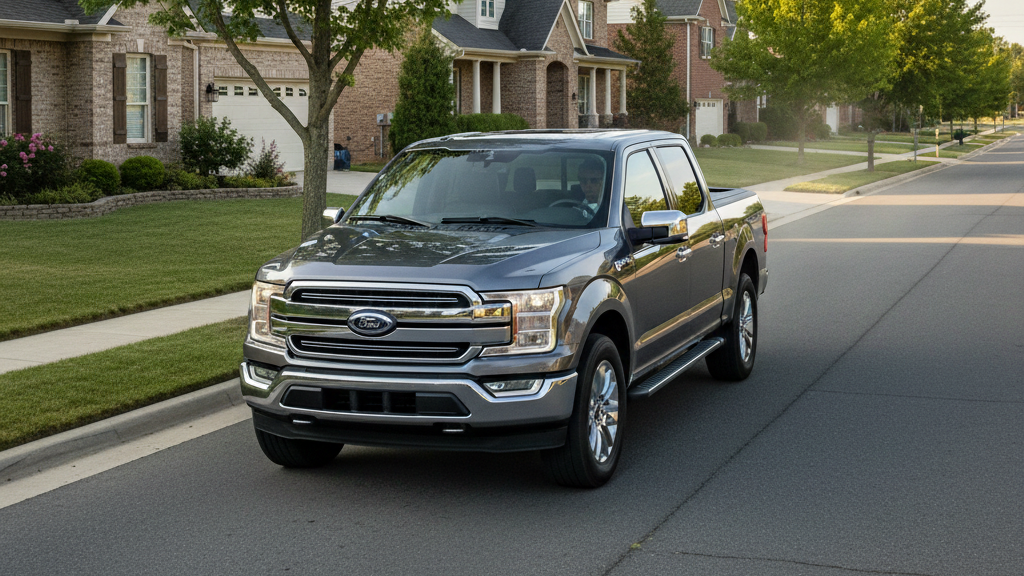
5. To Protect You From Uninsured and Underinsured Drivers
One of the lesser-known but critically important purposes of auto insurance is protecting you from drivers who carry little or no insurance. Despite legal requirements, uninsured and underinsured drivers remain a serious risk on the road.
If you are involved in an accident caused by a driver who lacks adequate coverage, you may otherwise be left responsible for:
Your medical expenses
Vehicle repair or replacement costs
Lost wages during recovery
Long-term rehabilitation or care
Uninsured and underinsured motorist coverage is designed to step in when the at-fault driver cannot fully pay for the damage they cause. This coverage helps ensure that you are not financially penalized for another driver’s lack of responsibility.
Without this protection, recovering damages can require lengthy legal action, and even then, compensation is often limited or unavailable. Auto insurance helps eliminate this uncertainty by providing a clear source of financial support after a qualifying accident.
By including uninsured and underinsured motorist coverage, drivers gain an additional layer of protection against risks they cannot control.

6. To Cover Damage to Your Own Vehicle
Another key purpose of auto insurance is to help pay for damage to your own vehicle. While liability coverage protects others, collision and comprehensive coverage exist to protect you.
Collision coverage helps pay for repairs or replacement of your vehicle after an accident, regardless of who is at fault. This includes collisions with other vehicles, objects, or rollovers.
Comprehensive coverage protects against damage caused by events outside of your control, such as:
Theft
Vandalism
Fire
Hail or severe weather
Falling objects
Animal collisions
Modern vehicles are expensive to repair, and even moderate damage can result in repair bills totaling thousands of dollars. Without coverage, these costs would have to be paid entirely out-of-pocket.
For drivers with newer, financed, or leased vehicles, this protection is especially important and is often required by lenders. Even for paid-off vehicles, coverage can help preserve financial stability by preventing sudden, unexpected repair or replacement expenses.
Auto insurance ensures that damage to your vehicle doesn’t become a financial setback that disrupts your daily life.
7. To Protect Your Income and Financial Future
Auto insurance plays a critical role in protecting not just your vehicle, but your income and long-term financial security. Without coverage, the financial impact of an accident can extend far beyond immediate repair or medical costs.
Serious accidents may result in:
Extended time away from work
Loss of income during recovery
Ongoing medical or rehabilitation expenses
Long-term financial obligations tied to lawsuits or judgments
Auto insurance helps absorb these costs, preventing accidents from derailing financial plans or forcing difficult decisions such as taking on high-interest debt or depleting retirement savings.
By covering large, unpredictable expenses, insurance allows individuals and families to maintain financial momentum even after unexpected setbacks. This protection is especially important for households that rely on consistent income to meet everyday obligations.
In this way, auto insurance serves as a safeguard for your financial future—helping ensure that one moment on the road doesn’t compromise years of progress.
8. To Provide Peace of Mind Every Time You Drive
One of the most meaningful purposes of auto insurance is the peace of mind it provides every time you get behind the wheel. Driving always involves risk, but knowing you are properly insured reduces the stress associated with that uncertainty.
With auto insurance in place, drivers are able to:
Drive with confidence rather than fear of financial consequences
Focus on the road instead of worrying about “what if” scenarios
Handle unexpected situations calmly and responsibly
Auto insurance doesn’t prevent accidents, but it ensures that you are prepared when they happen. Instead of reacting with panic or uncertainty, insured drivers have a plan in place to manage the aftermath.
This sense of security extends beyond the driver to passengers and family members, providing reassurance that financial protection exists no matter what happens on the road.
9. To Protect Others on the Road
Auto insurance is not only designed to protect the driver—it also exists to protect other people who share the road. Every time a vehicle is driven, there is potential risk to passengers, pedestrians, cyclists, and other motorists.
When an accident occurs, auto insurance helps ensure that injured parties receive compensation for:
Medical treatment and rehabilitation
Lost income due to injury
Property damage to vehicles or personal belongings
Long-term care or recovery needs
Without insurance, injured individuals may face delays in receiving care or may be forced to pursue lengthy legal action to recover damages. Auto insurance creates a structured system that allows claims to be handled efficiently and responsibly.
By carrying adequate coverage, drivers help maintain accountability on the road and reduce the financial burden placed on others after an accident. This shared responsibility is one of the reasons auto insurance is legally required in most states.
In this way, auto insurance supports safer roadways by ensuring that financial responsibility exists when harm occurs.
10. To Turn Major Disasters Into Manageable Events
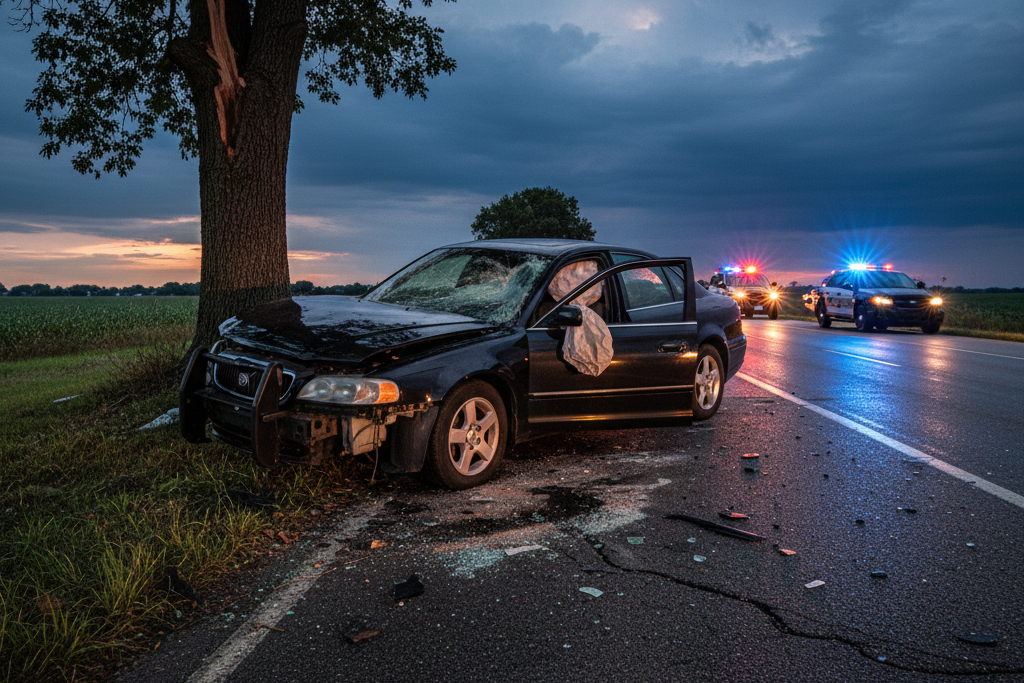
The ultimate purpose of auto insurance is not to eliminate risk, but to manage it. Accidents, injuries, and unexpected vehicle losses are an unavoidable part of driving, but their financial impact does not have to be devastating.
Auto insurance exists to convert large, unpredictable disasters into structured, manageable events. Instead of facing overwhelming expenses alone, insured drivers have access to a defined claims process, financial support, and professional guidance during difficult situations.
When a serious accident occurs, insurance helps coordinate repairs, medical payments, liability claims, and legal matters in an organized and timely manner. This structure allows drivers to focus on recovery rather than scrambling to cover costs or navigate complex legal issues on their own.
By spreading risk across millions of policyholders, auto insurance ensures that no single event becomes financially overwhelming. In doing so, it protects not only vehicles and finances, but also long-term stability and peace of mind.
Why Understanding the Purpose of Auto Insurance Matters
When drivers understand the true purpose of auto insurance, they make better decisions about coverage limits, deductibles, and optional protections.
Rather than buying the cheapest policy available, informed drivers choose coverage that protects their finances, families, and futures.
Final Thoughts: Why Auto Insurance Is Essential
The main purpose of having auto insurance is protection—financial, legal, and personal. It safeguards drivers from the unpredictable nature of the road and ensures that one moment doesn’t undo years of progress.
Auto insurance isn’t just a requirement. It’s a critical financial tool designed to protect what matters most.
What is the Main Purpose of Having Auto Insurance – FAQs
1. What is the main purpose of having auto insurance?
The main purpose of having auto insurance is to protect drivers from financial loss caused by accidents, injuries, property damage, and legal liability.
2. Why is auto insurance important even for safe drivers?
Even safe drivers can be involved in accidents caused by others. Auto insurance protects against risks that are outside your control.
3. Is auto insurance mainly for legal compliance?
While auto insurance is legally required in most states, its primary purpose is financial protection, not just compliance with the law.
4. What financial risks does auto insurance protect against?
Auto insurance helps cover medical bills, vehicle repairs, liability claims, legal costs, and replacement expenses after accidents.
5. Does auto insurance protect my personal savings?
Yes. Auto insurance prevents large out-of-pocket expenses that could otherwise drain savings or force drivers into debt.
6. What happens if I cause an accident without auto insurance?
If you cause an accident without insurance, you may be personally responsible for medical bills, property damage, lawsuits, and legal judgments.
7. How does liability coverage work in auto insurance?
Liability coverage pays for injuries and property damage you cause to others in an accident, up to your policy limits.
8. Does auto insurance cover my own vehicle?
Yes, collision and comprehensive coverage help pay for repairs or replacement of your vehicle after accidents, theft, or weather-related damage.
9. What medical expenses can auto insurance cover?
Auto insurance may help cover emergency treatment, hospital stays, rehabilitation, and other accident-related medical costs.
10. Is auto insurance useful if I have health insurance?
Yes. Health insurance may not cover all accident-related costs, and auto insurance helps fill coverage gaps.
11. What is uninsured motorist coverage?
Uninsured motorist coverage protects you if you are hit by a driver who has no insurance or insufficient coverage.
12. Why is uninsured motorist coverage important?
It ensures you are not financially responsible for damages caused by another driver’s lack of insurance.
13. Does auto insurance cover damage from storms or theft?
Comprehensive coverage typically covers non-collision events such as theft, vandalism, hail, fire, and falling objects.
14. Can auto insurance protect my income?
Yes. By covering major expenses after an accident, auto insurance helps prevent income disruption and long-term financial setbacks.
15. Does auto insurance protect passengers?
Yes. Auto insurance helps cover injuries and damages sustained by passengers in an accident.
16. Is auto insurance required if my car is paid off?
While it may not be required by a lender, auto insurance is still strongly recommended to protect against financial loss.
17. How does auto insurance provide peace of mind?
Auto insurance allows drivers to operate vehicles knowing they are protected from major financial and legal risks.
18. Does auto insurance help after serious accidents?
Yes. Auto insurance provides structured claims handling, legal defense, and financial support after severe accidents.
19. What is the biggest risk of driving without auto insurance?
The biggest risk is being personally responsible for medical bills, lawsuits, and damages that can reach hundreds of thousands of dollars.
20. Is auto insurance a financial tool or an expense?
Auto insurance is a financial risk-management tool designed to protect long-term stability—not just a monthly expense.
Ingram Insurance Group
733 Salem Ave
Dayton, OH 45406
https://www.insuredbyingram.com
Other things worthwhile to read:
Renters Insurance
Remote Work Insurance
Vacant Land Insurance
Does Insurance Cover Lithium-Ion Battery Explosions?
Employment Practices Liability Insurance
Ohio RV Insurance
Ohio HVAC Insurance