What Is an Artisan Contractor? A Simple 2 Part Explanation for Homeowners and Small Business Owners
Part 1: What Is an Artisan Contractor? A Simple Explanation for Homeowners and Small Business Owners
Before you hire someone to work on your home or business, it’s important to understand exactly who you’re hiring. One term that often causes confusion is artisan contractor. Many people hear it on insurance policies, contractor applications, or business registrations and aren’t sure what it actually means.
In simple terms, an artisan contractor is a skilled tradesperson who performs hands-on construction or repair work, often as a small business owner or independent contractor. This article breaks down what an artisan contractor is, how they differ from general contractors, what types of work fall under this category, and why the distinction matters for licensing, liability, and insurance.

What Is an Artisan Contractor?
An artisan contractor is a contractor who performs manual, trade-specific labor using specialized skills, tools, and experience. These contractors usually focus on one primary trade rather than overseeing entire construction projects.
The word artisan refers to someone who is trained or skilled in a craft, and in construction and insurance contexts, it describes tradespeople who physically perform the work themselves.
Artisan contractors are typically:
- Hands-on workers
- Trade-specific specialists
- Small business owners or sole proprietors
- Not responsible for managing multiple subcontractors
Common Types of Artisan Contractors
Artisan contractors exist across many trades. Some of the most common examples include:
- Electricians
- Plumbers
- Carpenters
- Painters
- Drywall installers
- Flooring installers
- Tile setters
- Masons
- Roofers
- HVAC technicians
- Handymen (within defined scope)
Each of these professionals performs a specific service, often under their own business name, and completes the physical labor themselves or with a small crew.
Artisan Contractor vs. General Contractor: What’s the Difference?
The biggest difference between an artisan contractor and a general contractor is scope and responsibility.
A general contractor:
- Oversees entire construction or renovation projects
- Coordinates multiple subcontractors
- Manages timelines, permits, and inspections
- Often does little or no hands-on trade work
An artisan contractor:
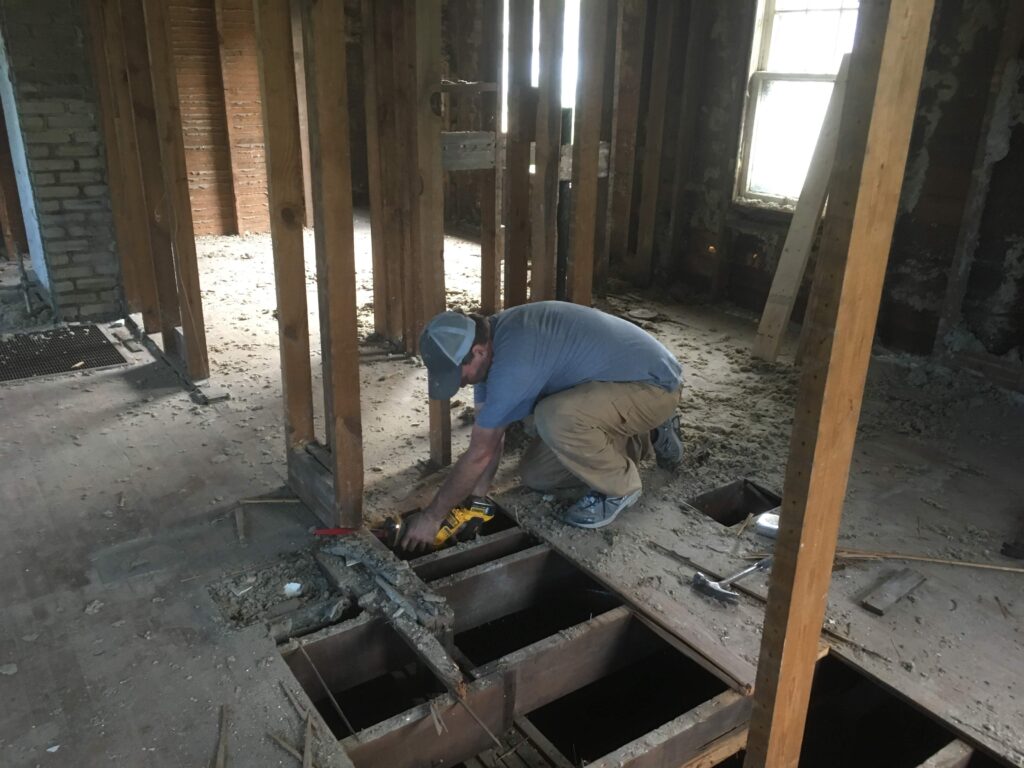
- Performs the actual skilled labor
- Works within a single trade
- May work independently or for a general contractor
- Is hired for specific tasks, not full project management
For example, a general contractor might manage a home remodel, while an artisan contractor installs the flooring or electrical work.
Are Artisan Contractors Licensed?
Licensing requirements for artisan contractors vary by state, city, and trade.
Some artisan contractors must be licensed, such as:
- Electricians
- Plumbers
- HVAC contractors
Others may not require a license depending on:
- Project size
- Dollar amount of work
- Local regulations
Even when licensing isn’t required, artisan contractors are often still expected to:
- Register their business
- Carry insurance
- Follow building codes
- Obtain permits when necessary
Why the Term “Artisan Contractor” Matters for Insurance
The phrase artisan contractor is used heavily in business insurance, especially when underwriting liability policies.
Insurance companies classify contractors based on:
- Type of work performed
- Risk level of the trade
- Whether work is residential or commercial
- Use of tools, ladders, or heavy equipment
Artisan contractors usually need:
- General liability insurance
- Commercial auto insurance (if using a work vehicle)
- Workers’ compensation (if they have employees)
- Tools and equipment coverage
Accurately identifying yourself as an artisan contractor ensures your policy:
- Covers your actual work
- Isn’t voided by misclassification
- Meets contract or permit requirements
Is a Handyman an Artisan Contractor?
In many cases, yes, but with limitations.
A handyman can be considered an artisan contractor if they perform skilled trade work within legal and licensing limits. However, many states restrict handymen from:
- Electrical work beyond minor repairs
- Plumbing beyond basic fixtures
- Structural changes
- Large-dollar projects
From an insurance standpoint, handymen are often classified separately due to higher claim risk from mixed trade work.
Can an Artisan Contractor Work for Homeowners and Businesses?
Yes. Artisan contractors commonly work for:
- Homeowners
- Landlords
- Property managers
- Small businesses
- General contractors
They may operate on:
- Residential projects
- Light commercial jobs
- Maintenance and repair contracts
Their work is typically task-specific, not full project oversight.
Do Artisan Contractors Need Written Contracts?
While not always legally required, written contracts are strongly recommended.
A basic contract should outline:
- Scope of work
- Materials provided
- Project timeline
- Payment terms
- Insurance requirements
Many property owners and commercial clients will not hire an artisan contractor without proof of insurance and a written agreement.
Final Thoughts: What Is an Artisan Contractor?
An artisan contractor is a skilled tradesperson who performs hands-on work in a specific trade. They differ from general contractors by focusing on execution rather than project management. Understanding this distinction helps homeowners, landlords, and business owners hire the right professional—and helps contractors secure proper licensing and insurance.
If you’re hiring or working as an artisan contractor, clarity around this role protects everyone involved.
Part 2: What Is Artisans Insurance and Why Do Artisan Contractors Need It?
Artisans insurance is a type of business insurance designed specifically for artisan contractors and skilled tradespeople who perform hands-on work. Because artisan contractors face different risks than general contractors, insurance companies often underwrite them under a separate classification.
At its core, artisans insurance helps protect contractors from financial loss caused by:
- Property damage to a client’s home or business
- Bodily injury claims from customers or third parties
- Accidents caused by tools, equipment, or completed work
Without proper artisans insurance, a single claim can easily exceed the cost of an entire project.
What Does Artisans Insurance Typically Cover?
While policies vary by carrier and trade, artisans insurance usually includes general liability coverage as its foundation.
Common coverages include:
- General liability insurance for property damage and injury claims
- Products and completed operations coverage for work-related claims after a job is finished
- Tools and equipment coverage for stolen or damaged gear
- Commercial auto insurance if vehicles are used for work
- Workers’ compensation insurance when employees are involved
The exact coverage needed depends on the type of trade, job locations, and whether work is residential or commercial.
Why Correct Classification Matters for Artisans Insurance
Insurance carriers price and approve policies based on how a contractor is classified. Being misclassified can result in:
- Claim denials
- Policy cancellation
- Lack of coverage for certain types of work
For example, an electrician incorrectly insured as a handyman may not be covered for higher-risk electrical claims. Properly written artisans insurance ensures your policy matches the actual work you perform.
Who Needs Artisans Insurance?
Artisans insurance is typically required or recommended for:
- Independent trade contractors
- Small contracting businesses
- Subcontractors working for general contractors
- Licensed and unlicensed trades (where allowed)
Many general contractors, property managers, and municipalities require proof of artisans insurance before allowing work to begin.
Final Thought on Artisans Insurance
Artisan contractors rely on their skills to earn a living—but those skills also carry risk. Artisans insurance provides the financial protection needed to operate confidently, meet contract requirements, and protect both the contractor and the client.
Need Insurance for an Artisan Contractor?
If you’re an artisan contractor—or hiring one—proper insurance matters. A correctly structured policy can protect against property damage, injury claims, and contract disputes.
📞 Call: (937) 741-5100
🌐 Website: https://www.insuredbyingram.com
📧 Email: contact@insuredbyingram.com
Independent, Ohio-based coverage for contractors and tradespeople.
Frequently Asked Questions About Artisan Contractors and Artisans Insurance
What is an artisan contractor?
An artisan contractor is a skilled tradesperson who performs hands-on work in a specific trade, such as electrical, plumbing, carpentry, or flooring. Unlike general contractors, artisan contractors focus on executing the work rather than managing entire projects.
What is artisans insurance?
Artisans insurance is a type of business insurance designed for skilled trade contractors. It typically includes general liability coverage and can be expanded to cover tools, equipment, vehicles, and employees depending on the business structure.
Is an artisan contractor the same as a general contractor?
No. A general contractor manages entire construction projects and oversees subcontractors, while an artisan contractor performs specific skilled labor within one trade.
Do artisan contractors need insurance?
Yes. Most artisan contractors need insurance to protect against property damage, bodily injury claims, and completed work liability. Many clients and general contractors require proof of insurance before hiring.
How much does artisans insurance cost?
The cost of artisans insurance depends on the trade, annual revenue, number of employees, and risk level. Many artisan contractors can expect basic general liability policies to start at a few hundred dollars per year, with higher-risk trades costing more.
Is a handyman considered an artisan contractor?
In many cases, yes. A handyman may be classified as an artisan contractor if they perform skilled trade work within legal and licensing limits. However, handymen often face coverage restrictions due to mixed trade exposure.
What trades qualify as artisan contractors?
Common artisan contractor trades include electricians, plumbers, HVAC technicians, painters, carpenters, roofers, masons, drywall installers, and flooring professionals.
Does artisans insurance cover subcontractors?
Artisans insurance typically does not cover subcontractors unless they are listed as employees or specifically endorsed on the policy. Subcontractors are usually required to carry their own insurance.
Do artisan contractors need workers’ compensation insurance?
If an artisan contractor has employees, workers’ compensation insurance is usually required by law. Sole proprietors without employees may not be required but can often opt in for coverage.
Why do insurance companies classify contractors as artisans?
Insurance companies classify contractors as artisans to properly assess risk based on the type of work performed. Accurate classification helps ensure appropriate coverage, fair pricing, and valid claim protection.
Other Related Articles:
Boat Insurance
Painters and Drywall Insurance
Handyman Insurance
Ohio HVAC Insurance