
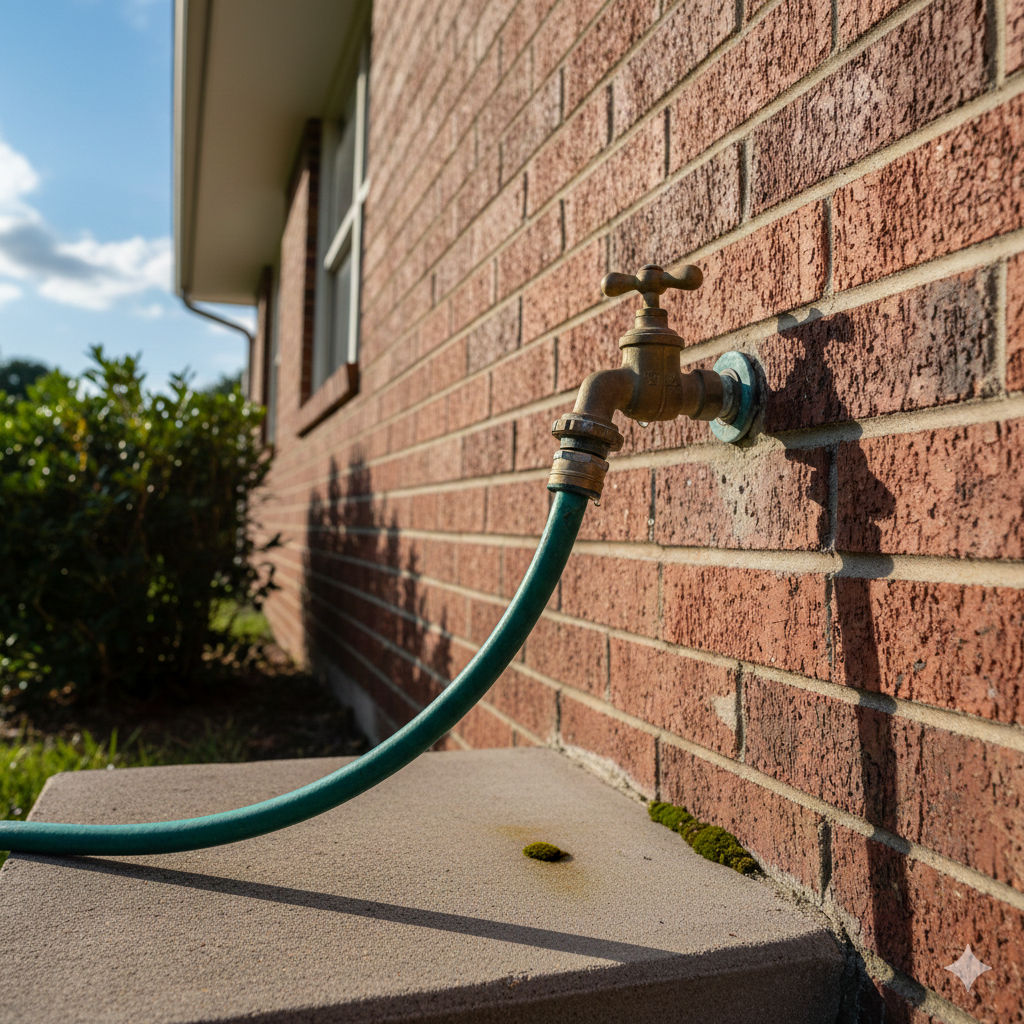
Wrapping Faucets for Cold Weather
Wrapping Faucets for Cold Weather: How to Prevent Frozen Pipes and Costly Damage
When temperatures drop, one of the most common and expensive winter home problems is frozen plumbing. Exterior faucets are especially vulnerable, and a single freeze can lead to burst pipes, water damage, and costly repairs. That’s why wrapping faucets for cold weather is one of the simplest and most effective steps homeowners can take before winter sets in.
This guide explains why wrapping outdoor faucets matters, how to do it correctly, what materials work best, and common mistakes to avoid so your home stays protected all winter long.
Why Wrapping Faucets for Cold Weather Is Important
Outdoor faucets are directly exposed to freezing temperatures. When water inside the pipe freezes, it expands, increasing pressure inside the pipe. This pressure can cause:
- Cracked pipes behind walls
- Leaks that go unnoticed until spring
- Interior water damage
- Mold growth
- Emergency plumbing repairs
Wrapping faucets for cold weather helps insulate the pipe, keeping cold air away and reducing the chance of freezing—even during prolonged cold snaps.
Which Faucets Need to Be Wrapped?
You should wrap any faucet exposed to outdoor temperatures, including:
- Exterior hose bibs
- Garage faucets on exterior walls
- Basement faucets near uninsulated walls
- Outdoor spigots connected to crawl spaces
If the faucet is outside or connected to plumbing near an exterior wall, it should be protected.
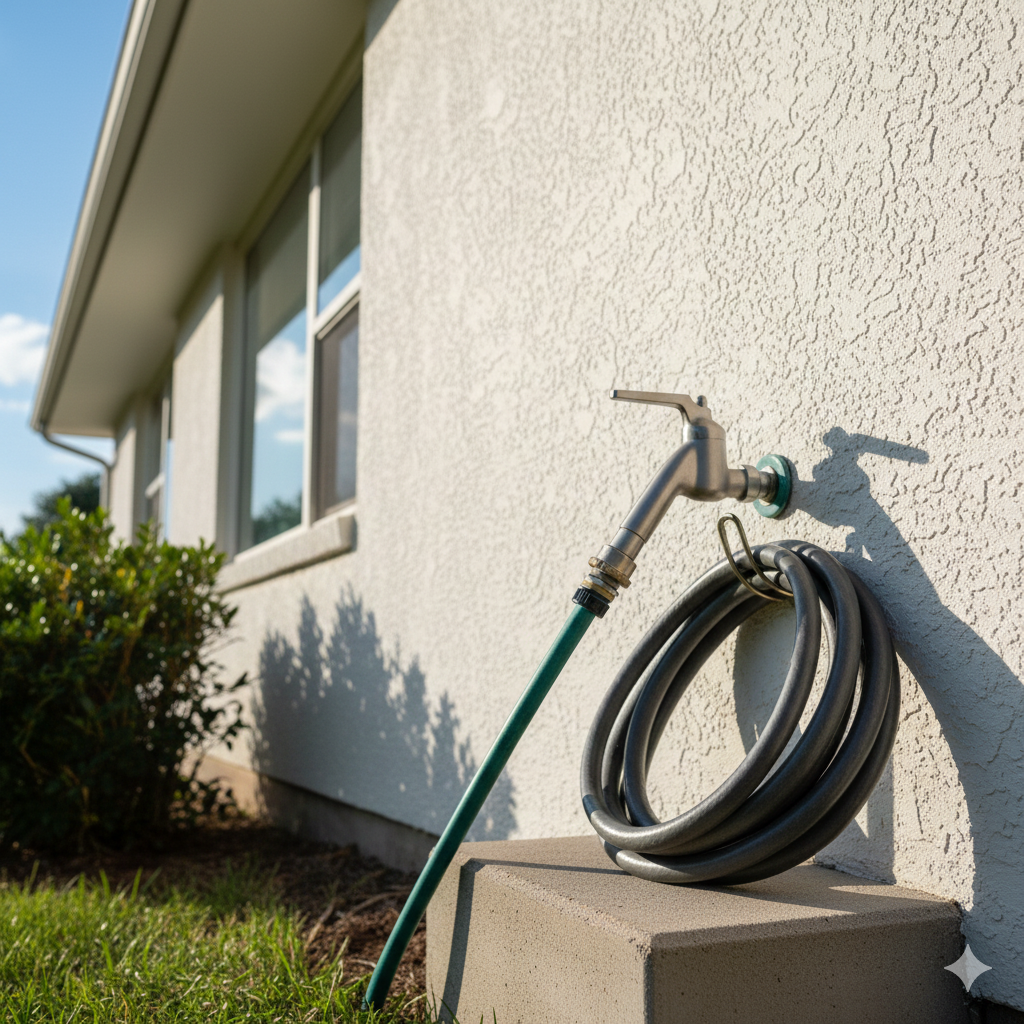
Best Materials for Wrapping Faucets in Cold Weather
There are several effective options for wrapping faucets, depending on your budget and climate.
Foam Faucet Covers
These pre-made insulated covers are inexpensive, easy to install, and widely available. They fit over the faucet and seal tightly against the wall.
Pipe Insulation Foam
Foam pipe sleeves can be cut and wrapped around exposed piping leading to the faucet for added protection.
Insulating Tape or Heat Tape
Insulating tape helps secure foam insulation. In extremely cold climates, electric heat tape may be used, but it must be installed carefully according to manufacturer instructions.
Towels and Plastic (Temporary Option)
In emergencies, thick towels covered with plastic can provide short-term insulation, but this is not a long-term or ideal solution.
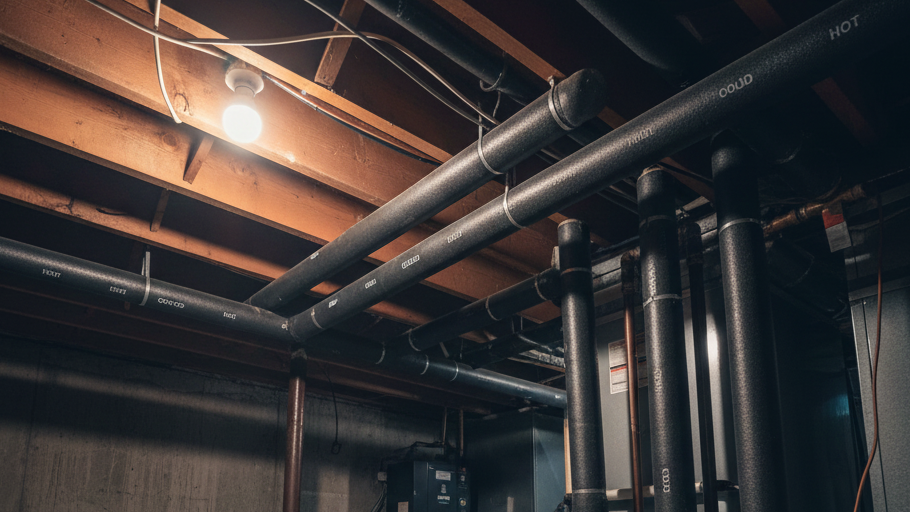
How to Wrap Faucets for Cold Weather (Step-by-Step)
Wrapping faucets properly only takes a few minutes.
Step 1: Disconnect Hoses
Remove all garden hoses before temperatures drop. Leaving hoses attached can trap water and increase freezing risk.
Step 2: Shut Off and Drain (If Possible)
If your home has an interior shut-off valve for exterior faucets:
- Turn off the water supply
- Open the faucet to drain remaining water
- Leave it slightly open during winter
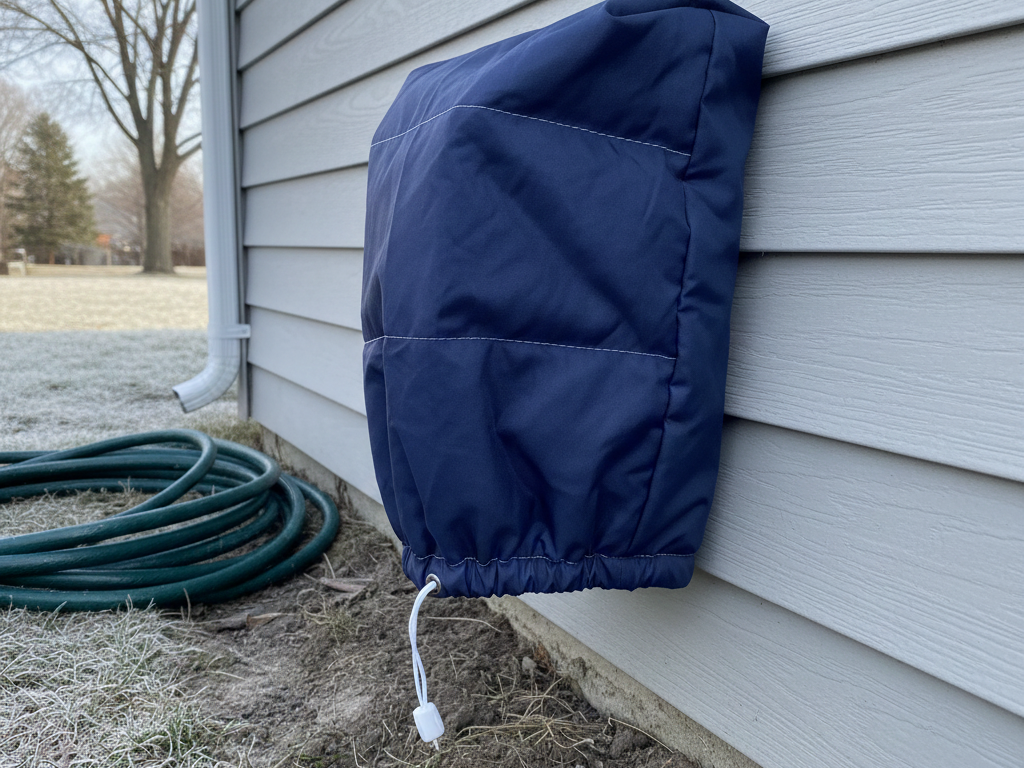
Step 3: Install the Faucet Cover
Place the foam cover over the faucet and secure it tightly against the wall using the attached drawstring or Velcro strap.
Step 4: Insulate Exposed Pipes
Wrap foam pipe insulation around any exposed pipe leading to the faucet, especially in crawl spaces or garages.
Common Mistakes When Wrapping Faucets for Cold Weather
Many homeowners think they’re protected but make small mistakes that reduce effectiveness.
Common errors include:
- Forgetting to remove hoses
- Using thin materials that don’t insulate
- Leaving gaps between the faucet and wall
- Only wrapping the faucet and ignoring exposed pipes
- Waiting until temperatures are already below freezing
Proper preparation before winter arrives makes all the difference.
Should You Let Faucets Drip in Cold Weather?
In extreme cold, allowing faucets to drip slightly can help prevent freezing by keeping water moving. However:
- This is not a substitute for wrapping faucets
- It works best for interior plumbing
- It can increase water bills
Wrapping faucets for cold weather should always be your first line of defense.
Do Frost-Free Faucets Still Need to Be Wrapped?
Yes—sometimes.
Frost-free or freeze-resistant faucets are designed to reduce freezing risk, but they:
- Still rely on proper installation
- Can freeze if hoses are left attached
- Are vulnerable in prolonged extreme cold
Wrapping frost-free faucets adds an extra layer of protection and is strongly recommended in colder climates.
When Should You Wrap Faucets for Cold Weather?
A good rule of thumb is to wrap faucets when overnight temperatures are expected to stay below 32°F consistently.
Ideally, wrap them:
- In late fall
- Before the first hard freeze
- As part of regular winterization
Final Thoughts on Wrapping Faucets for Cold Weather
Wrapping faucets for cold weather is a simple, low-cost step that can prevent thousands of dollars in water damage. Combined with hose removal, pipe insulation, and proper drainage, it’s one of the smartest ways to protect your home during winter.
Ultimately, home maintenance is about more than just hardware; it’s about the mindset of being proactive. There are profound lessons to be learned from claims and coverage regarding why being a good man means showing up for the long haul—it’s the small, consistent acts of protection that prevent a crisis later. Taking a few minutes to prepare your home now is a reflection of that commitment to your property and your family’s peace of mind.
Need Help Protecting Your Home This Winter?
Cold-weather damage is one of the most common home insurance claims—and many are preventable. If you want to review your coverage or understand how winter damage is handled under your policy, help is available.
📞 Call: (937) 741-5100
🌐 Website: https://www.insuredbyingram.com
📧 Email: contact@insuredbyingram.com
Serving Ohio homeowners with practical, straightforward insurance guidance.
Frequently Asked Questions About Wrapping Faucets for Cold Weather
Why should you wrap faucets for cold weather?
Wrapping faucets for cold weather helps prevent water inside the pipes from freezing, expanding, and bursting, which can cause serious water damage.
What happens if you don’t wrap outdoor faucets?
Unwrapped faucets are more likely to freeze, leading to cracked pipes, leaks inside walls, and expensive plumbing repairs.
When should you start wrapping faucets for cold weather?
You should wrap faucets before consistent overnight temperatures drop below 32°F, ideally in late fall before the first hard freeze.
Do you need to wrap faucets every winter?
Yes. Faucets should be wrapped every winter, even if they were protected the previous year, to ensure insulation is secure and undamaged.
Are faucet covers better than wrapping with towels?
Yes. Foam faucet covers provide better insulation and moisture protection than towels, which can freeze and lose effectiveness.
Do frost-free faucets still need to be wrapped?
Yes. While frost-free faucets are more resistant to freezing, wrapping them provides added protection during prolonged or extreme cold.
Should hoses be removed before wrapping faucets?
Absolutely. Garden hoses must be removed before wrapping faucets, as attached hoses trap water and increase freezing risk.
Can wrapping faucets prevent pipes from bursting?
Wrapping faucets significantly reduces the risk of freezing, which in turn lowers the chance of pipes bursting.
Is wrapping faucets enough to prevent frozen pipes?
Wrapping faucets helps, but full protection may also include insulating nearby pipes, sealing air leaks, and maintaining indoor heat.
Should you let outdoor faucets drip in cold weather?
No. Dripping is typically used for interior faucets. Outdoor faucets should be shut off, drained, and wrapped instead.
How much does it cost to wrap faucets for cold weather?
Most foam faucet covers cost only a few dollars each, making them one of the cheapest winter home protection measures.
Can you use duct tape to secure faucet insulation?
Yes, but weather-resistant tape or insulation tape works better and lasts longer in cold, wet conditions.
Do garage faucets need to be wrapped?
Yes. Garage faucets on exterior walls are still exposed to cold air and should be wrapped or insulated.
Should you shut off water to outdoor faucets in winter?
If your home has an interior shut-off valve for outdoor faucets, shutting off and draining them is highly recommended.
Can wrapping faucets stop ice buildup on spigots?
Wrapping faucets helps reduce ice formation by insulating against freezing air and wind exposure.
What materials work best for wrapping faucets?
Foam faucet covers, pipe insulation sleeves, and insulating tape are the most effective materials.
Is plastic wrap alone enough to protect faucets?
No. Plastic wrap alone does not insulate and should only be used to keep insulation dry, not as the primary layer.
Do apartment renters need to wrap outdoor faucets?
In many cases, yes. Renters should confirm responsibility with the landlord, but wrapping faucets can prevent liability issues.
How long does it take to wrap a faucet?
Most faucets can be wrapped in under five minutes.
Can frozen faucets cause interior water damage?
Yes. Pipes often burst behind walls, causing leaks that may not be discovered until significant damage has occurred.
Should crawl space pipes be insulated too?
Yes. Pipes leading to outdoor faucets that run through crawl spaces should be insulated for full protection.
Does homeowners insurance cover frozen pipe damage?
Many policies cover sudden pipe bursts, but claims may be denied if the home wasn’t properly maintained or winterized.
Is wrapping faucets required by insurance companies?
While not always required, insurers may expect reasonable winterization efforts to prevent avoidable damage.
Can wrapping faucets help during power outages?
Yes. Insulation can slow freezing even if heating systems temporarily stop during cold weather.
What’s the biggest mistake people make when wrapping faucets?
The most common mistake is leaving hoses attached or ignoring exposed pipes connected to the faucet.
How often should faucet covers be replaced?
Faucet covers should be replaced if they are cracked, waterlogged, torn, or no longer seal tightly.