
What’s the Difference Between Collision and Comprehensive Insurance: The Ultimate Guide to Protecting Your Vehicle
What’s the difference between collision and comprehensive insurance? Navigating the world of auto insurance can feel like walking through a maze of jargon. Among the most frequent questions drivers ask their agents are: “What is the difference between collision and comprehensive?” and “Do I really need both?”
While liability insurance is required by law in almost every state to cover damage you cause to others, it does nothing to fix your car. To protect your own investment, you need physical damage coverage. This guide breaks down everything you need to know about collision and comprehensive insurance, how they work together, and how to decide which level of protection is right for your budget.
Section 1: Understanding Collision Insurance
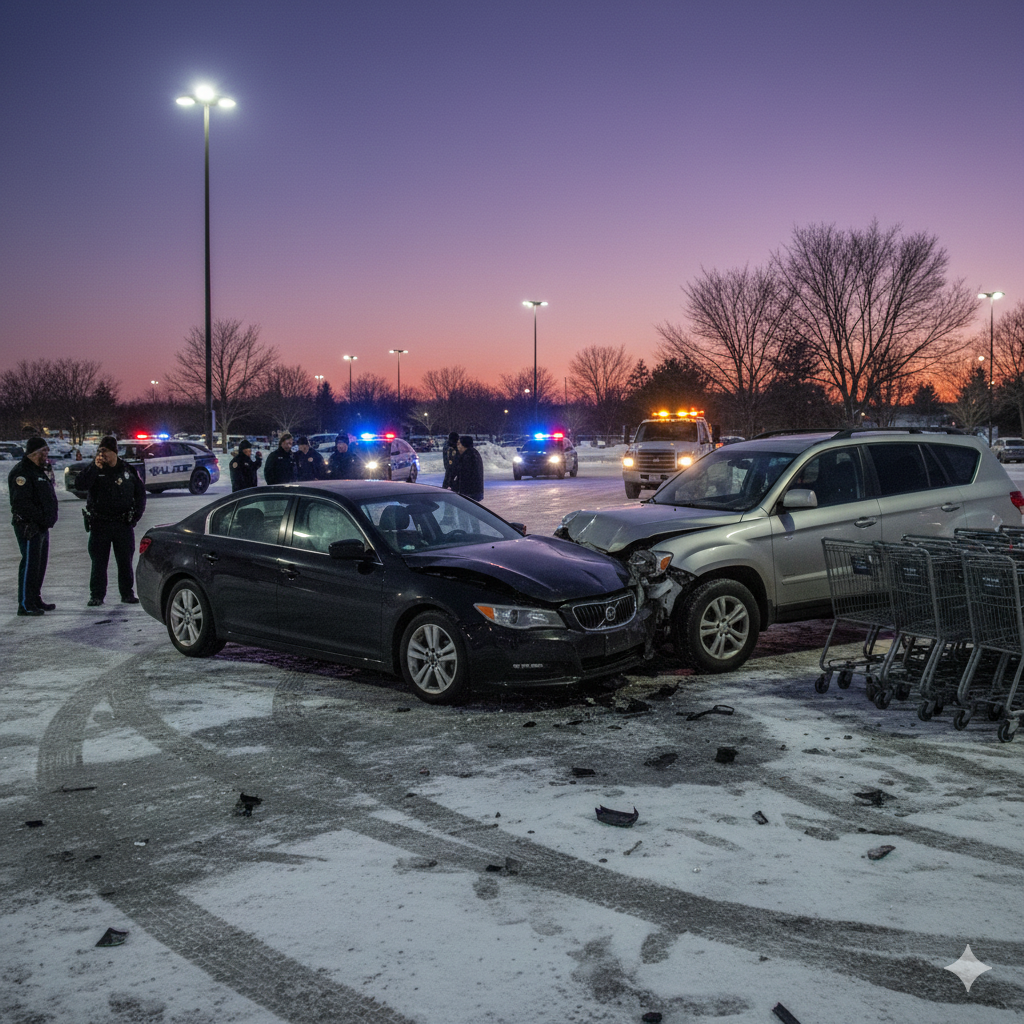
Collision insurance is a type of coverage that pays to repair or replace your vehicle if it is damaged in an accident involving another vehicle or an object. It is “fault-agnostic,” meaning it generally covers you even if you were the one who caused the accident.
What Does Collision Insurance Cover?
- Multi-vehicle accidents: A classic “fender bender” or a high-speed collision with another car.
- Single-vehicle accidents: If you lose control on an icy road and hit a guardrail, a tree, or a telephone pole.
- Pothole damage: In many cases, if a severe pothole causes suspension damage or a rim to crack, it falls under collision.
- Rollover accidents: If your vehicle flips over due to road conditions or a sharp turn.
Section 2: Understanding Comprehensive Insurance
Comprehensive insurance is often referred to as “Other than Collision.” It protects you against the “unpredictable” risks that have nothing to do with your driving skills. If something happens to your car while it is parked or due to “Acts of God,” comprehensive is the coverage that saves the day.
What Does Comprehensive Insurance Cover?
- Natural Disasters: Damage from hurricanes, tornadoes, earthquakes, and floods.
- Theft and Vandalism: If your car is stolen or if someone spray-paints the exterior or breaks a window.
- Animal Strikes: This is a common point of confusion. If you hit a deer, it is almost always processed as a comprehensive claim.
- Falling Objects: A tree limb falling during a storm or a rock falling from a construction truck.
Section 3: Collision vs. Comprehensive Comparison Table
To help you visualize which coverage applies to which scenario, use the comparison table below. This is often what lenders look for when they require “full coverage.”
| Feature / Scenario | Collision Coverage | Comprehensive Coverage |
|---|---|---|
| Primary Purpose | Covers impacts while driving. | Covers “Acts of God” and theft. |
| Hitting another car | ✔ Covered | ✘ Not Covered |
| Hitting a deer/animal | ✘ Not Covered | ✔ Covered |
| Theft or Vandalism | ✘ Not Covered | ✔ Covered |
| Weather (Hail, Flood) | ✘ Not Covered | ✔ Covered |
| Hitting a pole or tree | ✔ Covered | ✘ Not Covered |
| Typical Cost | Higher (More frequent claims) | Lower (Less frequent claims) |
Section 4: The Role of Deductibles
Both collision and comprehensive coverages require you to choose a deductible. This is the amount you pay out-of-pocket before the insurance company pays the rest. If you have a $500 deductible and a tree falls on your car causing $2,000 in damage, you pay $500 and the insurer pays $1,500.
Pro Tip: Many drivers choose a lower deductible for comprehensive (like $100 or $250) because glass claims and weather damage are relatively common. Collision deductibles are often kept higher ($500 to $1,000) to help lower the monthly premium.
Section 5: Do You Need Both?
While most states don’t legally require collision or comprehensive, there are several scenarios where you don’t have a choice. If you are leasing or financing, your lender will mandate these coverages to protect their asset.
Even if your car is paid off, consider the “10% Rule.” If the annual cost of your collision and comprehensive coverage is more than 10% of your car’s total value, it might be time to drop them and “self-insure.”
Section 6: Frequently Asked Questions (FAQ)
Does comprehensive cover theft of personal items?
No. Comprehensive covers the car. Items like laptops or luggage are typically covered by your homeowners or renters insurance.
Will my rates go up if I file a comprehensive claim?
Generally, comprehensive claims have a much smaller impact on your rates than collision claims, as they are considered non-fault incidents. However, multiple claims in a short window can lead to a rate increase.