Ohio Box Truck Insurance: Specialized Protection for Your Growing Fleet
In the heart of the Midwest, Ohio serves as a vital corridor for commerce. From the bustling streets of Dayton and Columbus to the industrial hubs of Cleveland and Cincinnati, box trucks—often called straight trucks, cube vans, or bobtails—are the lifeblood of local logistics. At Ingram Insurance Group, we understand that your box truck is more than just a vehicle; it is a mobile warehouse, a delivery powerhouse, and a significant financial investment.
Navigating the complexities of commercial insurance in the Buckeye State can be daunting. Whether you are an owner-operator running a single delivery route or a logistics manager overseeing a regional fleet, you need more than just a standard auto policy. You need a strategic partner who understands the unique risks of the transportation industry.
Why Specialized Box Truck Insurance Matters
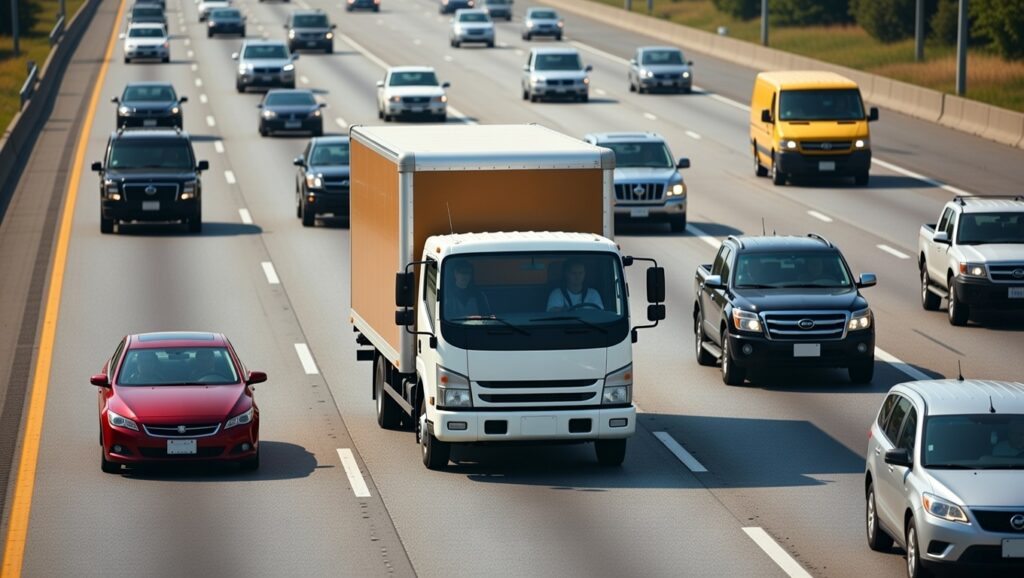
A box truck occupies a unique space in the commercial world. It is larger and heavier than a standard van, yet more maneuverable than an 18-wheeler. This middle-ground status brings specific risks. Because of their high center of gravity and large blind spots, box trucks are susceptible to different types of accidents than passenger vehicles. Furthermore, the cargo they carry—ranging from high-end electronics and furniture to perishable food—requires specialized protection that standard liability simply won’t cover.
At Ingram Insurance Group, we don’t believe in “cookie-cutter” insurance. As an independent agency based in Dayton, Ohio, we have the flexibility to shop the market and tailor a policy that fits your specific operational radius, cargo type, and business model.
Comprehensive Coverage Options for Ohio Truckers
To truly protect your business, your policy needs to be a multi-layered shield. Here are the core components of a robust box truck insurance plan:
1. Primary Auto Liability
This is the foundation of every commercial policy and a legal requirement in Ohio. If one of your drivers is at fault in an accident, Primary Auto Liability covers the bodily injury and property damage costs incurred by the other parties. Given the size of a box truck, even a minor collision can result in significant damage. We help you determine the right limits to protect your business assets from devastating lawsuits.
2. Physical Damage Coverage
Your truck is your livelihood. If it’s sidelined due to an accident, theft, or weather damage, your revenue stops. Physical Damage coverage consists of two parts:
- Collision: Covers repairs to your truck if it hits another vehicle or object.
- Comprehensive: Protects against “acts of God,” such as fire, flood, hail, or vandalism, as well as theft.
3. Motor Truck Cargo Insurance
The items inside your “box” are often worth more than the truck itself. Whether you are hauling your own inventory or acting as a for-hire carrier, Cargo Insurance protects the goods in transit. This coverage is essential for protecting against losses due to collision, fire, or even theft of the cargo.
4. Non-Trucking Liability (NTL)
If you are an owner-operator leased to a motor carrier, their primary liability usually only covers you while you are “on the clock” or under dispatch. But what happens when you drive the truck home or take it to a shop for repairs? Non-Trucking Liability provides protection during personal use, ensuring you aren’t left exposed during off-hours.
5. Medical Payments Coverage
Ohio is an “at-fault” state, meaning someone is always held responsible for an accident. Medical Payments (MedPay) coverage helps pay for medical expenses for you and your passengers regardless of who is at fault. This provides an immediate financial safety net for healthcare costs following an incident.
6. Uninsured/Underinsured Motorist Coverage
Unfortunately, not every driver on Ohio’s roads carries adequate insurance. If your box truck is hit by a driver with no insurance or limits that are too low to cover your damages, this coverage steps in to bridge the gap, protecting your business from someone else’s negligence.
Industries We Serve in Ohio
Box trucks are incredibly versatile, and the insurance needs of a plumber are vastly different from those of a last-mile delivery contractor. Ingram Insurance Group provides specialized solutions for:
- Expedited Freight & Couriers: For those who live and die by the clock, we offer policies that account for high-mileage and time-sensitive delivery risks.
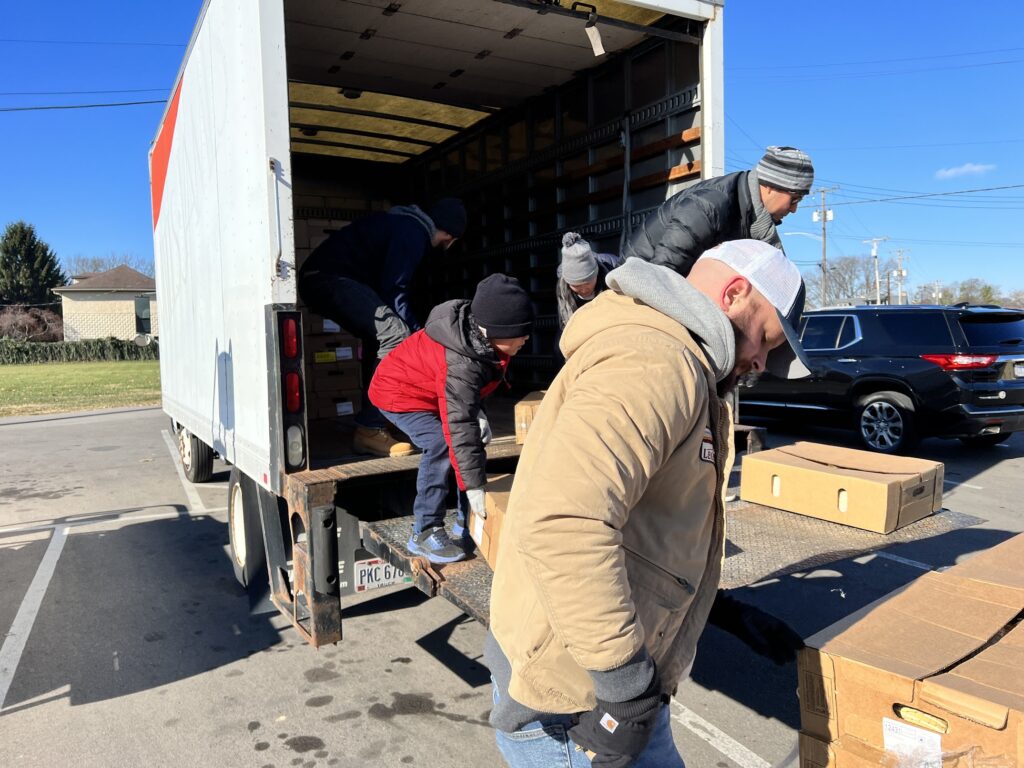
- Moving Companies: Household goods require specific cargo limits and often involve higher liability risks due to workers entering private residences.
- Retail & Wholesale Distribution: If you are moving your own products from a warehouse to a storefront, we can integrate your truck insurance with your general business owner’s policy (BOP).
- Construction & Contracting: We cover box trucks used to haul heavy tools, lumber, and specialized equipment to job sites across the state.
- Refrigerated Delivery (Reefers): Temperature-sensitive cargo requires “Spoilage Coverage” to protect against mechanical breakdown of the cooling unit.
The Ingram Advantage: Local Expertise, National Reach
When you choose Ingram Insurance Group for your box truck insurance, you aren’t just buying a policy; you are gaining an advocate.
We Are Independent
Unlike “captive” agents who work for a single big-name company, we work for you. We have partnerships with the nation’s top-rated commercial truck insurance carriers. This allows us to compare rates and coverages side-by-side, ensuring you get the most competitive pricing without sacrificing the quality of your protection.
We Know Ohio
Based at 733 Salem Avenue in Dayton, we are deeply rooted in the Ohio business community. We understand the specific filing requirements for the Ohio Department of Insurance and the Federal Motor Carrier Safety Administration (FMCSA). Whether you need an MCS-90 endorsement or a state-level filing, we handle the paperwork so you can stay on the road.
We Understand Risk Management
Insurance is only one part of the equation. We help our clients understand how to lower their premiums over time. From evaluating driver MVRs (Motor Vehicle Records) before you hire to recommending safety technologies like dash cams and GPS tracking, we act as consultants to help you reduce the likelihood of a claim.
Factors That Influence Your Premium
Every business is unique, and several factors will determine the cost of your Ohio box truck insurance:
- Operating Radius: A truck that stays within the Dayton metro area will generally have different rates than one that travels interstate or across the entire Midwest.
- Cargo Type: Hauling hazardous materials or high-value electronics typically carries a higher risk profile than hauling general dry goods.
- Vehicle Value & Age: Newer trucks with advanced safety features may qualify for different rates, while the replacement cost of the vehicle directly impacts your physical damage premium.
- Driver History: Your drivers are your greatest asset and your greatest liability. A clean driving record is the fastest way to lower insurance costs.
- Deductibles: Choosing a higher deductible can lower your monthly premium, but it requires having the cash on hand to cover that amount in the event of a claim.

Staying Compliant with Ohio Regulations
Ohio law mandates that all commercial vehicles carry minimum liability insurance. Furthermore, if you operate across state lines, you must meet federal FMCSA requirements, which typically start at $750,000 for primary liability.
Many shippers and brokers in the modern logistics landscape won’t even look at your contract unless you carry at least $1,000,000 in liability and $100,000 in cargo coverage. At Ingram Insurance Group, we ensure your policy doesn’t just meet the bare legal minimum, but also meets the professional standards required to win the best contracts and grow your business.
The Process: How We Get You Covered
We’ve streamlined our process to be as efficient as the trucks we insure:
- The Consultation: We start by learning about your business. What do you haul? Where do you go? Who is driving?
- The Market Search: We take your information and “shop” it across our network of A-rated carriers.
- The Comparison: We present you with the best options, explaining the nuances of each so you can make an informed decision.
- The Binding: Once you choose a plan, we handle the filings and issue your COIs (Certificates of Insurance) immediately so you can start hauling.
Protect Your Future with Ingram Insurance Group
The road is unpredictable. Construction on I-75, sudden Lake Erie snow squalls, or a distracted driver can change the course of your business in an instant. You’ve worked too hard to build your company to let one accident take it all away.
At Ingram Insurance Group, we are dedicated to protecting the assets of Ohio’s entrepreneurs and investors. We bring clarity to the complex world of commercial truck insurance, offering objective advice and a commitment to your long-term success.
Get a Quote Today
Ready to see how much you can save on your Ohio box truck insurance? Visit us at our Dayton office or connect with us online. Our team of licensed advisors is ready to build a policy that moves as fast as you do.
Contact Ingram Insurance Group 733 Salem Ave, Dayton, OH 45406 Phone: (937) 741-5100 Website: ohio.insuredbyingram.com
Frequently Asked Questions about Box Truck Insurance
1. What is the average cost of box truck insurance in Ohio?
The cost varies depending on your driving record, the value of the truck, and your operating radius. On average, Ohio small business owners might pay between $3,000 and $5,000 annually for a single box truck, though high-risk operations or long-haul routes can increase this.
2. Is box truck insurance required in Ohio?
Yes. Ohio law requires all commercial vehicles to carry primary liability insurance. If you operate for-hire or cross state lines, you must also meet federal FMCSA requirements, which typically start at $750,000 in liability coverage.
3. What is the difference between Bobtail and Non-Trucking Liability?
Bobtail insurance covers you when the truck is being driven without a trailer or cargo, even for business purposes. Non-Trucking Liability (NTL) covers you only when the truck is being used for strictly personal reasons (like driving to the grocery store) while off the clock.
4. Does my personal auto policy cover my box truck?
No. Standard personal auto policies specifically exclude vehicles used for business or those over a certain weight (usually 10,000 lbs). You must have a commercial policy to be protected during work activities.
5. What does “Motor Truck Cargo” insurance cover?
This covers the items you are transporting. It protects against theft, fire, or damage to the goods resulting from a collision. Most brokers in Ohio require at least $100,000 in cargo coverage to book loads.
6. Can I get insurance for a new box truck business startup?
Yes. While some carriers prefer two years of experience, Ingram Insurance Group works with specific markets that specialize in “new ventures” for Ohio entrepreneurs with clean CDL records.
7. Do I need a CDL to insure a box truck in Ohio?
It depends on the Gross Vehicle Weight Rating (GVWR). If your box truck is over 26,001 lbs, a CDL is required by law. For trucks under that weight, a standard license may suffice, but some insurance carriers offer better rates to CDL holders due to their professional training.
8. What is “Reefer Breakdown” coverage?
If you operate a refrigerated box truck, this coverage protects you if your cooling unit fails, causing your perishable cargo (like food or flowers) to spoil.
9. Does insurance cover my liftgate?
Standard physical damage coverage usually includes the truck and its attached equipment, like a liftgate. However, we recommend confirming that the “Stated Value” of your truck includes the cost of the liftgate to ensure full replacement in a total loss.
10. What is an MCS-90 endorsement?
This is a federal filing required for interstate for-hire carriers. It guarantees that the insurer will pay the public for any damages in an at-fault accident, even if the specific incident isn’t otherwise covered by the policy.
11. How can I lower my box truck insurance premiums?
The most effective ways include hiring drivers with clean MVRs, increasing your deductible, paying your annual premium in full (which often saves 5-10%), and installing safety tech like dashcams.
12. Does Ohio require Workers’ Comp for my drivers?
Yes. Ohio is a monopolistic state, meaning you must obtain Workers’ Compensation through the Ohio Bureau of Workers’ Compensation (BWC) if you have one or more employees.
13. What happens if I drive my truck into Pennsylvania or Michigan?
If you cross state lines, you move from “Intrastate” to “Interstate” commerce. You will need an MC Number and higher federal liability limits (minimum $750,000).
14. Is “Downtime” coverage available?
Yes. This optional endorsement (also called Rental Reimbursement) helps cover your lost income or the cost of a rental truck if your vehicle is in the shop following a covered accident.
15. What cargo is excluded from standard policies?
Common exclusions include high-risk items like explosives, hazardous waste, jewelry, and fine art. If you haul specialized goods, we can add a specific rider to cover them.
16. What is “Combined Single Limit” (CSL)?
A CSL policy provides one total dollar amount of coverage that can be used for both bodily injury and property damage in an accident, offering more flexibility than “split limits.”
17. Do I need General Liability if I already have Truck Insurance?
We highly recommend it. While truck insurance covers the vehicle on the road, General Liability covers accidents that happen elsewhere—like a customer tripping over a package you just delivered or damage caused to a loading dock.
18. How fast can I get a Certificate of Insurance (COI)?
At Ingram Insurance Group, we can often issue COIs within minutes of binding your policy, so you can show proof of coverage to brokers and start working immediately.
19. Does insurance cover “Loading and Unloading” accidents?
Most commercial auto policies cover damage that occurs while goods are being moved onto or off the truck. However, if you are a mover or a heavy equipment hauler, you may need a specific endorsement for enhanced protection.
20. Why choose an independent agent like Ingram Insurance Group?
Unlike “captive” agents who sell for only one company, we shop 20+ top-rated carriers. This allows us to find the best price and the specific coverage “niche” that fits your unique Ohio business; whether you are a drywall contractor, HVAC professional, CPA, or Landlord, we can accommodate your unique business model.