What to Do After a Car Accident in Dayton, Ohio: A Step-by-Step Local Guide
Car accidents are overwhelming, whether it’s a minor fender bender on Far Hills or a major collision on I-75. And in the moments right after a crash, most drivers aren’t thinking clearly—yet the decisions you make in those first minutes can affect everything from your insurance rates to your legal rights. In this guide, we’ll walk through exactly what Dayton, Kettering, and Centerville drivers should do after an accident, step by step. We’ll also break down what Ohio law requires, what your insurance actually covers, and how to protect yourself financially. If you’ve read our articles on rising Ohio auto rates or at-fault claims, this guide ties it all together in one clear roadmap.
What to Do After a Car Accident in Dayton, Ohio: A Step-by-Step Local Guide
Step 1 — Make Sure Everyone Is Safe
Your first priority is always safety.
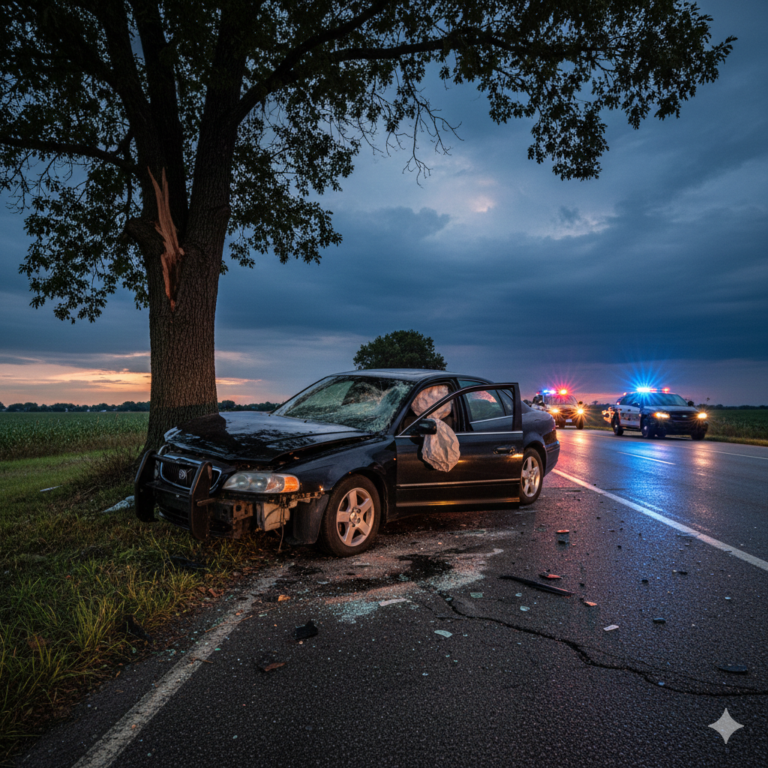
If the cars are drivable, Ohio law allows and encourages you to move your vehicle out of the roadway to prevent additional collisions. This is especially important on high-risk corridors like US-35, I-675, or Edwin C. Moses Boulevard, which we highlighted in The Most Dangerous Roads and Intersections in Dayton.
Call 911 immediately if:
- Anyone is injured
- A vehicle cannot be moved
- You’re on a highway or major thoroughfare
- You suspect impaired driving
Even minor injuries can worsen later, so never assume “everyone’s fine” at the scene.
Step 2 — Call the Police (Even for a Small Accident)
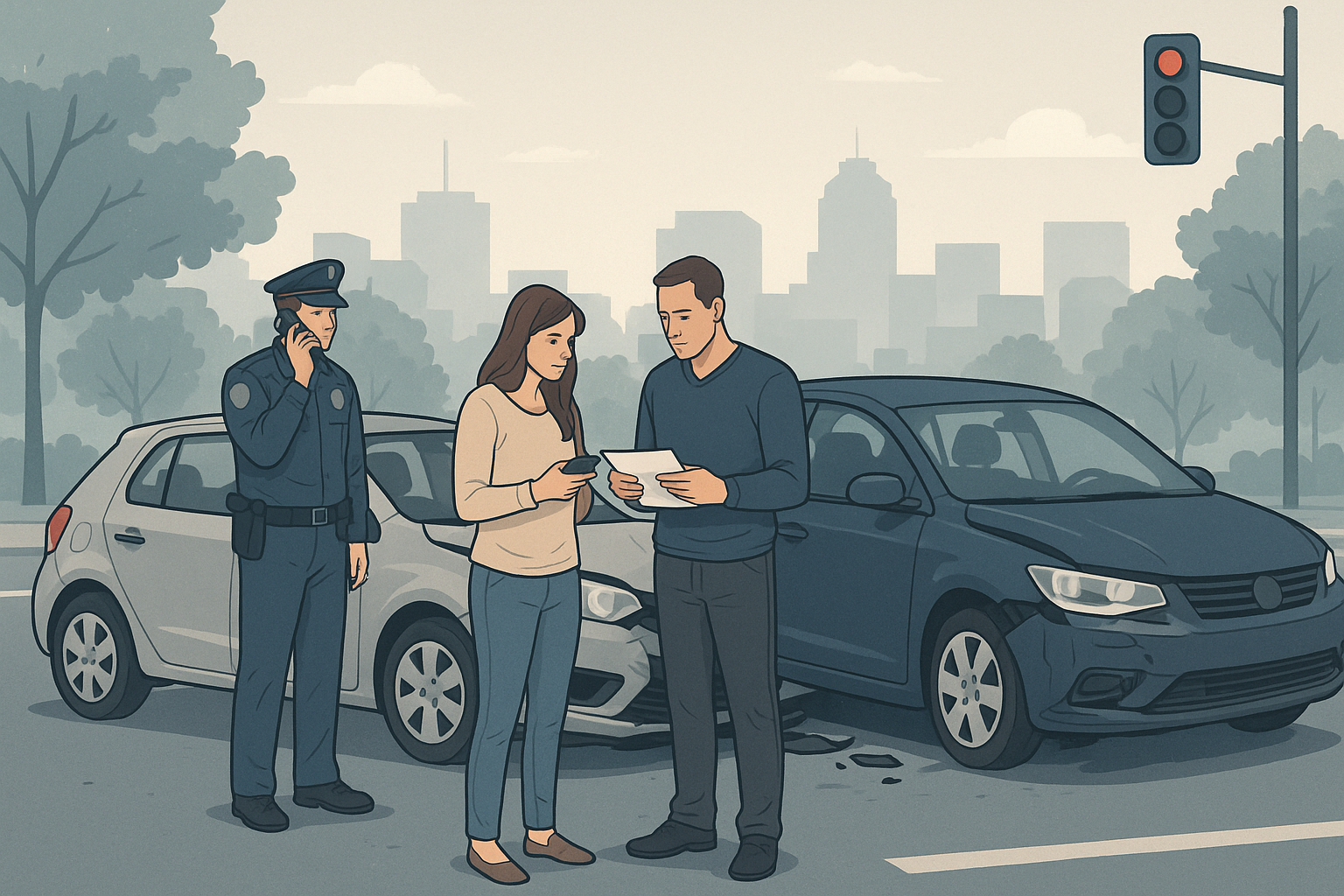
In Ohio, it’s always smart to call the police because the officer’s crash report becomes the foundation for:
- Determining fault
- Insurance claims
- Potential legal disputes
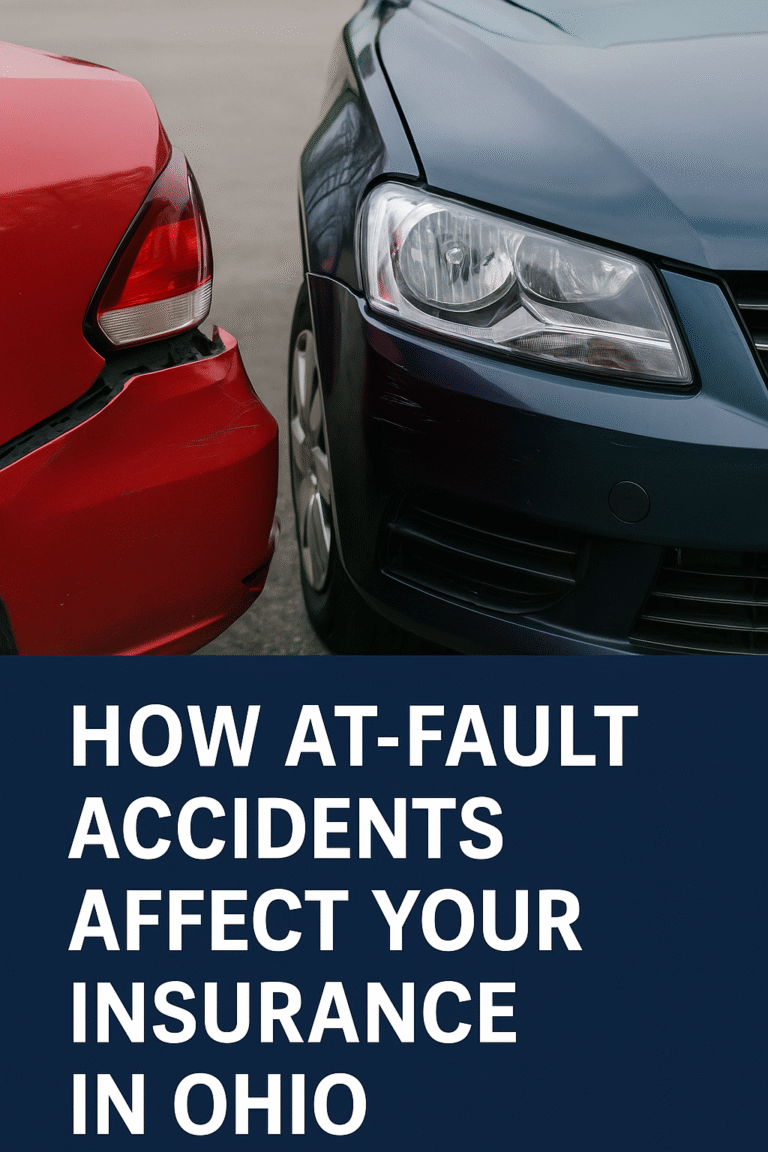
This is critical because Ohio is an at-fault state, meaning the driver responsible for the accident pays for the damages. If you’ve read our deep dive on fault laws in How At-Fault Accidents Affect Your Insurance, you know how important proper documentation is.
Most Dayton-area departments—Dayton PD, Kettering PD, Centerville PD—can respond quickly. And yes, even on private property (parking lots), it’s still helpful to file a report.
Step 3 — Document the Scene Thoroughly
Take photos of everything:
- Vehicle damage (close-up and wide shots)
- The position of each vehicle
- License plates
- Street signs or landmarks
- Skid marks, debris, or weather conditions
If the accident occurred at one of the high-incident intersections from our Dayton danger list—such as South Smithville, North Main, or Wilmington Pike—capturing the environment helps strengthen your claim.
Also get the other driver’s:
- Name
- Phone number
- Address
- Insurance company
- Policy number
- Driver’s license
- License plate
Don’t rely on them to “text you their info later.”
Step 4 — Exchange Insurance Information the Right Way
Here’s what many Ohio drivers don’t realize: you should not discuss who was at fault at the scene.
Simply exchange information and wait for the insurance companies to evaluate the evidence. Anything you say—especially “I’m sorry”—can be used later to assign fault.
Ohio’s insurance landscape is changing fast (we broke down the newest rules in The Ohio Auto Insurance Guide: What’s Changing and Why), so it’s important to stick to the basics and avoid saying too much.
Step 5 — Understand How Ohio Law Handles Accident Reporting
Ohio requires drivers to file an accident report only in specific scenarios, such as:
- When there is injury
- When there is death
- When property damage exceeds a certain dollar amount (typically $1,000 or more)
However, even if it’s not legally required, filing a police report protects you from disputes over what happened.
Drivers in Dayton, Kettering, and Centerville frequently misunderstand driving laws—especially newer regulations. For a refresher, check out The Complete Guide to Ohio Driving Laws.
Step 6 — Contact Your Insurance Company ASAP
Don’t wait. Reporting quickly gives you a major advantage if the other driver changes their story later.
Your insurer will want:
- Photos
- The police report number
- Driver information
- A detailed account of what happened
This is also where your rates may be affected depending on fault, accident severity, and your policy type. We break down all the variables that affect your premiums in Why Ohio Auto Rates Are Rising (And How to Keep Yours Low).
Step 7 — Review Your Ohio Coverage (It Matters More Than You Think)
Most Ohio drivers don’t fully understand their policy until a crash happens. Your coverage determines:
- Whether your car gets repaired
- Whether you get a rental car
- How medical bills are handled
- Whether your insurer pays or pursues the other driver
Here are the big coverage types that matter after a crash:
Liability Coverage (Required in Ohio)
Pays the other driver if you are at fault.
Collision Coverage
Pays to fix your car regardless of fault.
Medical Payments (MedPay)
Covers your medical expenses even if you weren’t at fault.
Uninsured/Underinsured Motorist Coverage
Pays when the other driver doesn’t have enough insurance (shockingly common in Dayton).
Your exact protections depend heavily on what you selected. We break all of this down in The Ohio Auto Insurance Guide: What’s Changing and Why and in Best Discounts for Ohio Drivers.
Step 8 — If You Drive an EV, There Are Extra Steps
For Dayton-area EV owners—especially Tesla, Rivian, and Hyundai EV drivers—accidents can be complicated because repair shops are limited and parts can take longer.
We covered what to expect in Electric Vehicles and Insurance in Ohio: What Owners Should Expect, but the short version is:
- Expect higher repair costs
- Expect longer repair timelines
- Expect more detailed inspections
If you’re in a crash in your EV, tell your insurer immediately so they can route you to the right kind of body shop.
Step 9 — Special Considerations for Teen Drivers in Ohio
If your teenager is involved in a crash, the insurance implications are even greater.
Teen drivers already pay higher premiums—something we covered in Teen Drivers in Ohio: What Parents Need to Know—and an accident can drastically increase rates for the entire household.
Parents should:
- Notify the insurer immediately
- Review whether the teen was added to the policy correctly
- Confirm whether the car is titled properly for coverage
- Monitor the teen’s future driving and consider defensive driving courses
Step 10 — Follow Up With the Insurance Adjuster: What to Do After a Car Accident in Dayton
Within a few days, an adjuster will contact you for:
- A recorded statement
- Additional photos
- Repair estimates
- Medical updates (if needed)
Pro tip: Be factual but brief. You don’t need to give long explanations or volunteer extra details.
Once the adjuster finalizes liability and damages, you’ll receive:
- Repair authorization
- Rental car instructions
- Deductible information
- Settlement details (if applicable)
Step 11 — Protect Yourself From Long-Term Financial Impact
Even a small accident can affect your premiums for three to five years depending on:
- Fault
- Claim amount
- Past driving history
- Type of violation
- Carrier rules
Your best shield against premium increases is:
- Accident forgiveness (if your carrier offers it)
- Maintaining clean driving history afterward
- Completing safe driver courses
- Reviewing discounts (see Best Discounts for Ohio Drivers)
- Rerunning your policy annually
Many Ohio drivers simply accept rate hikes without reviewing their coverage—don’t be one of them.
Conclusion: The Moments After a Crash Matter More Than You Think
A car accident is stressful, inconvenient, and usually expensive. But when you handle the steps correctly—protecting yourself legally, gathering strong documentation, and understanding your insurance—it becomes far easier to navigate.
Whether you’re driving through Dayton, Kettering, Centerville, Beavercreek, Miamisburg, or Oakwood, the same rules apply: stay calm, gather everything you can, and follow a clear plan.
If you want a free review of your auto insurance or help navigating a recent claim, we’re here.
Call Ingram Insurance Today
Ingram Insurance – Dayton, Ohio
733 Salem Ave, Dayton, OH
Phone: (937) 741-5100
Website: www.insuredbyingram.com
Email: contact@insuredbyingram.com