Are Foundation Issues Covered by Insurance? 8 Things You Must Know
If you’re a homeowner in Ohio, foundation problems aren’t just a theoretical concern — they’re a real one. You’ve likely wondered, “Are foundation issues covered by insurance?” From older basements in Dayton and Cincinnati to slab homes in Columbus and freeze-thaw soil movement across the state, foundation issues come up often. One of the most common (and most stressful) questions homeowners ask is: are foundation issues covered by insurance?
The short answer is: sometimes — but only under very specific circumstances. Most homeowners are surprised to learn that many foundation problems are not covered, even though they can cost tens of thousands of dollars to repair. Understanding what is covered, what isn’t, and how insurance companies evaluate foundation claims is critical before damage occurs, not after.
Below are 8 essential things every Ohio homeowner must know about foundation issues and insurance coverage.
Are Foundation Issues Covered by Insurance? 8 Things You Must Know (Ohio)
1. Homeowners Insurance Does Not Automatically Cover Foundation Problems
A common misunderstanding among Ohio homeowners is the belief that foundation damage is inherently covered under a standard homeowners insurance policy. In practice, this is rarely the case. Most policies do not provide blanket coverage for foundation problems and instead evaluate coverage based on the cause of the damage rather than the presence of damage itself.
Homeowners insurance is fundamentally designed to address losses that are sudden, accidental, and unforeseen. It is not intended to function as a maintenance or deterioration policy. As a result, foundation issues that develop gradually over time are typically excluded from coverage.
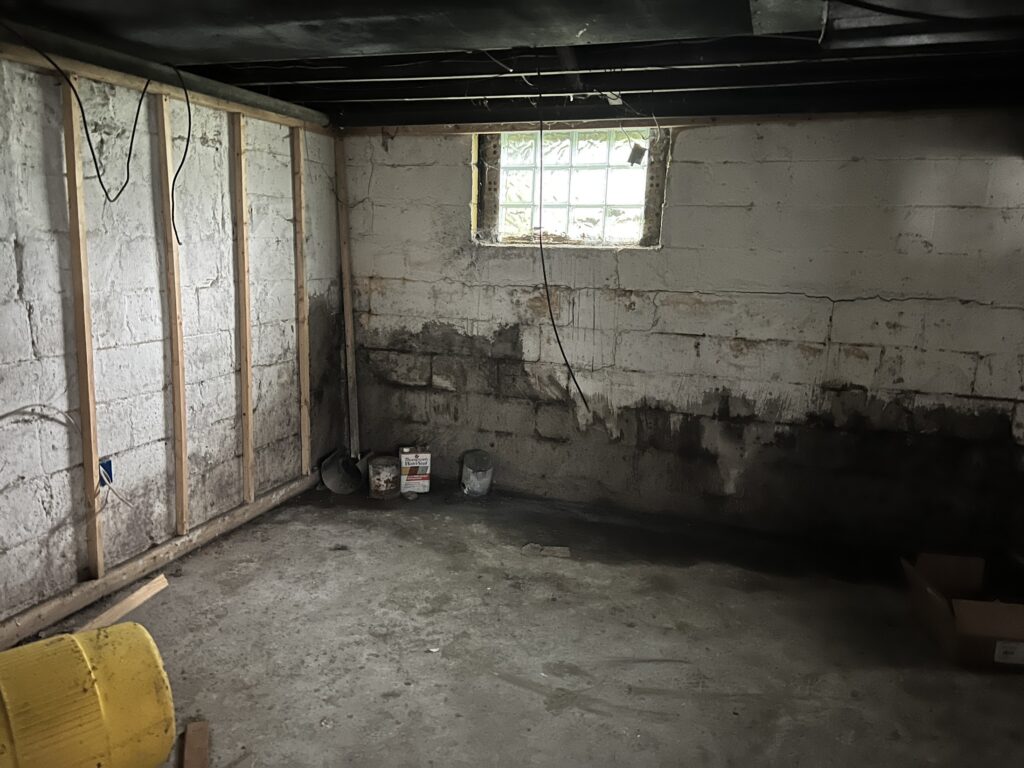
Foundation cracking or movement caused by factors such as age-related settling, soil expansion, construction deficiencies, or long-term moisture exposure will generally fall outside the scope of covered losses. Even when damage becomes noticeable abruptly, insurers often determine that the underlying cause was progressive rather than sudden.
This exclusion framework is particularly significant for homes in Ohio, where environmental and construction factors commonly contribute to foundation stress, including:
- An aging housing stock, with many homes built 50 to 100 years ago or more
- Widespread use of basements and block foundations
- Clay-rich soils that expand and contract with changes in moisture
- Seasonal freeze-thaw cycles that exert repeated pressure on foundation walls
From an insurance standpoint, these conditions are generally considered predictable and ongoing influences rather than insurable events. As a result, insurers typically classify related foundation damage as normal structural deterioration rather than a covered loss.
In simple terms, homeowners insurance does not cover foundation failure that arises from ordinary aging, environmental conditions, or long-term structural stress.
2. Foundation Damage May Be Covered If It Is Caused by a Covered Peril
Although most foundation problems are excluded from homeowners insurance, coverage may apply when foundation damage can be directly attributed to a covered peril. In these situations, the foundation itself is not the focus of the coverage determination; rather, the decisive factor is whether the damage resulted from a qualifying event explicitly insured under the policy.
Covered perils are generally defined as sudden, accidental, and identifiable incidents that occur during the policy period. When such an event causes immediate structural damage to a foundation, insurers may consider the resulting repairs eligible for coverage, subject to policy terms, exclusions, and limits.
Examples of covered events that can, under certain circumstances, lead to covered foundation damage include:
- A sudden rupture of a plumbing line located beneath a slab or within the foundation footprint
- Unexpected discharge of water originating from inside the dwelling
- Structural impact from a vehicle or external object
- Fire or explosion causing direct structural compromise
- Foundation collapse that occurs as a consequence of another covered loss
For instance, if an otherwise properly maintained plumbing line fails abruptly and the released water erodes supporting soil beneath the foundation, resulting in cracking or displacement, insurers may evaluate the damage as a covered loss. In such cases, coverage is typically extended to the portion of the foundation damaged by the insured event, not to preexisting or unrelated structural conditions.
It is important to note that insurers conduct a detailed causation analysis in these claims. The presence of foundation damage alone is insufficient to establish coverage. Adjusters and engineers will assess whether the damage is directly linked to a discrete, sudden occurrence or whether it reflects cumulative deterioration, soil movement, or long-term moisture exposure.
As a result, the burden of proof effectively rests with the homeowner to demonstrate that the foundation damage arose from a covered peril rather than from ongoing structural or environmental factors.
3. The Distinction Between Gradual Damage and Sudden Damage Is Central to Coverage Determinations
In the evaluation of foundation-related insurance claims, few factors carry more weight than the distinction between gradual damage and sudden damage. For Ohio homeowners, this distinction often determines whether a claim is approved or denied, regardless of the severity of the structural issues involved.
Homeowners insurance policies are structured to respond to losses that occur abruptly and can be traced to a specific event within the policy period. Damage that develops incrementally over time, even if it becomes visible or problematic all at once, is typically classified as non-covered deterioration rather than an insurable loss.
Foundation conditions that insurers commonly categorize as gradual damage include:
- Long-term structural settling of the home
- Soil movement or expansion related to moisture variation
- Foundation cracking that develops progressively over months or years
- Inadequate drainage or chronic water management issues
- Construction defects or improper foundation design
- Deferred or insufficient maintenance
Because these conditions are generally predictable and ongoing in nature, insurers view them as part of the normal lifecycle of a structure rather than as sudden losses. As a result, damage arising from these factors is almost universally excluded under standard homeowners insurance policies.
By contrast, coverage may be considered when foundation damage can be clearly linked to a sudden and identifiable event. Examples of scenarios that insurers may evaluate differently include:
- A sudden plumbing failure that causes immediate soil displacement beneath the foundation
- An abrupt structural collapse tied directly to a covered peril
- Immediate foundation damage resulting from a fire, explosion, or similar insured event
Even in these cases, insurers focus on causation rather than timing of discovery. If an adjuster or engineer determines that the observed damage reflects a gradual process — even if the homeowner only recently became aware of it — coverage will typically be denied.
For this reason, documentation plays a critical role in foundation claims. Photographs, repair records, prior inspections, and evidence establishing a clear timeline of events can significantly influence how damage is classified and whether coverage is ultimately extended.
4. Water Damage and Foundation Coverage Are Frequently Misunderstood
Water-related losses are among the most commonly misunderstood aspects of homeowners insurance, particularly when foundation damage is involved. Many Ohio homeowners assume that the presence of water automatically triggers coverage; however, insurance policies make a critical distinction between the source of water and the manner in which damage occurs.
Under standard homeowners insurance policies, damage caused by flooding is expressly excluded. Flooding is broadly defined and does not require standing water inside the home. From an insurance perspective, flood-related causes typically include:
- Groundwater seepage or hydrostatic pressure
- Surface water runoff
- Rising or fluctuating water tables
- Saturated soil conditions following heavy or prolonged rainfall
When foundation cracking or movement results from these conditions, insurers generally classify the damage as flood-related or earth movement–related, both of which fall outside the scope of coverage provided by standard homeowners policies.
Even homeowners who carry a separate flood insurance policy should be aware that flood coverage is limited in its treatment of foundations. While flood insurance may pay for certain direct physical damages, it often excludes or restricts coverage for foundation shifting, settling, or cracking that results from soil movement or hydrostatic pressure.
By contrast, water damage originating from inside the structure is evaluated differently. Sudden and accidental discharge of water from internal plumbing systems, appliances, or water supply lines may constitute a covered peril if the release occurs within the dwelling and directly causes structural damage.
In foundation-related claims, this distinction is especially important. Damage caused by internal plumbing failures may be eligible for coverage, whereas damage caused by external water sources, groundwater intrusion, or soil saturation is typically excluded, even when the resulting structural damage appears similar.
Ultimately, insurers assess not whether water was involved, but where the water originated and how it interacted with the structure. This source-based analysis is a central factor in determining whether foundation damage qualifies as a covered loss.
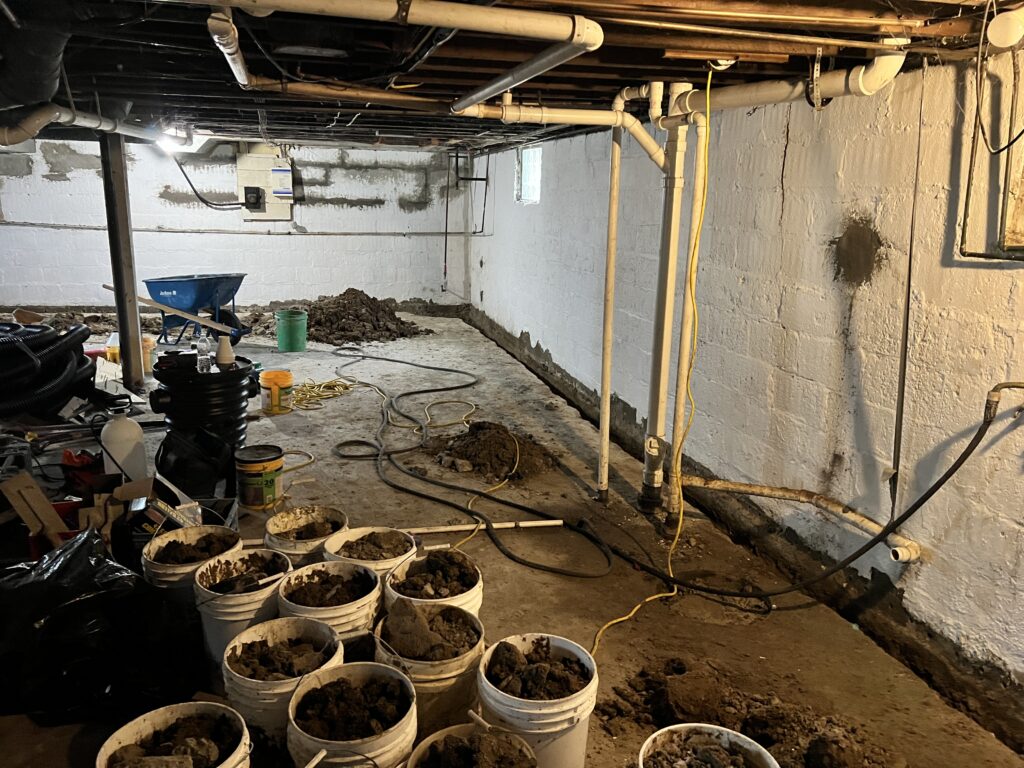
5. Foundation Cracks Alone Rarely Establish Insurance Coverage
The presence of cracks in a foundation, while often alarming to homeowners, does not by itself create an insurable loss. From an insurance standpoint, foundation cracks are a condition, not a cause, and coverage determinations are based on the underlying mechanism that produced the cracking rather than the cracks themselves.
In many Ohio homes, particularly those with masonry or block foundations, some degree of cracking is considered a normal byproduct of structural aging, soil movement, and environmental stress. Insurers generally view these conditions as part of routine structural performance rather than as evidence of a sudden loss.
Foundation cracking that is commonly classified as non-covered includes:
- Hairline or shrinkage-related cracks
- Stair-step cracking in block or brick foundation walls
- Minor horizontal or vertical cracking without sudden displacement
- Cracking associated with long-term soil expansion or hydrostatic pressure
These types of cracks are typically attributed to gradual settlement, moisture variation, or earth movement, all of which are excluded under standard homeowners insurance policies.
For foundation cracking to be considered for coverage, insurers generally require evidence of a qualifying covered event that directly caused the structural damage. This may include sudden displacement, collapse, or cracking that occurs contemporaneously with an insured peril, such as a plumbing failure, explosion, or structural impact.
Even in these scenarios, insurers often distinguish between cosmetic or superficial cracking and true structural impairment. Coverage, when extended, is usually limited to repairing the portion of the foundation damaged by the covered event and does not apply to preexisting conditions or unrelated cracking.
As a result, homeowners should not assume that the appearance of new or worsening cracks automatically indicates insurance coverage. Without a demonstrable link to a covered cause, foundation cracking alone is rarely sufficient to support a successful claim.
6. Insurance Adjusters Evaluate Foundation Claims Based on Cause, Not Cost
When homeowners submit claims involving foundation damage, it is common to assume that the scope or cost of repairs will influence coverage decisions. In practice, insurance adjusters do not evaluate claims based on the financial magnitude of the damage. Instead, coverage determinations are made almost exclusively on the basis of causation.
Regardless of whether estimated repairs total several thousand dollars or tens of thousands of dollars, insurers focus on identifying the origin and progression of the damage. If the underlying cause falls outside the list of covered perils, the claim will typically be denied, irrespective of the severity of the structural impact.
In foundation-related claims, insurers often rely on a combination of on-site inspections and third-party assessments to evaluate causation. These reviews may include:
- Engineering or structural evaluation reports
- Analysis of soil composition and moisture conditions
- Patterns of cracking or displacement within the foundation
- Evidence of water intrusion or drainage deficiencies
- The age of the structure and its foundation system
- Documentation of prior repairs or known structural issues
In Ohio, older homes and properties with a history of foundation work are often subject to heightened scrutiny. Insurers may examine whether current damage represents a continuation of known conditions or whether it can be reasonably traced to a new, identifiable event occurring during the policy period.
Adjusters also distinguish between damage that is repairable as part of a covered loss and damage that reflects preexisting or unrelated structural deficiencies. Even when coverage is extended, insurers typically limit payment to the portion of damage directly attributable to the covered cause, excluding any costs associated with long-term deterioration or corrective upgrades.
For homeowners, this approach underscores the importance of understanding how insurers interpret foundation claims. The cost of repairs, while financially significant to the homeowner, does not influence coverage eligibility unless the damage can be clearly linked to a covered peril.
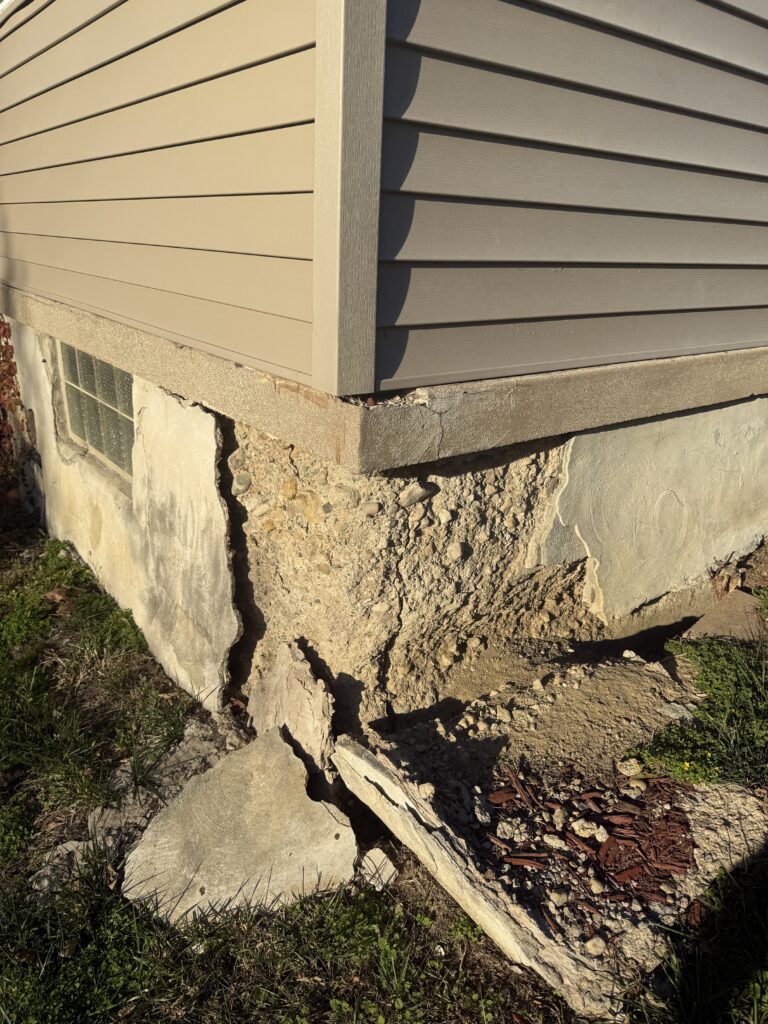
7. Endorsements and Optional Coverages Can Affect Outcomes, but Do Not Override Core Exclusions
In certain circumstances, Ohio homeowners may have limited additional protection for foundation-related damage through policy endorsements or optional coverages. These endorsements are designed to address narrowly defined risks and can influence claim outcomes when specific conditions are met. However, they do not fundamentally alter the structure of a standard homeowners insurance policy.
Common endorsements that may be relevant in foundation-related claims include:
- Water backup or sump overflow coverage
- Limited collapse coverage
- Endorsements addressing hidden or concealed water damage
While these coverages can provide meaningful protection in certain loss scenarios, they are not intended to convert long-term maintenance issues or gradual structural deterioration into covered losses. Exclusions related to wear and tear, earth movement, soil conditions, and ongoing moisture exposure typically remain in force even when endorsements are added to the policy.
As a result, endorsements tend to apply only when a claim clearly falls within their narrowly defined scope. For example, water backup coverage may respond to a sudden sump pump failure, but it would not extend coverage to foundation damage caused by chronic groundwater intrusion or long-standing drainage problems.
This limitation highlights the importance of regular policy reviews. Many homeowners assume broader protection than their policies actually provide and only become aware of coverage gaps after a claim has been denied. A detailed review can clarify which risks are insured, which are excluded, and where supplemental coverage may or may not offer meaningful benefit.
8. Preventative Measures Often Provide Greater Protection Than Insurance Coverage
Because homeowners insurance frequently excludes foundation damage arising from gradual or environmental causes, preventative risk management plays a critical role in protecting Ohio homes. While insurance is designed to respond to qualifying loss events, many foundation-related risks are best addressed through proactive maintenance and documentation rather than reliance on coverage.
Foundation systems are particularly sensitive to moisture variation, soil movement, and water management. In Ohio’s climate, where seasonal freeze-thaw cycles and fluctuating precipitation are common, unmanaged water exposure is a leading contributor to structural stress over time.
Preventative measures that can help reduce the likelihood or severity of foundation issues include:
- Maintaining proper grading to direct water away from the foundation
- Ensuring gutters and downspouts are functional and discharge water well clear of the structure
- Regular inspection and maintenance of sump pumps and drainage systems
- Managing basement humidity and moisture intrusion
- Promptly repairing plumbing leaks or water line failures
In addition to physical maintenance, documentation is an often-overlooked component of risk management. Photographs, inspection reports, repair records, and evidence of sudden water-related incidents can be critical if a claim is later evaluated. Clear documentation can help establish timelines and distinguish between sudden damage and long-term deterioration.
While preventative measures do not create insurance coverage where none exists, they can significantly reduce exposure to non-covered losses and improve a homeowner’s ability to demonstrate causation if a covered event does occur.
Common Ohio Foundation Insurance Myths
Many homeowners believe:
- “If it cracks, insurance covers it” ❌
- “Water damage is always covered” ❌
- “My neighbor got coverage, so I will too” ❌
Every policy is different, and coverage depends entirely on cause and policy language, not assumptions.
Frequently Asked Questions: Foundation Issues and Insurance Coverage in Ohio
1. Are foundation issues covered by insurance in Ohio?
Foundation issues may be covered only when the damage is caused by a sudden and accidental peril that is specifically insured under the policy. Most foundation problems related to settling, soil movement, or aging are excluded.
2. Does homeowners insurance cover foundation cracks?
In most cases, homeowners insurance does not cover foundation cracks unless they are directly caused by a covered peril, such as a sudden plumbing failure or structural impact.
3. Will insurance pay for foundation repair?
Insurance may pay for foundation repairs only when the damage results from a covered cause. The cost of repair alone does not determine coverage eligibility.
4. Is foundation damage caused by water covered?
Coverage depends on the source of the water. Water originating from inside the home, such as a burst pipe, may be covered, while damage caused by groundwater, flooding, or surface water is typically excluded.
5. Does flood insurance cover foundation damage?
Flood insurance may cover certain direct physical damage but often excludes or limits coverage for foundation movement, settling, or cracking caused by soil displacement or hydrostatic pressure.
6. Is foundation settling covered by insurance?
Foundation settling is generally considered a gradual process and is not covered under standard homeowners insurance policies.
7. Are foundation problems considered wear and tear?
Insurers commonly classify foundation issues related to age, soil conditions, or moisture variation as wear and tear or structural deterioration, both of which are excluded from coverage.
8. Does insurance cover foundation damage from plumbing leaks?
If a plumbing leak occurs suddenly and causes immediate foundation damage, coverage may apply. Long-term or undetected leaks are typically excluded.
9. Can insurance deny a claim even if damage appears sudden?
Yes. Insurers evaluate the underlying cause of the damage. If evidence suggests the condition developed gradually, coverage may be denied even if the damage was only recently discovered.
10. Does insurance cover foundation damage from heavy rain?
Damage resulting from heavy rain, saturated soil, or groundwater intrusion is generally excluded, as it is classified as flood or earth movement–related damage.
11. Are basement foundation walls treated differently by insurers?
Basement foundation walls are evaluated using the same causation standards as other foundation types. The presence of a basement does not, by itself, create coverage.
12. Does insurance cover foundation damage in older Ohio homes?
Older homes are not excluded from coverage solely due to age, but insurers often scrutinize claims more closely to determine whether damage reflects long-term deterioration.
13. What role do engineering reports play in foundation claims?
Engineering reports are frequently used to determine the cause and progression of foundation damage and can significantly influence claim outcomes.
14. Does water backup coverage include foundation damage?
Water backup coverage may apply to sudden sump pump or drain failures but generally does not extend to foundation damage caused by groundwater or chronic moisture issues.
15. Is foundation collapse covered by homeowners insurance?
Foundation collapse may be covered if it occurs as a result of a covered peril. Collapse caused by settling, soil movement, or construction defects is typically excluded.
16. Does insurance cover cosmetic foundation damage?
Cosmetic damage, including minor cracking or surface imperfections, is generally not covered unless it is directly tied to a covered structural loss.
17. Can prior foundation repairs affect insurance coverage?
Yes. Prior repairs may be reviewed to determine whether current damage represents a continuation of known issues rather than a new covered event.
18. Does insurance cover foundation damage from earthquakes?
Earthquake-related foundation damage is excluded under standard homeowners insurance and requires a separate earthquake insurance policy.
19. How can homeowners improve their chances of a valid foundation claim?
Maintaining documentation, addressing sudden water events promptly, and preserving records of inspections and repairs can help establish causation if a covered event occurs.
20. Should homeowners review their insurance policy for foundation coverage?
Yes. A policy review can clarify exclusions, endorsements, and realistic coverage expectations before foundation issues arise.
Final Thoughts: Know Before You Need It
Foundation repairs are expensive, stressful, and often misunderstood when it comes to insurance. Ohio homeowners benefit most when they understand coverage before damage occurs — not after a claim is denied.
If you’re unsure whether your current policy would respond to foundation-related damage, a professional policy review can uncover gaps, exclusions, and realistic expectations.
Need Help Reviewing Your Coverage?
Ingram Insurance
733 Salem Ave, Dayton, Ohio
Phone: (937) 741-5100
Website: https://www.insuredbyingram.com
Email: contact@insuredbyingram.com
We help Ohio homeowners understand what their insurance actually covers — before problems arise.
Additional FAQs: Are Foundation Issues Covered by Insurance?
21. Are foundation issues covered by insurance in most homeowners policies?
In most cases, foundation issues are not covered by insurance unless the damage is caused by a sudden and accidental covered peril. Homeowners insurance does not automatically cover foundation issues related to settling, soil movement, or long-term deterioration.
22. Are foundation issues covered by insurance if damage appears suddenly?
Even when damage appears suddenly, foundation issues are only covered by insurance if the underlying cause is a covered peril. If insurers determine the issue developed gradually, coverage is typically denied.
23. Are foundation issues covered by insurance in Ohio due to water damage?
Foundation issues may be covered by insurance in Ohio only when water damage originates from inside the home, such as a burst pipe. Foundation issues caused by groundwater, flooding, or saturated soil are not covered by insurance.
24. Why are foundation issues often not covered by insurance?
Foundation issues are often not covered by insurance because they are commonly caused by wear and tear, earth movement, or maintenance-related conditions, which are excluded under standard homeowners insurance policies.
25. How can homeowners find out if foundation issues are covered by insurance?
Homeowners can determine whether foundation issues are covered by insurance by reviewing their policy language, exclusions, and endorsements, or by requesting a professional policy review before damage occurs.
Related Reading from Ingram Insurance
Additional Ohio insurance resources and local guides that may be helpful.
Show more related articles
Homeowners Insurance (Ohio & Dayton)
- Dayton Homeowners Insurance
- Washington Township Homeowners Insurance
- Understanding Home Insurance Coverage in Ohio
- Roof Age and Insurance Coverage in Ohio
- Winterizing Your Home in Ohio
- Hidden Cost Drivers in Homeowners Insurance
- Water Damage vs Flooding
- Tornado Season in Ohio
Auto Insurance & Claims
- Montgomery County Auto Insurance Guide
- Why Ohio Auto Rates Are Rising
- Teen Drivers in Ohio
- Most Dangerous Roads in Dayton
- Auto Insurance in Belmont (Dayton)
Landlords & Rental Properties
- Rental Property Insurance for Dayton Landlords
- Understanding Loss of Rents Coverage
- Vacant Homes in Dayton
- The 15-Year Roof Rule (Ohio)
- Wolf Creek Landlord Insurance
Contractors & Business Insurance
- Ohio Contractor Insurance Guide
- Ohio HVAC Insurance
- Insurance for Plumbers
- Tree Service & Arborist Insurance
- Church Insurance in Ohio