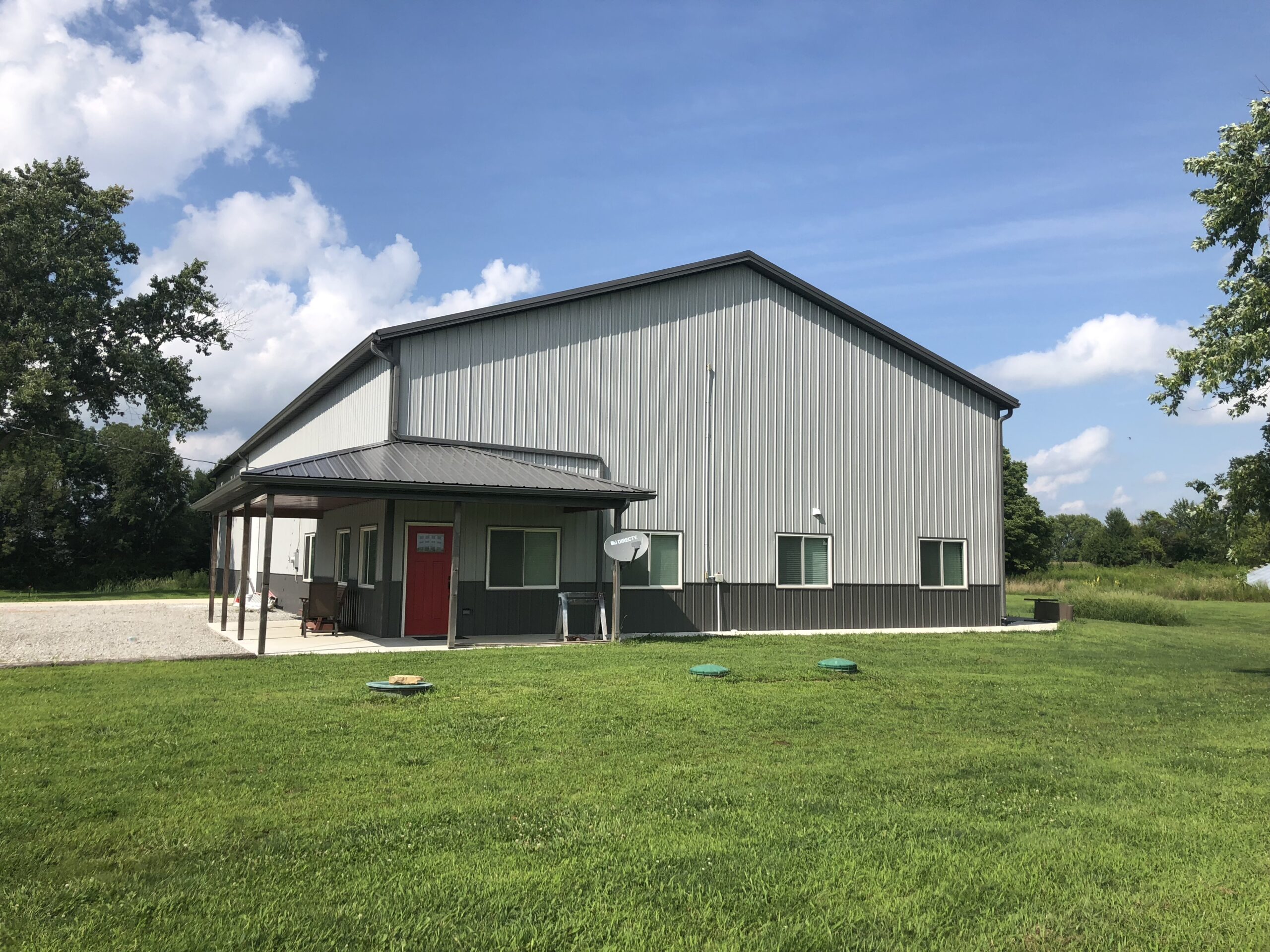
Barndominium Insurance in Ohio: What You Must Know Before You Build or Buy
Barndominium Insurance: If you are building, buying, or living in a barndominium in Ohio, insurance is likely one of the most confusing parts of the process. Many homeowners assume barndominium insurance works the same way as a standard homeowners policy, only to discover late in the process that coverage options are limited, pricing varies widely, and some carriers will not insure barndominiums at all.
Barndominium insurance requires a different approach than traditional home insurance. Construction materials, rural location, fire protection class, mixed-use space, and how the structure is classified by insurers all play a role in whether coverage is available and how claims are handled.
This guide explains how barndominium insurance works in Ohio, what insurance companies look for, common coverage gaps, and how to avoid costly mistakes before you build or buy.
Barndominium Insurance in Ohio: What You Must Know Before You Build or Buy
What Is a Barndominium From an Insurance Perspective?
A barndominium is typically a residential living space constructed within a metal or steel-frame building that resembles a barn, warehouse, or agricultural structure. While homeowners often view barndominiums as custom homes, insurance companies do not automatically classify them the same way.
From an insurance standpoint, the structure’s original design, materials, and intended use matter more than how it is currently occupied. Many barndominiums originate as agricultural or commercial-style buildings that are later converted into living space, which complicates underwriting.
Insurance companies may classify a barndominium as:
- A custom-built residential dwelling
- A metal home or non-standard construction home
- A converted agricultural structure
- A mixed-use residential and utility building
The classification directly affects what policy forms are available and how claims are evaluated.
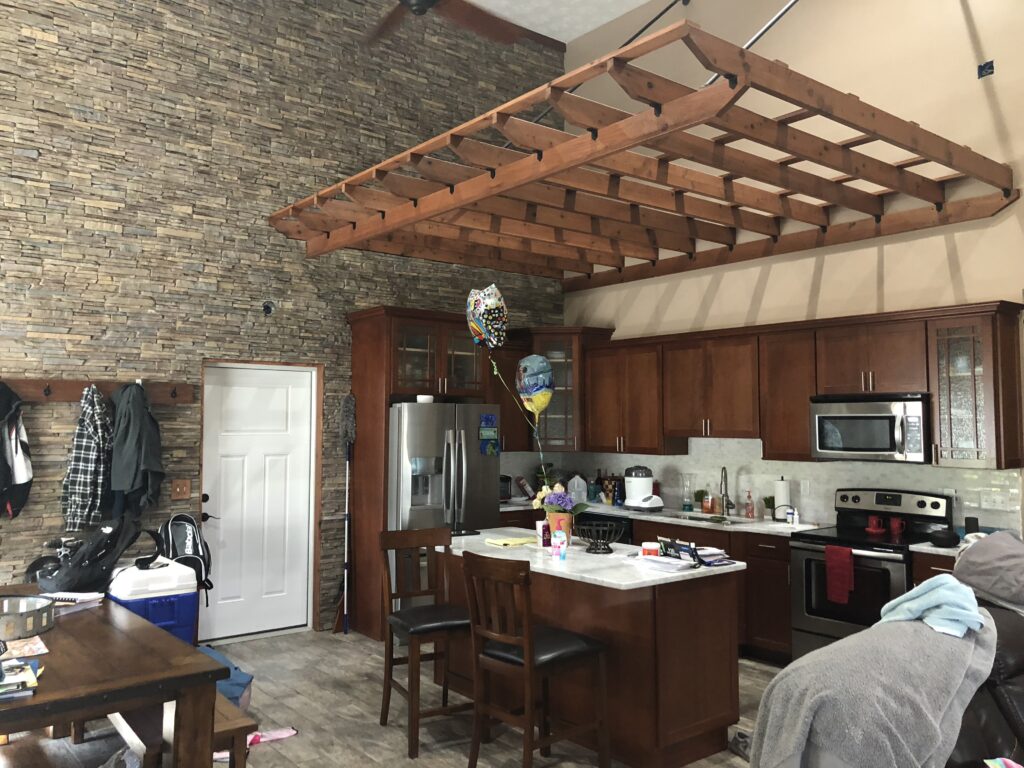
Why Barndominium Insurance Is More Complicated Than Standard Home Insurance
Barndominiums fall outside the traditional risk models used by many insurance carriers. Standard homeowners insurance policies are designed for wood-frame homes with predictable construction methods and loss histories.
Barndominiums introduce variables that insurers consider higher risk, including:
- Metal or steel framing instead of wood
- Large open spans and custom interior layouts
- Rural or semi-rural locations
- Long distances to fire departments or hydrants
- Attached workshops, garages, or equipment storage
Because of these factors, some insurers decline barndominium risks entirely, while others impose stricter underwriting requirements.
Is a Barndominium Considered a Home or a Barn?
This is one of the most important questions in barndominium insurance. While homeowners see a barndominium as a residence, insurers evaluate what the structure was designed to be, how it is constructed, and how it is used.
If a barndominium closely resembles a traditional home in layout, finish, and occupancy, insurers are more likely to classify it as a dwelling. If it retains characteristics of a barn, shop, or agricultural building, insurers may classify it differently, which affects coverage options.
Misclassification can lead to coverage gaps or claim disputes, especially after a loss.
How Insurance Companies Classify Barndominiums
Insurance carriers classify barndominiums using underwriting rules, not marketing terms. In other words, the fact that a property is called a “barndominium” does not automatically place it into a single insurance category. Instead, insurers attempt to determine what the structure most closely resembles from a risk standpoint, and then assign it to the policy form and rating approach that best matches that risk profile.
This classification matters because it influences carrier eligibility, premium, coverage form (standard homeowners versus specialty dwelling), available endorsements, valuation methods, and even how certain claims are interpreted. Two buildings that look similar on the outside can be treated very differently by insurers depending on construction details and how the space is used.
Why Classification Is Not Just a Technicality
From an underwriting perspective, classification is the process of answering a practical question: Is this a conventional residential dwelling, or is it a mixed-use metal building with residential components? The closer a barndominium aligns with conventional residential characteristics, the more likely it is to qualify for broader homeowners coverage with more favorable terms. The more it functions like a shop, agricultural building, or commercial structure, the more likely it is to require a specialty policy or additional coverage lines.
In Ohio, classification is especially important because many barndominiums are located on rural acreage and are designed with large accessory spaces (shops, storage bays, equipment areas) that can introduce exposures not commonly found in suburban homes.
Key Underwriting Factors Insurers Evaluate
During underwriting, carriers typically assess several core variables. While each insurer has its own guidelines, the evaluation usually focuses on the following:
- Construction materials and framing: Whether the structure is wood-frame, steel-frame, post-frame, or a hybrid system, and whether the exterior is metal siding, masonry, or other materials.
- Foundation type: Slab, crawlspace, full basement, pier system, and whether the foundation is engineered and permanent.
- Roof design and materials: Metal roof versus asphalt shingles, roof pitch, fastening system, and age/condition for existing builds.
- Percentage of living space versus utility space: The proportion of finished, conditioned living area compared to garage, shop, storage, or unfinished areas.
- Presence of commercial or agricultural use: Whether the structure is used for business operations, farm activities, livestock, equipment storage, or revenue-generating work.
These factors are evaluated because they correlate to the likelihood and severity of loss. The goal is not to “penalize” a barndominium, but to determine whether the risk matches the loss history and pricing assumptions embedded in a given policy form.
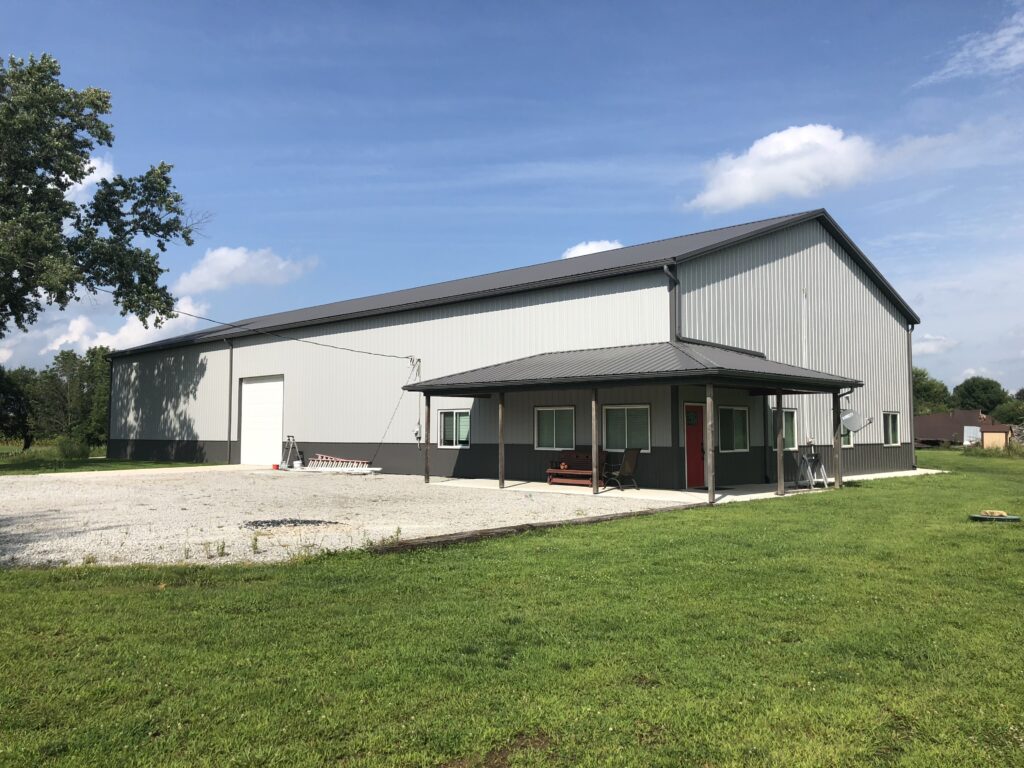
Construction Type: Why “Metal Building” Can Trigger Different Rules
Construction type is often the first gatekeeper. Many standard homeowners carriers are built around assumptions associated with conventional wood-frame construction. Steel-frame or metal building shells can create underwriting questions related to repair methods, specialized labor, material availability, and the complexity of restoring custom interiors after a major loss.
From a claims perspective, metal structures may be durable in some scenarios, but that does not guarantee lower claim costs. After a fire, for example, the interior can be a total loss even if portions of the shell remain standing. Additionally, rebuilding a custom barndominium interior may require specialized trades, longer timelines, and higher reconstruction costs than an insurer expects for a typical home of similar square footage.
Foundation and Permanency: How “Dwelling-Like” the Structure Is
Insurers generally prefer dwellings with permanent foundations because permanency supports consistent valuation and reduces certain structural risks. In Ohio, a barndominium with a poured concrete foundation, a properly engineered slab, or a full basement is more likely to be treated as a true dwelling than a structure built on less permanent systems.
Underwriters may also look for evidence that the structure meets local building standards for residential occupancy, including properly permitted electrical, plumbing, HVAC, and egress.
Roofing, Wind, and Weather: Why Design Details Matter in Ohio
Roof characteristics affect risk in predictable ways. Roof material, fastening, age, and pitch can influence wind uplift resistance and water intrusion potential. In Ohio, insurers may be attentive to storm exposure and winter weather factors, including snow load and ice-related stresses.
Metal roofs are common on barndominiums and can be favorable in certain respects, but carriers still consider installation quality, attachment methods, and the complexity of repairing damage after hail or wind events.
Living Space vs. Utility Space: A Major Driver of Classification
The ratio of finished living area to utility space is one of the most important variables in barndominium classification. From an underwriting perspective, a structure that is 80% finished living space with a modest attached garage is more comparable to a conventional home than a structure that is 40% living space and 60% shop or storage bays.
Utility and shop areas tend to increase exposure because they often contain higher-risk activities and property types, such as:
- Power tools, welding equipment, or compressors
- Flammable liquids (fuel, solvents, paints)
- ATVs, motorcycles, trailers, or heavy equipment
- Higher electrical loads and non-residential wiring setups
These exposures can affect not only premium but also what endorsements or separate policies may be needed to avoid exclusions.
Business and Agricultural Use: The Fastest Way to Trigger Coverage Gaps
Many insurance problems arise when a barndominium is used for more than personal residential living. Standard homeowners policies frequently restrict or exclude coverage for business property, business liability, and certain types of commercial activity conducted on premises. Similarly, agricultural operations may require farm coverage structures that are not automatically included in a homeowners policy.
Examples that often change classification include:
- Operating a business from the shop (repair work, fabrication, contracting)
- Storing business inventory or customer property
- Housing livestock or using the building for agricultural production
- Renting part of the structure (short-term or long-term)
These uses do not necessarily make insurance unavailable, but they frequently require a different policy form, endorsements, or a combination of personal and commercial coverage to avoid claim denials.
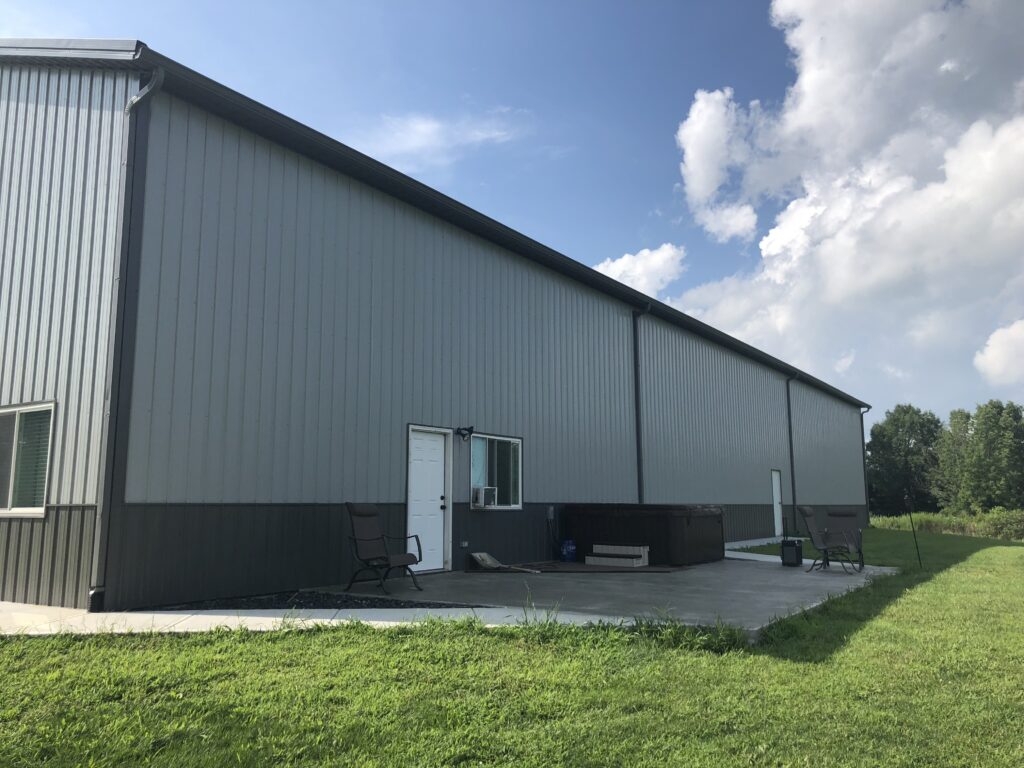
How Insurers Commonly “Bucket” Barndominiums
While carriers do not all use the same terminology, barndominiums often fall into one of several underwriting “buckets”:
- Primarily residential custom dwelling: Predominantly finished living area, standard residential utilities, conventional occupancy, limited utility space.
- Residential dwelling with significant accessory space: A substantial shop/garage component that may require higher liability limits or special underwriting review.
- Mixed-use structure: Residential plus business operations, customer traffic, equipment storage, or revenue activities requiring commercial insurance elements.
- Farm or agricultural-related structure: Residential use intertwined with farming activities, which may be better suited to farm policy structures.
As a practical guideline, barndominiums that are primarily residential with standard utilities, permanent foundations, and finished interiors are typically easier to insure than structures that include large workshops, livestock areas, or business operations. The more the property resembles a conventional dwelling in form and use, the more policy options tend to exist.
Documentation That Helps Underwriting (and Avoids Delays)
Because barndominiums can be unique, carriers often request more documentation than they would for a standard home. Providing clear information upfront can reduce delays and improve the accuracy of valuation and classification.
Commonly useful documentation includes:
- Building plans or a spec sheet (including square footage breakdown of living vs. utility areas)
- Photos of exterior and interior (especially kitchen, bathrooms, mechanicals, and shop areas)
- Proof of permanent foundation and permitted utilities
- Description of shop use (personal hobby use versus business use)
- Distance to nearest fire department and hydrant (if applicable)
From a risk-management standpoint, clarity is valuable. Proper classification at the start reduces the chance of coverage disputes later and helps ensure the policy matches how the property is actually built and used.
What Type of Insurance Policy Covers a Barndominium?
There is no single insurance product specifically labeled “barndominium insurance.” Instead, coverage for a barndominium is assembled by matching the structure’s construction, occupancy, and use to the policy form that most closely aligns with its risk profile. The policy selected is less about terminology and more about whether the insurer believes the structure fits within the assumptions underlying that policy form.
Because barndominiums often fall outside conventional residential construction standards, insurers frequently rely on modified or specialty policy forms rather than standard homeowners insurance. The type of policy available can significantly affect coverage breadth, valuation method, exclusions, and claims handling.
Standard Homeowners Insurance (Limited Availability)
In limited cases, a barndominium may qualify for a standard homeowners insurance policy. This typically occurs when the structure closely resembles a traditional single-family residence in both design and use.
Barndominiums that are most likely to qualify for standard homeowners coverage generally share the following characteristics:
- Predominantly finished, climate-controlled living space
- Permanent foundation meeting residential building standards
- No business, farm, or commercial use
- Minimal shop or utility space relative to total square footage
- Construction quality comparable to conventional custom homes
Even when a standard homeowners policy is available, underwriting review is often more rigorous than it would be for a traditional home. Insurers may impose higher deductibles, stricter valuation requirements, or additional documentation obligations.
Modified Homeowners or Dwelling Policies
More commonly, barndominiums are insured using modified homeowners policies or dwelling policies adapted for non-standard construction. These policies are designed to accommodate structures that are residential in use but do not fit neatly into standard underwriting models.
Dwelling policies are often used when:
- The construction type is non-traditional (metal or steel frame)
- The ratio of utility or shop space is higher than typical homes
- The structure is located in a rural or semi-rural area
- The insurer prefers a more limited coverage form
While these policies can provide meaningful protection, they often differ from standard homeowners insurance in important ways. Coverage limits may be lower, certain perils may be excluded, and replacement cost coverage may not be automatic. Liability coverage may also be structured differently.
Homeowners should carefully review these differences, as assumptions based on standard homeowners insurance do not always carry over to modified policy forms.
Custom-Written or Specialty Insurance Policies
In situations where a barndominium presents multiple underwriting challenges, insurers may offer custom-written or specialty policies. These are typically issued by carriers that focus on unique properties, rural risks, or non-standard construction.
Specialty policies are often used when the barndominium includes:
- Large workshops or equipment areas
- Mixed residential and business use
- Agricultural operations or livestock exposure
- High replacement costs or custom interior finishes
These policies allow insurers to tailor coverage terms to the specific risk, but they may also include narrower coverage definitions, higher deductibles, or more explicit exclusions. Pricing is often individualized, reflecting the absence of broad loss data for similar structures.
Why Policy Form Matters in Ohio
In Ohio, many barndominiums are insured using non-standard homeowners or specialty dwelling forms due to the combination of rural location, metal construction, and mixed-use design common throughout the state. These policy forms are intentionally conservative, as insurers seek to limit exposure to unfamiliar loss patterns.
As a result, policy language tends to be more restrictive, and coverage expectations should be aligned accordingly. Features that homeowners assume are automatically covered under a traditional homeowners policy — such as certain types of water damage, detached structures, or business property — may require explicit endorsement or separate coverage.
The Importance of Matching Policy to Use
The most common insurance problems associated with barndominiums arise not from the absence of insurance, but from a mismatch between the policy form and how the property is actually used. A policy written for a purely residential risk may not respond appropriately if the structure functions as a shop, farm building, or business location.
Properly insuring a barndominium therefore requires a clear understanding of the structure’s design and use, as well as careful selection of a policy form that reflects those realities. When the policy aligns with the risk, coverage is clearer, claims are smoother, and unpleasant surprises are far less likely.
Replacement Cost vs. Actual Cash Value for Barndominiums
Valuation methodology is one of the most consequential aspects of barndominium insurance, yet it is frequently misunderstood by homeowners. The distinction between replacement cost coverage and actual cash value (ACV) coverage can determine whether a homeowner is made financially whole after a loss or left with substantial out-of-pocket expenses.
Replacement cost coverage is generally considered the preferred valuation method for residential properties. Under a replacement cost policy, the insurer agrees to pay the cost to repair or rebuild the structure using materials of like kind and quality, without deduction for depreciation, subject to policy limits and conditions.
For barndominiums, replacement cost coverage is especially important because these structures are often custom-designed and do not conform to standardized residential construction models. Reconstruction costs can be significantly higher than those of traditional homes with similar square footage due to:
- Custom floor plans and non-standard layouts
- Specialized interior finishes and built-ins
- Metal or steel framing systems
- Limited availability of comparable contractors
- Higher labor and coordination costs during reconstruction
Despite these factors, some insurers are unwilling to offer replacement cost coverage on barndominiums. Instead, they may restrict coverage to actual cash value, particularly when the structure involves non-standard construction, large utility areas, or rural location.
Actual cash value coverage differs fundamentally from replacement cost coverage. Under an ACV policy, the insurer pays the replacement cost of the damaged property minus depreciation. Depreciation reflects age, wear, and functional obsolescence, which can significantly reduce claim payments, especially for older or custom-built structures.
In the context of a barndominium, ACV coverage can be particularly problematic. Even when the structure is well-maintained, insurers may apply substantial depreciation to components such as roofing, interior finishes, electrical systems, and mechanical components. The resulting claim payment may fall far short of what is required to rebuild the structure to its pre-loss condition.
Whenever possible, barndominium insurance should be written on a replacement cost basis with an accurately calculated dwelling limit. This often requires a detailed reconstruction cost estimate rather than reliance on market value or generic per-square-foot assumptions.
Undervaluation is a common issue in barndominium insurance. Because these homes are unique, standard valuation tools may underestimate rebuilding costs, increasing the risk of coinsurance penalties or inadequate claim payments following a loss.
Metal Construction, Steel Frames, and Insurance Risk
Metal construction and steel framing are defining features of many barndominiums and play a central role in how insurers evaluate risk. While metal structures can offer durability advantages in certain scenarios, they also introduce underwriting and claims considerations that differ from conventional wood-frame homes.
From an underwriting perspective, metal construction is neither inherently favorable nor unfavorable. Instead, insurers assess how metal components influence loss frequency, severity, and repair complexity.
Metal and steel-framed structures may provide benefits such as resistance to rot, insects, and certain weather-related deterioration. However, insurers also consider several counterbalancing factors, including:
- Repair complexity: Damage to metal structural components often requires specialized assessment and repair techniques, particularly after fire or severe weather.
- Specialized labor requirements: Reconstruction may require contractors experienced in metal buildings, which can increase labor costs and extend repair timelines.
- Supply chain limitations: Replacement panels, framing components, or custom-fabricated elements may have longer lead times than standard residential materials.
- Interior loss severity: Even when portions of a metal shell remain intact after a fire or other major loss, interior finishes, insulation, wiring, and mechanical systems may be total losses.
Improperly insured metal structures present heightened claim risk. When coverage limits are based on incomplete or inaccurate valuation, claim settlements may not reflect the true cost of restoring the structure. This risk is compounded when ACV valuation applies, as depreciation can significantly reduce payouts.
Insurers may also evaluate how metal construction interacts with other risk factors, such as roof design, insulation systems, condensation control, and fire resistance ratings. Poorly designed or retrofitted metal structures can create moisture and corrosion issues that contribute to long-term deterioration and coverage disputes.
From a practical standpoint, metal construction increases the importance of precise underwriting and policy design. When barndominium insurance accurately reflects the structure’s construction type, materials, and reconstruction cost, metal framing does not inherently prevent effective coverage. When it is misunderstood or undervalued, however, it becomes a common source of underinsurance and post-loss friction.
Barndominiums With Shops, Garages, or Workshops
A defining feature of many barndominiums is the inclusion of large garages, workshops, or utility spaces integrated into the primary structure. While these areas are often central to the appeal of a barndominium, they introduce additional insurance considerations that differ materially from those associated with conventional residential garages.
From an underwriting standpoint, insurers evaluate not only the size of these spaces but also how they are equipped and used. Large shop areas often contain higher-risk exposures than typical residential garages, including specialized tools, machinery, vehicles, and flammable materials. These exposures can increase both the likelihood and severity of potential losses.
Insurance concerns commonly associated with barndominium shops and workshops include:
- Higher electrical loads and non-residential wiring configurations
- Use of power tools, welding equipment, or fabrication machinery
- Storage of fuels, solvents, paints, or compressed gases
- Housing of recreational vehicles, trailers, or heavy equipment
When these spaces are used strictly for personal, non-commercial purposes, coverage may be available under a properly structured homeowners or dwelling policy, though underwriting review is often more detailed. However, when a shop or garage is used in connection with income-producing activities, insurance implications change significantly.
Standard homeowners insurance policies typically exclude or severely limit coverage for business property, business liability, and losses arising from commercial operations conducted on the premises. Even part-time or incidental business use — such as repair work, fabrication, contracting, or storage of customer property — can trigger exclusions if not properly disclosed and insured.
In these situations, coverage may require endorsements, a separate commercial policy, or a blended insurance approach that coordinates personal and business coverage. Failure to properly insure shop-related exposures is a common source of claim denials involving barndominiums.
Farm Use vs. Residential Use in Ohio
In Ohio, many barndominiums are located on rural or agricultural property, making the distinction between residential use and farm use particularly important. Insurance policies draw a clear line between personal residential occupancy and agricultural operations, and crossing that line can materially affect coverage.
If a barndominium is used solely as a private residence, it may be eligible for homeowners or dwelling coverage, subject to construction and location considerations. However, when the structure is used in connection with farming activities, insurers may classify it as part of a farm risk rather than a standard dwelling.
Activities that commonly trigger farm classification include:
- Housing livestock or poultry
- Storing farm equipment or implements
- Using the structure for crop production or processing
- Generating income through agricultural operations
Standard homeowners policies often exclude losses arising from farming activities, even when those activities are conducted on property that also serves as a primary residence. As a result, a barndominium that functions as part of a working farm may require a farm insurance policy or a hybrid coverage structure designed to address both residential and agricultural exposures.
Proper classification is critical. Misclassifying a farm-related barndominium as purely residential can result in uncovered losses, particularly for liability claims or damage involving animals, equipment, or agricultural operations.
Fire Risk, Rural Properties, and Distance to Hydrants
Fire risk is a central factor in barndominium insurance underwriting, particularly for properties located in rural or semi-rural areas of Ohio. Unlike suburban developments, rural properties often face structural challenges related to emergency response and fire suppression capabilities.
Insurers use a fire protection classification system that considers factors such as proximity to fire stations, availability of fire hydrants, water supply, and the type of responding fire department. Many barndominiums are located in areas where:
- Emergency response times are longer
- No municipal fire hydrants are available
- Fire protection is provided primarily by volunteer departments
These conditions increase the potential severity of fire losses, as fires may burn longer before suppression efforts begin. From an underwriting perspective, this elevated risk often results in higher premiums, higher deductibles, or limited carrier availability.
Construction materials also factor into fire risk assessment. While metal exteriors may resist ignition, insurers recognize that interior contents and finishes are still highly vulnerable to fire damage. Additionally, the open layouts common in barndominiums can allow fires to spread rapidly once ignition occurs.
Because fire losses represent one of the most severe and costly claim scenarios, insurers place significant weight on fire protection class when evaluating barndominium risks. Homeowners considering a barndominium in rural Ohio should be aware that location-based fire risk can materially affect both insurability and long-term insurance costs.
How Much Does Barndominium Insurance Cost in Ohio?
Barndominium insurance costs vary widely depending on construction, location, use, and coverage limits. In Ohio, premiums are often higher than standard homes due to underwriting complexity.
Common Coverage Gaps and Claim Denials in Barndominium Insurance
Claims involving barndominiums are not denied because the structures are inherently uninsurable, but because the insurance policy in place does not accurately reflect the property’s construction, use, or replacement cost. In most cases, coverage gaps and claim denials arise from mismatches between the risk as insured and the risk as it actually exists.
One of the most common sources of claim denial is improper classification. When a barndominium is insured as a standard dwelling despite functioning as a mixed-use, agricultural, or workshop-heavy structure, insurers may rely on policy exclusions that were never intended to apply to conventional homes.
Undervaluation is another frequent issue. Barndominiums are often custom-built, and reconstruction costs can exceed standard residential benchmarks. When dwelling limits are based on incomplete or generic estimates, claims may be reduced due to insufficient coverage or coinsurance penalties.
Other common contributors to coverage disputes include:
- Excluded business or farm use: Losses involving business equipment, customer property, or agricultural operations are often excluded under homeowners policies if not explicitly insured.
- Non-standard construction exclusions: Some policies contain limitations or exclusions related to metal buildings, large utility spaces, or unconventional framing systems.
Importantly, these gaps are typically preventable. Clear disclosure, accurate valuation, and selection of an appropriate policy form significantly reduce the likelihood of claim disputes or unexpected denials.
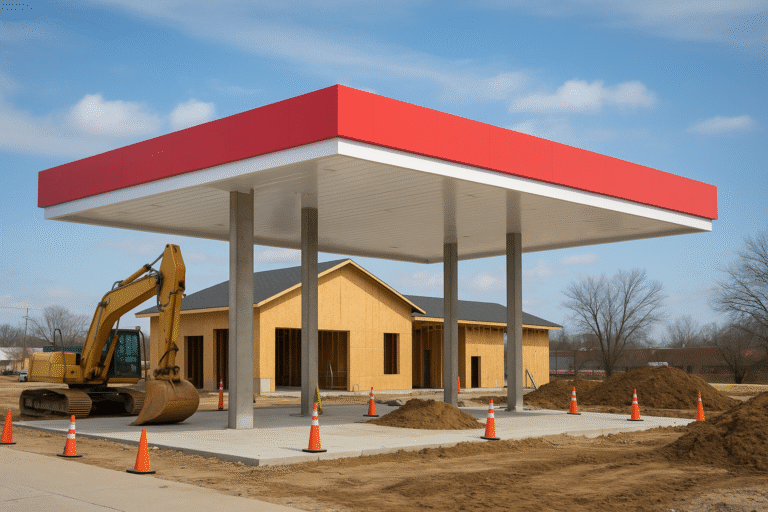
Barndominiums Under Construction and Builder’s Risk Insurance
Barndominiums under construction require a different type of insurance than completed residential dwellings. Standard homeowners insurance policies generally do not provide coverage for structures that are not yet complete or occupied.
During the construction phase, exposure exists not only to the partially completed structure itself, but also to building materials, equipment, and work in progress. Builder’s risk insurance is designed to address these exposures.
A builder’s risk policy typically provides coverage for:
- Building materials on-site or in transit
- Partially completed structures
- Damage caused by fire, wind, vandalism, or theft during construction
Depending on how the project is structured, builder’s risk coverage may be carried by the property owner, the general contractor, or both. Clarity regarding responsibility is essential, as gaps during construction can leave substantial financial exposure.
Once construction is complete and the barndominium is ready for occupancy, builder’s risk coverage must be replaced with a permanent property policy tailored to the completed structure.
Financing and Mortgage Insurance Requirements for Barndominiums
Financing a barndominium often presents challenges beyond those encountered with traditional homes, and insurance approval is a frequent point of friction. Lenders typically require evidence of acceptable insurance coverage before closing on a loan.
Because some insurers decline barndominium risks or impose restrictive terms, delays can occur if suitable coverage is not secured early in the financing process. In some cases, lenders may require confirmation that the policy provides replacement cost coverage, sufficient dwelling limits, and lender-compliant loss payee language.
Insurance-related delays in barndominium financing commonly result from:
- Difficulty locating a carrier willing to insure the structure
- Disagreements over valuation or replacement cost
- Policy forms that do not meet lender requirements
Engaging an insurance professional experienced with barndominium risks early in the process can help align coverage with lender expectations and prevent last-minute obstacles to closing.
Endorsements and Optional Coverage Considerations
Due to the unique nature of many barndominiums, base policy coverage may not fully address all exposures associated with the property. Endorsements and optional coverages are often used to tailor protection more precisely to the structure and its use.
Common endorsements that may be relevant for barndominiums include coverage for:
- Detached or accessory structures
- Tools, equipment, and machinery
- Business personal property or incidental business use
- Extended replacement cost or increased dwelling limits
While endorsements can enhance protection, they do not override fundamental policy exclusions related to wear and tear, earth movement, or long-term deterioration. As with all aspects of barndominium insurance, the effectiveness of endorsements depends on accurate disclosure and alignment demonstrate the property’s actual use.
Common Barndominium Insurance Myths
Barndominiums are often surrounded by misconceptions regarding insurance cost, coverage availability, and risk. Many of these beliefs stem from comparisons to traditional homes or assumptions based on construction materials alone. In practice, these misunderstandings frequently lead to underinsurance, coverage gaps, or unexpected claim outcomes.
Myth 1: Barndominiums Are Automatically Cheaper to Insure
While barndominiums can sometimes be less expensive to build than traditional homes, lower construction costs do not automatically translate into lower insurance premiums. Insurers price risk based on loss potential, not initial build cost. Factors such as rural location, fire protection class, construction type, and replacement cost complexity often offset any perceived savings.
Myth 2: Barndominiums Are Insured the Same Way as Traditional Homes
Standard homeowners insurance policies are designed around predictable residential construction models. Barndominiums frequently fall outside those models due to metal construction, mixed-use design, or custom layouts. As a result, coverage terms, valuation methods, and exclusions may differ significantly from those of a conventional home.
Myth 3: Metal Construction Means Lower Risk and Fewer Claims
Metal exteriors can provide durability advantages in certain scenarios, but they do not eliminate loss exposure. Fire, wind, and interior damage can still result in substantial losses. Insurers also consider the cost and complexity of repairing metal structures when evaluating risk.
Myth 4: Shop and Garage Areas Are Automatically Covered
Large shops and garages are common in barndominiums, but coverage depends on use. Personal-use spaces may be insured differently than areas used for business, fabrication, or storage of equipment. Undisclosed or misclassified use can result in coverage limitations or claim denials.
Myth 5: Farm or Rural Location Does Not Affect Coverage
Rural location influences underwriting due to factors such as fire protection availability, response times, and proximity to emergency services. Agricultural use may also trigger exclusions under homeowners policies, requiring alternative coverage structures.
Myth 6: Market Value Determines Insurance Coverage
Insurance coverage is based on reconstruction cost, not market value. Barndominiums often have reconstruction costs that differ substantially from comparable sales data, making market value an unreliable metric for determining adequate coverage limits.
Myth 7: Coverage Issues Only Matter After a Loss
By the time a loss occurs, coverage outcomes are largely fixed by policy terms and underwriting decisions made earlier. Most insurance problems related to barndominiums originate before construction is complete or before a policy is issued.
Understanding and addressing these misconceptions early helps barndominium owners avoid underinsurance, reduce the likelihood of claim disputes, and ensure that coverage aligns with the structure’s actual risk profile.
Preventing Insurance Problems Before They Start
Most insurance problems involving barndominiums do not originate at the time of loss. Instead, they are created much earlier, during the design, construction, underwriting, or policy selection stages. By the time a claim is filed, coverage outcomes are largely predetermined by how the property was documented, classified, and insured.
Preventing insurance disputes therefore requires a proactive approach that treats insurance as part of the planning process rather than as an administrative afterthought. Early planning, accurate documentation, and informed policy design significantly reduce the likelihood of coverage gaps, claim denials, and underinsurance.
Engaging Insurance Early in the Planning or Purchase Process
One of the most effective ways to avoid insurance problems is to involve an insurance professional early—ideally before construction begins or before a purchase contract is finalized. Barndominiums present underwriting considerations that can affect insurability, valuation, and lender approval, all of which are easier to address before commitments are made.
Early engagement allows potential issues to be identified in advance, such as whether the structure will qualify for homeowners coverage, require a specialty policy, or need additional endorsements for shop, business, or farm exposures.
Accurate Disclosure of Construction and Use
Insurance policies are written based on representations made during underwriting. When those representations do not accurately reflect the structure or its use, coverage disputes are far more likely.
For barndominiums, accurate disclosure should include:
- The type of construction and framing system used
- The percentage of finished living space versus utility or shop space
- The presence of business, agricultural, or income-producing activities
- Details regarding equipment, tools, or specialized uses within the structure
Incomplete or overly simplified descriptions may result in a policy that appears adequate on paper but fails to respond as expected after a loss.
Documenting the Structure for Underwriting and Claims
Because barndominiums are often custom-built, documentation plays a critical role in both underwriting and claims handling. Clear records help insurers understand what is being insured and help establish baselines if damage occurs.
Useful documentation includes:
- Construction plans or building specifications
- Photographs of exterior, interior, and utility spaces
- Detailed breakdowns of living versus non-living areas
- Records of materials, finishes, and major systems
This information supports accurate valuation and reduces ambiguity when claims are evaluated.
Ensuring Proper Valuation and Coverage Limits
Undervaluation is one of the most common and costly insurance problems associated with barndominiums. Because these structures do not conform to standard residential models, reliance on market value or generic cost estimates often results in insufficient dwelling limits.
Proper valuation typically requires a reconstruction cost estimate that accounts for custom features, specialized materials, and local labor conditions. Adequate limits reduce the risk of coinsurance penalties and help ensure that claim payments align with actual rebuilding costs.
Regular Policy Reviews as the Property Evolves
Barndominiums are frequently modified over time. Owners may add equipment, expand shop areas, begin incidental business activities, or change how the structure is used. Insurance coverage should evolve alongside these changes.
Periodic policy reviews help ensure that coverage remains aligned with the property’s current configuration and use. Without review, changes that seem minor to the owner can materially affect coverage eligibility and claims outcomes.
Risk Management as a Complement to Insurance
While insurance is an essential component of protection, it is not a substitute for sound risk management. Fire protection measures, proper electrical design, safe storage of flammable materials, and routine maintenance all reduce loss potential and support insurability.
From an insurance standpoint, well-managed risks are easier to underwrite, less likely to experience losses, and more likely to produce smooth claims outcomes when losses do occur.
Aligning Expectations With Policy Reality
Finally, preventing insurance problems requires realistic expectations. Barndominiums are unique structures, and coverage terms may differ from those associated with traditional homes. Understanding exclusions, limitations, and valuation methods before a loss occurs allows homeowners to make informed decisions rather than reactive ones.
When insurance planning is integrated into the broader decision-making process, barndominium owners are far better positioned to avoid disputes and ensure that coverage performs as intended.
Frequently Asked Questions About Barndominium Insurance
Is barndominium insurance harder to get than regular homeowners insurance?
Yes, many carriers limit or decline barndominium insurance due to construction and location factors.
Does homeowners insurance cover a barndominium?
Sometimes, but many barndominiums require specialty or modified policies.
Is barndominium insurance more expensive?
Often, but pricing depends on construction, use, and fire protection.
Can I insure a barndominium with a shop?
Yes, but business use may require additional coverage.
Is barndominium insurance available in rural Ohio?
Yes, but options may be limited.
Final Thoughts on Barndominium Insurance in Ohio
Barndominium insurance is not one-size-fits-all. Proper coverage depends on construction, use, and accurate classification. Ohio homeowners considering a barndominium should address insurance early to avoid costly surprises.
Need Help With Barndominium Insurance?
Ingram Insurance
733 Salem Ave, Dayton, Ohio
Phone: (937) 741-5100
Website: https://www.insuredbyingram.com
Email: contact@insuredbyingram.com
We help Ohio homeowners properly insure barndominiums, rural homes, and custom properties.
20 Frequently Asked Questions about Barndominium Insurance
General Coverage and Definition
1. What is barndominium insurance and how does it differ from standard homeowners insurance? Barndominium insurance is a specialized property insurance policy designed for the unique hybrid structure of a barndominium (a barn converted or built for residential use). Unlike standard homeowners insurance (HO-3), which is for traditional wood-frame homes, barndominium insurance is typically written as a specialty dwelling, farm, or commercial policy because it must cover both the finished living space and the large, unfinished utility or barn section.
2. Is a “barndominium” the same as a “barn conversion” for insurance purposes? Yes, for insurance purposes, the terms are often used interchangeably, leading to the need for barn conversion insurance. Whether you converted an existing barn or built a new metal structure kit, insurers view it as a non-traditional dwelling. The resulting policy, whether called barndominium insurance or barn conversion insurance, needs to address the steel structure and mixed-use nature.
3. Is it hard to get barndominium insurance? It can be more challenging than insuring a traditional home, but it is not impossible. Many standard insurers are hesitant because of the non-traditional construction and lack of comparable sales data. The key to securing barndominium insurance is working with an independent agent who specializes in non-standard, rural, or farm properties, or finding companies that specifically offer barn conversion insurance riders.
4. What are the main types of coverage included in a barndominium insurance policy? A typical barndominium insurance policy includes: 1) Dwelling Coverage (for the structure), 2) Personal Property Coverage (for contents), 3) Liability Coverage (for accidents on the property), and 4) Loss of Use/Additional Living Expenses (if a covered claim forces you to move out temporarily).
Mixed-Use and Exclusions
5. What if I use my barndominium for both living and business? This mixed-use scenario is the primary complication. You must disclose all uses to your insurer. A residential barndominium insurance policy may not cover business equipment, inventory, or business liability. You will likely need a commercial rider or a separate commercial general liability policy added to your barn conversion insurance to ensure adequate protection.
6. Does barndominium insurance cover farm equipment or livestock? Standard residential barndominium insurance typically does not cover true commercial farming operations, livestock, or specialized, high-value farm equipment. If you are actively farming, you will need a dedicated Farm & Ranch policy, which is a more comprehensive form of barn conversion insurance.
7. What are the common exclusions in a barndominium insurance policy? Like standard policies, barndominium insurance generally excludes maintenance-related issues, wear and tear, rust, mold, rot, and vermin. Crucially, standard policies also exclude earth movement (landslides, earthquakes) and flood damage, requiring separate policies or endorsements.
8. If my barndominium has a concrete slab foundation, is foundation damage covered by my barndominium insurance? Foundation issues are covered only if caused by a sudden and accidental peril specifically listed in the policy, such as fire or an ensuing leak from a burst pipe. Issues caused by soil settling, earth movement, or groundwater/flooding are typically excluded from your standard barndominium insurance policy, similar to a traditional home policy.
Cost and Valuation
9. Is barndominium insurance more expensive than traditional home insurance? The premium can be a mixed bag. On one hand, the durable, steel construction of a barndominium can lead to lower premiums because metal is resistant to fire and wind. On the other hand, the complexity of valuation, the often rural location (further from fire services), and the need for specialty barn conversion insurance endorsements can increase the cost.
10. What factors primarily determine the cost of barndominium insurance? Key factors include: the barndominium’s location (especially the proximity to the nearest fire department), the total square footage of both the finished and unfinished areas, the construction materials used (steel vs. stick-built), and the intended use (residential vs. mixed-use/commercial).
11. Should I insure my barndominium for Actual Cash Value (ACV) or Replacement Cost Value (RCV)? Always aim for Replacement Cost Value (RCV) on your barndominium insurance. RCV pays the full cost to rebuild the structure with materials of like kind and quality, without subtracting for depreciation. ACV may leave you significantly underinsured due to depreciation on the structure’s metal components.
The Construction Phase
12. Do I need insurance while I am building my barndominium? Absolutely. You need a Builder’s Risk Insurance policy during the construction phase. This temporary coverage protects your materials, tools, and the partially completed structure from perils like fire, theft, vandalism, and severe weather until construction is complete.
13. Does Builder’s Risk transition into my permanent barndominium insurance? Yes. The Builder’s Risk policy ends once the construction is finished and the Certificate of Occupancy is issued. You must secure your permanent barndominium insurance policy before this transition to avoid a lapse in coverage.
Specific Structural Concerns
14. Are the large garage doors and utility area covered by barndominium insurance? Yes, the entire structure, including the large bay doors, garage, and utility shop area, should be covered under the Dwelling section of your barndominium insurance policy. You must ensure the policy limit is high enough to replace the entire structure, including the cost of these specialized doors.
15. Does my barndominium insurance cover my detached barn or shed? Coverage for structures that are entirely separate from the main residence (like a detached shed, separate barn, or carport) falls under the “Other Structures” coverage section. This coverage is usually limited, so if you have a high-value detached building, you may need to increase the limits on your barn conversion insurance policy.
16. Are solar panels on my barndominium covered? If the solar panels are permanently attached to the roof, they should be covered under the Dwelling section of your barndominium insurance. However, given their high cost, it’s essential to confirm with your agent that your policy limits are sufficient to cover the panels, or ask about a specific solar panel endorsement.
How to Apply
17. What information do I need to provide to an agent to get a quote for barndominium insurance? To get an accurate quote for your barn conversion insurance, you should provide: the construction type (new kit or existing conversion), square footage (finished vs. unfinished), the distance to the nearest fire department/fire hydrant, the type of foundation, and a detailed description of how you use the property (e.g., residential only, or residential + workshop).
18. Why do I need a specialized agent to find barndominium insurance? A specialized agent knows which regional or national carriers offer barn conversion insurance or non-standard dwelling policies. They can correctly classify the property (Farm vs. Dwelling) and ensure the policy includes necessary endorsements for mixed-use or high-value equipment that a basic online quote system would miss.
19. How does location affect my barndominium insurance policy? Because barndominiums are often in rural areas, the distance to the nearest fire station and the lack of a fire hydrant significantly impact the fire rating and, therefore, the premium of your barndominium insurance. Remote areas may have higher premiums due to the increased risk of a total loss.
20. If I purchased a barndominium kit, will that make the barn conversion insurance process easier? Yes, often. New construction from a reputable kit provides clear building documentation and materials specifications, which makes the valuation and underwriting process much smoother for the insurance company issuing your barndominium insurance. This transparency can help secure better rates and coverage terms.
Related Reading from Ingram Insurance
Additional Ohio insurance resources and local guides that may be helpful.
Show more related articles
Homeowners Insurance (Ohio & Dayton)
- Dayton Homeowners Insurance
- Washington Township Homeowners Insurance
- Understanding Home Insurance Coverage in Ohio
- Roof Age and Insurance Coverage in Ohio
- Winterizing Your Home in Ohio
- Hidden Cost Drivers in Homeowners Insurance
- Water Damage vs Flooding
- Tornado Season in Ohio
Auto Insurance & Claims
- Montgomery County Auto Insurance Guide
- Why Ohio Auto Rates Are Rising
- Teen Drivers in Ohio
- Most Dangerous Roads in Dayton
- Auto Insurance in Belmont (Dayton)
Landlords & Rental Properties
- Rental Property Insurance for Dayton Landlords
- Understanding Loss of Rents Coverage
- Vacant Homes in Dayton
- The 15-Year Roof Rule (Ohio)
- Wolf Creek Landlord Insurance
Contractors & Business Insurance
- Ohio Contractor Insurance Guide
- Ohio HVAC Insurance
- Insurance for Plumbers
- Tree Service & Arborist Insurance
- Church Insurance in Ohio
Local Dayton & Community
- Best Coffee Shops in Dayton
- The Heart of Oakwood
- Life in Kettering Parks
- Cox Arboretum & Homeownership Lessons
Renters insurance is one of the most affordable ways Ohio tenants can protect themselves financially, yet it’s often misunderstood. From personal property protection to liability coverage and landlord requirements, the details matter. If you want a clear explanation written specifically for Ohio renters, see our full breakdown of renters insurance in Ohio, including what it covers, what it costs, and how to get started.