Belmont, Dayton Ohio: 5 Important Insurance Considerations in a Mixed-Use Neighborhood
Belmont, Dayton Ohio: occupies a distinctive position within the fabric of Dayton, Ohio. It is neither a purely residential suburb nor a clearly separated commercial corridor. Instead, Belmont functions as a tightly interwoven mixed-use neighborhood where single-family homes, duplexes, and small apartment buildings sit in close proximity to corner stores, carry-outs, photography studios, bars, restaurants, fast-food outlets, and modest strip malls. This physical arrangement creates a pattern of risk that differs from both exurban subdivisions and downtown business districts. The purpose of this article is to examine the insurance implications of Belmont’s built environment for homeowners, landlords, and small business owners, and to outline practical strategies for securing appropriate coverage in a community where residential and commercial life overlap on almost every block.
Belmont Dayton Ohio: as a Mixed-Use Case Study in Dayton, Ohio
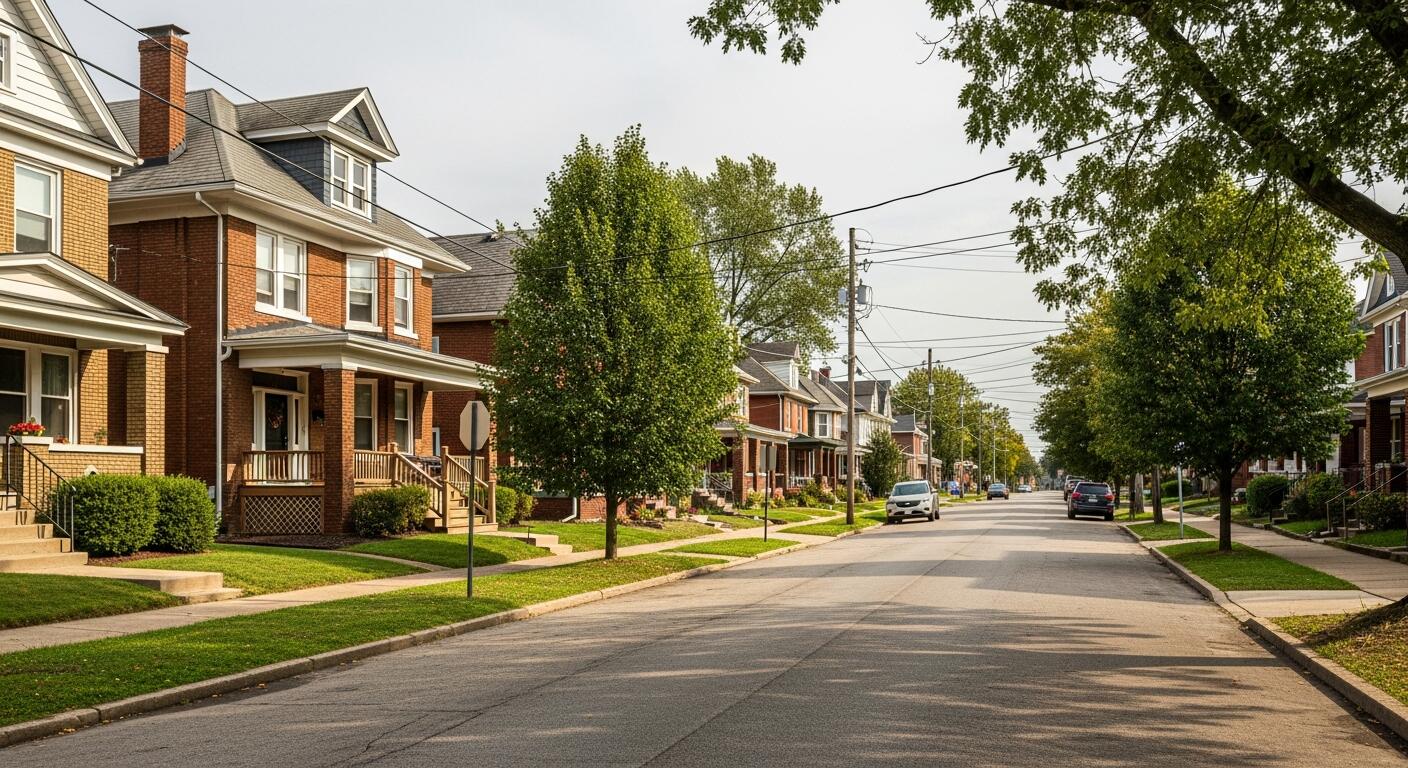
Belmont can be understood as a case study in older Midwestern neighborhood design, where commercial and residential uses were historically integrated rather than separated by modern zoning concepts. A short walk within Belmont often reveals residential streets punctuated by small commercial nodes: a convenience store embedded in a block of houses, a bar on a corner, a photography storefront occupying a structure that was once a home, or a small strip center situated behind or beside single-family dwellings.
From an insurance perspective, this configuration matters because risk is not isolated by use type. Instead, the exposures associated with commercial operations—such as cooking, liquor sales, extended operating hours, higher foot traffic, and increased vehicle trips—inject additional complexity into what might otherwise be treated as standard residential risks. The same physical proximity that strengthens the neighborhood’s sense of community also intensifies the interdependence of risks borne by homeowners, landlords, and business owners.
Residential Property in a Commercially Active Environment
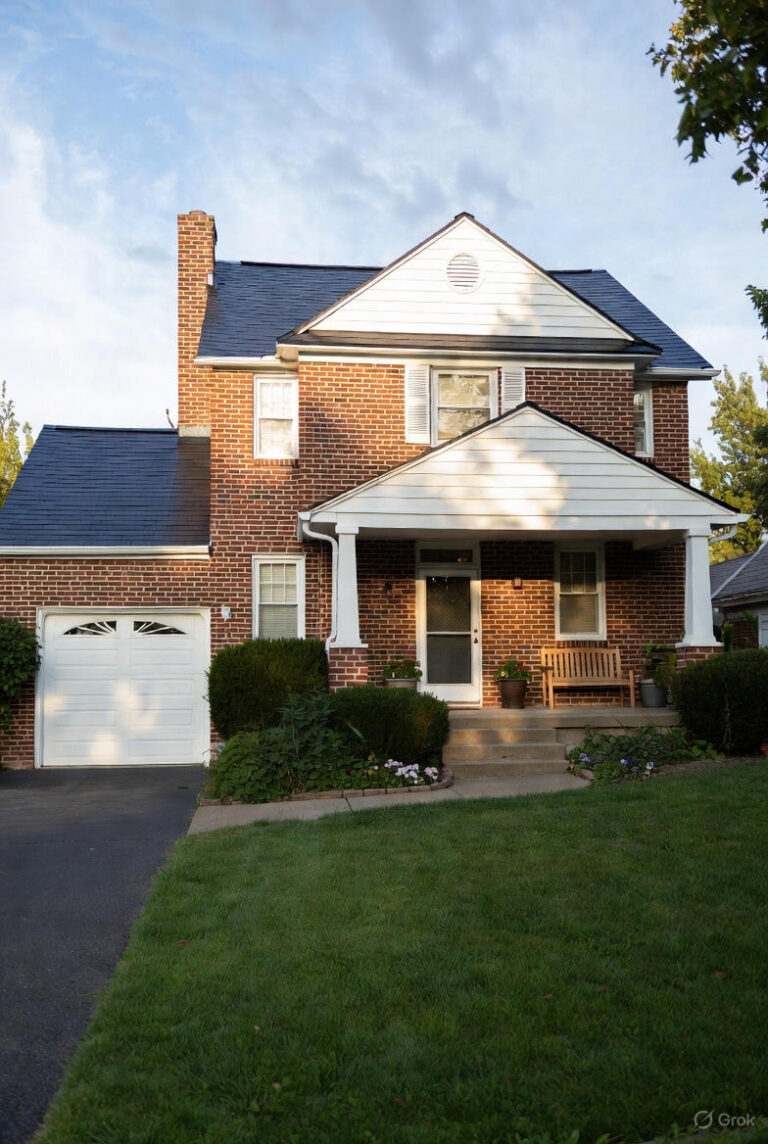
Homeowners in Belmont may initially assume that their properties can be insured under the same assumptions used in quieter, single-use subdivisions. However, insurers typically evaluate not only the dwelling itself but also its immediate surroundings. The presence of nearby restaurants, bars, corner markets, or retail storefronts can alter how a carrier views the likelihood and severity of certain loss scenarios.
First, commercial activity tends to increase both pedestrian and vehicular traffic. A home situated on or adjacent to a commercial corridor is more exposed to auto-related property damage, such as vehicles striking fences, garages, or parked cars. It may also see elevated liability exposures related to individuals cutting across lawns or driveways to access nearby businesses. While these exposures may not always translate into explicit surcharges, they frequently influence underwriting attitudes and the selection of carriers willing to write the risk.
Second, certain classes of small business—most notably restaurants and bars—introduce elevated fire risk. Cooking equipment, fryers, older wiring, and late operating hours can increase the chance of a significant fire originating from a neighboring building. When a single structure is closely attached to or immediately adjacent to a home or rental dwelling, a fire in one building can quickly become a multi-structure event. Homeowners may find that insurers request additional information or impose conditions when the dwelling shares a wall or narrow setback with such occupancies.
Third, shared access points, alleys, and parking areas create diffuse responsibility for maintenance and safety. Snow removal, ice mitigation, and surface repairs in shared spaces can influence slip-and-fall risk, even for homeowners who do not operate a business themselves. The existence of these shared environments is a relevant consideration when evaluating both premises liability and the potential need for supplemental protection, such as a personal umbrella policy.
For homeowners seeking to understand how these factors intersect with their policy, it is important to look beyond the basic declarations page. Coverage limits, deductibles, endorsements, and exclusions all matter. For a broader discussion of foundational protections available to Ohio homeowners, see our article on what home insurance actually covers in Ohio .
1. Belmont Landlords and the Reality of Commercial Adjacency
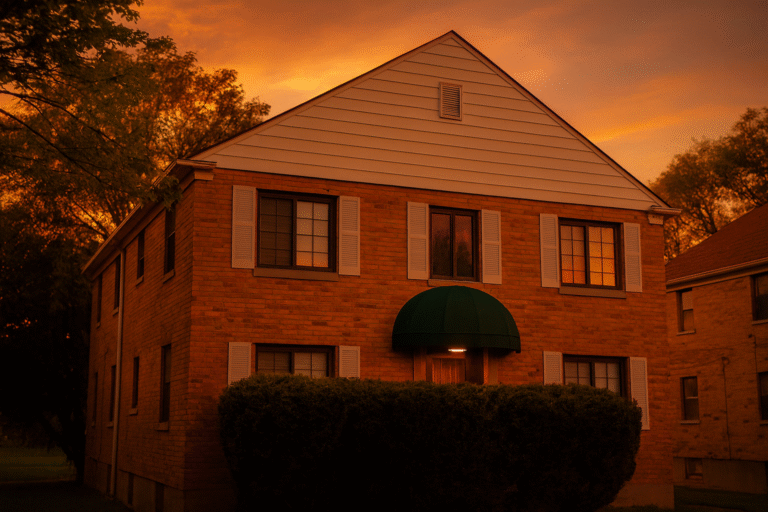
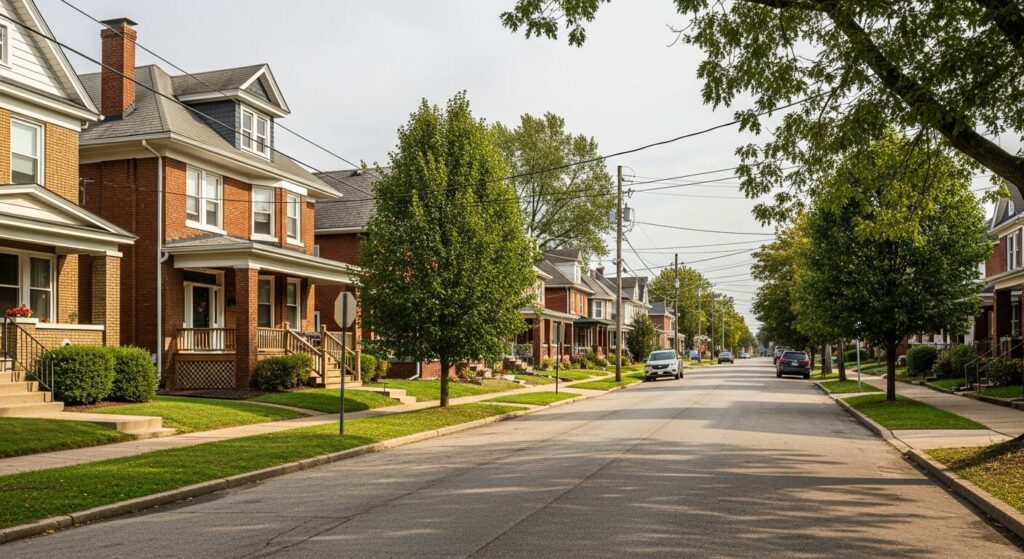
Belmont’s housing stock includes a substantial number of rental properties. Many landlords in the neighborhood own duplexes, small multifamily buildings, or single-family homes leased to long-term tenants. The insurance challenges they face are amplified by the fact that many of these rentals are located immediately next to or across from commercial occupancies.
Carriers frequently distinguish between a detached rental home in a purely residential subdivision and a similar structure positioned next to a bar, carry-out, laundromat, or takeout restaurant. The latter situation is often described in underwriting guidelines as “commercial adjacency.” When commercial adjacency is present, some standard personal lines carriers may decline coverage or impose stricter requirements regarding roof condition, electrical systems, and building updates.
In addition, mixed-use corridors may experience higher tenant turnover, more transient occupancy patterns, or greater exposure to vandalism and theft. These factors can influence both the rating and eligibility criteria for certain programs. Landlords in Belmont therefore benefit from policy forms that are more robust than basic fire-only or “named peril” contracts. As explored in detail in our discussion of the 15-year roof rule for Ohio landlords , carriers are increasingly sensitive to property condition and roof age, particularly in older neighborhoods with more complex risk environments.
Moreover, the financial viability of a rental portfolio depends not only on physical damage coverage but also on protection for lost income when a covered claim displaces tenants. In a neighborhood like Belmont, where a single fire or major water loss can temporarily remove a unit from service, loss of rents coverage is an essential component of a landlord’s risk management strategy.
2. Small Business Operations Within Converted and Older Structures
On the commercial side, Belmont is dominated by very small businesses operating from compact premises. Many of these spaces are embedded within buildings originally constructed for residential use or designed for simpler commercial activities decades ago. It is not uncommon to find a restaurant, bar, or service business occupying a structure with aging wiring, legacy plumbing, or piecemeal renovations.
From the standpoint of insurance, small square footage does not equate to small exposure. Even a modest carry-out, photography studio, or neighborhood bar requires a coordinated package of coverages, including general liability, commercial property insurance, and business income protection in the event a covered loss temporarily halts operations. Businesses serving food or alcohol may also require specialized protections such as liquor liability or equipment breakdown coverage.
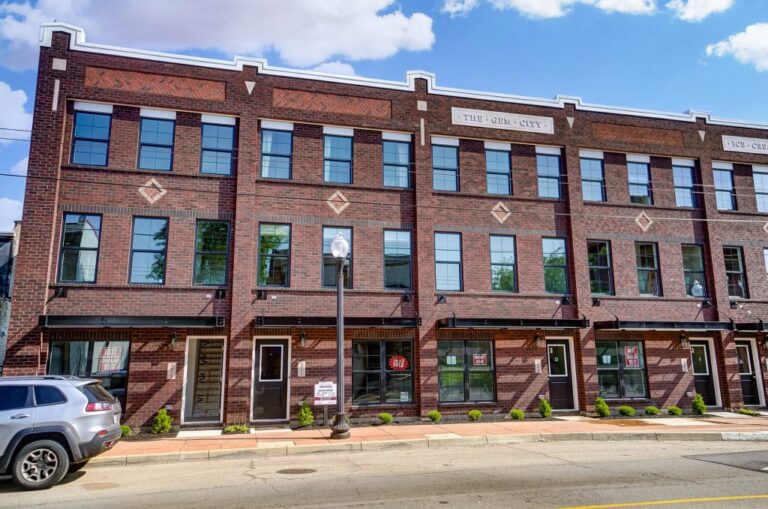
Belmont’s strip malls, while often smaller than those in the outer suburbs, add another layer of complexity. A strip center owner is effectively responsible for the structural integrity and safety of multiple business occupancies under one roof. This creates aggregate exposure to fire, vandalism, slip-and-fall incidents in parking areas, and business interruption affecting several tenants simultaneously. Policies for such properties typically need to address not only building coverage but also premises liability, potential code upgrades after a loss, and the landlord’s own loss of rental income.
3. Older Building Stock and Code-Driven Loss Costs
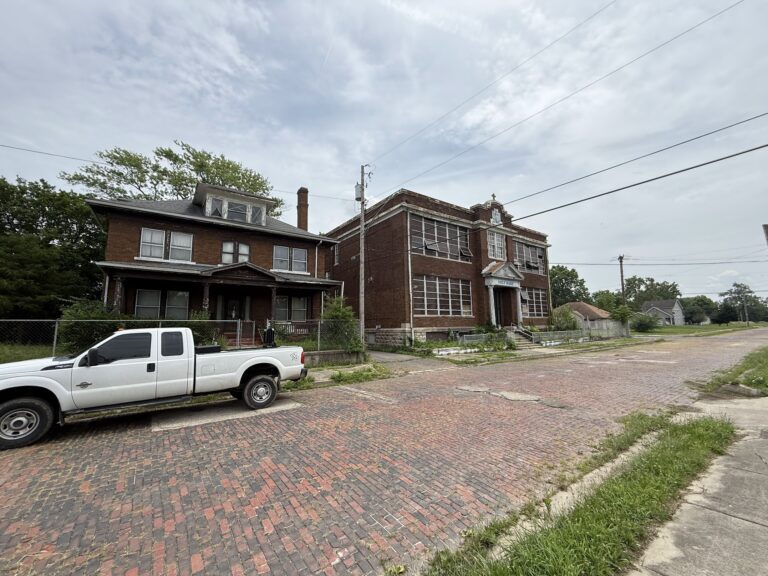
A defining characteristic of Belmont is its older building stock. Many structures predate modern electrical and fire-safety standards. For both residential and commercial properties, insurers are acutely interested in the condition and configuration of key systems: electrical panels, wiring types, heating methods, roofing, and plumbing. The presence of obsolete components—such as knob-and-tube wiring, certain fuse boxes, or deteriorated roofing materials—can trigger underwriting concerns or coverage limitations.
When a loss occurs in an older building, the cost to repair or rebuild may significantly exceed the simple replacement of damaged materials. Local building codes may require upgrades to wiring, structural components, or fire suppression systems as a condition of reconstruction. These mandated improvements can represent a substantial cost that is not automatically covered under a standard policy without the appropriate endorsements. For property owners in Belmont, ordinance or law coverage is therefore not a theoretical add-on, but a practical necessity.
In addition, the physical layout of many Belmont properties—narrow setbacks, shared walls, and interconnected roofing structures—allows losses to propagate more easily from one occupancy to another. A fire originating in a commercial kitchen or in a poorly maintained residential unit can rapidly affect adjacent premises. In these scenarios, multiple insurance carriers may become involved, and the claims process often becomes more complex and protracted.
4. Claims Dynamics in a Mixed-Use Neighborhood
Claims arising in mixed-use neighborhoods such as Belmont often involve multiple parties and overlapping responsibilities. A single incident may implicate a business owner, a landlord, a neighboring homeowner, and potentially a municipality or utility provider. For example, a restaurant fire that spreads to an adjoining residence will require coordination between the restaurant’s commercial carrier, the homeowner’s insurer, and possibly the strip center owner’s lessor’s risk policy if the property is part of a larger complex.
Beyond fire, water and sewer issues are common in older urban infrastructure. Shared or aging lines may increase the likelihood of sewer backup events impacting basements or lower levels of both homes and businesses. Property owners should pay particular attention to whether their policies include water and sewer backup coverage, as these losses can be both frequent and expensive, and they are often excluded or limited without specific endorsements.
Belmont’s higher pedestrian and vehicle activity also shapes the pattern of liability claims. Slip-and-fall incidents, parking lot accidents, and incidents involving patrons leaving bars or restaurants can lead to disputes over responsibility. In these situations, the presence of adequate liability limits—supplemented, where appropriate, by umbrella liability coverage—can be the difference between a manageable claim and a financially destabilizing event.
5. Strategic Coverage Considerations for Belmont Stakeholders
For homeowners in Belmont, an appropriate strategy generally begins with securing a robust homeowners policy that provides replacement cost coverage on the dwelling, sufficient limits for personal property, and meaningful liability protection. Given the neighborhood’s characteristics, endorsements for water and sewer backup and careful attention to roof condition are of particular importance. In many cases, layering in a personal umbrella policy is a rational response to the elevated liability environment created by higher traffic and denser development.
Landlords in Belmont benefit from policy forms designed specifically for rental properties rather than attempting to adapt an owner-occupied contract to a rental context. Comprehensive forms such as DP3 policies often provide more suitable protection for real-world risks, particularly when combined with loss-of-rents coverage and requirements that tenants carry liability insurance. Selecting a carrier comfortable with urban and mixed-use exposures is crucial so that claims handling aligns with the realities of the neighborhood.
For small business owners, the key is to recognize that even a small footprint can carry significant exposure. A properly structured businessowners policy (BOP) or commercial package policy should address building and contents (if owned), liability arising from operations and premises, and business income in the event of a shutdown. Businesses engaged in food service, alcohol sales, or high customer traffic may need additional specialized coverage. Owners of strip centers or mixed-use buildings must further consider lessor’s risk policies, code upgrade endorsements, and appropriate treatment of common areas.
Conclusion: Belmont’s Intertwined Risks Require Deliberate Insurance Planning
Belmont’s appeal lies in its blend of residential stability and small-scale commercial vibrancy. That same blend, however, makes the neighborhood’s insurance landscape more intricate than that of a homogenous subdivision or a strictly commercial district. Proximity among homes, rentals, restaurants, bars, corner stores, and strip centers means that one party’s loss can quickly become another’s problem. For homeowners, landlords, and business owners alike, the central lesson is that standard assumptions do not always apply in a mixed-use environment.
Thoughtful coverage design, attention to building condition, awareness of code-driven costs, and careful selection of carriers all contribute to a more resilient position in Belmont. When insurance is tailored to the actual risk environment rather than to an idealized suburban model, property owners are better prepared for the realities of claims, inspections, and long-term asset protection.
Work With a Local Agency That Understands Belmont
Ingram Insurance is based in Dayton and works every day with clients who own homes, rentals, and small businesses in neighborhoods just like Belmont. Our familiarity with the local housing stock, commercial corridors, and municipal requirements allows us to match clients with carriers and coverage structures that reflect the realities of mixed-use communities rather than abstract averages.
If you own a home, rental property, or business in Belmont or elsewhere in the Dayton area and would like a detailed review of your coverage, we invite you to reach out. You can learn more about our agency at our About page , or contact us directly using the information below.
Ingram Insurance
733 Salem Ave, Dayton, OH 45406
Phone: (937) 741-5100
Email: contact@insuredbyingram.com
Website: www.insuredbyingram.com