Car Insurance Discounts for Drivers in Eastern Hills, Dayton
For residents of Eastern Hills in Dayton, Ohio, understanding car insurance transcends mere regulatory compliance; it entails a comprehensive grasp of how the neighborhood’s distinctive attributes influence risk profiles and insurance premiums. Eastern Hills, characterized by its mid-century residential architecture, serene streetscapes, and strategic access to commuter corridors, presents a unique amalgam of challenges and advantages for motorists seeking tailored auto insurance solutions. This article elucidates the operational framework of auto insurance in Ohio, situates it within the context of Eastern Hills’ local environment, and delineates strategies for drivers to optimize discounts while circumventing costly coverage errors. Whether you are a long-standing homeowner utilizing a detached garage or a daily commuter navigating US-35, this guide offers the analytical depth and clarity essential for making informed insurance decisions specific to your neighborhood.
Meet Eastern Hills, Dayton Ohio
Eastern Hills is a distinguished Dayton neighborhood notable for its early-to-mid-20th century single-family residences, encompassing modest bungalows and brick ranch-style homes. Most structures, erected between the 1950s and 1970s, are situated along tranquil, tree-lined avenues where mature foliage contributes to a peaceful residential ambiance. This mature landscaping, combined with gently rolling terrain, introduces moderate variations in drainage patterns, which subtly affect automotive risk factors such as water damage vs flooding and road surface conditions.
The housing stock reflects construction norms of its era, featuring brick and frame combinations with detached garages accessible via alleys on select blocks, thereby offering residents convenient off-street parking alternatives. The neighborhood appeals to long-term inhabitants and families who value its proximity to major thoroughfares like Airway Road and US-35, enhancing its appeal as a commuter-friendly enclave. This stable and quiet lifestyle influences driving behaviors and insurance considerations, as the consistency in daily routines often correlates with lower neighborhood accident rates.
Understanding these neighborhood characteristics is pivotal in assessing how local environmental and infrastructural elements impact the risks covered by auto insurance policies. For a comprehensive exploration of Eastern Hills’ broader context, our full Eastern Hills insurance guide provides detailed insights into the area’s property features and lifestyle nuances.
How the Built Environment in Eastern Hills Shapes Insurance Risk
Auto insurance risk assessment extends beyond individual driver behavior to encompass the influence of the surrounding built environment. In Eastern Hills, the mid-century residential layout and housing characteristics materially affect prevalent causes of automotive claims and the scope of available discounts.
The prevalence of detached garages and alleys enables many residents to park vehicles off the street, thereby mitigating exposure to common risks such as door dings, vandalism, and theft—factors that insurers incorporate when determining premium rates. Nevertheless, the neighborhood’s aging infrastructure, including older sewer systems and drainage networks, can exacerbate localized flooding during periods of intense rainfall. This risk elevates the importance of comprehensive coverage, which safeguards against non-collision damages including flooding and falling tree limbs.
When street parking is necessary, vehicles are often situated on the neighborhood’s characteristic rolling terrain. This topography can present challenges during winter months, with ice accumulation and snow persisting in shaded areas beneath mature trees. Such conditions elevate the likelihood of minor collisions or slips, thereby affecting claim frequency and severity metrics.
Additionally, Eastern Hills’ proximity to major commuter routes results in a complex risk dynamic: while the neighborhood’s internal streets maintain low traffic volumes and reduced accident risk, residents frequently travel on busier highways where collision probability increases. This dual exposure necessitates a nuanced understanding of coverage limits and discount eligibility, balancing neighborhood safety with commuting hazards. For drivers interested in maximizing savings, exploring why everyone in the Miami Valley should work with an independent insurance agent can provide valuable insights.
Key Insurance Risks for Auto Insurance in Eastern Hills
Examining the specific risks encountered by Eastern Hills drivers reveals insurers’ criteria for evaluating and pricing coverage:
The elevated risk of accidents during peak traffic hours stems from many residents’ commutes along Airway Road and US-35, where higher speeds and traffic density contribute to increased collision frequency and severity relative to the calm local streets. The availability of detached garages reduces theft and vandalism exposure; however, street parking remains prevalent on blocks lacking alley access, increasing vulnerability to door dings, hit-and-run incidents, and vehicle theft. Given Dayton’s variable climate, including snow, ice, and occasional hail, comprehensive policies are essential for covering weather-related damages. The mature tree canopy lining Eastern Hills’ streets further raises the potential for claims involving falling limbs during storms.
Moreover, the neighborhood’s aging sewer and drainage infrastructure poses risks of water intrusion and flooding, particularly in alleys and detached garages, underscoring the importance of comprehensive coverage to mitigate potential losses. Liability exposure also merits attention, as Ohio’s minimum liability requirements often insufficiently protect drivers from the financial ramifications of lawsuits stemming from accidents, particularly in mixed urban-suburban settings like Eastern Hills where interactions with pedestrians and cyclists are common.
Insurance providers integrate these factors into premium calculations and discount eligibility assessments. For instance, a motorist who consistently utilizes a detached garage for parking and maintains a clean driving record is more likely to qualify for multiple discounts, thereby reducing overall insurance costs.
How Auto Insurance Works in Ohio (And What’s Different in Eastern Hills)
Ohio mandates that drivers carry minimum auto insurance limits; however, these statutory minimums frequently fall short of covering the full costs associated with serious accidents. The state requires liability coverage with minimum limits of 25/50/25, specifically:
- $25,000 for bodily injury per individual
- $50,000 total for bodily injury per accident
- $25,000 for property damage per accident
While these minimums fulfill legal obligations, they often do not suffice in covering extensive medical expenses or property damage. For example, if an accident results in combined medical and property damage costs exceeding $100,000, a driver carrying only minimum coverage would be personally liable for the remaining balance, exposing them to significant financial risk.
Eastern Hills drivers, many of whom own homes and other valuable assets, should carefully evaluate the merits of purchasing higher liability limits to safeguard their financial stability. Liability coverage is designed to compensate others for injuries or damages caused by the insured driver, but it does not cover the insured’s own injuries or vehicle damage.
Beyond liability, comprehensive auto insurance encompasses several essential components:
- Comprehensive Coverage: Protects against non-collision-related damage such as theft, vandalism, adverse weather events, and animal collisions.
- Collision Coverage: Covers damage to the insured vehicle resulting from collisions with other vehicles or objects.
- Uninsured/Underinsured Motorist Coverage: Provides protection if the insured is involved in an accident with a driver lacking sufficient insurance.
- Medical Payments Coverage: Covers medical expenses for the insured and passengers regardless of fault.
Given Eastern Hills’ risk profile, these coverages warrant careful consideration. Comprehensive coverage, for instance, is particularly pertinent due to the neighborhood’s mature tree canopy and susceptibility to weather-related damages. Collision coverage remains vital for residents who contend with the neighborhood’s rolling terrain and frequent commuting on busier routes.
Ohio also permits endorsements and policy add-ons tailored to specific risks, such as roadside assistance and rental reimbursement, which may be advantageous for families with extended commutes or multiple vehicles.
For a holistic understanding of insurance considerations in Eastern Hills, readers may consult additional resources detailing insurance in Eastern Hills, which contextualize auto coverage within broader protection strategies.
Coverage Decisions Eastern Hills Residents Can’t Afford to Get Wrong
Choosing Adequate Liability Limits
Many motorists err by selecting only the state-mandated minimum liability coverage to reduce premium expenses. While seemingly economical initially, this approach can lead to substantial financial liabilities in the event of a serious accident. Eastern Hills residents, often possessing considerable assets such as homes and savings, face the risk of lawsuits exceeding minimum coverage thresholds. Elevating liability limits to $100,000 per person and $300,000 per accident (commonly expressed as 100/300) represents a judicious balance between cost and protection, offering meaningful security against potential claims.
Deciding on Comprehensive and Collision Coverage
It is common for drivers to discontinue comprehensive and collision coverage as vehicles age or premium costs rise, under the assumption that potential risks no longer justify the expense. However, the specific risks inherent to Eastern Hills—such as falling branches, hailstorms, and water damage within detached garages—underscore the ongoing value of these coverages. For instance, a driver who parks beneath mature trees is susceptible to expensive repairs following storms; comprehensive coverage mitigates this financial exposure.
Similarly, collision coverage remains indispensable for motorists navigating the neighborhood’s undulating topography and busy commuter routes. Maintaining such coverage on vehicles that retain repair value is often prudent, balancing risk management with cost considerations.
Considering Uninsured/Underinsured Motorist Coverage
Although Ohio’s uninsured motorist rate is not among the highest nationally, Eastern Hills drivers who frequently commute via US-35 or Airway Road remain vulnerable to accidents involving drivers with inadequate or absent insurance. Uninsured/underinsured motorist coverage ensures that insured individuals receive compensation for medical expenses and vehicle repairs in such scenarios, preventing significant out-of-pocket costs.
Medical Payments Coverage and Its Role
Medical payments coverage serves as a valuable supplement to health insurance by facilitating prompt payment for minor injuries sustained in vehicular accidents. For families residing in Eastern Hills, often transporting children and multiple passengers, this coverage provides added security and can alleviate immediate financial burdens following a collision.
Real-World Scenarios From Eastern Hills Streets and Homes
Case 1: The Fallen Branch Incident
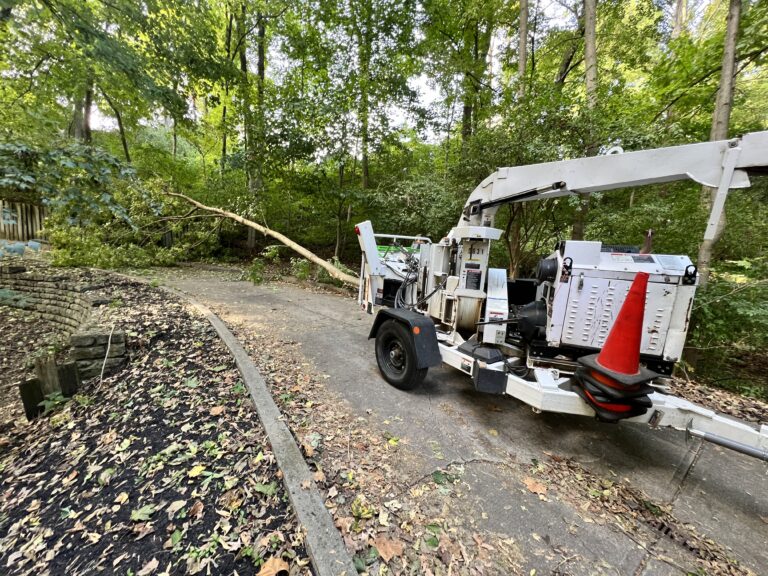
Mrs. Thompson, who parks her 2016 sedan in a detached garage accessed via an alley behind her brick ranch, experienced a summer thunderstorm during which a large oak limb fell, causing significant damage to her vehicle’s roof. Thanks to her comprehensive coverage, she was fully reimbursed for repair costs after payment of the deductible. Absent this coverage, Mrs. Thompson would have faced repair expenses potentially exceeding $6,000, demonstrating the tangible benefits of comprehensive insurance in Eastern Hills.
Case 2: Commuter Collision on US-35
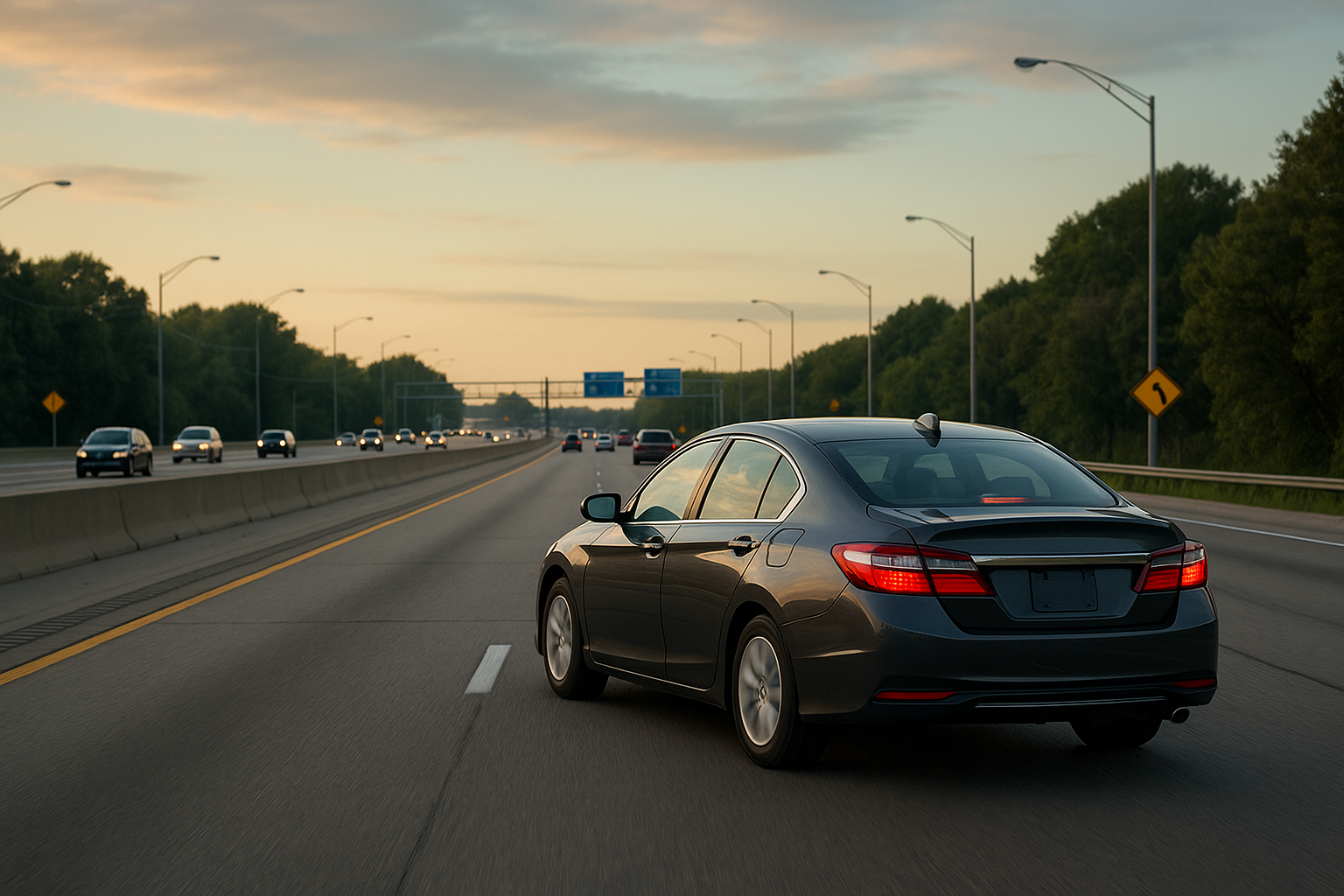
Mr. Lee, a long-term resident of Eastern Hills, commutes daily on US-35. One icy morning, he lost control on a patch of black ice, resulting in a collision with another vehicle. Both vehicles sustained moderate damage, and Mr. Lee incurred minor injuries. His collision coverage facilitated vehicle repairs, while his medical payments coverage covered initial healthcare costs. However, his liability limits were set at the state minimum, exposing him to a potential lawsuit from the other driver whose medical bills and property damage exceeded $80,000. This incident underscores the critical importance of adequate liability limits for Eastern Hills drivers.
Case 3: Uninsured Motorist Hit in the Neighborhood
Ms. Garcia parks on her street due to her detached garage being repurposed for storage. One evening, her car’s rear bumper was damaged in a hit-and-run incident involving an uninsured driver. Fortunately, her uninsured motorist coverage covered both repair and some medical expenses. Without this coverage, Ms. Garcia would have borne these costs personally, highlighting the value of uninsured motorist protection in neighborhoods where street parking remains common.
Cost, Discounts, and Smart Ways to Control Premiums
Balancing comprehensive coverage with affordable premiums is a central concern for discerning drivers in Eastern Hills. Insurers provide various discounts that can substantially reduce costs for responsible motorists. For example, parking a vehicle in a detached garage rather than on the street diminishes risks of theft and damage, often qualifying for a garage parking discount. Maintaining a clean driving record over multiple years typically triggers safe driver discounts, reflecting reduced risk profiles. Additionally, bundling auto insurance with homeowners or renters policies through the same insurer can yield multi-policy savings. Drivers who log fewer miles annually—such as those working remotely or commuting infrequently—may qualify for low mileage discounts. Furthermore, paying the entire annual premium upfront, rather than in installments, can reduce overall costs through pay-in-full discounts.
Drivers should also evaluate deductible levels strategically. Higher deductibles generally lower premiums but increase out-of-pocket expenses in the event of a claim. Eastern Hills residents who primarily park in garages and face lower collision risk might consider higher collision deductibles to optimize cost savings. Conversely, those frequently utilizing street parking may prefer lower deductibles to mitigate potential financial shocks.
It is critical to avoid “false economies” such as prematurely dropping collision or comprehensive coverage or relying solely on minimum liability limits. Such decisions can precipitate significant financial hardship, particularly given Eastern Hills’ risk environment and property values. For further insurance cost-saving strategies, see our common home insurance mistakes article which also applies to auto insurance cost awareness.
Nearby Neighborhoods and How They Compare
Placing Eastern Hills in the context of adjacent Dayton neighborhoods enhances understanding of localized insurance considerations. Nearby communities include:
While these neighborhoods share characteristics common to the greater Dayton area, Eastern Hills’ particular combination of housing stock, parking infrastructure, and commuter accessibility creates a distinctive risk profile. Motorists moving between these areas should reassess their coverage needs accordingly to align with differing local risk factors.
When and How to Review Your Policy if You Live or Own Property in Eastern Hills
Auto insurance requirements evolve alongside personal circumstances and neighborhood changes. Eastern Hills residents are advised to review their policies at least annually, or following specific triggers such as changes in commute length or routes, acquisition of a new vehicle or modifications in vehicle usage, alterations in parking arrangements (e.g., transitioning from street to garage parking), significant weather events affecting risk perceptions, or changes in household drivers, such as teenagers reaching driving age or members ceasing to drive.
During policy reviews, it is essential to verify that coverage limits remain appropriate relative to current assets and risk exposures, confirm eligibility for new discounts or identify any lost benefits, assess the affordability of deductibles in the event of claims, and scrutinize policy exclusions or amendments to prevent coverage gaps.
Maintaining alignment between insurance coverage and actual risk exposure ensures neither overpayment nor underinsurance. For a methodical approach, consult Eastern Hills homeowners insurance overview, which includes practical checklists applicable to auto policies. Additionally, understanding the insurance policy review process can help you maintain optimal coverage.
Working With a Local Independent Agent Who Knows Eastern Hills
Securing appropriate auto insurance in Eastern Hills necessitates an intricate understanding of how the neighborhood’s unique features translate into risk. A locally based independent agent offers tailored guidance, access to a broad array of insurers, and personalized service that surpasses the capabilities of national call centers. Ingram Insurance, located at 733 Salem Ave in Dayton, possesses deep familiarity with Eastern Hills and adjacent communities, enabling their team to assist drivers in navigating coverage options, identifying applicable discounts, and avoiding prevalent pitfalls.
Partnering with a local independent agent like Ingram Insurance provides a trusted advisor who comprehends not only Ohio’s insurance regulations but also the nuanced ways Eastern Hills’ environment influences individual insurance needs. Such a relationship is invaluable for making confident, well-informed decisions that safeguard your vehicle and financial wellbeing.
If you are prepared for a comprehensive policy review or wish to obtain a new quote, please contact Ingram Insurance at (937) 741-5100, email contact@insuredbyingram.com, or visit our website.
Conclusion
Eastern Hills embodies a unique constellation of factors shaping auto insurance risk, from aging infrastructure and mature tree cover to quiet residential streets juxtaposed with commuter traffic. Thoughtful drivers within this Dayton enclave benefit from a nuanced understanding of how these local conditions affect coverage requirements and premium calculations. Adequate liability limits, retention of comprehensive and collision coverage, and strategic utilization of discounts constitute critical decisions that mitigate financial vulnerability. Collaborating with a knowledgeable, local independent agent ensures these considerations are comprehensively integrated into your insurance strategy.
Ingram Insurance, headquartered in Dayton, serves homeowners, landlords, drivers, and business owners throughout Eastern Hills. For a second opinion on your coverage or to receive a new quote, contact us at (937) 741-5100, email contact@insuredbyingram.com, or visit https://www.insuredbyingram.com/ to begin.