Inside Dayton Auto Insurance Claims After a Serious Crash
A serious crash can change your day, your week, and sometimes your whole life in a few seconds. If you drive in or around Dayton, you have probably thought about what your auto insurance would actually do if that worst-case moment happened on I-75, U.S. 35, or one of the busy surface streets. Knowing how a serious claim really works before you need it can make a hard situation a little less confusing and a little more under control.
We work with drivers across Ohio, and we see what happens after big wrecks, not just the small fender-benders. In this article, we will walk through what happens after a serious crash in the Dayton area, how claims are handled, what your coverage may or may not pay for, and how an independent local agency can help you sort through it all. Our goal is to give you clear steps and plain language so you can feel more prepared and protected.
What Really Happens After a Serious Dayton Crash
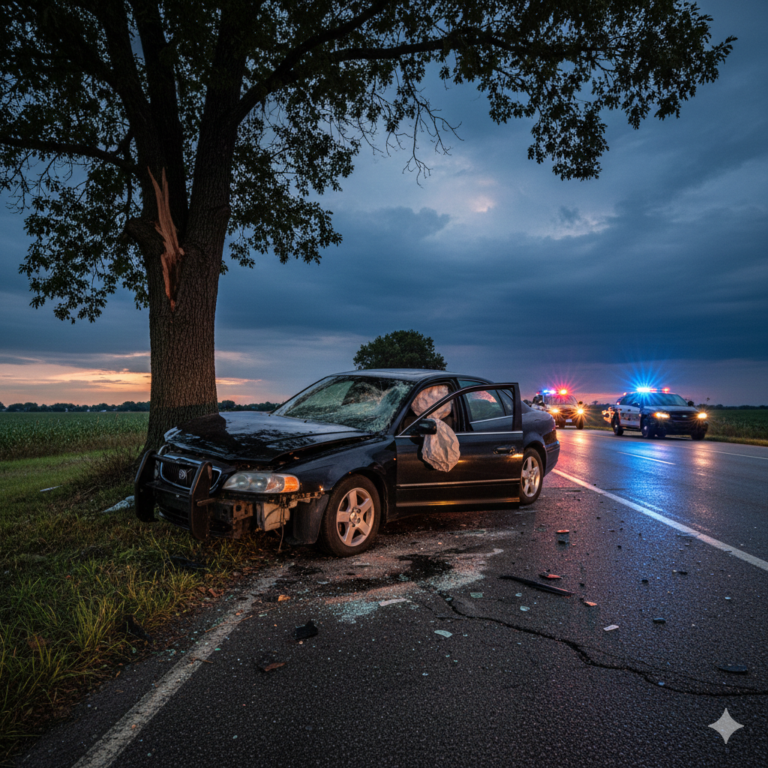
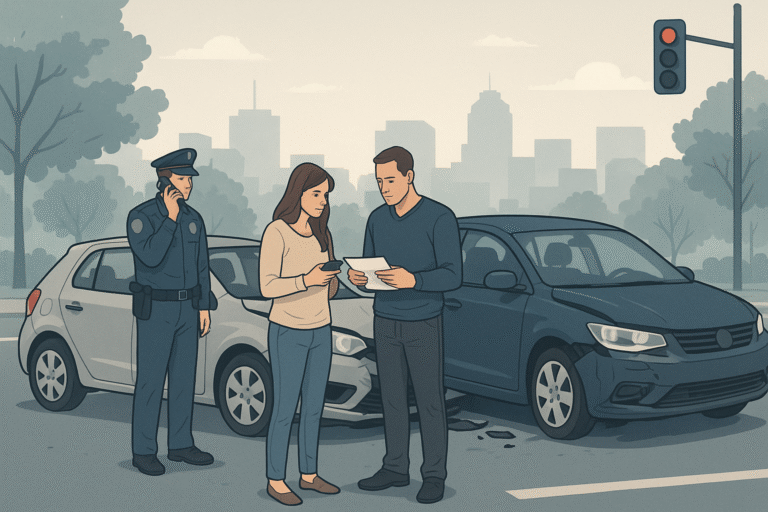
A serious winter crash on I-75 or I-675 often starts with bad road conditions: slush, black ice, or a sudden snowburst that cuts visibility. Traffic slows, someone brakes too hard, another driver reacts late, and suddenly you are in a chain reaction with multiple vehicles, air bags deployed, and debris on the road. Police arrive, lanes are blocked, tow trucks line up, and drivers are shaken and hurt.
For many Dayton drivers, the shock hits fast. You may be dealing with:
- Pain or injuries that need immediate care
- Worry about missing work or losing income
- Concern about your car being towed away and where it is going
- Fear that your auto insurance in Dayton will not cover everything you thought it would
On top of that, questions start rushing through your mind. Who was at fault? Did I say the wrong thing at the scene? Will my rates go up? Is my car even fixable?
We cannot stop crashes from happening, but we can explain how the claims process usually unfolds in our area, where drivers often run into trouble, and how a local independent agent can help you prepare before a crash and guide you after one.
First Hours After Impact Matter Most
What you do in the first hours after a serious crash often shapes the entire claim. It can affect how fault is decided, how medical bills are handled, and how smooth or difficult the process becomes.
At the scene, focus on three main things:
- Safety
- Law enforcement
- Basic documentation
Here are key steps most Dayton drivers should follow after a serious wreck:
- Call 911 right away for any serious collision, especially when injuries, multiple vehicles, or heavy damage are involved.
- If it is safe and you are able, move vehicles out of traffic to prevent more crashes, but only if law enforcement says it is okay and conditions allow it.
- Check for injuries on yourself and others and accept medical help, even if you are not sure how badly you are hurt.
A formal police report is very important in Montgomery County and the surrounding counties. In a serious crash, that report helps:
- Document who was involved and which vehicles were damaged
- Capture road conditions, weather, and any traffic violations
- Record early statements from drivers and witnesses
While you wait, take simple steps to document the scene if you can safely do so:
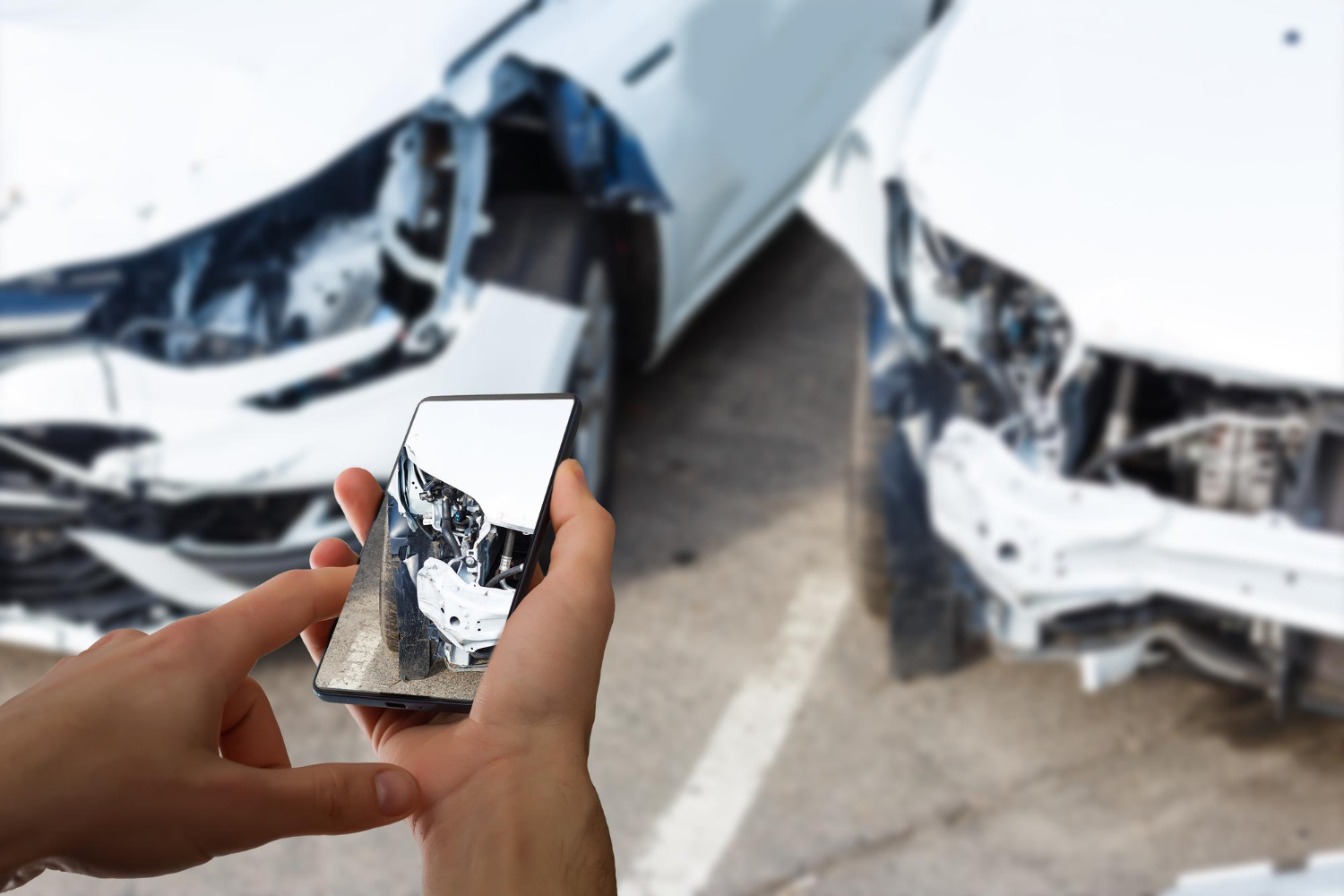
- Take photos of all vehicles from several angles
- Get close-up shots of damage, skid marks, and road conditions such as slush, standing water, or icy patches
- Photograph traffic signals, stop signs, and any nearby landmarks
- Ask witnesses for their names and contact information
- If you have visible bruises, cuts, or air bag burns, consider taking photos once you are in a safe place
What you say also matters. It is fine to be polite, but try to stick to facts:
- Share what happened as you saw it with police and medical staff
- Avoid guessing about speed, distance, or what other drivers saw
- Do not admit fault or say things like “It was all my fault” or “I did not see anything”
- Avoid light-hearted comments that sound like you are not taking injuries seriously
Simple phrases like “I am sorry” can be misunderstood later in a claim file, even if you were just being kind. Let the investigation and the evidence speak for you.
How Claims Are Reported and Investigated
Once you have left the scene, the next step is reporting your claim the smart way and understanding how the insurer will investigate what happened.
You usually have several options for reporting:
- Calling the claim number on your ID card, sometimes even from the scene if you are safe and calm enough
- Using your company’s mobile app to begin the claim
- Contacting your independent agent in Dayton for help filing, organizing details, and going over what to expect
Your independent agent can help you frame the facts clearly and avoid gaps or mixed messages that may slow things down. It helps to have this information ready:
- Your policy number
- Date, time, and exact or approximate location of the crash
- Number of vehicles involved and their basic details
- Whether there were injuries and if anyone went to the ER
- Where your vehicle was towed
- Road and weather conditions, such as late winter slush, wet snow, or freezing rain
Once your claim is opened, you should receive:
- A claim number
- The name and contact details of your adjuster or adjusting team
- A basic outline of what happens next and how long it may take
Prompt, accurate reporting typically makes later disagreements less likely. If details keep changing or key facts are missing, it may create delays or deeper reviews.
From there, the adjuster begins the investigation. Many drivers are not really sure what an adjuster does, so here is a simple breakdown. The adjuster will usually:
- Review the police report
- Look at photos and any video of the scene or vehicles
- Talk with the drivers and sometimes witnesses
- Review medical information related to injuries
- Inspect vehicle damage, either personally or through a partner shop
In serious Dayton crashes, the investigation can be more detailed, especially if there are:
- Conflicting stories about who had the green light
- Multiple vehicles with chain reaction impacts
- Serious or long-term injuries
- Higher-dollar claims involving both property and medical costs
Ohio follows a comparative negligence rule. That means fault can be shared. You might be found mostly not at fault, but still, a small percentage of blame could be placed on you. Your final payout can be reduced by the percentage of fault assigned to you. For example, if you are partly at fault in a multi-car wreck on a wet section of I-75, your recovery might be lowered to reflect that.
Insurers may ask for:
- Recorded statements
- Medical records related to the crash
- Detailed repair estimates
- In rare, complex cases, accident reconstruction reports
Your independent agent cannot give legal advice or tell you what to say, but they can help you:
- Understand what the insurer is asking for
- Keep your documents organized
- Share information without leaving out details that support your claim
If you ever feel uncomfortable about the questions being asked, that may be a good time to talk with an attorney, especially if injuries are serious.
Coverage, Medical Bills, and Your Vehicle
One of the most confusing parts of a serious crash is figuring out which coverages apply and how they work together. Many Dayton drivers think “full coverage” means everything is taken care of. In reality, your policy is a group of separate pieces that work differently.
Here are the main coverages that may come into play in Ohio:
- Liability coverage: This is what pays for other people’s injuries and property damage if you are legally responsible for a crash. Your bodily injury liability helps cover medical care, and your property damage liability helps pay for repairs or replacement of the other driver’s car or other damaged property. Your limits matter, especially after a big highway crash with several vehicles involved.
- Collision coverage: This helps pay to repair or replace your own car if it is damaged in a crash, no matter who is at fault, up to the vehicle’s actual cash value, minus your deductible.
- Comprehensive coverage: This covers many non-crash events such as theft or storm damage, and while it is not about the collision itself, it still often appears on the claim file if other damage is discovered.
- Uninsured and underinsured motorist coverage: This helps protect you when the at-fault driver does not have enough insurance or has none at all. In Ohio, where not every driver carries strong limits, this coverage can be very important after a serious wreck. Policy gaps in this area often show up at the worst time, when you are hurt and the other driver’s insurance is not enough.
Medical coverage adds another layer. Many Ohio drivers carry Medical Payments coverage, often called MedPay. MedPay can:
- Help pay for ER visits, doctor appointments, and other medical costs for you and your passengers, up to your limit
- Work alongside your health insurance by helping cover co-pays and deductibles
- Pay out regardless of who was at fault, within the terms of your policy
This is where many people discover that their idea of “full coverage” did not match real-world needs. Lower limits might be fine for minor injuries, but a serious crash with multiple ER visits, scans, and physical therapy can push past those amounts quickly.
If you want to better match your real risks, an independent agency can review options from a range of regional insurance carriers and explain how each company handles serious injury claims.
Now, about medical care itself. After a serious crash, it is tempting to “tough it out” and skip the ER if you can still walk. That can hurt both your health and your claim. Some injuries show up late, including:
- Whiplash
- Concussions
- Back and neck injuries
- Soft tissue injuries
If there is a gap between the crash and your first doctor’s visit, the insurer may question whether the injuries were caused by the wreck. Getting checked as soon as possible helps protect your health and supports your claim record.
Medical bills can feel confusing, especially when different providers send separate bills. Typical expenses may include:
- EMS and ambulance services
- ER treatment
- Follow-up appointments with specialists
- Physical therapy or chiropractic care
- Imaging such as X-rays or CT scans
In Ohio, bills may move between your auto insurance (liability, MedPay, or another driver’s policy) and your health insurance. Sorting that out is not simple, so keeping detailed records and copies of every bill, letter, and explanation of benefits is very helpful. Long-term injuries add even more layers, including lost wages, possible future treatment, and, in very serious cases, adaptive equipment or home changes.
Repairs, Totals, and Diminished Value
Once your injuries are being treated and the claim is active, attention often shifts to your car. For many Dayton drivers, their car is how they get to work, school, and appointments, so being without it can turn life upside down.
In most larger claims, you will face three separate questions:
- Where will the car be repaired, if it can be repaired at all?
- What happens if the car is considered a total loss?
- How will the accident affect the vehicle’s future resale value?
Many insurers have preferred body shop networks. These shops are used to the company’s process and often share estimates and photos directly with the adjuster. You can usually choose your own repair shop instead, even if it is not in the preferred network, but it may change how quickly estimates move back and forth.
You may also hear about OEM parts and aftermarket parts. OEM parts are made by the original manufacturer. Aftermarket parts are made by another company. Each has pros and cons, and different policies and carriers may treat this choice in different ways. If OEM parts matter to you, that is something to ask about long before you have a claim.
If the damage is very heavy, the adjuster may decide the car is a total loss. That generally means the cost to repair is not reasonable compared to the vehicle’s actual cash value. In that case, the insurer typically pays that value, minus any applicable deductible or other adjustments. If you still owe money on a loan or lease, it is possible to end up owing more than the car is worth. Gap coverage can help cover that difference in many cases, which is another reason to review your policy before a crash happens.
There is also the issue of diminished value. A car that has been in a serious accident often loses some resale value, even if it has been repaired well. Some drivers ask whether they can make a diminished value claim to account for that loss. In Ohio, these claims depend on many details and are not always available or successful, but good documentation helps:
- Pre-crash maintenance and condition
- Detailed repair records and parts used
- Pre- and post-accident photos
Again, this is an area where advice from a qualified professional or attorney can be helpful if you are dealing with a high-value vehicle or a severe crash.
Local Insight, Better Preparation, and Next Drives
Auto insurance in Dayton is not just about a card in the glovebox. Local driving patterns, weather, and roads all affect what coverage you probably need and how your claim will feel once it starts.
Our area sees:
- Busy highway traffic on I-75, I-70, and I-675
- Mixes of city streets, suburban roads, and rural routes
- Late winter and early spring freeze-thaw cycles that create potholes and uneven surfaces
- Sudden snow showers, freezing rain, and fog
Seasonal risks matter. For example, a March thaw can leave wet roads that re-freeze overnight, creating slick spots in the early morning commute. Our team also works on coverage for other local risks, such as snow removal insurance, so we see how weather affects many types of claims, not just personal auto.
Working with an independent Ohio agency means you are not tied to one company’s product line. An independent agent can compare different carriers, explain how each one tends to handle serious claims, and help you build a policy that fits your real-world needs, not a generic list.
Some of the key decisions you make before a crash include:
- Choosing liability limits that better reflect your income, assets, and driving patterns
- Deciding how much uninsured or underinsured motorist coverage you want
- Setting MedPay limits that work with your health insurance
- Considering endorsements such as rental reimbursement or gap coverage
One of the best times to do this is when you review your coverage or request a quote. You can start that process at any time through the request a quote form, then talk with an agent about what those numbers and terms actually mean in a real Dayton crash, not just on paper.
Even after you set up the right coverage, there are simple things you can do to be more ready if something happens:
- Keep a small emergency kit in your car with a flashlight, hazard markers, and a basic first aid kit
- Store your insurance ID card, registration, and a simple claims checklist in your glovebox
- Know which shop you would likely choose for repairs so you are not making that decision under stress
- Review your coverage after big life changes, like buying a home, adding a teen driver, or changing jobs
We see serious claims up close, and we know how hard those days can be. The more you understand about what happens after a serious crash in the Dayton area, the better you can protect your health, your finances, and your peace of mind.
Protect Your Drive With Coverage Tailored To Your Life
If you are ready to feel more confident every time you get behind the wheel, we are here to help you compare smart options and choose coverage that truly fits. Take a few minutes today to explore your choices for auto insurance in Dayton so you can be prepared before the unexpected happens. At Ingram Insurance Group, we listen first, then walk you through your policy in plain language so you know exactly what you are paying for. Reach out to our team and let us help you put the right protection in place without overcomplicating the process.