
Decoding Dayton Home Insurance: Neighborhood Risk Factors
Owning a home in Dayton means your insurance exposure is determined by a complex interaction of physical, social, and infrastructural factors, not simply your square footage and roof type. Micro-variations in terrain, housing stock, municipal services, and neighborhood conditions can create markedly different patterns of risk even between adjacent blocks. Two properties that appear nearly identical from the sidewalk can, in actuarial terms, present distinct risk profiles once you consider elevation, drainage, electrical systems, proximity to water, local crime statistics, and emergency response capacity.
This article provides a systematic examination of how Dayton home insurance is shaped by neighborhood-level risks. It adopts an analytic, neighborhood-focused lens that moves beyond generic ZIP code assumptions to explore how insurers assess risk, how risk clusters across historic districts and suburbs, and how homeowners can align coverage with empirically observable exposures such as water, crime, and severe weather. The discussion is oriented to Dayton and its surrounding communities, including core neighborhoods and key suburban municipalities such as Kettering, Beavercreek, Huber Heights, Vandalia, and Centerville.
We will proceed in several stages:
1. An overview of how neighborhood characteristics enter into home insurance risk models.
2. A structured analysis of property, neighborhood, and geographic rating factors specific to Dayton.
3. A look at risk patterns across historic and aging neighborhoods versus newer suburban developments.
4. A detailed treatment of water-related exposures: surface flooding, sewer and drain backup, and internal plumbing failures.
5. A discussion of crime, personal property, and liability exposures and how they vary by neighborhood form and use.
6. Practical implications for aligning coverage, limits, and endorsements with these localized risks.
By grounding the discussion in local conditions and established insurance concepts, Dayton homeowners can more rigorously evaluate whether their current policies are calibrated to the actual risks present on their specific block and lot.
1. Decoding the Neighborhood-Level Risk Landscape in Dayton
From an insurance perspective, Dayton is not a homogeneous entity. It is a mosaic of micro-environments shaped by topography, development history, infrastructure age, and socio-economic patterns. Within a single ZIP code, an insurer may observe substantial differences in loss frequency and severity across short distances. For example, a street on relatively high ground, with good drainage and close proximity to a well-equipped fire station, will generally produce a different claims experience than a nearby street with chronic water pooling, older utilities, and higher recorded theft rates.
Key neighborhood-level factors that can materially shift a property’s risk profile include:
- Local hydrology and drainage: proximity to rivers (notably the Great Miami River and its tributaries), creeks, storm drains, and low-lying areas prone to water accumulation.
- Crime incidence: burglary, theft-from-vehicle, vandalism, and related property crimes that affect personal property and sometimes dwelling security (e.g., forced entry damage).
- Fire protection: distance to fire hydrants and stations, estimated response times, and the capacity and staffing of the relevant fire department.
- Infrastructure age and condition: aging sewer systems, combined sewers, and older distribution lines; neighborhood-level patterns of power outages that may increase the odds of sump pump failure.
- Housing stock characteristics: the typical age and construction of homes in the area, the prevalence of older electrical systems, and the extent of permitted renovations.
Traditional quick-quote online tools often rely on aggregated ZIP code or census-tract summary data combined with a limited set of property attributes. In a metro area like Dayton, where historic neighborhoods, industrial-adjacent residential blocks, and more recently developed subdivisions coexist in close proximity, these broad averages may obscure meaningful differences in risk from one micro-location to another.
A more refined, neighborhood-sensitive perspective complements the carrier’s statistical models by incorporating on-the-ground observations: visible drainage patterns, the condition of adjacent properties, known local water or sewer issues, and public safety trends. This approach is particularly relevant in Dayton, where topography, legacy infrastructure, and historic development patterns interact in complex ways.
2. How Insurers Evaluate Dayton Home Insurance Risk
Insurance carriers use a combination of property-specific and area-based factors to estimate the expected frequency and severity of losses. While each insurer’s proprietary model is different, several broad categories are consistent across the industry.
2.1 Property-Level Rating Factors
For an individual Dayton home, underwriters typically consider:
- Construction type and quality (e.g., frame versus masonry, presence of fire-resistive materials).
- Year built and any major updates, particularly to the roof, electrical, plumbing, and heating systems.
- Roof material, age, pitch, and condition, which directly influence vulnerability to wind and hail damage.
- Prior loss history associated with the property and with the owner, as past claims can be predictive of future loss probability.
- Presence of safety and mitigation features, such as:
- Central station fire and burglar alarms
- Modern wiring and circuit breakers
- Updated plumbing with reduced leak risk
- Sump pumps and backup systems in basements
- Use of the property, including whether it is owner-occupied, tenant-occupied, or occasionally used for short-term rental.
In Ohio, where permitted, carriers may also use credit-based insurance scores as a predictive factor for loss propensity. While controversial in some circles, these scores are part of many current rating models.
2.2 Neighborhood and Geographic Factors
In Dayton and its surrounding communities, carriers overlay property-level data with geographic and neighborhood attributes, such as:
- Floodplain status and proximity to the Great Miami River, Stillwater River, Mad River, Wolf Creek, and smaller local creeks.
- Historical patterns of surface water flooding and sewer or drain backup, particularly in areas served by aging or combined sewer systems.
- Distance to and capacity of local fire stations, hydrant distribution, and the Insurance Services Office (ISO) Public Protection Classification where applicable.
- Police-reported crime statistics for burglary, theft, vandalism, and other property crimes.
- Severe weather exposure, including tornado and severe thunderstorm tracks, hail events, and windstorm history within the Dayton region.
- Proximity to industrial or commercial sites that might influence fire, explosion, or environmental exposures.
These inputs influence:
- Base premium levels for the dwelling and personal property.
- Availability and structure of deductibles, including separate wind/hail or named storm deductibles.
- Eligibility for certain optional endorsements, such as water backup or special personal property coverages.
- Carrier appetite: some insurers may elect not to write in certain micro-areas or may do so only with stricter underwriting conditions.
In practice, two Dayton homes with nearly identical construction and floor plans may receive very different pricing and terms if one is situated near a watercourse with known backup issues and further from a fire station, while the other is on higher ground in a neighborhood with lower claims incidence and better emergency access.
3. Neighborhood Risk Hotspots and Patterns Across Greater Dayton
The Dayton metropolitan area contains a spectrum of neighborhood types that reflect more than a century of development. Each carries a characteristic cluster of insurance-relevant attributes.
3.1 Core and Historic Neighborhoods
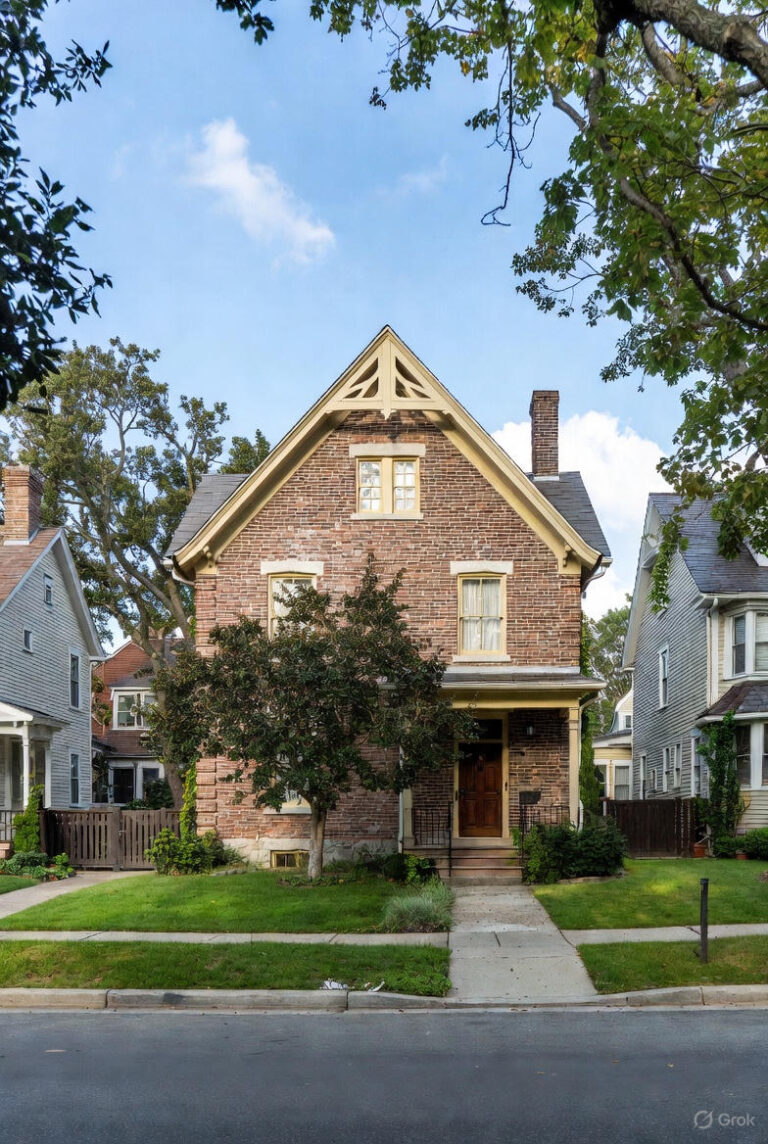
Neighborhoods near the urban core, such as the Oregon District, Grafton Hill, South Park, and other historic areas, often contain older housing stock, some of which predates modern building codes. Homes here commonly present:
- Original or partially updated wiring systems, including older knob-and-tube or aluminum wiring in some cases.
- Aging plumbing with galvanized, cast iron, or other legacy materials that may be more prone to leaks.
- Older roofing systems and steeply pitched roofs that may be closer to the end of their service life.
- Original wood framing, trim, and architectural details that, while desirable aesthetically, can contribute to combustible loading in a fire.
3.2 First-Ring Suburbs
Areas such as Kettering, parts of Vandalia, and other mid-20th-century suburbs often feature ranches and modest two-story homes built under more modern, though now somewhat dated, standards. Common characteristics include:
- Mid-century construction with a mix of original and updated systems.
- Potentially aging sewer laterals and municipal lines that may contribute to backup risk during heavy rainfall.
- Mature trees, which can increase exposure to wind-related damage or falling limbs.
3.3 Newer Subdivisions and Outlying Suburbs
Newer developments in Beavercreek, Huber Heights, Centerville, and similar communities typically reflect contemporary building codes and suburban design patterns. These neighborhoods often have:
- More uniform construction ages and materials.
- Larger roof surfaces with attached garages and open floor plans.
- Newer electrical and plumbing systems, but high exposure to hail and wind events due to larger, less sheltered roof areas.
Across all these areas, flood and water risk tracks closely with local terrain and drainage infrastructure. Lower-lying parcels near rivers, creeks, or undersized storm drains can be more vulnerable to surface water accumulation, even when they fall outside officially mapped Special Flood Hazard Areas.
4. Historic and Aging Dayton Neighborhoods: Coverage Implications
Older Dayton homes offer architectural character but also raise distinct underwriting and coverage questions.
4.1 System Age and Condition
Insurers scrutinize older systems because they materially influence the probability of fire and water losses. Key concerns include:
- Electrical: presence of knob-and-tube or aluminum wiring, undersized service panels, older fuse boxes, or ad hoc modifications over time.
- Plumbing: galvanized steel, cast iron, or older copper plumbing with known corrosion issues, which can increase leak frequency.
- Heating: older furnaces or boilers, outdated fuel lines, and older flue or chimney systems that may present combustion or carbon monoxide risks.
- Roofing: multiple layers of shingles, improper ventilation, or roofs beyond their expected service life.
Where such conditions exist, carriers may require documented updates as a prerequisite for binding or renewing coverage, or they may impose specific underwriting conditions and endorsements.
4.2 Replacement Cost and Historic Features
In historic districts, the cost to restore a home after a loss may exceed standard reconstruction estimates, particularly when:
- Custom millwork, built-in cabinetry, or ornate wood trim must be replicated.
- Specialty glass, stained glass, or custom window shapes are involved.
- Exterior details such as period-specific siding, decorative cornices, or masonry work require skilled trades or custom fabrication.
- Local building codes require upgrades (e.g., electrical, structural, or energy efficiency improvements) during repair.
In such contexts, homeowners should carefully evaluate:
- Dwelling limits set at true replacement cost, informed by contractor estimates or robust reconstruction cost tools, not just market value or basic cost-per-square-foot assumptions.
- Endorsements for extended replacement cost or guaranteed replacement cost, where available, to provide a buffer if rebuilding costs exceed the base limit.
- Ordinance or law coverage, which helps pay for code-required upgrades during reconstruction.
- Documentation of unique architectural and interior features through photographs and records to support an accurate claim settlement.
In short, historic and older homes in Dayton benefit from a more technical, line-by-line review of dwelling limits and endorsements to ensure the policy reflects realistic rebuilding costs.
5. Suburban Dayton, Severe Weather, and Coverage Nuances
In newer and mid-century suburban areas such as Beavercreek, Centerville, Huber Heights, Kettering, and Vandalia, the risk profile shifts. While modern construction standards often reduce some hazards, other exposures become more prominent.
5.1 Storm and Hail Exposure
The Miami Valley experiences episodes of severe convective weather: strong winds, hail, and localized tornadoes. In neighborhoods composed largely of modern, wood-frame homes with expansive roof surfaces, insurers observe a concentration of weather-related claims, particularly for:
- Asphalt shingle roof damage from hail.
- Wind-driven damage to shingles, flashing, gutters, and siding.
- Water intrusion following storm-related roof or flashing failures.
In response, carriers commonly deploy policy mechanisms such as:
- Separate wind or wind/hail deductibles, which may be expressed as a flat dollar amount or a percentage of the dwelling limit.
- Age-based roof settlement provisions, where newer roofs may be covered at replacement cost, while older roofs are settled on an actual cash value basis.
- Limitations or exclusions for purely cosmetic damage (e.g., minor hail dings that do not impair function), particularly on metal roofs or siding.
Homeowners in these areas should not treat the policy’s declarations page as sufficient; a careful reading of wind and hail endorsements is necessary to understand how a future claim would likely be adjusted.
5.2 Under-Recognized Exposures in Suburban Homes
As suburban homes evolve over time, their insurance needs often diverge from the assumptions embedded in the original policy. Common examples include:
- Finished basements converted to family rooms, offices, or bedrooms, increasing both building and contents exposure below grade.
- Expanded outdoor living spaces, decks, patios, pergolas, outdoor kitchens, and fire features that may not have been contemplated in the initial coverage design.
- Additional detached structures, fences, or sizable sheds that house tools and equipment.
- Growth in personal property value due to electronics, lawn and garden equipment, recreational gear, and hobby-related items.
If coverage is not periodically recalibrated to reflect these changes, limits for the dwelling, other structures, and personal property can become understated relative to actual replacement costs.
6. Water, Flood, and Sewer Backup: Differentiating Exposures in Dayton
Water-related claims represent a significant share of homeowner losses, and Dayton’s hydrology and infrastructure make this category particularly salient.
6.1 Distinguishing Categories of Water Loss
From an insurance contract perspective, not all water is treated equally. Broadly:
- Standard homeowners policies typically cover sudden and accidental water damage resulting from incidents such as burst pipes, appliance failures, or accidental discharge from heating or cooling systems.
- Sewer and drain backup coverage, usually provided via endorsement, addresses damage when water or sewage backs up through floor drains, toilets, sinks, or sump pump pits.
- Flood coverage, as defined for insurance purposes, generally refers to overland water affecting two or more properties or two or more acres, such as riverine flooding, overbank flow, or heavy rainfall accumulating outside and entering the dwelling. This is commonly excluded from standard homeowners policies and may require a separate policy, often through the National Flood Insurance Program (NFIP) or a private flood carrier.
Understanding these distinctions is crucial in a region where heavy rainfall events can produce a variety of water intrusion scenarios.
6.2 Neighborhood-Level Water Indicators in Dayton
Homeowners can observe several local signals that may suggest elevated water or backup exposure:
- Streets or intersections that routinely experience standing water during strong storms.
- Yards or common areas that remain saturated or ponded after rainfall.
- Proximity to creeks, drainage channels, or large storm drains.
- Reports from neighbors about recurring sewer or sump pump backups, particularly in older parts of the sewer network.
- Evidence of prior water issues in the home itself, such as water staining, foundation efflorescence, or prior remediation work.
These conditions do not automatically imply that a property is in a mapped flood zone, but they suggest that a more detailed examination of water-related coverages is appropriate.
6.3 Mitigation Strategies and Coverage Calibration
To align insurance with actual water risk, Dayton homeowners often consider a combination of physical mitigation and coverage adjustments, such as:
- Installing or upgrading sump pumps and, where feasible, adding battery or generator-backed systems to preserve pumping capacity during power outages.
- Maintaining gutters, downspouts, and grading to direct water away from the foundation.
- Installing water sensors near vulnerable areas, sump pits, water heaters, and washing machines to detect leaks early.
- Evaluating and, if necessary, increasing sewer and drain backup limits to reflect the cost of replacing finished basements, mechanical systems, and stored items.
- Assessing the need for separate flood insurance where elevation, proximity to water, or local experience indicates elevated risk, even if the property is not lender-required to carry flood coverage.
The key is to move beyond a binary view of “has water coverage/does not have water coverage” and instead differentiate the specific pathways by which water could damage the property.
7. Crime, Property, and Liability Exposures in Dayton Neighborhoods
Property crime and liability exposures also exhibit neighborhood patterns that influence both underwriting and prudent coverage design.
7.1 Property Crime and Insurance
Insurers track rates of burglary, theft, and vandalism over time. These patterns influence:
- Base rates for personal property coverage.
- Eligibility for certain carriers that may restrict new business in areas with elevated loss frequency.
- Availability and magnitude of credits for security features such as monitored alarms, reinforced locks, and exterior lighting.
Regardless of neighborhood, individual behavior and storage practices affect vulnerability, including:
- High-value electronics, computers, and gaming systems that are easily portable.
- Tools, lawn equipment, and bicycles stored in accessible garages, sheds, or on porches.
- Items routinely left in vehicles overnight, where coverage and limits may differ from those inside the home.
Policies generally extend theft coverage to property off-premises (for example, items taken from vehicles or while traveling), but sublimits often apply to specific categories like jewelry, firearms, and collectibles.
7.2 Liability Exposures
Liability risks arise from the way the property is used and from features that increase the likelihood of injury or third-party claims. Common factors include:
- Recreational equipment such as trampolines, swing sets, and playground structures.
- Swimming pools, hot tubs, and decorative ponds or water features, particularly when not fully enclosed by code-compliant barriers.
- Dog ownership, especially breeds subject to restrictions by certain carriers.
- Regular hosting of gatherings, events, or frequent overnight guests.
- Rental or quasi-commercial uses of the property, including short-term rentals.
In more densely populated parts of Dayton, where properties are closer together and sidewalks, alleys, and common paths are frequently used, relatively minor incidents, such as a slip-and-fall on ice, a dog interaction, or a fall near a pool, can lead to significant liability claims.
Given the low marginal cost of additional liability coverage versus the potential financial impact of a serious claim, many homeowners consider:
- Increasing liability limits on the homeowners policy above default minimums.
- Adding a personal umbrella liability policy to provide an additional layer of protection above underlying home and auto policies.
8. Matching Coverage to Real Dayton Neighborhood Risks
The central challenge for Dayton homeowners is bridging the gap between generalized, template-based coverage and a policy that is meaningfully calibrated to neighborhood-specific exposures.
An analytically informed approach to coverage design includes:
- Risk identification: systematically evaluating physical, infrastructural, and social conditions specific to the home and its immediate surroundings, terrain, drainage, local infrastructure, crime patterns, and building characteristics.
- Peril-by-peril analysis: examining how the policy treats major causes of loss, fire, water, wind, hail, theft, and liability, rather than relying on a superficial sense of being “fully covered.”
- Endorsement selection: using optional coverages such as sewer and drain backup, ordinance or law, extended replacement cost, scheduled personal property, or equipment breakdown where they meaningfully address identified exposures.
- Deductible structuring: considering the use of separate deductibles for wind/hail or other perils in a way that aligns with both local loss patterns and household risk tolerance.
To illustrate the diversity of profiles across the Dayton area, consider three stylized examples:
1. Older City Home with a Basement and Alley Access
- Likely exposures: aging wiring or plumbing, water intrusion or backup in the basement, liability relating to shared alleys or walkways.
- Coverage implications: emphasis on adequate water backup limits, evaluation of ordinance or law coverage, careful scrutiny of replacement cost estimates for unique interior finishes.
2. Mid-Century Ranch in Kettering
- Likely exposures: older roof systems, potential sewer line issues, mature trees near the home, partially finished or fully finished basement spaces.
- Coverage implications: attention to roof age and settlement terms, realistic valuation of basement improvements, review of tree exposure in the context of wind and ice storms.
3. Newer Construction in Beavercreek
- Likely exposures: wind and hail damage to large roof surfaces, growing personal property values, expansion of outdoor living spaces after initial construction.
- Coverage implications: close reading of wind/hail endorsements, adjustment of dwelling and other structures limits to reflect add-ons, consideration of special limits for high-value electronics or hobby equipment.
In each scenario, the standard policy form might be similar, but the optimal configuration of limits, deductibles, and endorsements differs markedly.
9. The Role of Periodic Policy Review in a Changing Risk Environment
Local conditions in Dayton are not static. Infrastructure projects, development patterns, climate variability, and crime trends evolve over time. As a result, a policy that was reasonably aligned with neighborhood risk five years ago may no longer be adequate.
Periodic review, at least annually, allows homeowners to incorporate:
- Changes in municipal infrastructure, such as sewer separation projects or drainage improvements that alter water exposure.
- Updated flood mapping or revised hazard designations that affect both lender requirements and prudent flood coverage decisions.
- New crime data or community safety initiatives that may affect both risk and available security credits.
- Renovations, additions, or system upgrades that alter replacement cost calculations and appropriate limits.
For many households, tying a policy review to a recurring calendar event, such as the arrival of the annual policy renewal documents, a mortgage escrow review, or a spring home maintenance cycle, provides a practical structure for ensuring coverage keeps pace with evolving risks and property changes.
10. Spring as a Natural Risk Assessment Period for Dayton Homeowners
In the Dayton region, spring typically brings a combination of freeze-thaw cycles, increased precipitation, and the onset of severe weather season. These conditions reveal vulnerabilities in roofs, gutters, grading, and drainage systems that may not have been apparent during winter.
From a risk management standpoint, spring is an opportune time to:
- Inspect roof surfaces for missing, curled, or damaged shingles, as well as compromised flashing around penetrations.
- Confirm that gutters and downspouts are clear and that water is being discharged well away from the foundation.
- Check basements and crawl spaces for signs of moisture infiltration, sump pump performance, and any evidence of past water damage.
- Review utility and mechanical systems, including water heaters and washing machine hoses, for signs of wear.
- Take a current inventory of significant personal property, particularly newly acquired electronics, tools, and recreation equipment.
Parallel to these physical inspections, spring also provides a logical checkpoint for reviewing the alignment between observed conditions and insurance coverage, including water-related endorsements, deductible levels, and personal property limits.
11. Integrating Local Insight with Structured Coverage Decisions
Effective Dayton home insurance planning rests on combining local knowledge of neighborhoods, infrastructure quirks, and weather patterns with a disciplined, coverage-by-coverage review of the policy. Rather than focusing solely on premium comparisons, homeowners benefit from understanding how their specific location interacts with the key perils addressed in the policy.
By systematically considering neighborhood hydrology, crime patterns, fire protection, and the age and condition of the building’s major systems, Dayton homeowners can move toward a more academically grounded, risk-informed approach to coverage. This orientation does not eliminate uncertainty, but it helps ensure that major, predictable exposures, particularly water, wind, and liability, are explicitly addressed, rather than left to chance or generic assumptions.
In a metro area as varied as Dayton, the objective is not to label neighborhoods as “good” or “bad” in insurance terms, but to recognize and respond to the specific risk contours that each one presents. When coverage limits, deductibles, and endorsements are deliberately calibrated to those contours, homeowners are better positioned to withstand the financial impact of the next storm, water event, or liability claim that tests the resilience of their property and their insurance program.
Protect Your Dayton Home With Coverage Tailored To You
Your home is one of your biggest investments, and we are here to help you safeguard it with coverage that fits your life in Dayton. Explore your options for Dayton home insurance so you can feel confident you are prepared for the unexpected. At Ingram Insurance Group, we will walk you through your choices, answer your questions, and help you avoid gaps in protection. Reach out today to get a personalized quote and start protecting what matters most.