Discover Fairlane, Dayton, Ohio: A Comprehensive Neighborhood Guide
Fairlane is one of Dayton’s most grounded and quietly resilient west-side neighborhoods, known for its post-war ranch homes, tree-lined blocks, and long-time residents who give the area its personality. Whether you’re a homeowner, investor, or future buyer comparing west-side communities, this neighborhood guide gives you a complete look at Fairlane’s layout, amenities, infrastructure quirks, insurance considerations, and local character. With aging mid-century homes and a tight-knit, practical vibe, Fairlane carries both tremendous value and very real maintenance realities that matter for homeowners. This guide is built using our deep Dayton insurance expertise, with insights tailored for real residents, landlords, and investors who want help protecting their properties.
Discover Fairlane, Dayton, Ohio: A Comprehensive Neighborhood Guide
Fairlane is a quiet, practical west-side neighborhood in Dayton, Ohio, known for its post-war homes, wide streets, and steady community feel. Offering affordability paired with convenience to parks, schools, and major corridors, Fairlane appeals to families and homeowners looking for value close to Dayton’s urban amenities. This guide provides an in-depth look at Fairlane’s geography, demographics, housing stock, insurance considerations, lifestyle, and more, equipping residents and prospective homeowners with vital information to make informed decisions.
Geography & Boundaries of Fairlane
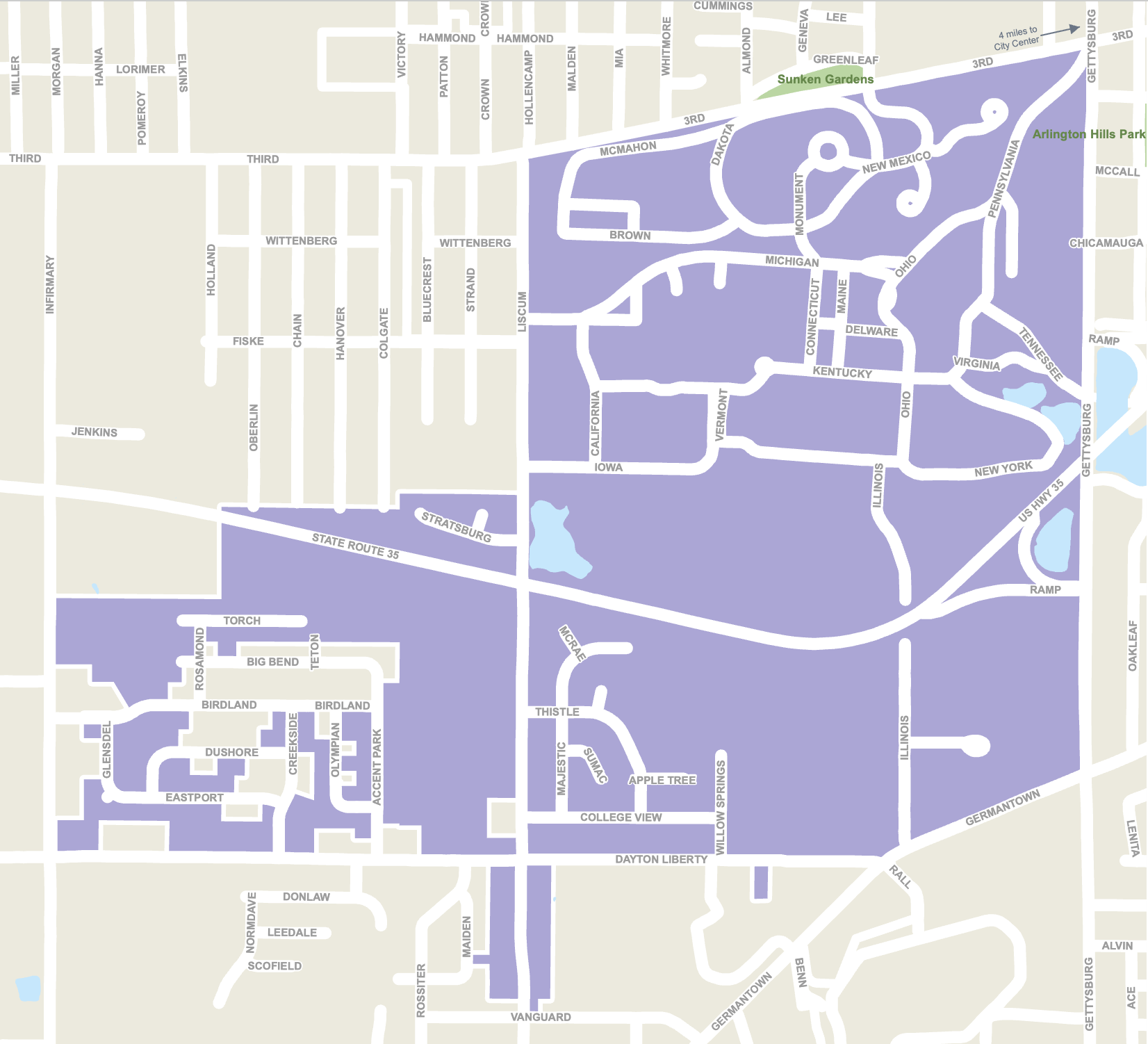
Situated on Dayton’s west side, Fairlane is a well-defined neighborhood characterized by its broad streets and established residential zones. The neighborhood’s boundaries are roughly delineated by several major roads and recognizable landmarks, making it easy for residents and visitors to identify.
- North Boundary: The northern edge is generally considered to be along West Third Street, a key corridor that connects Fairlane to downtown Dayton and other west-side neighborhoods.
- East Boundary: Toward the east, Fairlane borders the neighborhoods near Gettysburg Avenue and related corridors, providing access to shopping and employment hubs.
- South Boundary: The southern boundary lies near Dayton Liberty Road and Germantown Street, commercial corridors that host a variety of retail and dining options.
- West Boundary: The western edge of Fairlane is approximately marked by Infirmary Road and adjacent residential streets, which begin to transition into more suburban areas beyond Fairlane’s residential core.
Nearby landmarks include Fairlane Park to the northwest, a local green space offering recreational amenities, and several schools serving the neighborhood’s families. The neighborhood’s location provides a balance between easy access to Dayton’s city center and a peaceful, suburban atmosphere.
Understanding Fairlane’s Layout
Fairlane has one of the more easily recognizable neighborhood shapes on Dayton’s west side. It’s defined by a mix of classic grid streets in the north and curving residential roads in the south. Streets like Wittenberg Avenue, Brown Avenue, and Michigan Avenue form the traditional mid-century grid, while roads such as Apple Tree Drive, Thistle Drive, and Vanguard Drive reflect later development with cul-de-sacs and looped blocks that attract families.
Major roads cut through or border the neighborhood, including State Route 35 to the north and the Dayton Liberty and Germantown corridors to the south and southeast. A central north–south spine connects smaller side streets, making it easy to navigate the area by car while keeping most residential blocks tucked away from heavier traffic.
Demographic & Lifestyle Overview
Fairlane’s demographic profile reflects a stable, working- and middle-class community with a strong emphasis on homeownership and family life. The neighborhood attracts a mix of long-term residents and new homeowners seeking affordable housing close to Dayton’s employment centers.
Families with school-age children find Fairlane particularly appealing due to its proximity to public schools, parks, and youth organizations. The neighborhood’s population includes a blend of young families, established middle-aged residents, and seniors who appreciate the quiet streets and neighborly atmosphere.
In terms of lifestyle, residents enjoy a laid-back suburban rhythm. Streets are walkable with sidewalks, and neighbors often know each other, fostering a sense of community. Local events and informal gatherings are common, reflecting the friendly, down-to-earth vibe that Fairlane maintains. The neighborhood’s affordability and convenience to daily needs make it a practical choice for those prioritizing comfort and value over trendiness or rapid development.
A Brief History of Fairlane
Fairlane grew rapidly between the late 1940s and early 1960s as Dayton’s manufacturing economy expanded and thousands of returning veterans sought affordable, efficient single-story homes. Much of the neighborhood was constructed by developers who specialized in compact ranch homes with attached garages, basements, and family-oriented street layouts. These homes—sturdy, low-profile, and built for practicality—still define the neighborhood today.
Fairlane’s development was closely tied to the industrial presence on Dayton’s west side. Workers from NCR, Delphi, and local machine shops filled the new subdivisions, creating a stable pocket of long-term homeownership. As industries shifted over the decades, the neighborhood experienced slower turnover than some nearby areas, which helped maintain a consistent residential character. Even as other west-side neighborhoods like Wright-Dunbar evolved and redeveloped, Fairlane remained anchored by its original layout, long-standing homeowners, and familiar street patterns.
Housing Stock Deep Dive
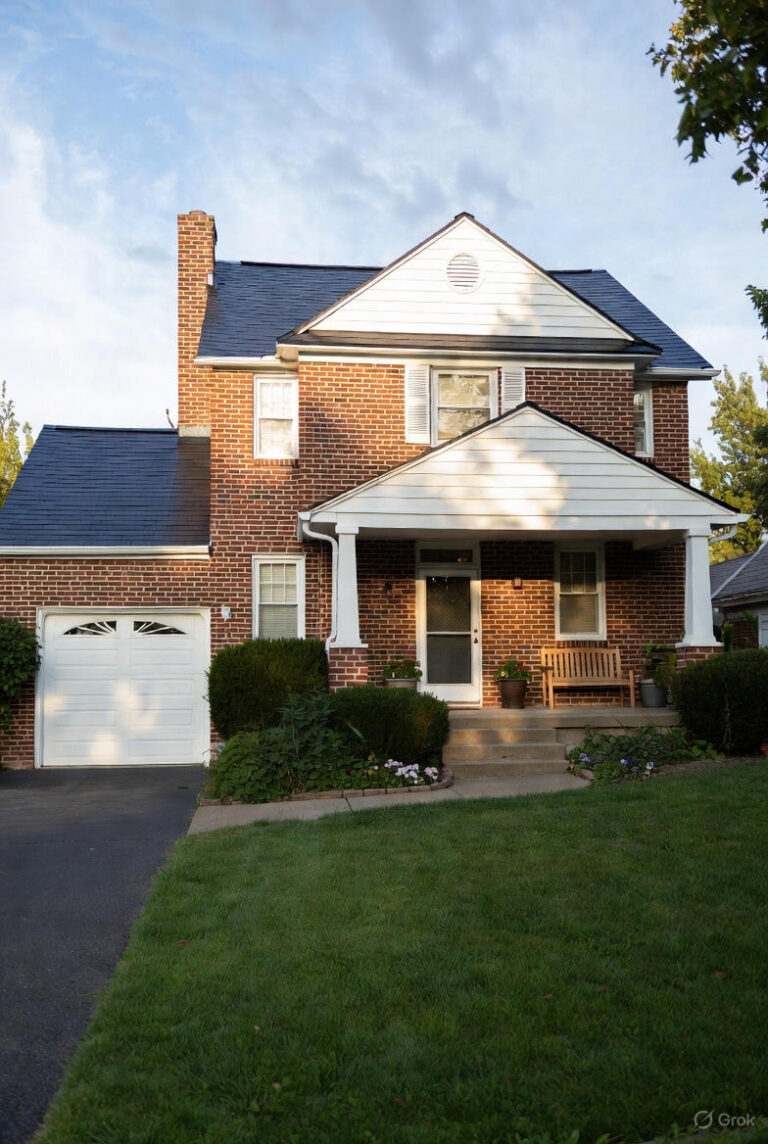
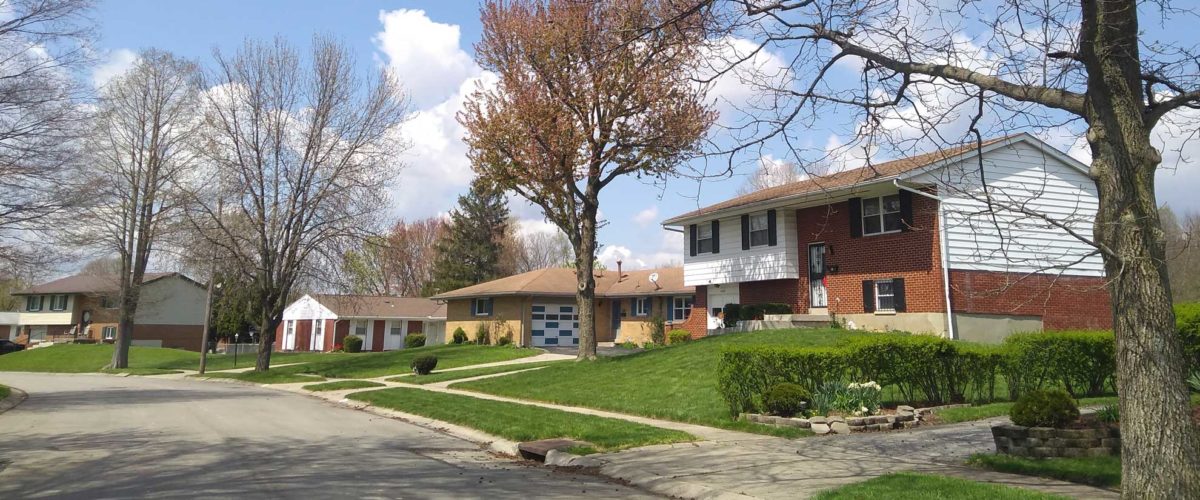
Fairlane’s housing stock is predominantly composed of post-war single-story homes, reflecting the architectural and social trends of the mid-20th century. The most common styles found here include practical ranch layouts and modest mid-century properties designed for affordability and ease of upkeep.
These homes were built primarily between the late 1940s and early 1960s, during a period of rapid growth in Dayton as returning veterans and their families sought affordable housing. The ranch-style homes feature simple, horizontal lines, low-pitched roofs, and open floor plans. This design continues to appeal because it maximizes usable living space on modest lot sizes, often with attached garages and basements.
Many homes in Fairlane have three bedrooms and one or two bathrooms, catering to the needs of families and retirees alike. The modest mid-century homes often incorporate brick or wood siding exteriors, contributing to the neighborhood’s cohesive aesthetic. While some properties have been updated or remodeled, many retain original features such as hardwood floors, built-in cabinetry, and classic window designs.
The neighborhood’s overall housing market is characterized by affordability relative to other parts of Dayton. Homes are priced competitively, making Fairlane an attractive option for first-time buyers, investors, and those seeking a practical residence without sacrificing access to amenities. Lot sizes are generally moderate, allowing for manageable yard maintenance and opportunities for gardening or small-scale landscaping.
Potential buyers should note that the age of many homes means that some properties require maintenance and upgrades, especially related to aging roofs, plumbing, and electrical systems. However, the solid construction typical of post-war homes often translates to durable, long-lasting structures when properly maintained.
Insurance Risks and Coverage Considerations for Homeowners and Landlords
Owning a home or rental property in Fairlane comes with specific insurance considerations that reflect the neighborhood’s age, housing stock, and environmental factors. Understanding these risks is essential for securing adequate coverage and protecting your investment.
Common Insurance Risks in Fairlane
- Aging Post-War Construction: Many homes were built over 60 years ago. While structurally sound, older construction materials and methods may pose risks such as outdated electrical wiring, aging plumbing, and lack of modern insulation. These factors can increase the likelihood of claims related to water damage, electrical fires, or heating system failures.
- Older Roofs: Roofs on many Fairlane properties may be original or only partially updated. Roof wear can lead to leaks during heavy rains or snow melts, resulting in water damage to interiors and structural components if not addressed. Insurance policies may require roof inspections or upgrades to maintain full coverage. For a broader look at how roof age affects coverage across Ohio neighborhoods, see our west-side perspective in nearby Wolf Creek.
- Settling and Foundation Wear: Post-war homes often experience gradual settling over decades, which can lead to cracks in foundations, walls, or chimneys. While minor settling is common, significant foundational issues can cause costly repairs and may not be fully covered by standard homeowners insurance policies.
- Weather-Related Risks: Dayton experiences a continental climate with cold winters, occasional severe storms, and moderate rainfall. Freeze–thaw cycles can exacerbate structural wear, while storms can cause wind or hail damage. Flood risk in Fairlane is generally low but localized drainage issues can occur in heavy rains.
Local Infrastructure Notes
Fairlane’s age and location on the west side come with a few predictable maintenance realities that homeowners—and especially landlords—should be aware of:
- Clay Sewer Laterals: Many Fairlane homes still have original clay sewer lines that are prone to root intrusion and collapse. Sewer backup claims are extremely common in this part of Dayton, and adding a sewer/water backup endorsement is strongly encouraged. For more context, our article on sewer backup in Dayton and Centerville lays out why this matters so much for older neighborhoods.
- Basements & Groundwater: The combination of mid-century foundations and older exterior drainage tile means some homes see periodic seepage during heavy rains, especially if gutters and downspouts are not maintained.
- Parked Car Exposure: Several streets near Germantown Street and Dayton Liberty rely heavily on curbside parking, increasing hit-and-run risk—something many older Dayton neighborhoods experience.
- Wind & Hail Exposure: Fairlane sits in an open pocket of west Dayton where lawns are wide and tree cover is moderate. Homes often experience stronger direct wind exposure, especially those on corner lots or facing longer, open stretches of roadway.
- Aging Electrical Systems: A portion of homes still use original 60-amp or early 100-amp service, which often needs modernization for safety and insurability.
Coverage Considerations
Homeowners and landlords should tailor their insurance policies to account for these local risks:
- Dwelling Coverage: Ensure the policy covers the full replacement cost of the home, factoring in potential costs associated with older materials or specialty repairs for mid-century construction. Market value and replacement cost are very different in this part of Ohio; our article on Ohio’s housing dilemma explains why that gap matters so much for insurance.
- Roof and Structural Endorsements: Some insurers offer endorsements or riders specifically covering roof damage or foundation issues. Given the age of many roofs, consider obtaining a roof certification or completing repairs to maintain eligibility for standard coverage.
- Water Damage Protection: Standard policies typically cover sudden water damage (e.g., burst pipes) but exclude gradual leaks. Consider additional coverage or endorsements for water backup or sewer overflow, especially if basements are present.
- Liability Coverage: With walkable streets and active neighborhoods, liability insurance is crucial to protect against accidents or injuries on the property.
- Landlord Policies: For rental properties, specialized landlord insurance policies are recommended. These cover property damage, loss of rental income, and liability protection tailored to tenants and rental operations. For a broader overview of how landlord policies work in Dayton, see our guide to rental property insurance for Dayton landlords.
- Flood Insurance: Though Fairlane is not in a high-risk flood zone, homeowners adjacent to low-lying areas or with basements should evaluate the need for flood coverage, which is typically purchased separately through the National Flood Insurance Program (NFIP).
Ingram Insurance Group, with deep local expertise, can help homeowners and landlords in Fairlane navigate these considerations to find comprehensive, affordable coverage.
Proximity to the Dayton VA
One of Fairlane’s biggest location advantages is its proximity to the Dayton VA Medical Center, located just a few minutes northeast of the neighborhood. The VA is not only a major employer but also a stabilizing presence on the western side of the metro area. Many homeowners and renters in Fairlane work at or frequently visit the VA, making the location convenient for medical staff, veterans, and patients alike.
This proximity also contributes to consistent rental demand, especially for single-family homes, although property condition and ongoing maintenance play a major role in long-term tenancy outcomes.
The Former YMCA on Dayton Liberty Road
Long-time residents still talk about the former YMCA located at 4415 Dayton Liberty Road, just south of Fairlane’s boundary. For years, it served as a community hub—hosting youth activities, basketball leagues, fitness programs, and neighborhood gatherings. When it closed, many hoped another community-focused organization would take its place.
Unfortunately, nothing lasting has filled the space. Several businesses and organizations have attempted to repurpose the building over the years, but none managed to stick long-term. It remains one of those “if only” landmarks that locals remember fondly, and its absence has left a noticeable gap in amenities on the southwest side of Fairlane.
Amenities & Points of Interest
Fairlane offers residents a variety of local amenities that enhance daily living and contribute to the neighborhood’s appeal.
Parks and Recreation
- Fairlane Park: The neighborhood’s namesake park provides green space for picnics, playgrounds for children, and walking paths. It is a central gathering spot for community events and outdoor activities.
- Nearby Parks and Green Spaces: Additional parks and open areas are within a short drive, providing access to sports fields, playgrounds, and informal recreation.
- Regional Trails: Residents can access regional bike and walking trails within a few miles, promoting active lifestyles and outdoor enjoyment.
Schools
Fairlane is served by Dayton Public Schools and is within driving distance of several other districts and charter options, providing educational variety for families:
- Local Elementary Schools: Elementary-age children typically attend nearby schools that emphasize foundational education and community engagement.
- Meadowdale High School & Other Options: Secondary students have access to comprehensive high school programs, extracurriculars, and vocational training at larger schools a short drive away.
Several private and charter schools are also accessible within a reasonable commute, broadening educational choices for residents.
Shopping and Dining
Residents benefit from convenient shopping along major corridors such as Dayton Liberty Road, Germantown Street, and West Third Street. These areas host grocery stores, pharmacies, restaurants, and service businesses. The neighborhood’s proximity to larger commercial hubs provides access to big-box retailers, specialty shops, and entertainment venues without sacrificing the quiet residential vibe of Fairlane.
Transit, Roads & Infrastructure Considerations
Fairlane’s location on Dayton’s west side offers several transportation and infrastructure advantages:
- Road Access: Major roads including West Third Street, Germantown Street, Dayton Liberty Road, and nearby State Route 35 provide efficient routes to downtown Dayton, Interstate 75, and neighboring communities. These corridors support commuting, shopping, and leisure travel.
- Public Transit: Dayton RTA bus routes serve the Fairlane area, connecting residents to employment centers, schools, and retail districts. While public transit is available, many households rely on private vehicles for daily transportation due to the neighborhood’s suburban layout.
- Walkability: Fairlane features sidewalks along many streets, allowing safe pedestrian movement within the neighborhood. However, some commercial corridors have less pedestrian infrastructure, so residents typically drive or bike for errands.
- Utilities: Utilities including water, sewer, electricity, and natural gas are well established. However, older homes may have outdated infrastructure components requiring maintenance or upgrades, such as plumbing or electrical systems.
- Traffic and Safety: Wide streets and residential speed limits promote safe driving conditions. Community efforts often focus on maintaining traffic calming measures and pedestrian safety, particularly near schools and parks.
Vacancy Risk in Fairlane
Fairlane has good rental demand overall, but like many neighborhoods on Dayton’s west side, it experiences pockets of elevated vacancy risk. Long-term homeowners tend to stabilize many streets, while investor-heavy blocks sometimes see longer turnover cycles or periods of vacancy between tenants.
For landlords, this matters greatly: insurance companies classify vacant homes as a higher risk due to increased chances of theft, vandalism, burst pipes, and unnoticed damage. A standard landlord policy may not fully cover a home sitting vacant for more than 30–60 days without additional endorsements or a vacancy permit.
Investors comparing Fairlane to other Dayton neighborhoods—such as the rapidly changing Wright-Dunbar area or historic districts closer to downtown—should pay close attention to both purchase price and long-term occupancy patterns. Policy structure, deductibles, and vacancy clauses should all line up with your actual strategy on the property.
Short-term rental operators should be especially careful. If you’re considering Airbnb or mid-term rentals in Fairlane, it’s important to understand how those risks compare to more tourism-driven neighborhoods like the Oregon District—our article on short-term rentals in the Oregon District offers a good contrast for landlords weighing different parts of Dayton.
Is Fairlane Considered a Safe Neighborhood?
Fairlane has a reputation for being one of the steadier pockets of west Dayton, largely due to its high percentage of long-term homeowners and familiar street patterns where neighbors tend to know one another. Residents often describe the area as calm, routine, and consistent.
At the same time, Fairlane is not immune to the challenges that affect many parts of west-side Dayton. Some blocks are quieter than others, and there are streets where vacant homes or frequent turnover can influence local activity. Safety can vary literally from one street to the next, depending on long-term residency and property upkeep.
Most residents recommend doing the same thing you should do in any Dayton neighborhood: visit the area during daytime and early evening, drive the main corridors, and get a feel for the specific street you’re considering. Fairlane offers both stability and opportunity, but like all urban neighborhoods, the experience is street-specific.
Neighborhood Insurance Guidance
Given Fairlane’s characteristics and risks, homeowners should consider a holistic approach to insurance coverage:
Homeowners Insurance
Ensure your policy includes comprehensive dwelling coverage that reflects your home’s replacement value, including potential costs to repair aging structural elements. Liability coverage should be adequate to protect against accidents occurring on your property. Consider endorsements for roof damage and water backup if applicable, especially if your home has a basement or older plumbing and sewer lines.
Additional Insurance
- Flood Insurance: Even with relatively low overall flood risk, basements and stormwater drainage issues warrant consideration of flood policies for certain properties.
- Umbrella Policies: For additional liability protection beyond standard homeowners coverage, an umbrella policy can safeguard against costly lawsuits.
- Landlord Insurance: Rental property owners should secure landlord-specific policies that cover tenant-related risks, property damage, and liability. If you own multiple rentals throughout Dayton’s west side—from Fairlane to Wolf Creek, Wright-Dunbar, or beyond—coordinating these policies with one local agency can simplify claims and coverage decisions.
Maintenance & Risk Mitigation
Regular home maintenance reduces insurance claims and premiums. Key steps include:
- Inspecting and repairing roofs every 10–15 years or as needed.
- Updating electrical systems to current codes.
- Maintaining gutters and drainage to prevent water intrusion.
- Addressing foundation issues promptly with professional assessment.
- Snaking or camera-inspecting older clay sewer lines and budgeting for replacement when necessary.
Working with a knowledgeable local insurance agent, such as those at Ingram Insurance Group, ensures your coverage aligns with Fairlane’s unique profile and your personal needs.
Quick Characteristics of Fairlane
- Quiet, well-established west-side Dayton neighborhood
- Predominantly post-war single-story ranch and mid-century homes
- Wide, walkable streets with a strong community feel
- Affordable housing options attractive to families, first-time buyers, and investors
- Proximity to the Dayton VA, parks, schools, and commercial corridors
- Insurance considerations include aging roofs, foundation wear, sewer backup, and water damage risks
- Good road access to downtown Dayton and Interstate 75 via major corridors
- Public transit available, but many residents rely on personal vehicles
- Active neighborhood with friendly neighbors and local amenities, shaped by long-term residents
Your Trusted Partner in Fairlane: Ingram Insurance Group
Whether you’re a homeowner, landlord, or prospective buyer in Fairlane, securing the right insurance coverage is essential to protect your investment and peace of mind. The team at Ingram Insurance Group specializes in Dayton neighborhoods like Fairlane, offering tailored insurance solutions designed to meet the unique risks and needs of local properties.
With expert guidance on homeowners, landlord, flood, umbrella, and rental property insurance, Ingram Insurance Group helps you navigate complex insurance decisions with confidence. Our experience with west-side neighborhoods—from Fairlane and Wolf Creek to Wright-Dunbar and beyond—means we understand how local housing, vacancy patterns, and infrastructure affect your coverage.
Contact Ingram Insurance Group today to discuss your insurance needs and secure comprehensive protection for your Fairlane home or investment property. Don’t leave your most valuable asset to chance—partner with a trusted local expert who understands the neighborhood inside and out.