Does Homeowners Insurance Cover HVAC Systems in Ohio?
To make this article more authoritative and SEO-friendly, I have expanded the technical details, added local Ohio context, and improved the formatting for better readability. I also included a section on Equipment Breakdown Coverage, which is the most common way Ohioans actually get their HVAC units replaced through insurance.
Does Homeowners Insurance Cover HVAC Systems in Ohio?
Homeowners across the Buckeye State know that our weather is anything but predictable. From humid 90°F days in July to sub-zero temperatures during a January “Polar Vortex,” your HVAC (Heating, Ventilation, and Air Conditioning) system is the most important mechanical feature of your home.
When a furnace quits in the middle of a Dayton winter or an AC unit stops blowing cold air during a heatwave, the first thing many homeowners do is reach for their insurance policy. However, the relationship between home insurance and HVAC systems is often misunderstood. In this comprehensive guide, we’ll break down exactly what is covered, what isn’t, and how you can better protect your home’s comfort.
The Short Answer: It Depends on “How” It Broke
In Ohio, a standard homeowners insurance policy (typically an HO-3 policy) covers your HVAC system, but only when the damage is caused by a “covered peril.” Insurance is designed to protect you against sudden, accidental, and external events. It is not a service contract or a maintenance plan. If your system dies because it is 15 years old and simply “wore out,” insurance will not pay for a replacement.
The “Dwelling” Classification
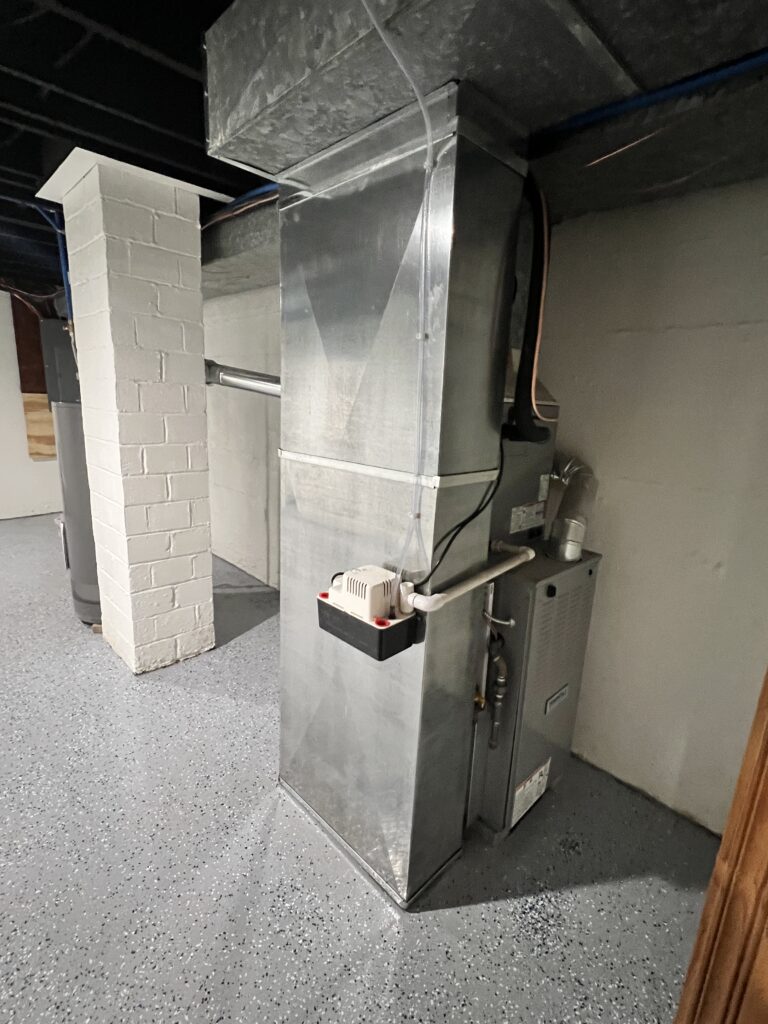
Under most Ohio policies, your furnace, heat pump, and central air conditioning unit are considered part of your Dwelling Coverage (Coverage A). Because these systems are permanently attached to the structure, they are treated like the roof or the walls rather than personal property like a couch or a laptop.
When Your HVAC Is Covered: Common Scenarios
To trigger a claim, the damage must result from a specific event listed in your policy. In Ohio, the most common covered scenarios include:
- Fire and Smoke: If a house fire damages your furnace or if smoke soot clogs your ductwork and air handler, the repair or replacement is typically covered.
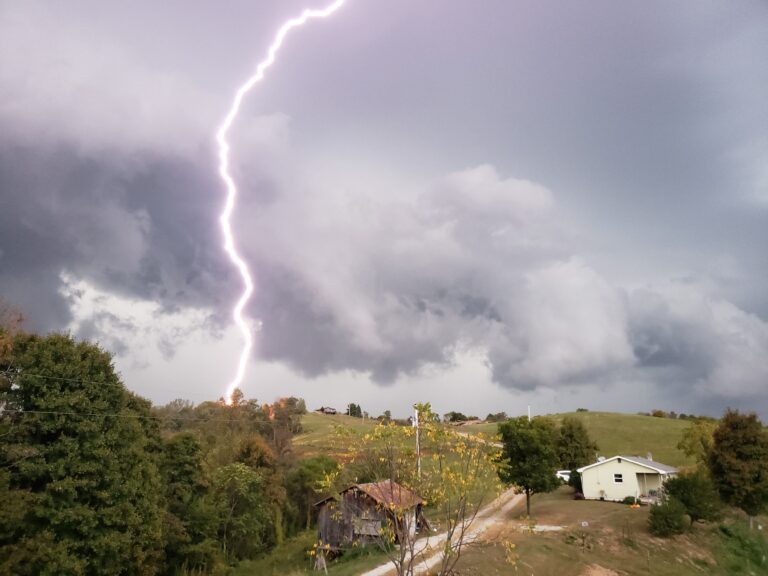
- Lightning Strikes: Ohio’s summer storms often bring heavy lightning. A direct strike or a nearby strike that sends a surge through your home’s electrical system and fries the HVAC control board is generally a covered loss.
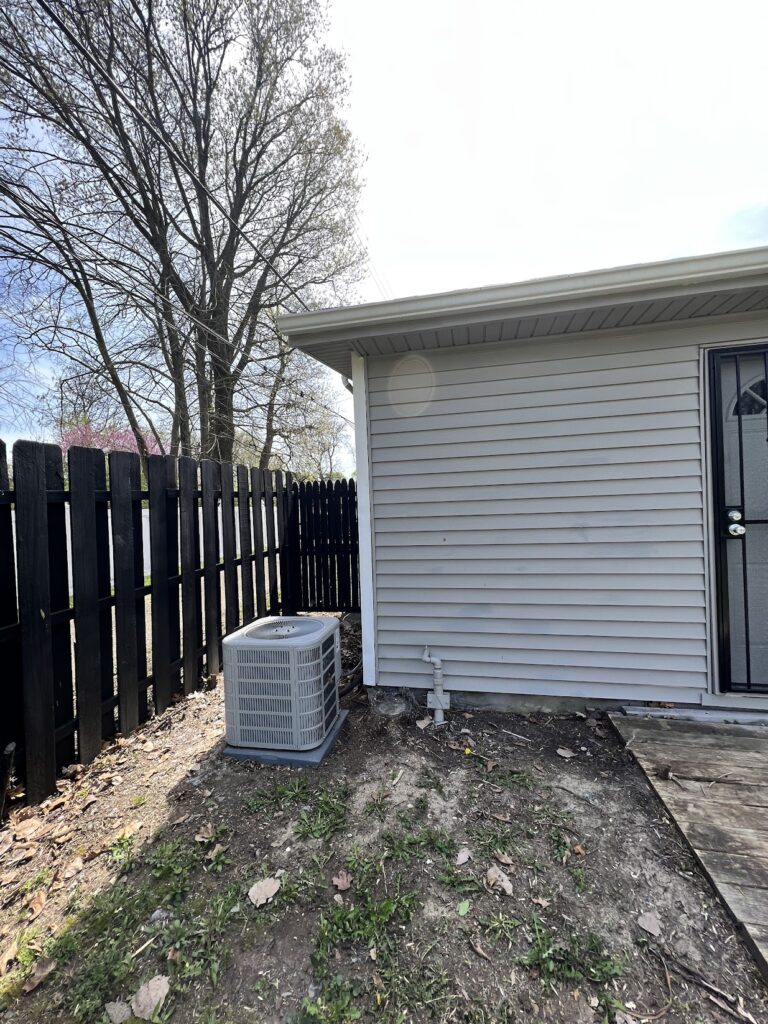
- Falling Objects: If a massive oak tree limb falls during a windstorm and crushes your outdoor condenser unit, your insurance should pay for the damage.
- Vandalism or Theft: If someone steals the copper coils from your outdoor unit or vandals damage your system, this is a criminal act covered under most policies.
- Water Damage (Specific Types): If a pipe bursts and floods the basement, ruining your furnace, the “ensuing damage” to the HVAC is usually covered (provided you have standard water backup or pipe burst coverage).
The “Coverage Gap”: Why Most HVAC Claims Are Denied
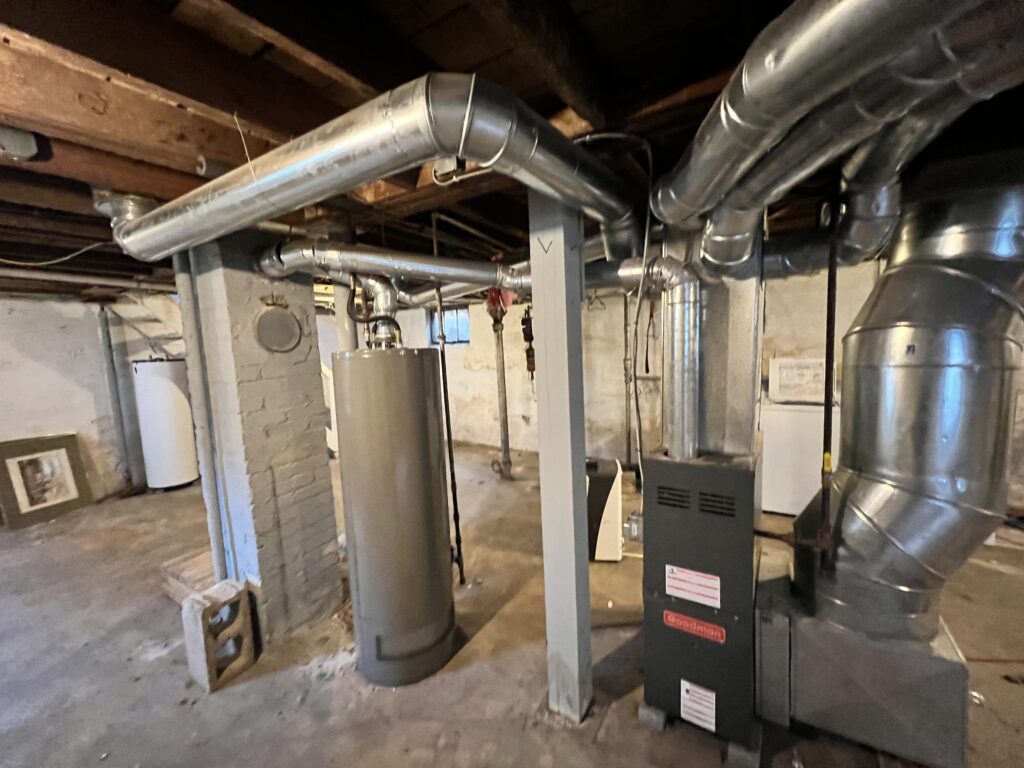
The majority of HVAC issues in Ohio do not qualify for insurance payouts. This is usually due to three main factors:
1. Normal Wear and Tear
Everything has a lifespan. In Ohio, the average central AC unit lasts 12–15 years, while a gas furnace may last 20. If a component fails because of age, corrosion, or simple “old age,” insurance will deny the claim.
2. Mechanical or Electrical Breakdown
If your AC compressor simply seizes up on a hot Tuesday afternoon, but there was no lightning, no fire, and no falling tree, insurance considers this a mechanical breakdown. Standard policies specifically exclude internal failures that aren’t caused by an external force.
3. Lack of Maintenance
Insurance companies expect homeowners to act as “responsible stewards” of their property. If a technician finds that your system failed because you haven’t changed the filters in three years or neglected to have the coils cleaned, the carrier may deny the claim based on “negligence” or “lack of maintenance.”
Comparison: Home Insurance vs. Home Warranties
Many Ohioans carry both, but they serve very different masters. Understanding the difference can save you a frustrating phone call during an emergency.
| Feature | Homeowners Insurance | Home Warranty |
| Primary Goal | Protects against disasters/accidents. | Protects against mechanical failure. |
| Cost to Homeowner | High Deductible ($500–$2,500). | Service Call Fee ($75–$125). |
| Covers Old Age? | No. | Often, yes (if maintained). |
| Covers Fire/Storms? | Yes. | No. |
| Mandatory? | Usually (by mortgage lenders). | Optional. |
Pro-Tip: The “Equipment Breakdown” Endorsement
If you want better protection for your HVAC, ask your agent about Equipment Breakdown Coverage.
This is an optional add-on (endorsement) that many Ohio carriers now offer for a very low annual premium (often $25–$50 per year). Unlike a standard policy, this endorsement does cover mechanical and electrical failures. If your HVAC motor burns out or a pressure vessel cracks, this coverage can kick in with a much lower deductible (often $500) than your main home deductible.
Ohio-Specific Considerations
- The “Freeze-Thaw” Cycle: Ohio’s rapid temperature swings can cause units to work overtime. While the weather itself isn’t a “peril,” the damage caused by a resulting pipe burst is.
- The Deductible Math: Before filing a claim for a $1,200 HVAC repair, check your deductible. If your deductible is $1,000, you are only getting $200 from the insurance company, but you are potentially increasing your premiums for the next three to five years. We generally advise only filing a claim if the damage significantly exceeds your deductible.
Final Thoughts: Protecting Your Investment
Your HVAC system is one of the most expensive components of your Ohio home. To ensure you aren’t left in the cold (or the heat):
- Keep Records: Save every receipt for annual tune-ups.
- Install Surge Protectors: Protect your sensitive HVAC electronics from Ohio’s summer storms.
- Review Your Policy Yearly: Make sure you have the right endorsements for your system’s age.
Get a Policy Review with Ingram Insurance
Unsure if your current policy would leave you sweating in July? At Ingram Insurance, we specialize in helping Ohio homeowners find the right balance of coverage and value. We can review your current limits and see if an Equipment Breakdown endorsement is right for you.
Concerned About Paying for HVAC Repairs or Replacement?
If your main concern is avoiding large out-of-pocket costs when an HVAC system breaks down, a home warranty may be worth considering. Homeowners insurance and home warranties serve very different purposes. Insurance is designed to protect against sudden, accidental damage caused by covered events, while home warranties are focused on mechanical failures and system breakdowns.
For many Ohio homeowners, especially those with older furnaces or air conditioning systems, a home warranty can provide peace of mind by helping cover repair or replacement costs that insurance typically will not.
How Home Warranties Can Help with HVAC Systems
Home warranties often cover major HVAC components such as furnaces, air conditioners, heat pumps, and related systems, subject to plan terms, service fees, and coverage limits. While they are not a substitute for homeowners insurance, they can be a practical option if you’re concerned about the financial impact of a system failure due to normal wear and tear.
Coverage varies by provider, so it’s important to review what is included, what is excluded, and any caps on repairs or replacements.
HomeServe as an Option to Consider
One company many homeowners look into is HomeServe. HomeServe offers home repair and protection plans that can help cover the cost of repairing or replacing essential home systems, including heating and cooling equipment. Their plans are designed to address common mechanical failures rather than catastrophic losses.
HomeServe operates separately from homeowners insurance and allows homeowners to review coverage options based on their specific needs and budget.
If you’re interested in learning more about home warranty-style protection for HVAC systems, you can review HomeServe’s plans and pricing directly on their website:
As with any service contract or protection plan, homeowners should carefully review coverage details, exclusions, service fees, and limits before enrolling to ensure the plan fits their expectations.
Contact Us Today:
- Address: 733 Salem Ave, Dayton, OH
- Phone: (937) 741-5100
- Email: contact@insuredbyingram.com
- Website: www.insuredbyingram.com