Electric Vehicles and Insurance in Ohio: What Owners Should Expect
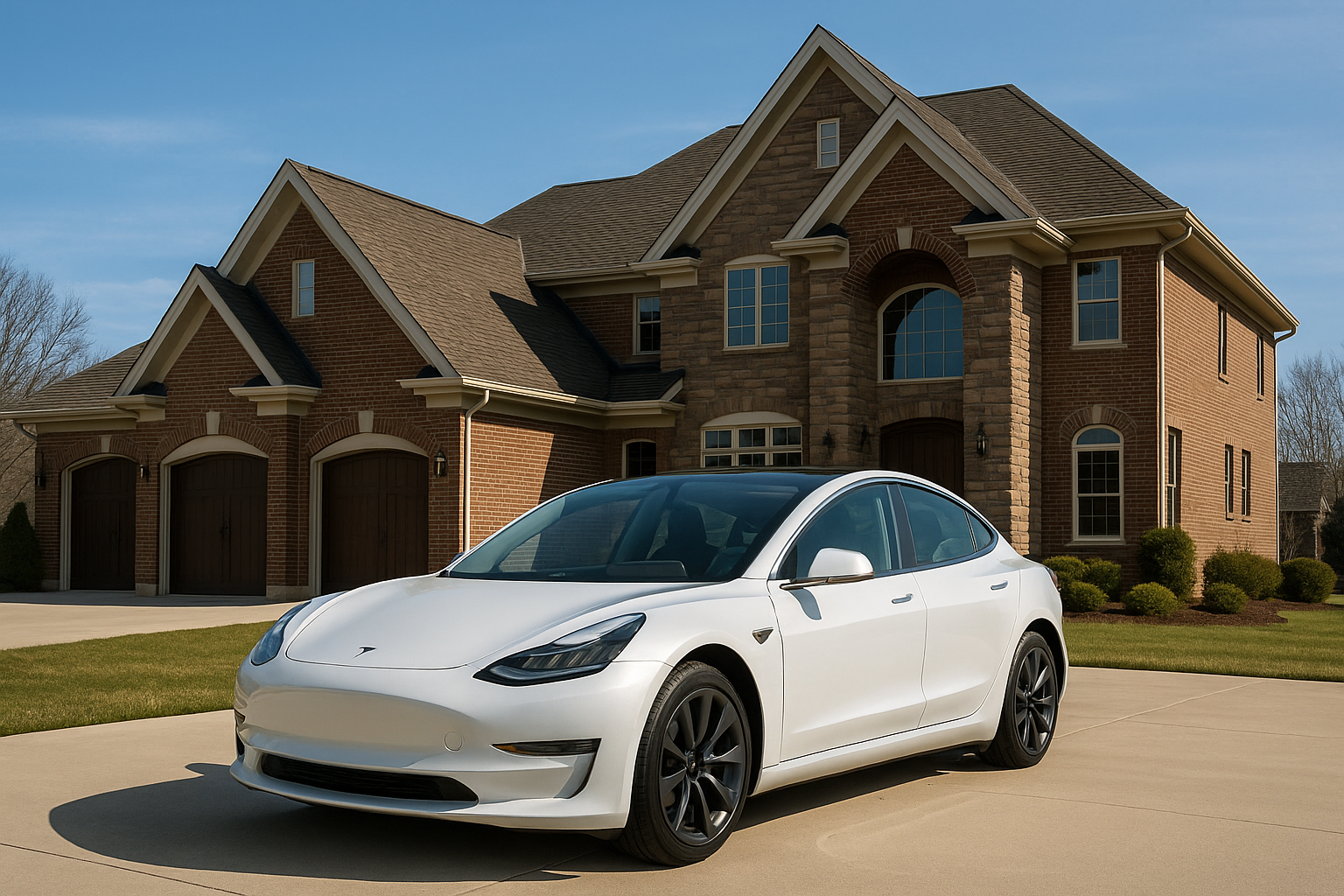
Electric vehicles are becoming increasingly common throughout Ohio, with noticeable growth in Dayton, Kettering, and Centerville as more residents prioritize efficiency, long-term savings, and environmental performance. As adoption rises, many drivers find that EV ownership introduces insurance considerations that differ substantially from traditional gas-powered vehicles. Understanding these differences is essential for any Ohio motorist preparing to insure a battery-powered car, particularly in regions where winter weather, traffic patterns, and repair networks can influence premiums. This article provides a detailed, Ohio-focused examination of the factors shaping EV insurance, offering clarity for drivers who want to make informed decisions about protection, maintenance, and long-term ownership stability.
The Changing Landscape of Electric Vehicle Insurance in Ohio
Ohio’s insurance market has evolved significantly as electric vehicles become more mainstream, yet the shift has not been uniform throughout the state. In places like Dayton’s downtown corridor, Centerville’s suburban neighborhoods, and Kettering’s busy commuter routes, insurers are encountering new variables that affect how EV risk is assessed. Electric vehicles introduce higher technological complexity and different repair dynamics than gasoline-powered models, creating underwriting challenges. Many carriers rely on extensive claims data, and because EVs are still growing in market share, this data remains more limited than the decades of historical information available for gas vehicles. As Ohio’s EV population expands, insurers continue to refine their models, but for now, the newness of the technology often results in higher premiums.
Repair Cost Realities and the Structural Complexity of EVs
Repair costs remain one of the most influential factors driving EV insurance rates across Ohio. Unlike gas vehicles that can often be repaired by a wide range of shops from Dayton to Springboro, electric vehicles require highly specialized technicians who are trained to work with high-voltage systems. The labor shortage in this skilled niche is particularly visible in Montgomery County, where few shops currently have the necessary equipment and expertise to handle battery diagnostics, electrical component troubleshooting, and EV-specific safety protocols. Because the pool of qualified repair centers is limited, claim costs rise, and insurers adjust premiums to reflect those elevated costs.
In addition to labor shortages, replacement parts for EVs often carry steep price tags due to the precision engineering behind electric drivetrains. Even minor collisions may involve intricate sensor arrays, advanced driver-assistance systems, and composite body components that are more expensive to manufacture. These realities affect Ohio drivers who may expect a straightforward repair but discover that a relatively minor incident requires specialized recalibration or technology-focused intervention, significantly extending the claim timeline. As a result, insurers carefully factor these repair complexities into their pricing for policyholders throughout Dayton and other Ohio communities.
Battery Replacement Issues and Their Influence on Insurance Rates
Battery-related concerns form another central component of EV insurance calculations in Ohio. The battery pack is the single most expensive part of an electric vehicle, and insurers know that even partial damage may require full replacement. For example, in Montgomery County and surrounding areas, collision shops report that coolant leaks affecting battery housing, impacts to undercarriage structures, or flooding incidents from local storms may render batteries irreparable. Because a replacement can cost tens of thousands of dollars, insurers often categorize moderate battery damage as a total-loss event. This pattern directly increases the cost of comprehensive and collision coverage for Ohio EV owners, who assume more financial exposure for the vehicle’s most valuable component.
Charging Infrastructure and Its Insurance Implications Across Ohio
Ohio’s charging infrastructure is expanding steadily, with more public stations appearing along I-75, downtown Dayton, and suburban locations such as Centerville’s shopping districts. Yet the availability of charging stations continues to influence risk assessments. Drivers in neighborhoods with limited charging options may rely heavily on home charging, which increases the importance of safe installation and proper electrical load management. Insurers understand that faulty wiring or outdated electrical panels create potential fire risks, especially in older Dayton-area homes built long before EV ownership became common. As a result, underwriters may ask detailed questions about charging habits, equipment installation, and electrical upgrades when evaluating risks for new policyholders.
Liability Considerations Unique to EV Ownership
Liability coverage for EVs follows the same structural rules as traditional auto policies, but the circumstances that lead to liability claims can differ. The rapid acceleration of many EV models means that drivers unfamiliar with instant torque may be more susceptible to at-fault incidents, particularly in congested areas like Kettering’s retail corridors or Dayton’s busy traffic circles. Additionally, because EVs are heavier than many comparable gas vehicles, the impact forces in collisions can be greater, potentially leading to higher property damage claims. Ohio insurers account for these factors when setting liability rates, ensuring that premiums reflect the specific dynamics of EV operation.
Ohio Weather Patterns and Their Effect on EV Claims
Ohio’s winter climate plays a significant role in shaping EV insurance considerations. In Montgomery County, the combination of freezing temperatures, snow accumulation, and road salt exposure contributes to unique stressors on electric vehicles. Battery performance can decline in colder months, increasing the likelihood of roadside assistance claims. Additionally, icy road conditions in Dayton and Centerville routinely contribute to collision frequency, and the weight distribution of EVs may influence how they respond to skid conditions. Insurers integrate this regional weather data into their underwriting models, recognizing that EVs, despite their technological strengths, may face additional environmental challenges alongside traditional winter driving risks.
Total Loss Trends and Ohio Carrier Responses
Total loss frequency remains higher for EVs compared to many gas-powered vehicles, largely due to repair complexity and battery replacement costs. In Ohio, this trend is particularly evident in urban areas where crash frequencies are statistically higher. A seemingly moderate collision in downtown Dayton may compromise battery housing, high-voltage cabling, or integrated sensor systems, making repair financially impractical. Insurers often prefer to declare a total loss rather than authorize extensive repairs that may approach or exceed the vehicle’s value. As this trend becomes more pronounced in Ohio, policyholders should expect that carriers will continue to adjust premiums for both comprehensive and collision coverage to align with real-world claim outcomes.
Ohio Regulatory and Market Conditions Affecting EV Insurance
Ohio operates a competitive insurance marketplace, which generally keeps premiums balanced, but EVs exist at the intersection of technology regulation, consumer behavior, and carrier risk management. The Ohio Department of Insurance continues to evaluate how EV adoption affects market stability and consumer protection. At the same time, carriers must comply with evolving state guidelines while adapting to new technologies that require highly technical underwriting frameworks. As Ohio’s charging infrastructure expands and more EV-specific data becomes available, regulators and insurers will gradually refine the rules and pricing models governing these vehicles. For residents of Dayton and the surrounding suburbs, these developments will influence long-term cost projections and the range of available policy options.
How EV Premiums Differ from Gas Vehicles in Dayton and Montgomery County
EV premiums in Dayton and throughout Montgomery County often exceed those of gas-powered vehicles for several reasons. The cost gap reflects the higher valuation of EV components, the limited repair network, and the increased probability of total-loss settlements. For example, a driver in Kettering may find that a comparable gas-powered sedan carries substantially lower collision premiums due to more accessible parts, more repair shops equipped for service, and lower expected repair costs. Meanwhile, an EV of similar size may carry higher premiums even for drivers with clean records, simply because insurers expect higher claim severity. These differences are particularly noticeable for newer EV owners who may be unfamiliar with the underlying cost structures that shape premium calculations.
Home-Charging Equipment, Electrical Upgrades, and Homeowners Insurance Considerations
The installation of a home charging station introduces important homeowners insurance considerations for Ohio residents. In Dayton’s older neighborhoods, many homes built before the 1980s may require electrical panel upgrades to safely support a Level 2 charger. Upgrading outdated wiring, adding dedicated circuits, and ensuring proper surge protection all reduce fire risk and improve long-term system stability. Insurers may request verification that installations were performed by licensed electricians, as improper wiring creates significant hazards. Homeowners throughout Centerville and Kettering have increasingly found that proactively upgrading their electrical systems not only supports EV ownership but also reduces potential liability and claim exposure associated with home charging. These factors highlight the interconnected nature of auto and homeowners insurance when EV ownership is involved.
Interior Restoration and Garage Repairs After EV-Related Incidents
Some EV-related incidents extend beyond vehicle damage and affect the home structure itself. Electrical malfunctions, charger failures, or thermal runaway events—though rare—can lead to smoke damage, garage wall repairs, or interior restoration needs. In these cases, homeowners may need specialized services to restore their property. Residents in Dayton and Montgomery County often turn to local contractors who understand both modern building standards and the specific materials required for proper structural recovery. One such provider is Color & Style Dayton, a regional expert in cabinetry, flooring, and interior finishing. Their services come into play when EV-related incidents result in residential damage that requires precise craftsmanship and restoration expertise.

Homeowners navigating insurance claims related to EV-associated damage benefit from working with restoration specialists who can address underlying structural issues while ensuring that the finished result aligns with the home’s design and functional needs. For residents in Dayton, Kettering, and Centerville, having access to a reputable restoration partner provides peace of mind when managing complex claims that involve both the vehicle and the home.
Why Ohio EV Owners Should Review Their Coverage Regularly
As the electric vehicle market continues to evolve, Ohio owners should review their insurance coverage at least once per year. Shifts in repair costs, technological advancements, regulatory changes, and updated carrier models all influence premium structures. EV owners in Dayton and the surrounding suburbs benefit from conducting routine policy evaluations to ensure that their coverage reflects their actual usage, risk profile, and vehicle value. Regular reviews help identify opportunities for improved protection, premium optimization, and alignment with new industry standards as EV adoption increases across the state.
Ingram Insurance – Dayton’s Trusted Independent Agency
Ingram Insurance is committed to helping Ohio residents navigate the increasingly complex world of electric vehicle insurance. As Dayton’s trusted independent agency, we provide customized guidance, carrier comparisons, and tailored policy structures designed to match each client’s unique needs. Our team understands the nuances of EV ownership within Ohio’s regulatory and environmental landscape, ensuring that drivers remain protected no matter what changes unfold in the industry.
Related: If you’re dealing with a license suspension or need high-risk coverage, read our full Ohio SR-22 Insurance Guide for costs, requirements, and step-by-step reinstatement help.
Ingram Insurance – Dayton’s Trusted Independent Agency
Address: 733 Salem Ave, Dayton, OH
Phone: (937) 741-5100
Website: https://www.insuredbyingram.com
Email: contact@insuredbyingram.com