Flat Tires in Dayton: The City’s Alley System, and What Your Auto Insurance Really Covers
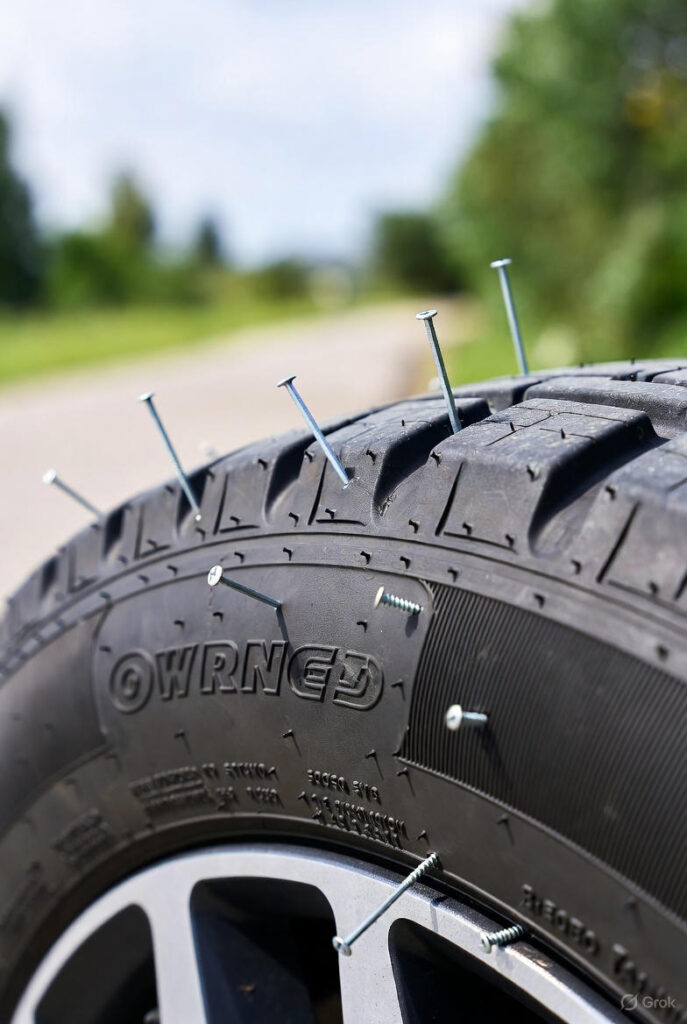
Flat tires in Dayton…I was late to work this morning, and—not surprisingly—it was thanks to yet another flat tire “gifted” by a Dayton alley. If you live in the city, you know exactly what I’m talking about. Our alleys are rough, unmaintained, filled with debris, and often littered with dumped trash or construction scraps. After dealing with yet another shredded sidewall before sunrise, I decided to sit down and write the most candid, experience-driven guide possible on Dayton’s alley problem, the flat tire epidemic, and what auto insurance actually covers (and doesn’t cover) when this happens. If you’ve had multiple flats this year, you’re far from alone.
The Harsh Reality of Dayton’s Alley System
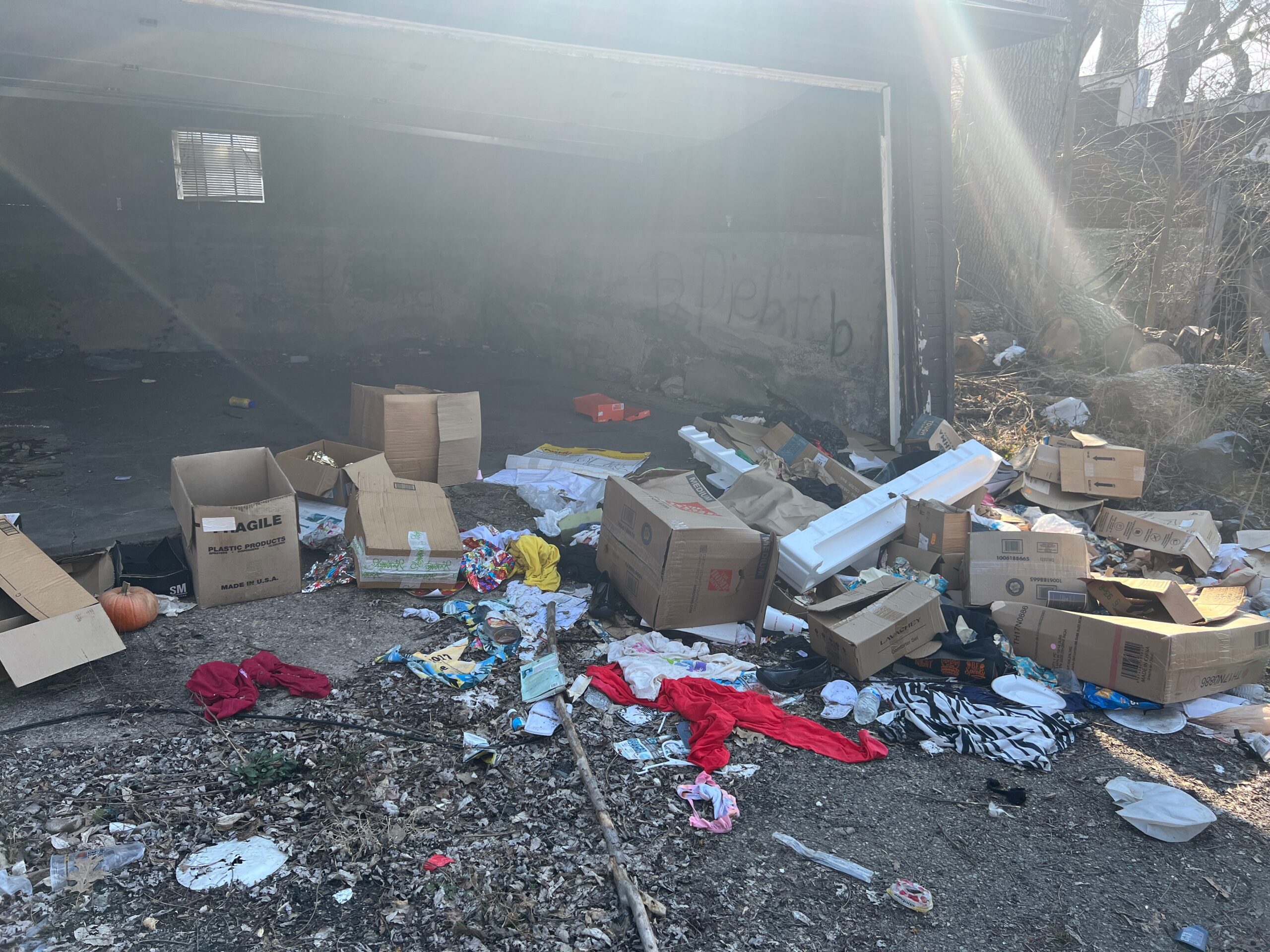
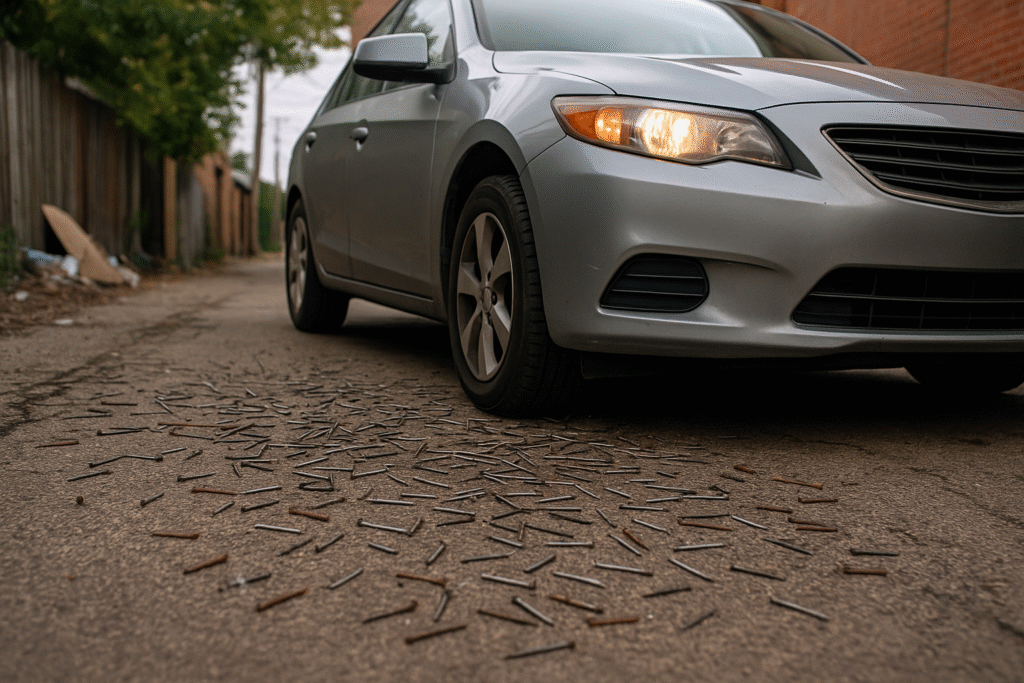
Dayton’s alleys were originally designed for coal delivery, rear-entry garages, and early trash pickup—never for modern cars with low-profile tires or sensitive suspension. A century later, these alleys are deteriorated, rutted, and filled with hazards that chew through tires like clockwork. Nails, screws, broken glass, metal scraps, concrete chunks, exposed rebar, tree roots, and random debris piles are everywhere.
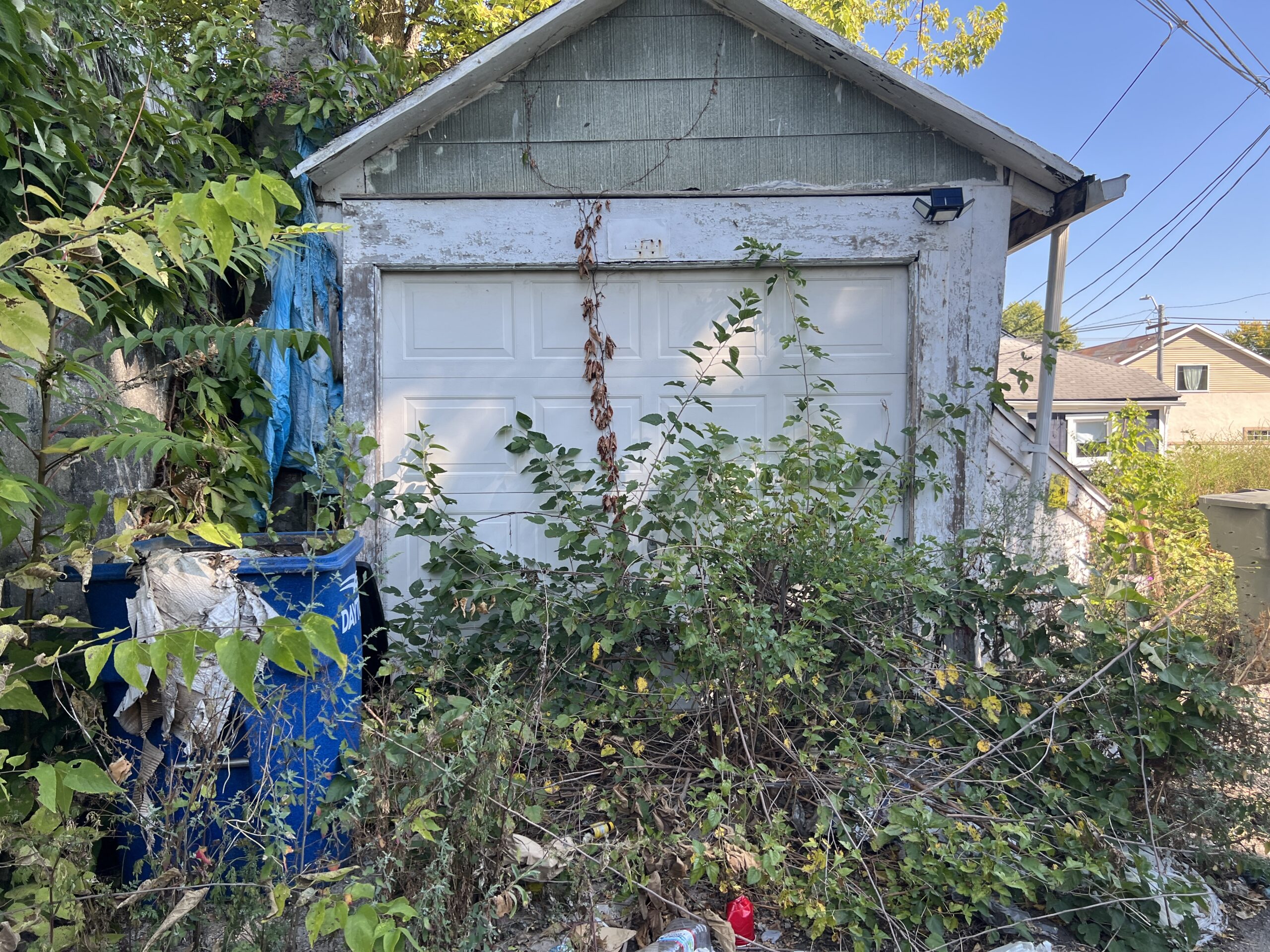
This isn’t an exaggeration: I personally know Dayton residents who have had six or more flat tires this year alone—and that number is becoming disturbingly normal. Much of this stems from the city’s broader waste-management challenges, something we’ve explored in more detail in our article on Dayton’s trash problem and the hope for renewal. Illegal dumping, overloaded bins, and inconsistent cleanup efforts fuel a cycle that makes everyday driving hazardous.
At the same time, areas of West Dayton are beginning to see the upside of community-driven investment through collaborative projects like the Gem City Market cooperative, which shows how neighborhood-led renewal can improve shared infrastructure—including alleys—over time. But the reality today is still harsh: if you drive alleys, you are putting your tires at risk.
ZIP Codes Where Alley-Related Flat Tires in Dayton Are Most Common
Some areas experience far higher debris levels than others. These five ZIP codes are notorious for alley tire damage:
- 45410 – Belmont & Linden Heights, especially behind the denser rental corridors
- 45405 – Five Oaks & Philadelphia Woods, where alley dumping is widespread
- 45406 – Dayton View & Dayton View Triangle, a mix of historic homes and rough alleys
- 45417 – West Dayton’s most heavily used alley network, often suffering from chronic waste issues
- 45402 – Downtown-adjacent alleys, Wright-Dunbar, and older urban grid sections
Whether it’s a nail from a nearby rehab project, a piece of metal from a demolished fence, or glass from a dumped TV, each of these ZIP codes sees unusually high flat-tire frequencies.
What Auto Insurance Covers (and Doesn’t Cover) for Flat Tires
Now let’s get into the part most Dayton drivers actually want to understand—when insurance pays for a flat tire and when it doesn’t. After years of helping clients navigate this, here’s the clean breakdown:
Collision Coverage – The Most Likely to Apply
Collision coverage may pay when your flat tire comes from:
- Hitting a pothole deep enough to bend a rim or shred a sidewall
- Striking exposed concrete, rebar, roots, or large debris
- Sudden impact that damages more than just the tire
These events are considered “collisions” with an object—even if it’s the ground.
Comprehensive Coverage – Less Common, but Possible
Comprehensive may apply when tire damage comes from:
- Vandalism (slashed or intentionally punctured tires)
- Objects falling onto your parked vehicle
- Fire, flood, or other non-collision disasters
But everyday alley debris—nails, screws, broken glass—is typically not covered under comprehensive.
Roadside Assistance – Helpful, but Limited
Roadside assistance caRoadside assistance is one of the most misunderstood auto insurance add-ons. In Dayton—especially in neighborhoods where alleys are the primary way to reach a garage or parking pad—it can feel like a lifesaver in the moment. But it’s crucial to understand what it actually does and does not cover.
Roadside assistance is a convenience benefit, not a repair benefit. It keeps you from being stranded, but it does not pay to fix or replace anything on your vehicle.
Here’s what roadside assistance will do when your tire gets taken out by an alley:
- Change your flat tire (assuming you have a usable spare, which most Dayton drivers don’t after a few alley blowouts)
- Inflate a low tire if it still holds air long enough to move
- Tow your vehicle out of an alley that’s too tight or dangerous to drive through on a flat
- Provide a short-distance tow to a tire shop or your home
- Deliver emergency air or patch support for very minor punctures
But here’s the key point: roadside assistance will not pay for a new tire, a rim, or any actual repairs. Not even partially. Whether your tire is shredded by a spike of rebar sticking out of a broken alley slab, or flattened by a screw from a nearby rehab project, roadside stops the bleeding—but it doesn’t fix the wound.
In Dayton, roadside assistance is valuable because it keeps you from being stuck in a narrow, debris-filled alley with no safe place to pull off. But financially, it covers zero of the actual damage.
Tire & Wheel Protection – The Real MVP for Dayton Drivers
If you drive through alleys in ZIP codes like 45410, 45405, 45406, 45417, or 45402, there is one add-on that consistently pays for itself: tire and wheel protection plans. These are not auto insurance—they are warranty-style programs offered by dealerships, tire shops, credit unions, or specialty providers.
Unlike insurance, these plans are designed specifically for the types of hazards Dayton drivers face daily.
Most tire and wheel protection plans include:
- Unlimited flat tire repairs — nails, screws, glass, metal shards, you name it
- Rim repair or replacement when a pothole or concrete edge bends or cracks your wheel
- Road hazard coverage for debris, alley conditions, and urban driving damage
- Towing reimbursement if damage makes the vehicle undriveable
- Replacement of multiple tires if one impact destroys more than one
- Coverage for both OEM and aftermarket wheels
- Access to a nationwide repair network so you aren’t limited to one specific tire shop
For many Dayton residents, a single year of alley driving results in:
- 2–6 flat repairs
- 1–2 complete tire replacements
- At least one rim repair or replacement
That can easily total $400–$1,200 per year in out-of-pocket costs—sometimes more for higher-end vehicles. Meanwhile, most tire and wheel protection plans cost $8–$20 per month or a flat $300–$600 for 3–5 years. In Dayton’s driving environment, that is often a financial no-brainer.
Simply put: Every Dayton driver who regularly uses alleys should strongly consider this protection. It covers exactly what auto insurance refuses to pay for.
When Insurance Will Not Cover Your Flat Tire
This is the part many drivers don’t want to hear—but need to understand. Auto insurance companies do not cover tire repairs or replacements for everyday damage or slow wear. Unless there is a sudden, definable “impact event,” tire costs are almost always on you.
Insurance excludes tire damage caused by:
- Normal wear and tear — even if the alley makes it accelerate dramatically
- Dry rot from age or sun exposure
- Slow leaks from nails, pins, screws, or glass
- Repeated punctures without a single clear cause
- Improper inflation (over or underinflated tires fail more easily)
- Driving on worn-out or bald tires — even if the alley finally kills them
Here’s the uncomfortable truth: most alley-related flats are considered “road hazards” and therefore fall under maintenance, not insurable loss. Insurance companies treat nails, screws, broken glass, and small metal debris as part of “normal driving risks.”
Even pothole-related blowouts are not always covered unless the impact was severe enough to damage a rim or suspension component. A tire alone rarely meets the threshold for an insurance claim.
Understanding these exclusions is critical for Dayton drivers. If your daily route includes alleys, you must assume tire repairs are your expense unless you have a road hazard protection plan.ad hazard” category, meaning they’re viewed as a normal driving risk—not an insurable loss.
So Should You File a Claim?
Here’s my simple guidance from years of helping Dayton drivers decide:
Do NOT file a claim for a simple flat tire replacement. It won’t exceed your deductible.
But DO consider a claim if you have:
- A bent or cracked rim
- Suspension or steering damage
- Multiple components damaged from one impact
In these cases, the overall repair cost often makes a collision claim worthwhile.
Why Local Knowledge Matters
Insurance isn’t the same in every city. Driving in Dayton—with its alleys, road conditions, and debris-heavy corridors—requires a different strategy than driving in the suburbs. My flat tire this morning was just another reminder that if you live in ZIPs 45410, 45405, 45406, 45417, or 45402, your auto insurance should be tailored around real daily risks—not generic assumptions.
If you’re looking for a place to get your tires patched, check out the business listings at the Dayton Report.
Let’s Keep Your Car Protected
If you’re tired of flat tires (pun fully intended), or if you want to make sure your coverage will actually help when the alley takes another bite out of your wheels, I’d be glad to review your current policy and help you structure something that truly fits Dayton driving.
Ingram Insurance
Dayton, Ohio
(937) 741-5100
www.insuredbyingram.com
contact@insuredbyingram.com