Handling Claims on Rental Properties in Princeton Heights, Dayton
Owning rental property in Princeton Heights, Dayton, Ohio, presents a distinctive mix of community appeal and investment potential. Yet, the neighborhood’s specific characteristics—ranging from its mid-century brick construction and mature tree canopy to aging infrastructure—introduce complexities into the insurance landscape for landlords. A thorough comprehension of how landlord and rental insurance operates within this local context is vital for adequately protecting your investment and effectively mitigating risk. This article offers an in-depth exploration of insurance claims related to rental properties in Princeton Heights, examining how the neighborhood’s housing stock, environmental elements, and tenant lifestyle influence insurance risk assessment and claims management. Whether you are a novice landlord or an experienced property manager, this comprehensive guide aims to empower you to make informed coverage decisions and navigate claims processes with confidence and precision.
Meet Princeton Heights, Dayton Ohio
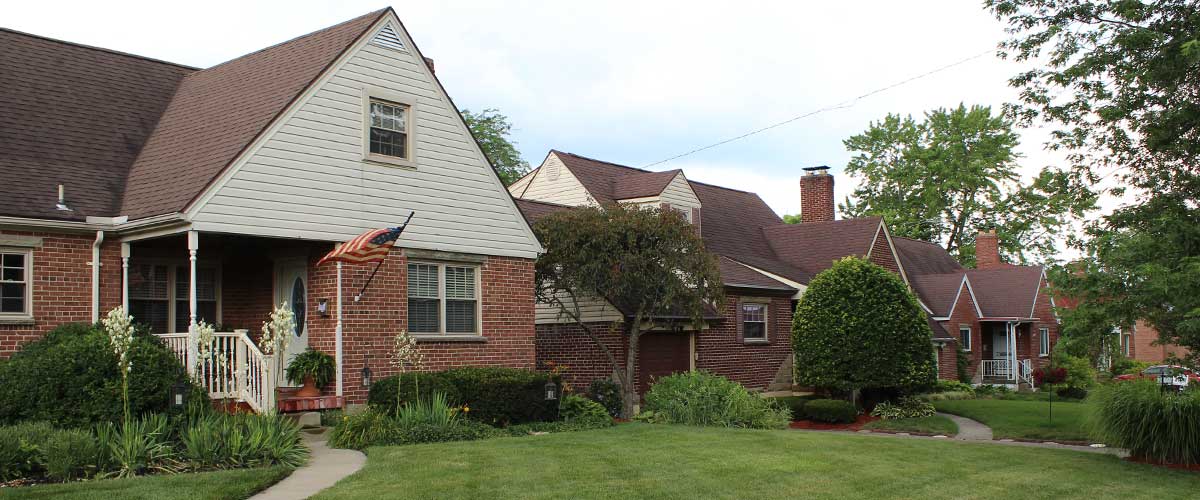
Princeton Heights is a well-established residential neighborhood in Dayton defined by its early-to-mid-20th century homes, primarily constructed between the 1950s and 1970s. Residents benefit from a tranquil, family-friendly environment characterized by tree-lined streets and a diverse mix of brick and wood-frame houses. The typical property includes detached garages set on expansive, deep lots that provide both privacy and functional outdoor space. Situated adjacent to other established neighborhoods such as Pineview and Stoney Ridge, Princeton Heights exudes a cohesive community atmosphere.
The age and construction style of the housing stock play a significant role in shaping the insurance considerations landlords face. Brick facades offer a durable and aesthetically pleasing exterior but can obscure underlying challenges such as mortar deterioration or foundation settling that may not be immediately visible. The moderate but mature tree coverage enhances neighborhood appeal while simultaneously increasing exposure to storm-related and landscaping hazards. Longstanding pride of ownership contributes to stable occupancy rates; however, the aging plumbing, electrical systems, and roofing common in many Princeton Heights homes necessitate ongoing vigilance in maintenance and risk management.
For a more detailed analysis of the neighborhood’s housing characteristics and associated insurance factors, please refer to our full Princeton Heights insurance guide.
How the Built Environment in Princeton Heights Shapes Insurance Risk
The physical environment of Princeton Heights—including its housing stock, street layouts, and property configurations—directly influences the nature and frequency of insurance claims landlords may encounter. Many homes in the area retain original or partially updated systems that, while constructed with durability in mind, now exhibit vulnerabilities typical of aging properties.
Roofing and Exterior Risks: Roofs in Princeton Heights frequently date back several decades or have been replaced using materials consistent with the period of construction. The combination of roof age and exposure to moderate storm activity in the Dayton region contributes to claims related to wind damage, hail impact, and water infiltration. Although brick exteriors generally provide resilient protection, over time they may develop cracks or efflorescence, leading to moisture penetration and potential structural issues that require attentive inspection and repair.
Plumbing and Electrical Systems: The prevalence of original plumbing and wiring systems elevates the risk of water-related damage and electrical hazards. Aging pipes are susceptible to leaks or bursts, which can result in significant water damage and mold development. Electrical wiring that has not been updated to meet modern safety codes increases the risk of electrical fires, a key consideration during underwriting and claims evaluation for landlord insurance.
Landscaping and Trees: Mature trees contribute substantially to the neighborhood’s aesthetic but also pose risks, particularly during severe weather. Falling limbs or uprooted trees can inflict damage on roofs, siding, fences, and detached structures such as garages. Furthermore, these hazards can lead to liability claims if injuries occur to tenants or visitors as a result of neglected or hazardous trees.
Detached Garages and Lot Layout: The detached garages common in Princeton Heights add rental amenity value but also represent additional exposures requiring insurance coverage. These structures may be more vulnerable to break-ins, vandalism, or weather-related damage, influencing both claim frequency and insurance policy terms.
Comprehending the interplay among these environmental and structural factors is essential for anticipating the types of claims most likely to occur and selecting coverage that adequately addresses those risks. These insights also inform proactive maintenance and risk mitigation strategies that can reduce claim likelihood and help preserve property value over time.
Key Insurance Risks for Landlord & Rental Insurance in Princeton Heights
Landlords in Princeton Heights encounter a distinct spectrum of insurance risks influenced by the neighborhood’s housing characteristics, environmental conditions, and tenant profiles. A nuanced understanding of these risks enables landlords to tailor their landlord and rental insurance policies effectively, ensuring comprehensive coverage while avoiding costly gaps.
Fire and Smoke Damage: The presence of older electrical systems and aging heating equipment increases the potential for fire hazards in mid-century homes. Tenant activities—including cooking and the use of portable heating devices—can further elevate these risks. Landlord insurance policies must not only cover the physical damage to the structure but also provide liability protection should tenant negligence result in fire damage extending to adjacent properties.
Water Damage and Plumbing Failures: Water damage represents one of the most prevalent and expensive claims for rental properties in Princeton Heights. Deteriorating pipes may leak or rupture, causing extensive harm to floors, walls, ceilings, and creating environments conducive to mold growth. Coverage for sudden and accidental water damage is essential; however, most policies exclude damage stemming from gradual wear or maintenance neglect, underscoring the critical importance of diligent property upkeep. Learn more about water damage vs flooding and how to protect your property.
Liability from Premises Hazards: Architectural features common in Princeton Heights—such as stairs, porches, and uneven walkways—pose slip-and-fall and trip hazards. Landlords bear a legal responsibility to maintain safe premises, and failure to do so can result in liability claims. Insurance coverage protects against claims arising from injuries to tenants or visitors caused by property conditions.
Loss of Rental Income: When a covered peril renders a rental unit uninhabitable, landlords face the financial challenge of lost rental income. Landlord insurance policies frequently include loss of rents coverage, which reimburses landlords for rental income lost during repair or rebuilding periods. This coverage is particularly vital in Princeton Heights, where stable occupancy is common and rental income constitutes a critical component of landlords’ financial planning.
Theft and Vandalism: Although Princeton Heights is generally regarded as a safe, family-oriented neighborhood, risks of theft and vandalism persist, especially concerning detached garages and accessory structures. Landlord insurance policies can provide protection against losses and damages caused by these perils, offering landlords reassurance against such exposures.
Addressing each of these risks requires a careful review of policy provisions, often necessitating endorsements or specialized coverages to ensure comprehensive protection. The following section elaborates on the mechanics of landlord and rental insurance in Ohio, emphasizing the particular requirements and nuances relevant to Princeton Heights.
How Landlord & Rental Insurance Works in Ohio (And What’s Different in Princeton Heights)
Landlord and rental insurance differs fundamentally from homeowners insurance in that it is designed specifically to protect properties generating rental income and to shield landlords from liabilities associated with renting. Unlike homeowners insurance—which covers owner-occupied dwellings—landlord policies focus on the unique exposures of investment properties.
Typically, landlord insurance policies encompass several core coverages. Property coverage protects the physical building, including walls, roofs, appliances, and often detached structures such as garages. In Princeton Heights, this entails addressing vulnerabilities associated with mid-century construction materials and features, including detached garages. Liability coverage provides financial protection against legal expenses and settlements arising from injuries sustained by tenants or visitors due to property hazards. Given the neighborhood’s older stairs, porches, and walkways, liability exposure is both tangible and substantial. Loss of rental income coverage reimburses landlords for rent lost when a property becomes uninhabitable due to covered perils like fire or storm damage. Optional coverages may include protection against water backup, equipment breakdown, or tenant-caused damage.
It is important to note that landlord insurance generally does not extend to tenants’ personal belongings; tenants are responsible for insuring their possessions via renter’s insurance. Additionally, many landlord policies exclude coverage for losses attributable to tenant negligence—such as accidental fires caused by tenant behavior—unless specific endorsements are added. This distinction is particularly relevant in Princeton Heights, where tenant demographics often include families and professionals seeking long-term rentals with stable occupancy. For more on renters insurance benefits, see Why Every Dayton Renter Needs Insurance.
Ohio insurers and agents factor in local building codes and regulatory requirements, which can influence claims and rebuilding costs. Princeton Heights’ older homes may be subject to updated building codes requiring costly repairs or upgrades following damage. Ordinance or law coverage endorsements can safeguard landlords from these additional expenses.
Given these local considerations, engaging with an independent insurance agency experienced in Princeton Heights is invaluable. Such agencies can navigate insurer differences, coverage subtleties, and regulatory nuances to develop policies that align closely with the realities of your rental property.
Coverage Decisions Princeton Heights Residents Can’t Afford to Get Wrong
Choosing Property Coverage Limits Based on Replacement Costs
One of the most critical insurance decisions for landlords involves selecting dwelling coverage limits that accurately reflect replacement costs. In Princeton Heights, mid-century homes with brick exteriors and aging mechanical systems often have replacement costs that exceed their market values. Replacement cost refers to the expense of rebuilding the structure with materials and workmanship of similar quality, while market value reflects current sale prices, which may be suppressed due to market conditions. For insight into this topic, see Ohio’s Housing Dilemma.
For instance, a rental home in Princeton Heights might have a market value of $150,000, yet the cost to replace it with comparable materials and craftsmanship could be closer to $200,000. Selecting coverage limits based solely on market value risks underinsurance, which can result in the insurer paying only a proportionate share of a total loss, leaving the landlord responsible for the deficit.
Therefore, landlords should obtain professional appraisals or conduct thorough research to determine appropriate replacement cost coverage levels. This careful calibration of coverage limits is instrumental in ensuring favorable claim outcomes and securing financial stability.
Incorporating Liability Coverage That Reflects Local Risks
Liability claims can impose severe financial burdens on landlords. In Princeton Heights, liability risks stem from property conditions—such as the presence of older stairs and uneven sidewalks—and injuries sustained by tenants or visitors. While standard landlord policies often provide liability limits starting at $100,000, prudent landlords may opt for higher limits, such as $300,000 or more, to better protect their personal assets.
Umbrella liability policies offer an additional layer of protection beyond the limits of primary landlord policies. These are particularly advisable for landlords managing multiple rental properties or possessing substantial personal assets, as they provide broader coverage against catastrophic claims.
Loss of Rental Income: Covering Cash Flow Gaps
Consistent rental income is a cornerstone of financial planning for landlords in Princeton Heights. Without loss of rents coverage, landlords remain obligated to meet mortgage payments, property taxes, and maintenance expenses even when a property is uninhabitable due to a covered loss. Loss of rental income coverage reimburses landlords for rent lost during repair periods, thereby stabilizing cash flow and reducing financial stress during recovery.
Water Damage and Sewer Backup Endorsements
Given the age of plumbing systems and the potential for sewer line issues in Princeton Heights, landlords should strongly consider endorsements for water backup and sump pump failure. Standard landlord policies often exclude damage caused by sewer or drain backups, yet such events can cause extensive and costly damage. Adding these endorsements offers cost-effective protection against these specific water-related perils. More information on this topic is available in What Dayton Homeowners Should Know About Sewer, Drain, and Water-Backup Coverage.
Deciding on Deductibles and Policy Structure
While higher deductibles can reduce premium costs, they increase the financial burden landlords face when filing claims. Landlords must carefully balance premium savings against their ability to cover out-of-pocket expenses. In Princeton Heights, deductibles for wind or hail damage might be higher due to regional storm exposure, making it essential to understand these specifics when budgeting and planning for potential claims.
Real-World Scenarios From Princeton Heights Streets and Homes
To illustrate how landlord insurance claims unfold in Princeton Heights, consider the following detailed case studies:
Scenario 1: The Burst Pipe and Mold Challenge
A landlord owns a brick-frame rental home built in the early 1960s. During an exceptionally cold winter, an aging copper pipe in the basement freezes and bursts overnight, flooding the lower level. Water infiltrates walls and flooring, resulting in significant damage and mold development.
The landlord’s insurance policy covers sudden water damage but excludes losses arising from gradual leaks. Because this was a sudden and accidental incident, the claim is approved. The insurer covers water extraction, mold remediation, and repairs totaling $25,000. Additionally, the landlord’s loss of rents coverage reimburses them for three months of lost rental income while the property undergoes repairs.
This scenario underscores the necessity of comprehensive water damage coverage, loss of rents protection, and proactive maintenance measures to prevent pipe freezing.
Scenario 2: Tenant Fire in an Older Electrical System
A tenant accidentally starts a kitchen fire while cooking, which spreads through the home’s aging electrical wiring before firefighters contain it. The fire results in substantial structural and smoke damage.
The landlord’s insurance policy pays for repairs to the building, including costs related to code upgrades mandated by Ohio building laws triggered during reconstruction. Liability coverage addresses any medical claims the tenant files related to smoke inhalation. Tenant belongings are not covered under the landlord’s policy; instead, the tenant’s renter’s insurance compensates for personal property losses.
This case highlights the critical importance of robust property and liability coverages that are tailored to the risks associated with older housing stock. This also highlights the importance of making sure your residents have proper renters insurance; so their policy will be responsible for the damages and liability.
Scenario 3: Falling Tree Limb Damage and Liability Claim
A severe storm causes a large limb from a mature tree to fall on a detached garage, damaging the structure and a tenant’s vehicle parked inside. The tenant sues the landlord, alleging negligence for failing to trim hazardous branches despite prior complaints.
The landlord’s property coverage pays for repairs to the garage, while liability coverage addresses the tenant’s lawsuit and any settlement. This case exemplifies the dual nature of property and liability risks associated with mature landscaping common in Princeton Heights.
Cost, Discounts, and Smart Ways to Control Premiums
Landlord insurance premiums in Princeton Heights reflect the neighborhood’s unique risk factors, housing characteristics, and claims history. Landlords can influence premiums positively through strategic choices and risk management initiatives.
Selecting a higher deductible generally lowers premium costs but requires financial readiness to cover larger claim expenses. Landlords should carefully assess their cash flow and risk tolerance before making deductible adjustments. Bundling landlord insurance with other policies—such as auto or homeowners insurance—through a local independent agent often yields multi-policy discounts. For more about how bundling can save money, see Why Every Dayton Renter Needs Insurance — and How Bundling Auto Can Save You Money.
Implementing loss prevention measures, including installing smoke detectors, conducting regular plumbing inspections, maintaining roofs, and trimming trees, demonstrates to insurers a commitment to risk mitigation, which can translate into premium savings. Managing claims history thoughtfully by avoiding small claims and documenting incidents meticulously helps prevent premium increases. Some landlords establish reserve funds to cover minor repairs without involving insurers.
Owners of multiple rental properties may qualify for portfolio discounts, reducing the average premium cost per unit. Collaborating with an agent knowledgeable about Princeton Heights’ market dynamics enables customized recommendations that balance coverage adequacy with affordability.
Nearby Neighborhoods and How They Compare
While these neighboring communities share elements of Dayton’s mid-century residential fabric, Princeton Heights stands apart due to its distinctive combination of brick homes, mature trees, and detached garages, which collectively shape a unique risk profile. Insurance requirements may vary slightly, especially as some adjacent areas incorporate newer developments or differ in occupancy patterns. Conducting comparative coverage analyses across these neighborhoods can be informative; however, Princeton Heights landlords derive the greatest benefit from guidance grounded in deep local experience and market familiarity.
When and How to Review Your Policy if You Live or Own Property in Princeton Heights
Regular review of insurance policies is imperative for landlords to ensure coverage remains adequate and responsive to evolving circumstances. Recommended instances for policy reassessment include:
- Annual Reviews: Conduct comprehensive policy evaluations annually with your agent to reassess coverage limits, deductibles, and endorsements.
- Following Renovations or System Upgrades: Significant improvements to roofing, plumbing, or electrical systems may reduce risk exposure and warrant premium recalculation.
- After Claims: Post-claim reviews help identify coverage gaps and adjust policies to address vulnerabilities revealed during claims processing.
- When Changing Tenants: Changes in tenant profiles or extended vacancy periods can affect liability risk and income projections, requiring coverage adjustments.
- In Response to Local Ordinance Changes: Stay informed about building codes and regulations enacted by Dayton and Montgomery County that may influence rebuilding costs and coverage needs.
When conducting reviews, use a checklist covering dwelling replacement cost adequacy, liability limits, loss of rent coverage, water damage endorsements, and deductible levels. Compare your current policy with market alternatives and consult your agent to clarify any uncertainties.
For further information regarding insurance in Princeton Heights, including updates on local risk factors and coverage trends, visit our Princeton Heights homeowners insurance overview.
Working With a Local Independent Agent Who Knows Princeton Heights
Collaborating with an independent insurance agent located in Dayton—and deeply familiar with Princeton Heights—is essential for landlords seeking customized coverage and attentive claims assistance. Local agents possess comprehensive knowledge of the neighborhood’s housing stock, prevalent risks, and insurer underwriting and claims practices. This expertise facilitates more accurate risk evaluation, competitive premium offerings, and efficient claims resolution.
Ingram Insurance, situated at 733 Salem Ave, Dayton, OH 45406, brings decades of experience serving landlords and homeowners in Princeton Heights. We provide personalized consultations to identify coverage gaps, recommend cost-effective endorsements, and guide clients through claims navigation. Our mission is to help you safeguard your rental investment while prudently managing costs and risks.
For an expert second opinion or a customized insurance quote tailored to your Princeton Heights rental property, please call (937) 741-5100, email contact@insuredbyingram.com, or visit https://www.insuredbyingram.com/ to begin.
Conclusion
Effectively handling insurance claims on rental properties in Princeton Heights demands a comprehensive understanding of the neighborhood’s distinctive housing attributes, environmental risks, and tenant dynamics. Mid-century homes with aging infrastructure, mature landscaping, and stable occupancy patterns present specific exposures that landlord and rental insurance must address thoroughly. Thoughtful decisions regarding coverage—ranging from replacement cost limits to liability protections and loss of rents coverage—are indispensable for safeguarding your investment and ensuring financial resilience.
By partnering with a knowledgeable local independent agent such as Ingram Insurance, landlords in Princeton Heights can confidently navigate the complexities of insurance claims. Neighborhood-specific insights and tailored policy advice ensure your coverage aligns with actual risks and evolving conditions, providing peace of mind as a property owner.
Ingram Insurance is proud to serve Dayton’s Princeton Heights community, assisting homeowners, landlords, drivers, and business owners alike. For a second opinion on your insurance coverage or to receive a fresh quote, call (937) 741-5100, email contact@insuredbyingram.com, or visit https://www.insuredbyingram.com/ today.
“