

Handyman Insurance: What Every Handyman Needs to Protect Their Business
Handyman Insurance: Handyman work sits in a unique gray area in the insurance world. You’re not a full-scale contractor, but you’re doing real, hands-on work that carries real risk. One accident, property damage claim, or customer dispute can quickly turn a profitable job into a financial problem. This guide explains what handyman insurance actually is, what it typically covers, what it doesn’t, and how to build the right protection as your business grows.
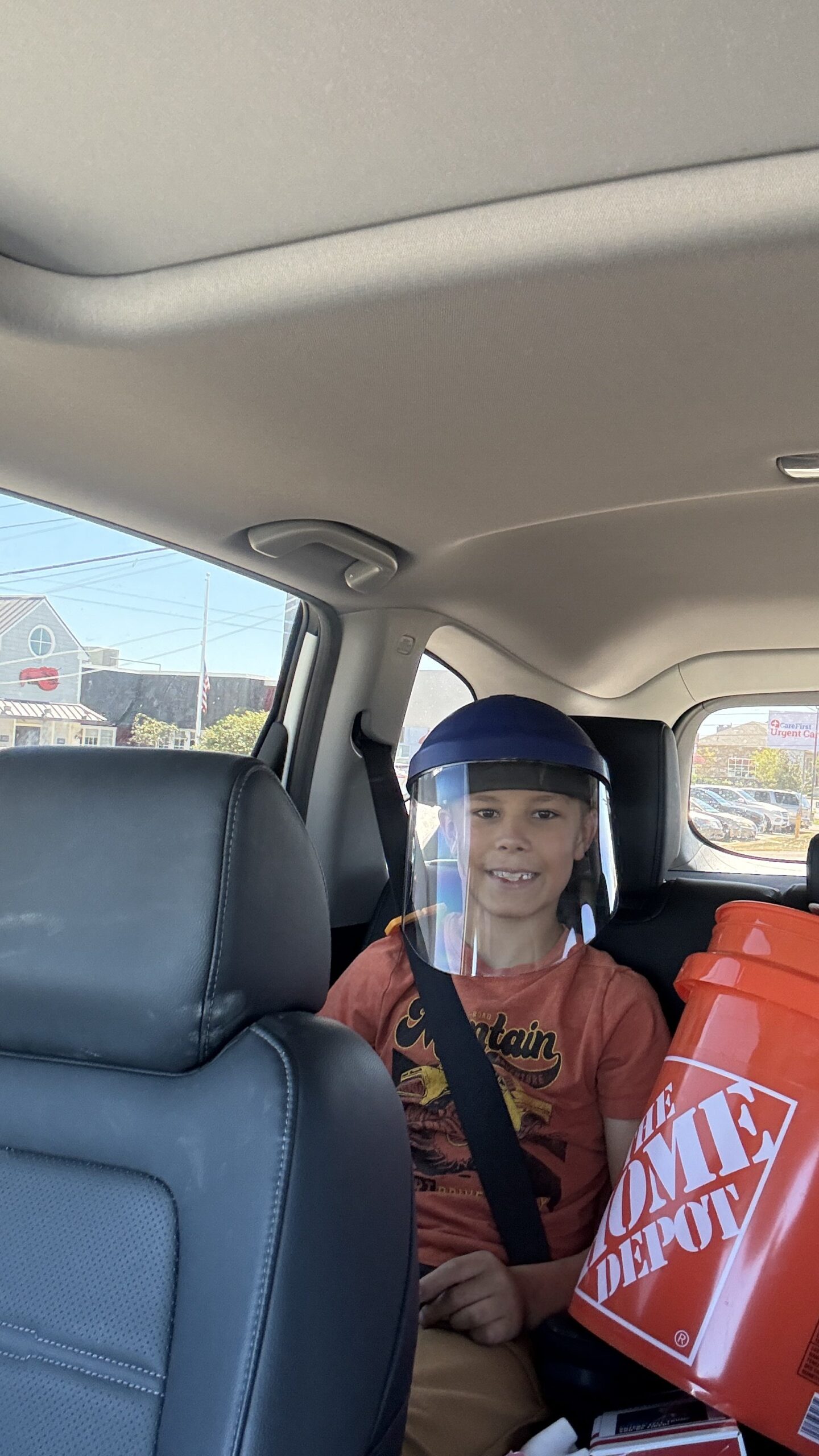
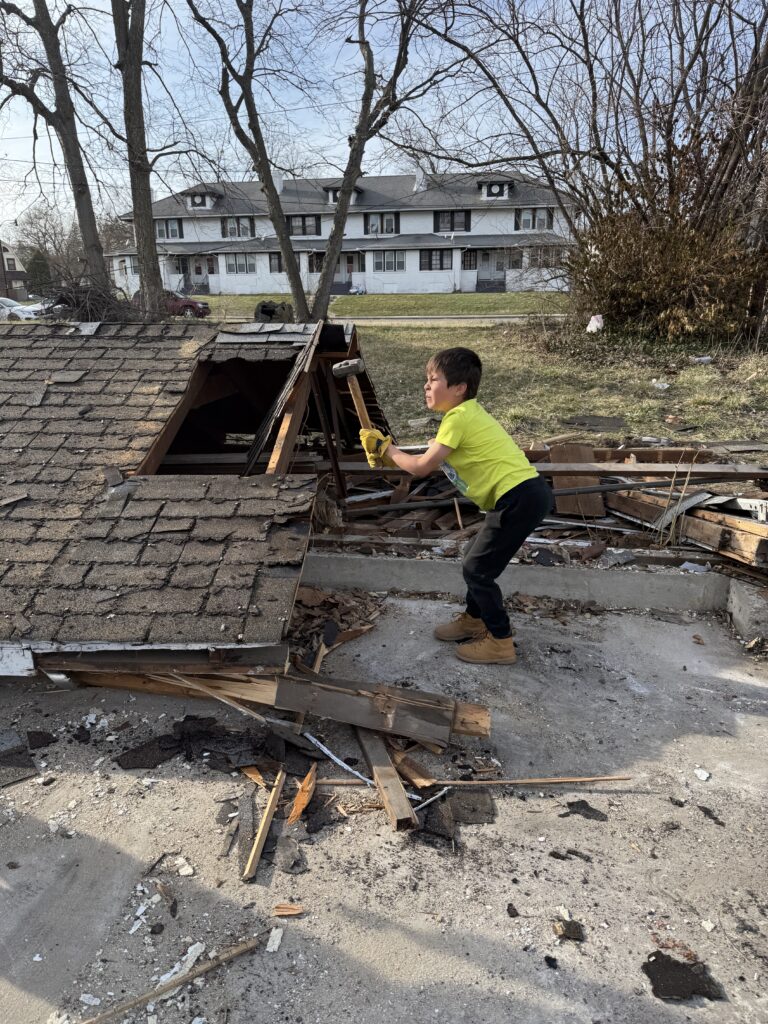
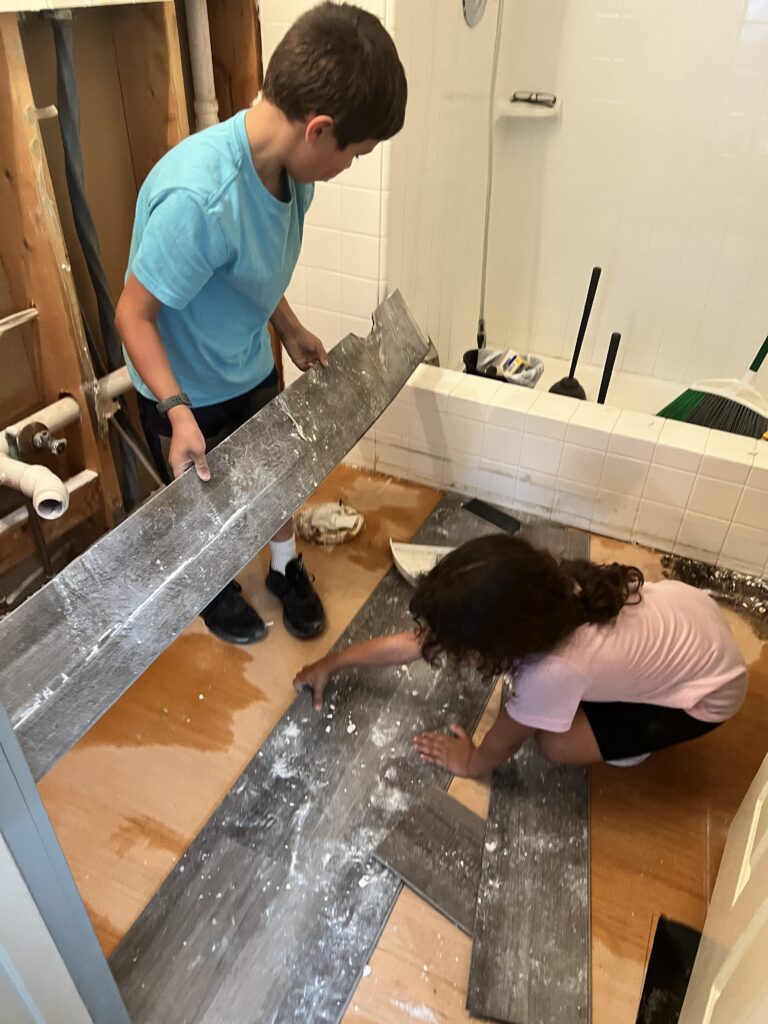
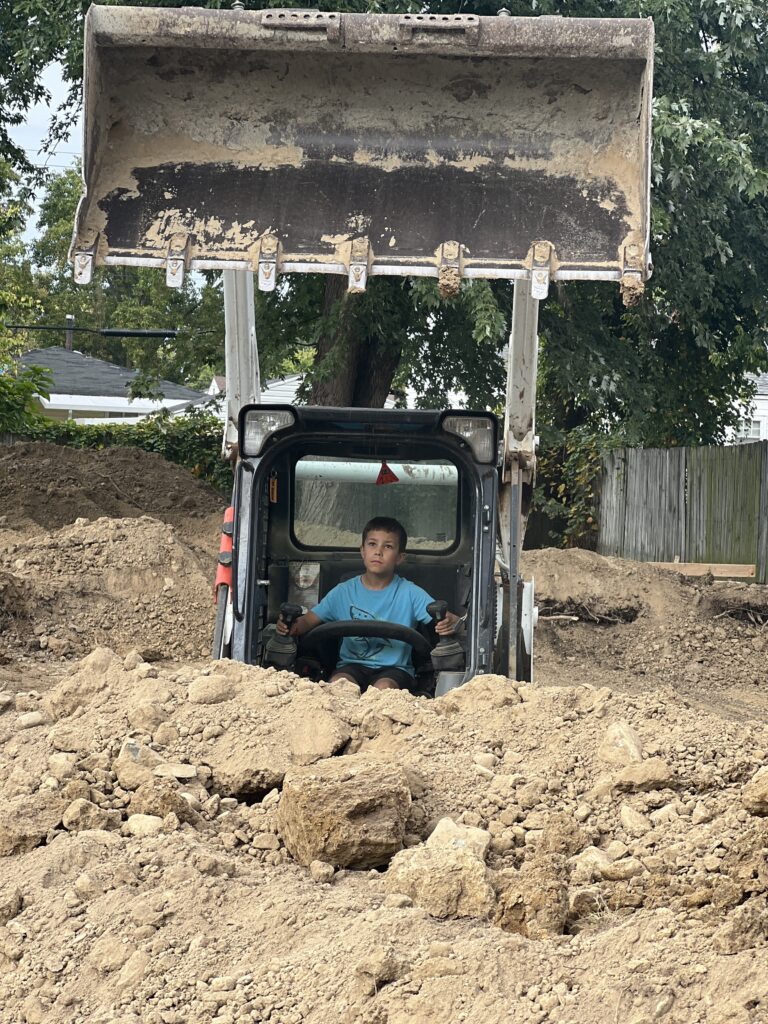
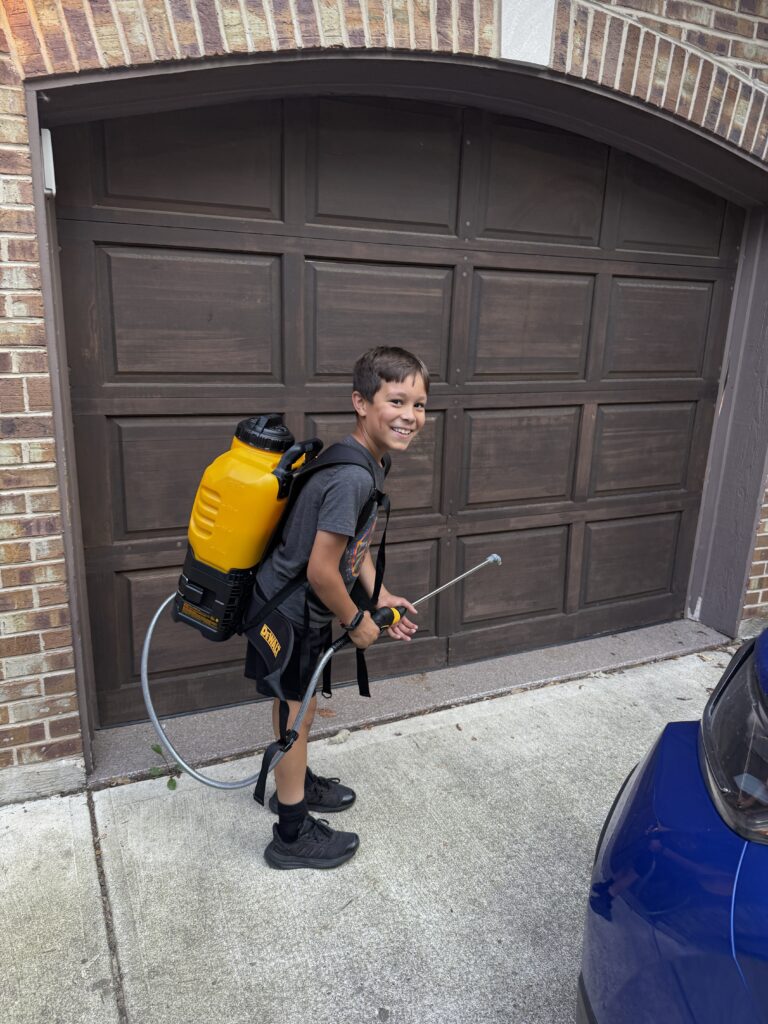
Thanks in advance for your patience as I use this article as an excuse to post photos of my oldest son, Jackson, working on jobsites with me.
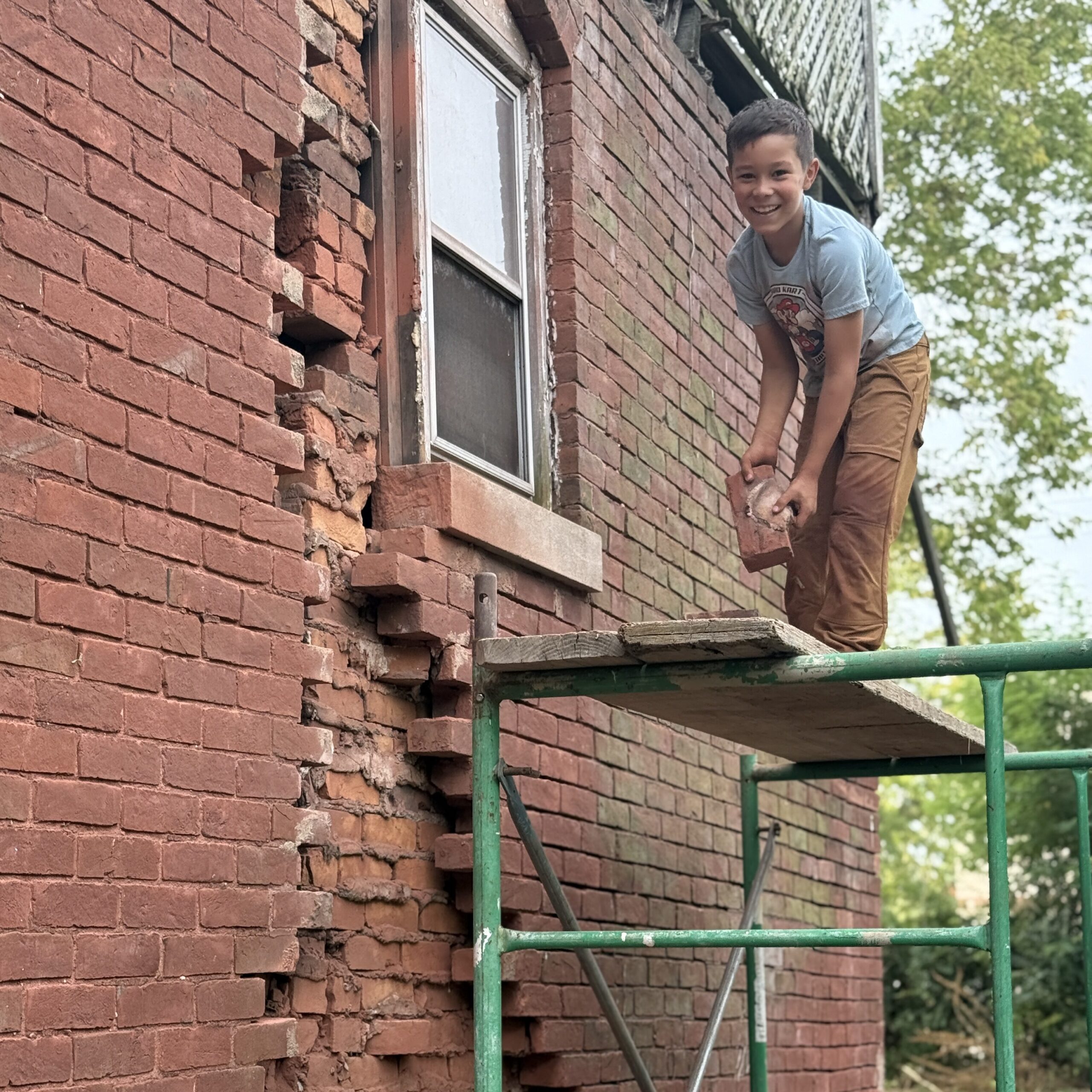
Handyman businesses are built on trust. Homeowners, landlords, and property managers are letting you into their homes and relying on you to fix, repair, or improve something that matters to them. Whether you’re replacing fixtures, repairing drywall, installing flooring, or handling small electrical or plumbing tasks, your work creates exposure—both for you and your customer.
That’s where handyman insurance comes in. The right coverage protects your income, your reputation, and your ability to keep working when something doesn’t go as planned.
What Is Handyman Insurance?
Handyman insurance is not a single policy. It is a bundle of coverages designed to protect individuals and small businesses that perform repair, maintenance, and minor construction work. At its core, it protects you from third-party claims, job-site accidents, and business interruptions.
Because handymen often work across multiple properties, with different clients, and on a wide range of tasks, insurance needs to be flexible.
Why Handyman Insurance Is Essential
Many handymen start out uninsured or underinsured, especially when working part-time or as a side business. Unfortunately, claims don’t wait until a business feels “big enough” to justify insurance.
Common claim scenarios include:
- Trip and Falls: A customer trips over your extension cord or toolbox.
- Property Damage: You accidentally puncture a pipe while installing drywall.
- Service Failure: A repair fails days later, causing water damage.
- Contractual Requirements: A landlord or property management firm requires a Certificate of Insurance (COI) before hiring you.
What Handyman Insurance Typically Covers
Handyman insurance is not a one-size-fits-all policy. Most coverage packages are built by combining several core protections that work together to safeguard your business, income, and ability to keep working when something goes wrong.
While policies vary by carrier and by the type of work you perform, most handyman insurance programs include the following foundational components.
1. General Liability Insurance
General liability insurance is the foundation of any handyman insurance policy. It protects you against third-party claims for bodily injury and property damage that arise from your work or your presence at a job site.
As a handyman, you are regularly working inside occupied homes, rental properties, and commercial spaces. This creates constant exposure to accidental damage and injury claims, even when you are careful and experienced.
Common claim scenarios covered by general liability include:
• A customer trips over your tools and is injured
• You accidentally damage drywall, flooring, cabinets, or fixtures
• A completed repair fails and causes additional property damage
• You damage a neighboring unit while working in a multi-family building
Example: You are installing a ceiling fan, and it falls, damaging the customer’s hardwood floor. General liability insurance responds by paying for the floor repair and any related claim costs.
In addition to paying damages, general liability often covers legal defense costs if a claim results in a lawsuit. This protection alone can save thousands of dollars, even for minor incidents.
2. Tools and Equipment Coverage (Inland Marine)
Your tools are your livelihood. Without them, you cannot work—and lost time means lost income.
Tools and equipment coverage, often written as inland marine insurance, protects the tools and equipment you own if they are stolen, damaged, or destroyed. This coverage is critical because general liability insurance does not cover your own property.
Covered situations may include:
• Tools stolen from a locked vehicle
• Theft from a job site or storage location
• Damage to tools caused by fire, vandalism, or certain accidents
Handymen often underestimate the value of their tools until they have to replace them all at once. Even a modest setup can represent thousands of dollars in equipment.
Without tools and equipment coverage, replacing stolen or damaged tools typically comes straight out of pocket.
3. Commercial Auto Insurance
If you use a truck, van, or car to transport tools, materials, ladders, or equipment for work, personal auto insurance may not be enough.
Most personal auto policies exclude or severely limit coverage for accidents that occur while a vehicle is being used for business purposes. This can result in denied claims or reduced payouts after an accident.
Commercial auto insurance is designed to cover:
• Accidents while driving between job sites
• Liability for injuries or property damage caused by your vehicle
• Physical damage to the vehicle itself (optional)
For example, if you are involved in an accident while transporting tools to a job site, a commercial auto policy ensures the claim is handled properly—without leaving you exposed due to a business-use exclusion.
This coverage is especially important for handymen who rely on their vehicle as a mobile workshop.

4. Workers’ Compensation Insurance
Workers’ compensation (Ohio BWC) insurance covers medical expenses and lost wages if an employee is injured while working. In many states, this coverage is required by law once you have employees.
Handyman work often involves physical labor, ladders, power tools, and repetitive motion—all of which increase the risk of injury.
Workers’ compensation coverage typically provides:
• Medical treatment for work-related injuries
• Partial wage replacement during recovery
• Protection for the business against employee injury lawsuits
Even if you operate as a solo handyman, some business owners choose optional workers’ compensation coverage to protect themselves from lost income if they are injured on the job.
Without this coverage, a single injury could leave you unable to work—and without income—while also facing medical bills.
Together, these coverages form the core of a solid handyman insurance program. The right combination protects not just against accidents, but against business interruptions that can be difficult to recover from.
Comparison: General Liability vs. Tools Coverage
| Feature | General Liability (GL) | Tools & Equipment (Inland Marine) |
| Protects | The Client / Third Parties | You / Your Business Assets |
| What it covers | Bodily injury to others, damage to client property | Theft or damage to your saws, drills, ladders |
| Deductible? | Usually $0 or low | Yes (e.g., $500 or $1,000) |
| Essential? | Yes (Required for COI) | Highly Recommended |
What Handyman Insurance Typically Does Not Cover
Just as important as knowing what is covered is understanding the exclusions.
- Faulty Workmanship: Insurance covers resultant damage (e.g., water damage from a bad pipe fix), but usually not the cost to redo the bad work itself.
- Intentional Damage: Acts of vandalism or intentional neglect are never covered.
- Work Outside Your Classification: If you are insured as a “Handyman” but perform major structural roofing or high-voltage electrical work, a claim may be denied because that work is outside your class code.
How Much Does Handyman Insurance Cost?
Costs vary based on location, revenue, and services, but handyman insurance is generally affordable compared to general contractor insurance.
- Solo Handyman (GL only): ~$500 – $900 / year
- Handyman with Tools Coverage: ~$800 – $1,200 / year
- Handyman with Employees: Costs rise significantly due to Workers’ Comp.
How to Choose the Right Policy
The goal is not to buy the cheapest policy—it’s to buy coverage that matches the work you actually do. When evaluating quotes, ask:
- Does this policy cover the specific services I offer? (Ensure minor plumbing/electrical aren’t excluded).
- Are my tools covered in transit?
- How quickly can I get a Certificate of Insurance (COI)? (Vital for winning commercial contracts).
Final Thoughts: Protecting Your Trade
Handyman work is hands-on and essential—but it comes with risk. The right insurance protects your income, your tools, and your reputation so you can focus on doing quality work.
If you’re a handyman working in Ohio and want help reviewing your coverage or getting properly insured, you can start here: Handyman Insurance – Ingram Insurance.
Talk to Ingram Insurance
Ingram Insurance (Dayton, Ohio)
733 Salem Ave, Dayton, OH
Phone: (937) 741-5100
Email: contact@insuredbyingram.com
Related Reading from Ingram Insurance
Additional Ohio insurance resources and local guides that may be helpful.
Show more related articles
Homeowners Insurance (Ohio & Dayton)
- Dayton Homeowners Insurance
- Washington Township Homeowners Insurance
- Understanding Home Insurance Coverage in Ohio
- Roof Age and Insurance Coverage in Ohio
- Winterizing Your Home in Ohio
- Hidden Cost Drivers in Homeowners Insurance
- Water Damage vs Flooding
- Tornado Season in Ohio
Auto Insurance & Claims
- Montgomery County Auto Insurance Guide
- Why Ohio Auto Rates Are Rising
- Teen Drivers in Ohio
- Most Dangerous Roads in Dayton
- Auto Insurance in Belmont (Dayton)
Landlords & Rental Properties
- Rental Property Insurance for Dayton Landlords
- Understanding Loss of Rents Coverage
- Vacant Homes in Dayton
- The 15-Year Roof Rule (Ohio)
- Wolf Creek Landlord Insurance
Contractors & Business Insurance
- Ohio Contractor Insurance Guide
- Ohio HVAC Insurance
- Insurance for Plumbers
- Tree Service & Arborist Insurance
- Church Insurance in Ohio
Local Dayton & Community
- Best Coffee Shops in Dayton
- The Heart of Oakwood
- Life in Kettering Parks
- Cox Arboretum & Homeownership Lessons
Proudly Partnered with Wayne Insurance Group. View our Agency on their site here.