Home Insurance in Edgemont: Dayton’s #1 Most Desirable Emerging Neighborhood
Edgemont has quickly become one of Dayton’s most talked-about emerging neighborhoods—rich in history, defined by its early 20th-century homes, and increasingly attracting homeowners, first-time buyers, and real estate investors alike. But its charm comes with unique insurance considerations. Older basements, aging electrical systems, heavy tree canopy, and proximity to Wolf Creek all contribute to an insurance environment that looks very different from that of newer Dayton suburbs. This guide breaks down exactly what Edgemont homeowners and landlords need to know—what’s covered, what’s not, which risks matter most, and how to structure your policy to avoid expensive surprises. If you own property in Edgemont, this comprehensive breakdown is built specifically for you. After reading this, you’ll know everything about home insurance in Edgemont.
Home Insurance in Edgemont: The City’s Most Desirable Emerging Neighborhood
Edgemont, a historic neighborhood nestled within Dayton, Ohio, is swiftly gaining recognition as one of the city’s most desirable emerging communities. Characterized by its early 20th-century homes, mature tree-lined streets, and a strong sense of neighborhood identity, Edgemont presents a distinctive blend of urban convenience and residential charm. However, the very attributes that enhance Edgemont’s appeal also introduce complex insurance considerations for both homeowners and landlords. A thorough understanding of how the neighborhood’s unique housing stock, infrastructure, and environmental factors influence home insurance risk and coverage is indispensable for residents aiming to protect their investments effectively. This comprehensive guide delves into the intricacies of home insurance tailored specifically to Edgemont’s profile, offering clarity on coverage mechanisms, anticipated risks, and informed strategies to safeguard both property and peace of mind.
Meet Edgemont, Dayton Ohio
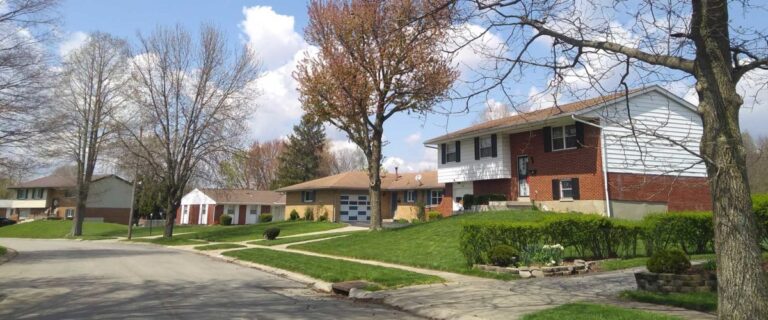
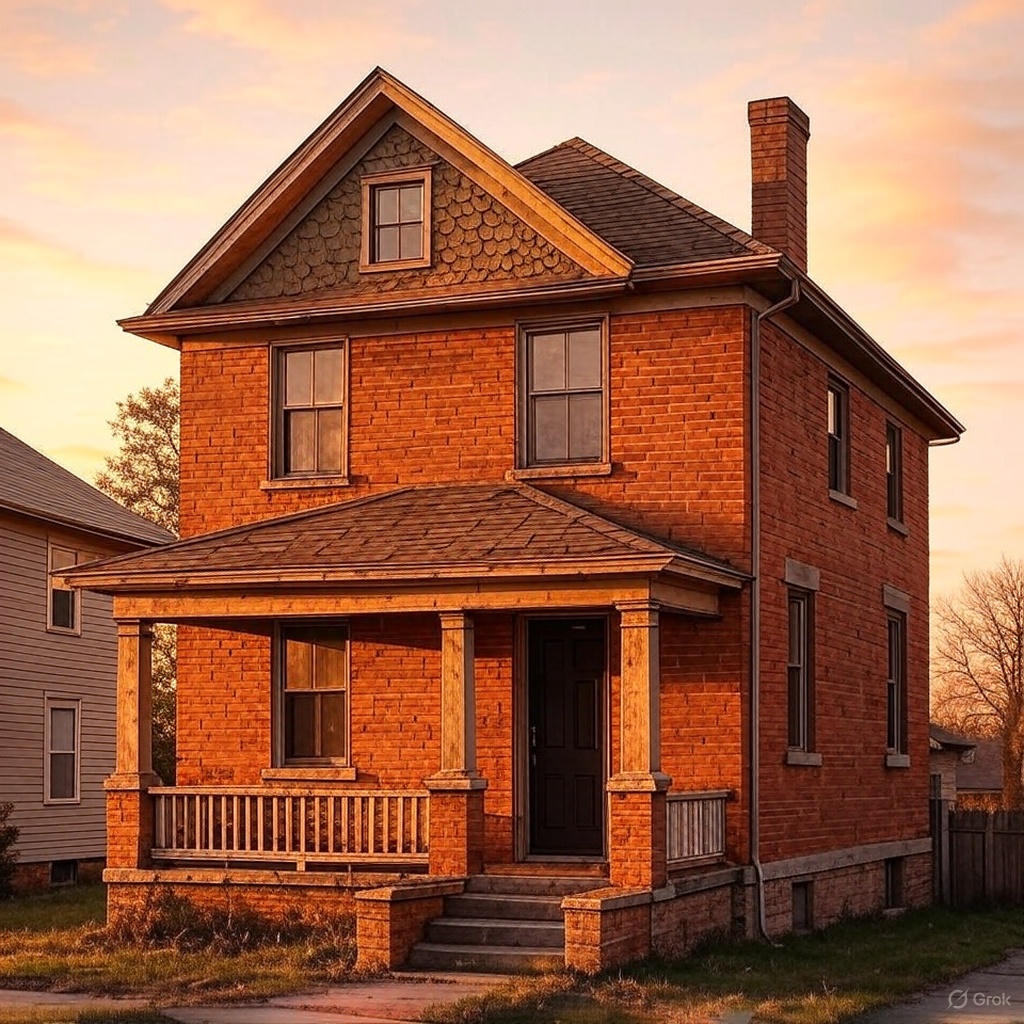
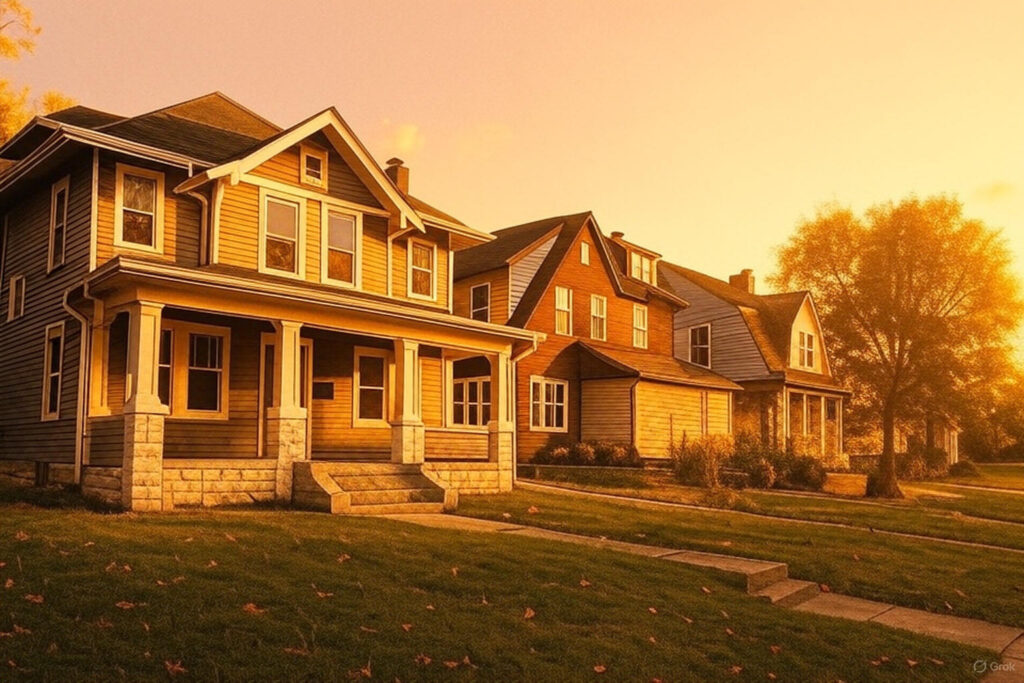
Edgemont stands as one of Dayton’s neighborhoods with a rich architectural and cultural heritage, vividly expressed through its housing stock and community fabric. The area predominantly comprises homes constructed between the early 1900s and the 1940s, including classic two-story dwellings and modest single-family residences that reflect the neighborhood’s working-class roots. Over the decades, many properties have undergone varied renovations—some incorporating critical system upgrades, while others retain much of their original character. This uneven modernization creates a mosaic of housing conditions that directly influence insurance risk assessment and underwriting practices.
The streetscape of Edgemont is distinguished by a mature tree canopy, particularly prominent near the Wolf Creek corridor. While these natural features contribute to the neighborhood’s aesthetic appeal and environmental quality, they also introduce specific risks such as potential falling branches or roof damage during storms. Proximity to notable landmarks like Miami Chapel and the Edgemont Solar Garden further reinforces community identity and pride. Additionally, Edgemont’s mixture of owner-occupied homes and investor-owned properties results in diverse occupancy patterns, which affect maintenance standards and historical claims data.
For homeowners and landlords alike, grasping the physical and social fabric of Edgemont is fundamental. The presence of older basements and drainage systems, combined with the region’s characteristic Ohio weather patterns, creates particular vulnerabilities that must be addressed by insurance policies. To navigate these complexities appropriately, you are encouraged to consult our full Edgemont insurance guide for an in-depth exploration of neighborhood-specific considerations.
How the Built Environment in Edgemont Shapes Insurance Risk
The built environment of Edgemont—including its residential structures, infrastructure, and natural surroundings—forms the foundation upon which insurance risk evaluations are based. Many of the neighborhood’s homes, dating from the early 20th century, often contain original or partially updated electrical wiring, plumbing, and heating systems. From an underwriting perspective, these factors elevate certain risks, particularly concerning water intrusion, electrical fires, and system malfunctions.
For instance, numerous Edgemont homes feature aging basements and drainage systems that may not conform to contemporary standards for waterproofing or stormwater management. The cyclical Ohio weather—marked by winter freezes and spring thaws—can exacerbate wear on foundations and increase the likelihood of water infiltration. Insurers recognize these conditions as contributing to a heightened frequency of water damage claims, which are among the most costly and prevalent in older urban neighborhoods. For more on this, see What Homeowners in Dayton Need to Know About Storm Damage Coverage.
Another significant factor is the neighborhood’s extensive tree canopy. Mature trees provide valuable shade and enhance Edgemont’s visual appeal, yet they can also pose hazards during storms through falling limbs or entire trees. Such incidents may cause damage to roofs, siding, and windows, directly influencing claims frequency and severity. The variation in roof ages throughout the neighborhood means that some homes benefit from relatively new, more resilient roofing materials, while others retain original or deteriorated roofs that are more susceptible to damage. To understand the importance of roof age, read Roof Age and Insurance Coverage in Ohio: The Rules, Risks, and Renewal Tips.
The coexistence of owner-occupied and investor-owned homes further shapes maintenance trends. Properties occupied by owners often receive more attentive upkeep, which can mitigate claims risk. Conversely, certain rental properties may experience deferred maintenance, increasing the probability of issues such as plumbing leaks or electrical faults. This occupancy dynamic is a critical consideration for insurers underwriting policies in Edgemont, as it impacts expected claim rates and premium calculations. Landlords may want to review Understanding Rental Property Insurance: A Guide for Dayton Landlords for more insights.
Key Insurance Risks for Home Insurance in Edgemont
When securing home insurance in Edgemont, understanding the neighborhood-specific risks enables residents to make well-informed coverage decisions. Among these, several key risk categories warrant particular attention:
1. Water Intrusion and Basement Flooding
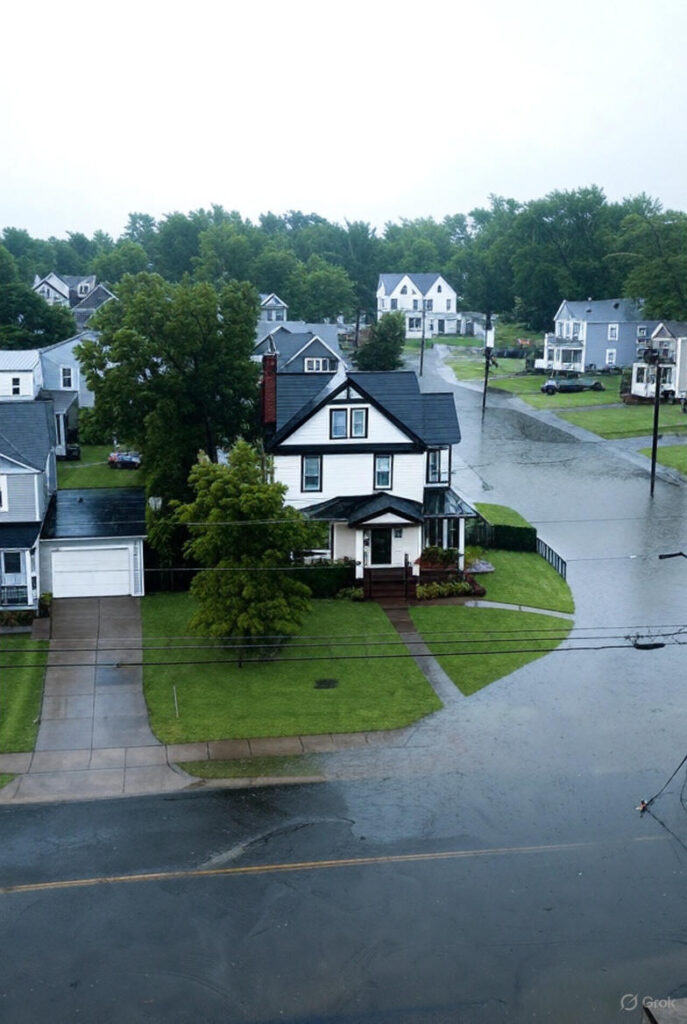
Water intrusion stands out as one of the most significant risks due to the presence of older drainage and foundation systems. Dayton’s climate, characterized by heavy rainfall, snowmelt, and freeze-thaw cycles, places considerable stress on aging waterproofing materials. Basements constructed prior to modern waterproofing standards are especially vulnerable. The consequences of water intrusion include mold development, structural deterioration, and loss of personal property—all of which entail costly repairs and may not be fully covered under standard policies unless specific endorsements are obtained. The Edgemont neighborhood gets approximately 41 inches of rainfall per year.
For example, a homeowner in Edgemont might experience water seepage through basement walls following a heavy rainstorm, caused by deteriorated exterior sealants and inadequate grading. In the absence of water backup or sump pump failure coverage, the resulting damage to drywall, flooring, and stored belongings would require out-of-pocket remediation. This scenario underscores the critical importance of understanding water-related coverage nuances in Edgemont. Learn more about the difference between water damage vs flooding.
2. Electrical System Failures and Fire Risk
Many homes in Edgemont retain older electrical systems, including knob-and-tube or early knobless wiring, as well as fuse boxes that have not been modernized. These outdated installations can elevate fire risk due to circuit overloads, faulty connections, or the absence of modern safety devices such as ground-fault circuit interrupters. Insurance underwriters closely evaluate the age and condition of electrical systems because fire claims tend to be among the most severe and disruptive losses.
Consider a scenario where an outdated electrical panel in a 1920s home causes a short circuit, igniting a fire in the attic. Although the homeowner’s policy typically covers fire damage, insurers may require evidence of system upgrades or impose higher premiums if the risk is assessed as heightened. In some instances, coverage may be denied if the electrical system is deemed hazardous or non-compliant with safety codes. For electrical contractors or those interested, see Ohio Electrician Insurance: Safeguarding Your Business, Tools, and Team.
3. Roof and Siding Damage from Weather and Trees
The neighborhood’s mature tree canopy, while aesthetically and environmentally beneficial, increases exposure to damage from windstorms and falling limbs. Roofs in Edgemont vary widely in age—from recently replaced to original structures exceeding 80 years—resulting in differing levels of resilience to weather events. Wind and hail can dislodge shingles, damage gutters, or crack siding. Insurance policies often specify deductibles for wind or hail damage and include provisions addressing roof replacement or matching materials.
For example, a homeowner with a 30-year-old roof may suffer shingle loss during a windstorm, leading to leaks. The insurance claim process will consider the roof’s age and condition, and insurers may depreciate payments based on remaining useful life. Understanding the distinction between replacement cost and actual cash value is essential to avoid underinsurance in such situations.
4. Liability Risks in a Walkable, Mixed-Occupancy Neighborhood
Edgemont’s strong community engagement and residential density encourage pedestrian activity and neighborly interaction. While this fosters social cohesion, it also heightens potential liability exposures. Incidents such as sidewalk falls, dog bites, or injuries occurring on porches or shared alleys can result in liability claims against homeowners. Consequently, adequate liability limits and umbrella coverage deserve careful consideration in light of the neighborhood’s lifestyle.
Property owners who rent units face additional liability concerns, as tenant injuries or property damage claims may arise. This is particularly relevant where older stairs, railings, or porches may not conform to current safety standards, increasing the risk of accidents and subsequent claims.
How Home Insurance Works in Ohio (And What’s Different in Edgemont)
Home insurance in Ohio generally follows the structure of standard homeowners policies, providing coverage for dwelling structures, personal property, liability, and additional living expenses in cases where a covered loss renders the home uninhabitable. However, applying these coverages within Edgemont requires a nuanced understanding due to the neighborhood’s unique characteristics.
Fundamentally, home insurance operates by pooling risk among a broad base of policyholders. Homeowners pay premiums determined by assessed risk factors—including home age, condition, location, and coverage limits—in exchange for insurer commitments to cover specified losses up to policy limits after deductibles are met. This model incentivizes property maintenance and risk mitigation, as better-maintained homes generally qualify for lower premiums.
In Edgemont, insurers conduct particularly rigorous evaluations of factors such as roof age, electrical and plumbing system conditions, and drainage infrastructure. These elements are scrutinized because older homes inherently present higher probabilities and severities of claims. Consequently, premiums in Edgemont may exceed those in newer, suburban Dayton neighborhoods; however, proactive risk management can moderate these costs.
An important distinction lies between replacement cost and actual cash value (ACV) coverage. Replacement cost coverage reimburses the cost to repair or rebuild a home using materials of similar kind and quality without deducting depreciation, whereas ACV coverage accounts for depreciation, resulting in lower payouts for older items or structures. For example, damage to a 90-year-old roof would be more comprehensively covered under replacement cost coverage, facilitating a full roof replacement, while ACV coverage might compensate only a fraction of the expense based on the roof’s age.
In Edgemont, replacement cost coverage is particularly vital because many homes’ rebuilding costs surpass their market sale prices. Relying solely on market value or ACV policies exposes homeowners to significant underinsurance risks, potentially leading to considerable out-of-pocket expenses in the event of total loss. Ohio homeowners should also consider optional endorsements such as water backup coverage for sewer or sump pump failures, ordinance or law coverage to address building code upgrades after losses, and service line coverage for underground utility damages.
For a comprehensive exploration of these core insurance mechanisms and neighborhood-specific factors, please refer to our Edgemont homeowners insurance overview.
Coverage Decisions Edgemont Residents Can’t Afford to Get Wrong
Choosing Between Replacement Cost and Actual Cash Value
A pivotal decision for Edgemont homeowners involves selecting between replacement cost and actual cash value coverage for their dwelling and personal property. Given the age and condition of many homes, opting for replacement cost coverage is often the most prudent choice to mitigate underinsurance risk.
To illustrate, consider a house built in 1925 that sustains fire damage affecting the roof and interior framing. The replacement cost to rebuild using comparable materials and to comply with current building codes may be approximately $150,000. However, the home’s market value—shaped by neighborhood sales trends—might be closer to $120,000. If insured under an ACV policy, the payout could be reduced further by depreciation, potentially covering only $90,000, thereby leaving the homeowner responsible for $60,000 in rebuilding costs. Replacement cost coverage closes this gap by covering the full rebuilding expense, subject to policy limits, thereby aligning coverage with the realities of Edgemont’s older housing stock.
Water Backup and Sewer Coverage
Standard homeowners policies typically exclude damage resulting from water backing up through sewers or drains—a common exposure in neighborhoods like Edgemont with aging drainage infrastructure. Water backup coverage is an optional endorsement that provides protection against this specific peril.
For example, during a severe thunderstorm, Edgemont’s drainage system could become overwhelmed, causing sewage to back up into a home’s basement. Without water backup coverage, damages to flooring, drywall, and personal belongings would not be covered, often leaving homeowners to bear costly repairs independently. Given the prevalence of older basements and drainage conditions in Edgemont, securing this endorsement is highly advisable. For related coverage details, see What Dayton Homeowners Should Know About Sewer, Drain, and Water-Backup Coverage.
Ordinance or Law Coverage
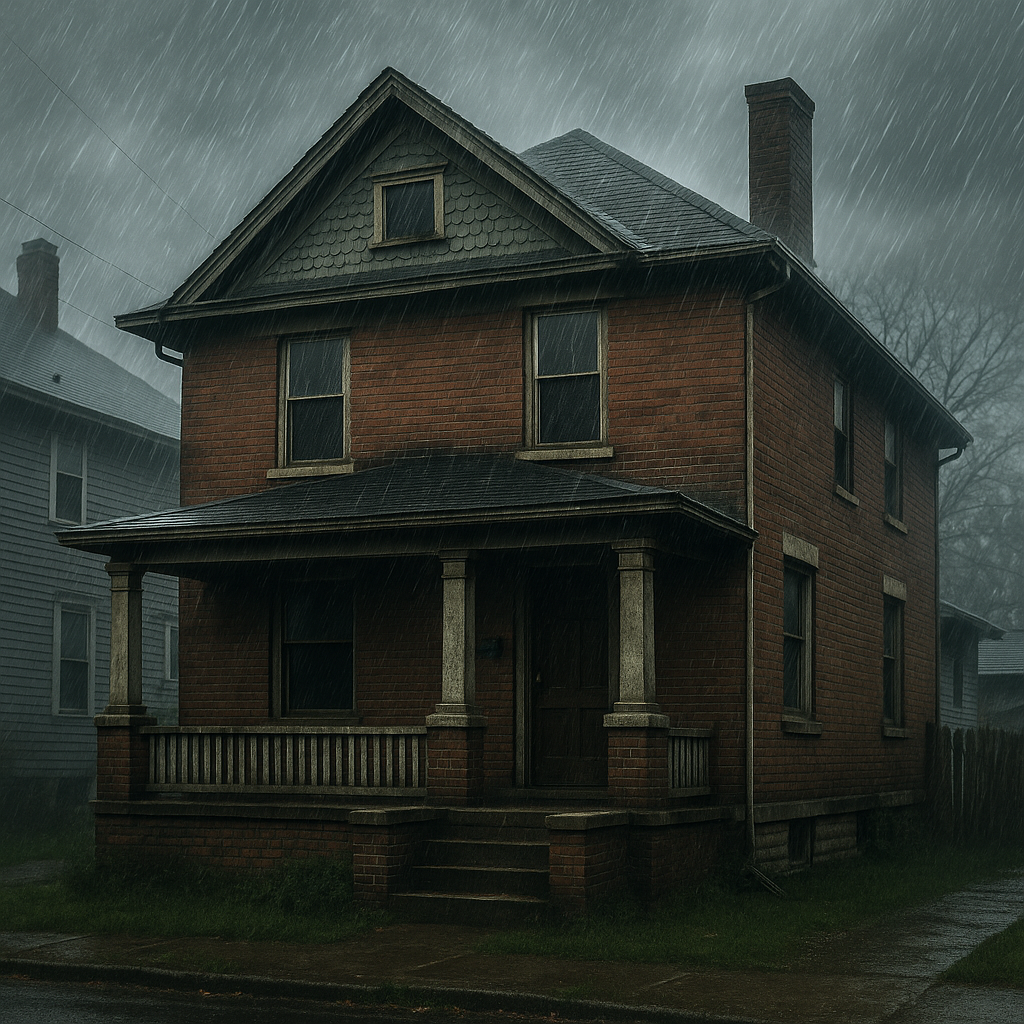
When an older Edgemont home suffers damage from a covered peril, rebuilding to comply with current building codes may incur substantial additional costs. Ordinance or law coverage assists by covering these expenses associated with upgrading wiring, plumbing, or structural components to meet modern safety standards during repairs or reconstruction.
Absent this coverage, homeowners could face significant out-of-pocket expenditures to adhere to updated codes, particularly in a neighborhood characterized by early 20th-century architecture. This endorsement ensures rebuilding is both comprehensive and code-compliant.
Liability Coverage and Umbrella Policies
Given Edgemont’s vibrant community life and the coexistence of owner-occupied and rental properties, robust liability coverage is essential. While standard homeowners policies include liability protection for bodily injury or property damage claims, policy limits may be insufficient to cover large or complex claims.
An umbrella policy provides extended liability limits beyond those of a standard homeowners policy, offering enhanced financial protection and peace of mind in the event of severe injury or litigation. This additional coverage is especially pertinent for homeowners who frequently entertain guests, own pets, or rent properties within Edgemont.
Real-World Scenarios From Edgemont Streets and Homes
Scenario 1: Basement Flooding After Spring Rain
Mrs. Thompson owns a 1928 two-story home near Wolf Creek. Following an intense April rainstorm, water began infiltrating her basement walls due to saturated soil and inadequate grading. Because her policy lacked water backup and sump pump failure coverage, her insurer denied the claim, citing that damage caused by ground seepage falls outside standard policy coverage.
Mrs. Thompson incurred $15,000 in repair and mold remediation costs out-of-pocket. In response, she revised her policy to include water backup coverage and invested in basement waterproofing improvements. This example highlights the necessity of tailored insurance coverage to address Edgemont’s specific environmental risks.
Scenario 2: Electrical Fire in a Vintage Home
Mr. and Mrs. Rivera purchased a 1935 Edgemont home containing original electrical wiring. Despite recommendations from a home inspection to upgrade the electrical panel, they postponed the work. Subsequently, a short circuit in the outdated panel caused a fire in the attic, damaging the roof and upper floors.
Their insurer covered the fire damage under dwelling and personal property coverages; however, due to the electrical system’s hazardous condition, their premiums increased significantly upon renewal. Following this event, the family prioritized electrical upgrades, which helped stabilize their insurance costs and reduce future risk. This scenario underscores the impact of system condition on underwriting and premiums.
Scenario 3: Wind Damage to an Aging Roof
Mr. Patel’s 1940 bungalow experienced shingle loss during a severe windstorm. His roof, over 25 years old, exceeded the typical effective lifespan of shingles. The insurance company applied depreciation and issued an actual cash value payment of $5,000 toward a $12,000 roof replacement, leaving Mr. Patel responsible for the balance.
Recognizing this coverage gap, Mr. Patel upgraded to replacement cost coverage for his dwelling and prioritized roof replacement to mitigate future underinsurance. This example illustrates the tradeoffs between policy types and the importance of proactive maintenance in securing favorable underwriting outcomes.
Cost, Discounts, and Smart Ways to Control Premiums
Insurance premiums in Edgemont reflect the neighborhood’s distinctive risk profile: older homes, aging systems, and environmental challenges. Nonetheless, residents can employ several strategies to manage costs effectively without sacrificing essential coverage.
One approach involves increasing deductibles to lower premiums. For instance, selecting a $1,000 deductible instead of a $500 deductible reduces insurer exposure and typically results in premium discounts. Homeowners should balance deductible levels against their financial capacity to cover out-of-pocket expenses if a claim occurs.
Another strategy is investing in home improvements that reduce risk, such as upgrading electrical panels, replacing aging roofs, installing sump pumps, and improving drainage systems. These proactive measures demonstrate responsible risk management to insurers and may translate into tangible premium savings.
Additionally, bundling insurance policies—such as combining home and auto insurance—with a single insurer often yields multi-policy discounts. Edgemont residents who insure multiple assets through one agency benefit from enhanced cost efficiency. Learn more about bundling auto and home insurance in Dayton.
Finally, insurers may offer discounts for security features like alarms and smoke detectors, claims-free histories, and customer loyalty. While Edgemont’s older housing stock presents underwriting challenges, these discounts reward responsible homeownership and maintenance practices.
Nearby Neighborhoods and How They Compare
Each of these neighboring communities shares certain characteristics with Edgemont, such as early 20th-century housing and urban proximity. However, variations in housing conditions, maintenance levels, and community dynamics influence insurance risk profiles and pricing. While comparing insurance options across these neighborhoods can be informative, partnering with an agent intimately familiar with Edgemont’s distinct characteristics ensures more precise guidance. For detailed insights, please visit more details about insurance in Edgemont.
When and How to Review Your Policy if You Live or Own Property in Edgemont
Homeowners and landlords in Edgemont should conduct regular reviews of their insurance policies to ensure coverage remains aligned with their property’s condition and neighborhood-specific risks. Industry best practices recommend the following review intervals and triggers:
- Annual Reviews: At a minimum, policies should be reviewed annually, ideally before renewal, to accommodate changes in home value, improvements, or evolving coverage needs.
- After Renovations or Upgrades: Significant home improvements—including roof replacements, electrical rewiring, or basement waterproofing—should be promptly reported to insurers to adjust coverage and premiums accordingly. For tips on winterizing your home in Ohio, see our guide.
- Post-Claim Review: Following a claim, reassessing the policy helps identify any coverage gaps revealed by the loss experience and facilitates necessary adjustments.
- Market Value and Replacement Cost Reassessment: Periodic evaluation of replacement cost estimates is crucial, especially in Edgemont where construction costs may outpace market values, to prevent underinsurance.
During policy reviews, attention should focus on deductible amounts, exclusions, endorsements, and liability limits. Engaging with a knowledgeable agent can clarify complex terms and recommend endorsements tailored to Edgemont’s specific risk environment.
Working With a Local Independent Agent Who Knows Edgemont
Given the intricacies of home insurance within a historic neighborhood like Edgemont, collaborating with a knowledgeable local independent agent is invaluable. Agents based in Dayton possess deep understanding of the neighborhood’s housing stock, environmental risks, and the nuances of the insurance marketplace. They provide guidance through complex coverage options, help prevent underinsurance, and tailor policies to individual circumstances.
Ingram Insurance, located at 733 Salem Ave, Dayton, OH 45406, brings extensive experience serving homeowners and landlords in Edgemont. Our team offers personalized consultations that consider the unique aspects of your home’s age, systems, and neighborhood context. By leveraging our local expertise, you gain a trusted advisor who facilitates navigating insurance tradeoffs, endorsements, and claims processes with efficiency and confidence.
Whether you are purchasing your first homeowner’s policy, updating coverage following renovations, or managing rental properties, partnering with Ingram Insurance ensures you receive location-specific, detailed support. Contact us to discuss your insurance needs and explore coverage options customized for Edgemont’s distinctive environment.
Special Considerations for Edgemont Landlords
Given Edgemont’s high rental concentration, landlords must ensure coverage for:
- Loss of rents (if water damage or fire displaces tenants)
- Water backup in older basements
- Service line failures (common in pre-1930 pipes)
- Liability for tenant injuries from old steps/railings
- Vandalism & malicious acts in vacant periods
For a landlord-focused breakdown, see Understanding Rental Property Insurance.
Conclusion
Edgemont’s appeal as one of Dayton’s most desirable emerging neighborhoods presents both opportunities and challenges in the realm of home insurance. The neighborhood’s early 20th-century homes, extensive tree canopies, and aging infrastructure necessitate thoughtful, comprehensive coverage decisions that extend beyond standard policy offerings. A sophisticated understanding of replacement cost coverage, water backup endorsements, liability limits, and proactive maintenance is essential to avoid costly coverage gaps. By adopting a rigorous, detail-oriented approach tailored to Edgemont’s unique risk profile, homeowners and landlords can effectively protect their investments and maintain financial resilience.
Ingram Insurance is proud to be based in Dayton, serving homeowners, landlords, drivers, and business owners throughout Edgemont. If you seek a second opinion on your coverage or a fresh insurance quote, please call (937) 741-5100, email contact@insuredbyingram.com, or visit https://www.insuredbyingram.com/ to get started.
Whether you’re renting a single-family home, condo, or apartment in Ohio, renters insurance plays a key role in protecting your finances. Coverage limits, liability requirements, and replacement cost options can vary widely. For a detailed, Ohio-specific explanation, visit our guide to renters insurance in Ohio and see how tenants can protect their belongings and meet lease requirements.