The Ultimate Ohio Home Maintenance Insurance Checklist
Home maintenance is one of the most underrated forms of financial protection. Ohio homeowners deal with a unique combination of aging housing stock, dramatic temperature swings, heavy rainfall, windstorms, and long winters—all of which place stress on every major system in a home. Insurance is designed to step in when unexpected accidents happen, but it does not replace the responsibility of routine upkeep. In fact, proper maintenance not only prevents expensive repairs but can also reduce claims, protect eligibility with better carriers, and stabilize long-term premiums. This guide provides a comprehensive, Ohio-focused home maintenance checklist designed to keep your property safe, efficient, and fully insurable.
Why Maintenance Matters So Much for Ohio Homes
Ohio homes face unusual wear and tear. The freeze-thaw cycle alone can stress foundations, crack driveways, loosen shingles, and accelerate deterioration of exterior materials. Spring storms bring heavy rains and wind, while humid summers strain cooling systems. Add in the fact that many Ohio homes were built between the 1920s and 1970s, and it becomes clear why maintenance is not optional.
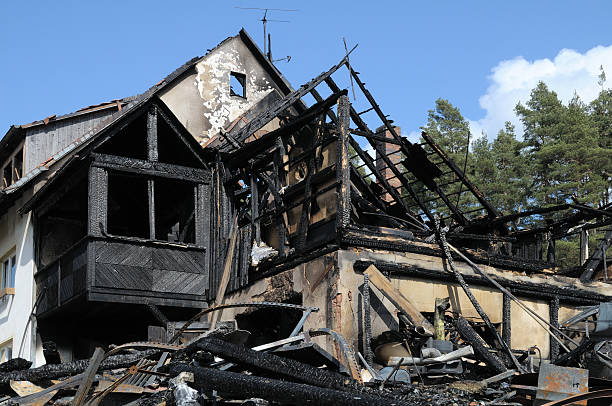
Insurance companies draw a clear line between sudden, accidental damage—which is covered—and long-term neglect or deterioration, which is not. A roof leak due to storm damage is typically covered. But a leak caused by worn flashing, missing shingles, algae deterioration, or clogged gutters usually falls into the category of maintenance. Likewise, burst pipes caused by freezing temperatures are covered, but pipes that fail due to corrosion or years of neglect may not be.
Proper maintenance keeps homeowners in good standing with insurers, reduces the risk of claims that could raise premiums, and ensures that coverage remains valid. For Ohio homeowners specifically, upkeep is essential to managing weather-related vulnerabilities that insurance cannot fix retroactively.
Exterior Maintenance: Protecting the Shell of the Home
The exterior is your home’s first line of defense against Ohio’s unpredictable weather. Roofs, gutters, siding, windows, and drainage systems must all work together to keep water out—a critical factor for preserving the structure and preventing costly insurance claims.
Homeowners should inspect roofs twice per year, ideally in spring and fall, looking for missing shingles, lifted edges, or cracked flashing. Because many Ohio roofs approach the 20–25 year mark, insurers increasingly rely on roof condition when determining eligibility. Cleaning gutters, checking downspouts for proper flow, and examining the grading around the foundation are equally important. Poor drainage is one of the leading causes of basement water issues in older homes throughout Dayton, Kettering, Oakwood, and Miamisburg.
Windows and siding also require routine attention. Look for peeling paint, gaps in caulking, cracked siding panels, or soft wood around trim and sills. These issues may seem cosmetic, but they can allow moisture intrusion that leads to expensive repairs. From an insurance perspective, proactively addressing these concerns keeps the home in insurable condition and reduces the likelihood of uncovered damage later.
Interior Maintenance: Systems That Keep the Home Running
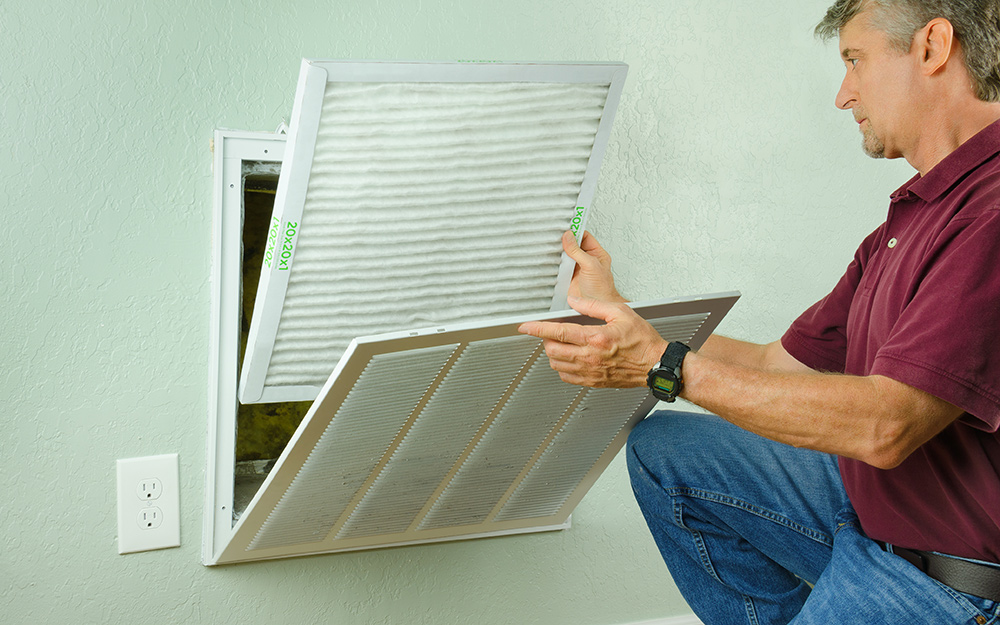
Inside the home, mechanical systems require regular attention. Furnaces, air conditioners, water heaters, plumbing, and electrical components all degrade over time. Ohio’s temperature swings put extra strain on HVAC systems, making filter changes, seasonal tune-ups, and duct inspections essential. Similarly, water heaters—especially units older than 10 years—should be monitored for corrosion, leaks, or unusual noises.
Plumbing maintenance is especially important in older Ohio homes with galvanized pipes or original cast-iron sewer lines. Slow drains, rust-colored water, and water pressure fluctuations are signs that professional inspection may be needed. Electrical systems also require vigilance, particularly in homes built before the 1970s. Outdated panels, aluminum wiring, and overloaded circuits are insurance red flags.
These systems determine more than comfort—they heavily influence eligibility, premium levels, and risk ratings for insurers. A well-maintained home demonstrates care and lowers the likelihood of mechanical failure, reducing claims and keeping coverage affordable.
Seasonal Tasks That Protect Ohio Homes
Each season brings maintenance responsibilities that directly affect insurance risk. In winter, homeowners must protect pipes from freezing by insulating exposed lines and ensuring heat reaches all areas of the home. Ice dams—caused by poor attic insulation or inadequate ventilation—can lead to roof leaks that are rarely covered by insurance. Clearing gutters and sealing attic bypasses are essential preventive steps.
Spring requires attention to drainage, landscaping, and storm readiness. Inspect sump pump systems, ensure downspouts are extended, and verify the grade around the home directs water away from the foundation. Summer maintenance includes servicing HVAC systems, monitoring humidity levels, and inspecting decks or patios for signs of wear. Fall tasks such as leaf removal, chimney cleaning, and exterior caulking prepare the home for winter stress.
These tasks may seem small, but they serve as a protective barrier between the home and Ohio’s often harsh environment.
A Personal Note: How I Track Home Maintenance
In my own home, I use a shared Google Sheet to track recurring maintenance items—everything from monthly filter changes to seasonal drainage checks and annual mechanical inspections. Each task has its own cadence, and family members annotate when they complete something so we can see patterns over time. This system has helped us stay consistent and avoid small issues turning into larger problems. It’s simple, free, and surprisingly effective—something I often recommend to clients who want a structured way to stay on top of home upkeep.
How Maintenance Impacts Insurance Eligibility
Homes that show signs of neglect—curling shingles, deteriorated siding, rotted fascia, leaking plumbing, or outdated wiring—may struggle to secure coverage with reputable carriers. Insurers may require photos, inspections, or proof of repairs before binding a policy. In extreme cases, they may decline coverage entirely.
This is particularly true in older areas of Dayton, Kettering, and Oakwood where charming architecture often comes with equally old roofs, foundations, and mechanical systems. By contrast, well-maintained homes qualify for broader carrier options and more favorable rates. Maintenance, in this sense, becomes an investment not only in the home but in long-term insurability.
The Ultimate Home Maintenance Insurance Checklist for Ohio Homeowners
This Ohio-specific checklist covers tasks that protect against the most common causes of uninsured damage. While not exhaustive, it captures the essential items insurers expect homeowners to maintain:
Monthly: Inspect HVAC filters, check sump pump function, and survey the basement for moisture.
Spring: Clean gutters, test downspouts, inspect the roof, check grading, service HVAC, and prepare for storm season.
Summer: Inspect exterior paint and caulking, clean dryer vents, and monitor humidity to prevent mold.
Fall: Clear leaves, service the furnace, winterize outdoor faucets, and inspect chimneys.
Winter: Protect pipes from freezing, monitor attic ventilation, and watch for ice dam formation.
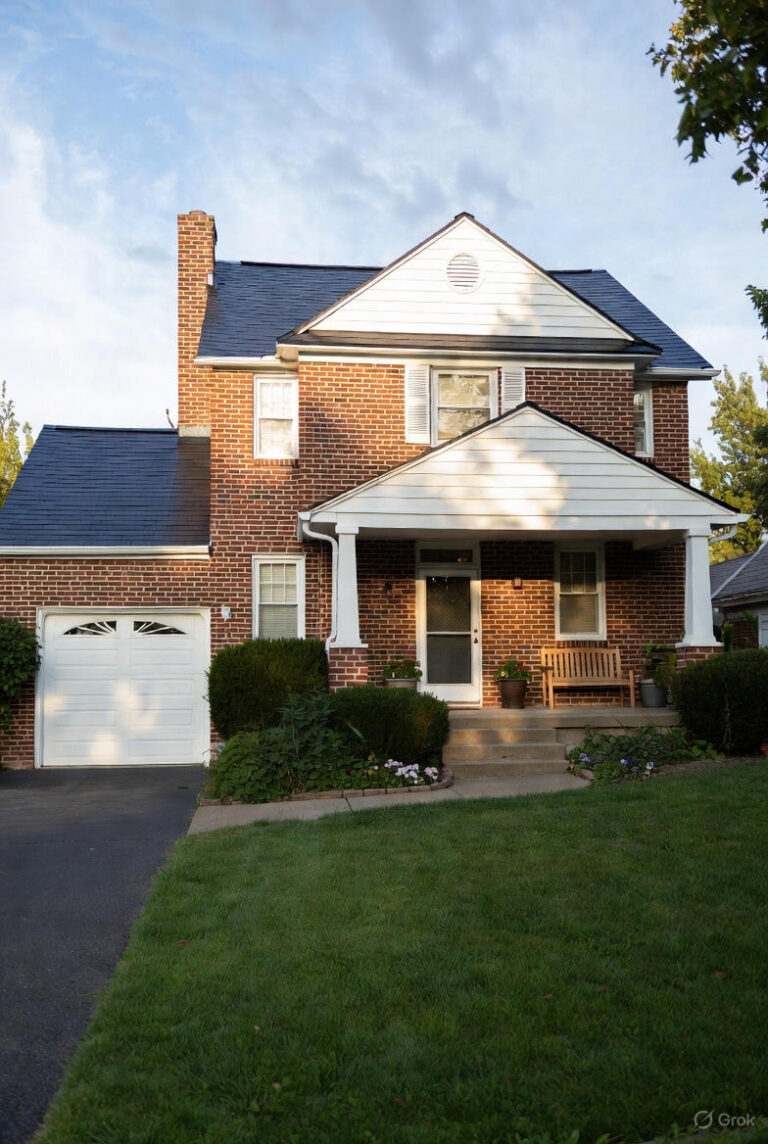
Homeowners should tailor this list to their specific home, adjusting tasks based on age, construction style, location, and previous issues. A century-old brick home in Oakwood will require a different approach than a 1990s ranch in Beavercreek or a 1970s split-level in Miamisburg.
How Maintenance Influences Claims
Insurance adjusters evaluate whether damage came from a sudden incident or gradual deterioration. A burst pipe from freezing temperatures may be covered, but a leak caused by rusted joints typically is not. Roof leaks caused by storm damage are generally covered, but leaks caused by worn shingles or clogged gutters are excluded. By maintaining the home, homeowners avoid claim denials and reduce the chances of premium increases caused by avoidable incidents.
Partnering with a Local Agent for Maintenance Guidance
Many Ohio homeowners do not realize that insurance agents can serve as advisors on maintenance priorities. A knowledgeable local agent can explain how certain repairs impact eligibility, which improvements insurers value most, and which tasks prevent the most common claim scenarios. Agents familiar with Dayton, Kettering, and surrounding communities understand the differences in housing stock and can offer guidance tailored to the home’s age and location.
Related Resources
Conclusion
Home maintenance is a powerful form of insurance in its own right. With Ohio’s mix of weather extremes, aging homes, and rising repair costs, staying ahead of maintenance tasks protects both your home and your wallet. A consistent, organized approach—whether through a personal tracking system like a shared Google Sheet or a seasonal checklist—helps prevent unforeseen issues and keeps your insurance coverage operating as intended.
For personalized guidance or a maintenance-related coverage review, Ingram Insurance is always here to help.
Call: (937) 741-5100
Website: www.insuredbyingram.com