
Homeowners Insurance for Wolf Creek Dayton Ohio
Choosing the right Homeowners Insurance for Wolf Creek Dayton Ohio requires understanding one of the most complex and rapidly changing neighborhoods in the city. Wolf Creek blends Victorian-era architecture, Craftsman homes from the early 1900s, brick mid-century houses, and a growing wave of new construction driven by organizations like County Corp. This mix of extremely old housing stock, new development energy, and proximity to the booming Wright-Dunbar district creates a highly unique insurance landscape—one that rewards careful planning. In this comprehensive guide, we break down how home age, construction type, vacancy rates, environmental issues, and socioeconomic factors influence premiums and coverage. If you own a home in Wolf Creek or are thinking about moving here, this is the single most important insurance article you will read.
Homeowners Insurance for Wolf Creek Dayton Ohio
Understanding Homeowners Insurance for Wolf Creek Dayton Ohio means stepping into a neighborhood where history, architecture, and socioeconomic change all collide to shape risk. Wolf Creek is a place where 120-year-old Victorian houses sit next to 1950s bungalows and brand-new infill construction. It’s a community deeply connected to Dayton’s history—home to Paul Laurence Dunbar and within walking distance of Wright-Dunbar’s rapidly revitalizing business and housing corridor. At the same time, Wolf Creek continues to face high vacancy rates, homeless encampments, and pockets of urban blight that create genuine risk challenges for insurers.
Whether your home was built in 1905, 1965, or 2023, Homeowners Insurance for Wolf Creek Dayton Ohio must be tailored to your property’s era, materials, mechanical systems, and location-specific exposures. This article covers everything you need to know to properly insure a home in one of Dayton’s most historically important—and risk-sensitive—neighborhoods.
The Architectural Complexity Behind Homeowners Insurance for Wolf Creek Dayton Ohio
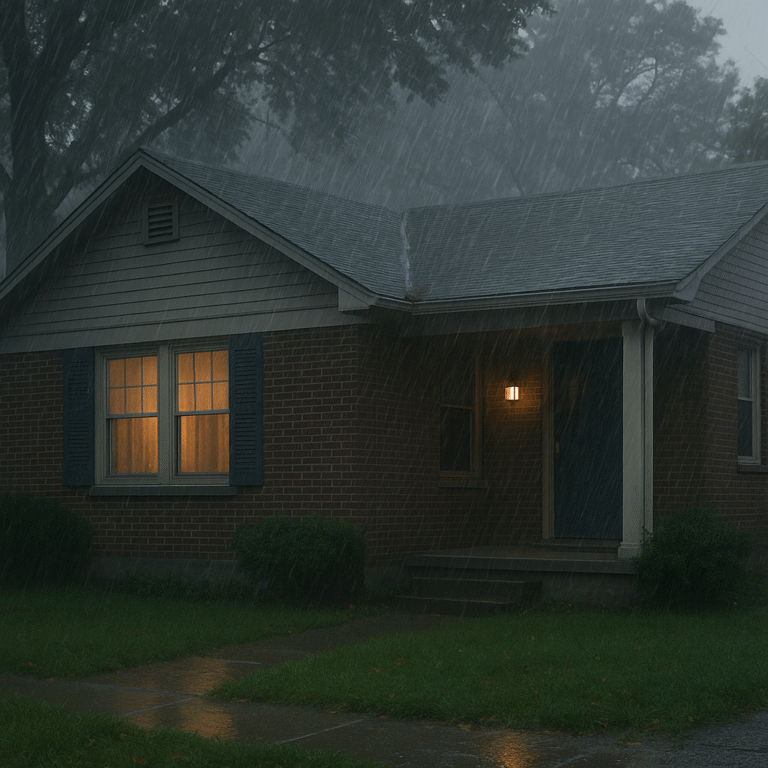
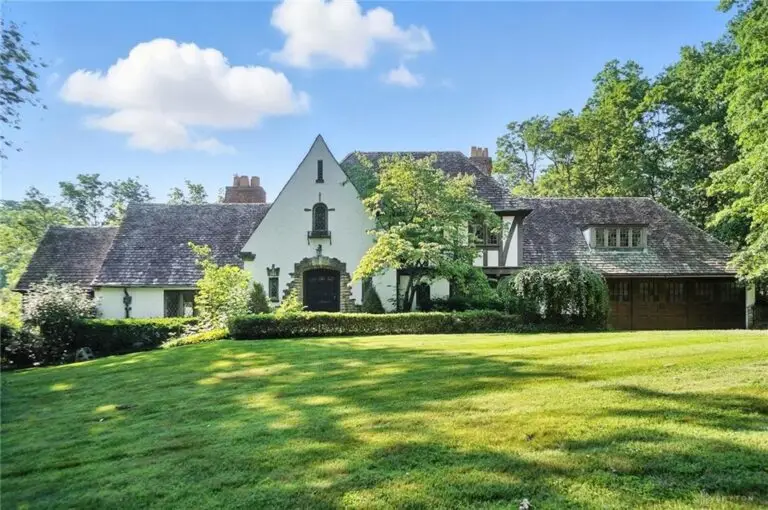
Wolf Creek is one of Dayton’s richest architectural environments. Its homes generally fall into four major categories, each with distinct insurance implications:
Early 1900s Victorian and Craftsman Homes: Structural, Material, and Insurance Implications
The portion of Wolf Creek developed between 1900 and approximately 1925 represents one of Dayton’s most architecturally significant residential corridors. These early 20th-century Victorian and Craftsman-era structures were built during a period of rapid industrial expansion, when local sawmills, brickyards, and artisan trades produced housing stock characterized by high craftsmanship, complex geometry, and comparatively durable materials. As a result, the neighborhood contains a concentrated inventory of homes that, while aesthetically valuable, present distinct challenges for contemporary risk assessment and insurance underwriting.
From a construction perspective, many Wolf Creek homes of this era were built using balloon framing, a method common prior to World War II in which long, continuous framing members run from the sill plate to the roof. While this technique allowed builders to erect taller and more ornate structures efficiently, it also creates continuous vertical cavities that can accelerate the upward spread of fire—a factor still recognized in modern loss-models for pre-1940 residential properties.
Foundations from this period are typically composed of stone, brick, or early poured concrete, often constructed without modern drainage systems or waterproofing membranes. These assemblies were durable for their time but are now prone to capillary moisture movement, mortar deterioration, and hydrostatic intrusion—particularly in a neighborhood like Wolf Creek, where soil saturation and creek-adjacent hydrology increase lateral water pressure against foundation walls. This alone is a major driver of insurance claims related to foundation cracking, seepage, and interior water damage.
Roof structures in these homes often display the defining characteristics of the Victorian and Craftsman movements: steeply pitched rooflines, intersecting gables, extended eaves, and decorative dormers. While architecturally valuable, these complex assemblies significantly increase both the probability and cost of roof-related claims. Steeper pitches create greater wind uplift forces, while multi-gable intersections introduce more points of potential water infiltration. For insurers, this combination results in materially higher replacement cost estimates for any roof loss scenario.
Interior assemblies typically include lath-and-plaster wall systems, original hardwood flooring, and custom millwork not readily replicable with modern materials. Plaster restoration alone can cost three to five times more than drywall replacement. The same cost differentials apply to historic window restoration, re-creating period-correct trim profiles, or repairing ornamental staircases—factors that elevate the true reconstruction cost well above what market value might suggest. In other words, a 2,400-square-foot Victorian valued at $120,000 in the real estate market may require $300,000 to $400,000 to fully rebuild following a total loss.
Older electrical systems pose another significant underwriting concern. Many homes from this era still contain—or once contained—knob-and-tube wiring, early fused panels, or mid-century modifications performed without permitting. Even when modernized, insurers account for the elevated historical fire risk inherent in these structures, especially when balloon framing and aged electrical components coexist.
Collectively, these material and structural characteristics shape how carriers approach Homeowners Insurance for Wolf Creek Dayton Ohio. Underwriters typically assign higher replacement cost valuations and may impose stricter documentation requirements, including roof age verification, electrical system updates, plumbing improvements, and photographic evidence of structural condition. To avoid significant coverage gaps, homeowners should routinely consider:
- Extended dwelling coverage (typically 25%–50% above stated limits)
- Guaranteed replacement cost endorsements where available
- Ordinance or Law coverage for code-driven reconstruction requirements
- Water backup coverage due to foundation and aging infrastructure vulnerabilities
In summary, Wolf Creek’s early 1900s Victorian and Craftsman homes are architecturally significant but technically complex structures whose age, materials, and design features materially increase claims severity and reconstruction costs. Modern homeowners insurance must be calibrated not to the market value of these properties but to the true cost of restoring or reconstructing them in accordance with their historical building profiles.uld strongly consider guaranteed replacement cost or extended dwelling coverage when securing Homeowners Insurance for Wolf Creek Dayton Ohio.
Mid-Century Homes (1940s–1980s): Post-War Construction Patterns and Insurance Risk Characteristics
The mid-20th century residential expansion of Wolf Creek corresponds with Dayton’s post–World War II industrial growth, during which the city experienced significant westward development. Homes built between the 1940s and the late 1980s reflect a very different architectural and structural philosophy from the Victorian and Craftsman-era properties that dominate the earlier portion of the neighborhood. These post-war houses were typically constructed with an emphasis on efficiency, cost containment, and standardized building materials, resulting in a housing stock that is comparatively less ornate but functionally durable. However, the age of these properties now introduces its own distinct insurance considerations.
From a structural perspective, these mid-century homes generally feature cinder block or brick foundations, assemblies that were economical to construct but were not engineered to meet modern drainage or waterproofing standards. Over time, the porosity of early cinder block materials can permit moisture intrusion, particularly in a neighborhood like Wolf Creek where soil saturation fluctuates in response to creek-adjacent hydrology, seasonal rainfall, and runoff patterns. Although these foundations are less prone to catastrophic failure than older stone assemblies, they remain vulnerable to cracking, efflorescence, and water seepage—all of which influence underwriting and loss prediction models.
Square footage in mid-century Wolf Creek homes tends to be modest, reflecting the era’s emphasis on minimalism and the rise of the nuclear-family floorplan. While smaller homes reduce total replacement cost exposure for insurers, they frequently contain aging mechanical systems that elevate the likelihood of partial-loss claims. Of particular concern are cast-iron drain lines and galvanized plumbing systems, both of which degrade significantly after several decades. Corrosion, scale buildup, and joint failures in these systems frequently produce water loss events—including hidden leaks, sewer backups, and foundation-adjacent moisture damage—that fall squarely into high-frequency, high-severity claim categories.
Electrical systems also represent a major liability in mid-century Wolf Creek properties. Many homes constructed during this period were fitted with panels and components that are now considered obsolete or hazardous. Most notably, Federal Pacific Electric (FPE) Stab-Lok panels—common in homes built between the 1950s and 1980s—are associated with documented breaker malfunctions and elevated fire risk. Even when panels have been replaced, outdated branch-circuit wiring, insufficient amperage capacity, and legacy aluminum wiring (in some 1960s–1970s builds) remain critical underwriting concerns.
Roof structures in mid-century homes typically rely on early truss systems or dimensional lumber rafters. Although structurally sound when maintained, many of these roofs are now approaching or exceeding 50–70 years of service life. Material degradation, granule loss, rot in decking, and fatigue in supporting members are common findings during inspections. Because many of these homes have not undergone full roof replacement, insurers often require photographic documentation, certification of roof age, or conditional endorsements before providing full replacement cost coverage.
The environmental context of Wolf Creek further complicates risk exposure. The neighborhood’s dense tree canopy—one of the most extensive in West Dayton—creates elevated vulnerability to tree limb impact losses. Aging oaks, maples, and sycamores frequently overhang rooftops, garages, and driveways, increasing exposure to windstorm-related damage. Root systems from these mature trees also contribute to sewer line intrusion and soil displacement near foundation walls, compounding water-related vulnerabilities.
In evaluating Homeowners Insurance for Wolf Creek Dayton Ohio, carriers generally account for these mid-century risk factors by scrutinizing: plumbing material type, electrical panel models, sewer line condition, roof age and composition, and proximity to overhanging trees. Homeowners seeking favorable premiums or broader coverage availability typically benefit from proactively documenting upgrades, completing electrical or plumbing modernizations, and addressing roof conditions before seeking quotes.
As these homes continue to age, the interplay between mid-century building methods, environmental conditions, and modern insurance requirements becomes increasingly significant. Understanding these dynamics is essential for accurately assessing replacement cost, predicting loss patterns, and ensuring adequate coverage for this substantial segment of Wolf Creek’s housing inventory.
Contemporary Infill Development and New Construction: County Corp’s Role in Modernizing Wolf Creek
In contrast to Wolf Creek’s substantial inventory of pre-1940 and mid-century housing, the neighborhood has experienced a noticeable increase in contemporary infill construction over the past decade—activity driven largely by local development organizations, most prominently County Corp. These new residential projects represent a deliberate intervention into aging urban fabric, intended to stabilize housing availability, modernize infrastructure, and counteract decades of disinvestment that have affected portions of West Dayton.
New construction within Wolf Creek typically adheres to current building codes, material standards, and energy-efficiency requirements, marking a substantial departure from the structural variability and mechanical unpredictability associated with the neighborhood’s earlier eras. These homes generally feature engineered truss roof systems, modern framing techniques, vinyl or fiber-cement siding, closed-cell insulation assemblies, and PVC or PEX plumbing—all of which significantly reduce the rate of system failures that historically drive claims frequency in older housing stock.
From an insurance perspective, these structural advantages translate into more predictable underwriting models. Contemporary builds are less prone to catastrophic roof failures, electrical faults, or plumbing-related water losses due to the incorporation of:
- Up-to-date electrical systems built to current NEC standards
- Modern HVAC units with reduced fire risk and higher reliability
- Engineered lumber products with consistent load characteristics
- Foundation drainage and waterproofing systems that mitigate hydrostatic pressure
These design characteristics generally position new construction homes favorably in the context of Homeowners Insurance for Wolf Creek Dayton Ohio. Insurers often apply new-home credits, lower base hazard multipliers, and broader eligibility for enhanced replacement cost options. Additionally, loss-prevention features such as smoke and carbon monoxide detectors, hardwired security systems, and modern sump pump designs further reduce expected claim severity.
However, the insurance profile of new construction in Wolf Creek cannot be evaluated in isolation. Although the individual structures may present low intrinsic risk, they remain embedded in a neighborhood with elevated environmental and socioeconomic exposures. Proximity to older homes with deferred maintenance, clusters of vacant structures, and ongoing revitalization projects introduces risk vectors that remain relevant even for newly built properties. Accordingly, carriers incorporate neighborhood-level variables—crime scores, fire response metrics, and historical claim density—into underwriting decisions, meaning that new construction does not automatically guarantee lower premiums.
Another consideration involves the overall cost composition of new construction. While modern materials reduce certain types of losses, they also increase replacement costs in absolute dollars. Engineered roofing systems, composite siding, energy-rated windows, and contemporary mechanical assemblies are more expensive to replace than components found in mid-century homes. Consequently, insurance valuations for new builds often include higher dwelling limits despite lower hazard ratings.
County Corp’s infill projects also reflect a broader municipal strategy aimed at stabilizing population loss and attracting new homeowners to Wolf Creek. As more new construction is added to the area, insurers may gradually recalibrate risk scoring for the neighborhood, particularly if these builds correlate with improved occupancy rates, enhanced lighting, reduced vacancy, and declining property crime incidents. These shifts can influence long-term pricing trends for Homeowners Insurance for Wolf Creek Dayton Ohio, even though the immediate effects may be modest.
In summary, new construction in Wolf Creek—driven primarily by nonprofit and community development entities—provides an increasingly important counterbalance to the neighborhood’s older and risk-sensitive housing inventory. While these homes offer superior structural resilience and more favorable underwriting characteristics, their insurance outcomes remain interconnected with broader neighborhood factors, making them part of a complex and evolving risk landscape.t response times—which influence premiums regardless of the building’s age.
4. Mixed-Use and Multi-Family Properties
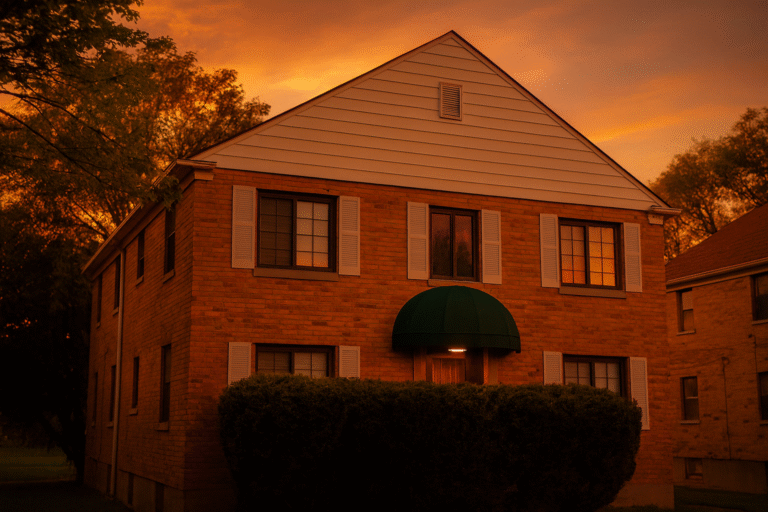
Wolf Creek has a number of duplexes, triplexes, and converted multi-family properties. These bring their own complications:
- Higher liability exposure
- More foot traffic
- Older shared systems
- Potential vacancy issues
Owners of these properties require specific policy types, depending on occupancy and rental arrangements.
Historic Significance: Paul Laurence Dunbar and the Cultural Legacy of Wolf Creek
Wolf Creek isn’t just another Dayton neighborhood—it’s a cornerstone of Black history and American literature. Paul Laurence Dunbar, one of the country’s most influential poets, lived in the area adjacent to what we now consider the Wolf Creek corridor. His presence cements the neighborhood’s cultural importance, and several homes nearby date back to the same era.
This legacy contributes to the unique housing fabric: many Dunbar-era homes have:
- Original stone foundations
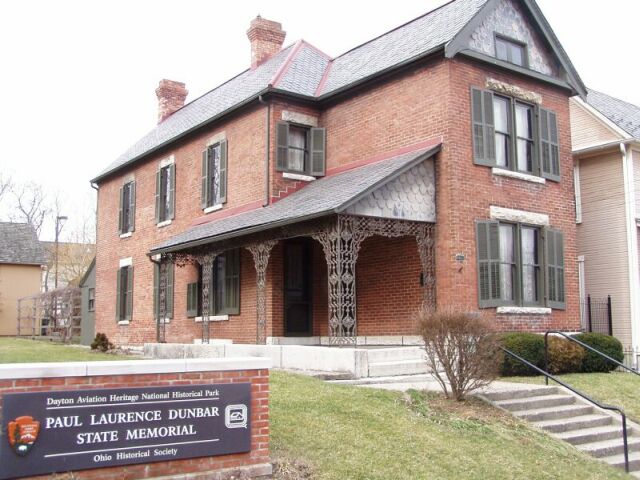
- Architectural features not found elsewhere in Dayton
- Steep, complex roofs requiring custom repair work
When insuring historic homes under Homeowners Insurance for Wolf Creek Dayton Ohio, it’s critical for property owners to understand that replacement cost is not the same as market value. A 2,500-square-foot Victorian valued at $80,000 on the market might cost $300,000+ to rebuild after a total loss.
How New Development and Wright-Dunbar’s Boom Impact Homeowners Insurance for Wolf Creek Dayton Ohio
Wolf Creek sits directly west of the Wright-Dunbar Innovation District—a rapidly revitalizing neighborhood experiencing a surge in:
- New businesses
- Renovated housing
- Young professionals moving in
- Historic preservation investment
We recently covered this explosive growth in our article Why Wright-Dunbar Is Becoming Dayton’s Hottest New Housing Market.
Wolf Creek is poised to benefit directly from:
- Spillover demand for renovated homes
- Increasing property values
- Greater community investment
- Infrastructure improvements
This upward pressure generally signals a good long-term outlook, but for homeowners insurance purposes, it comes with both benefits and risks.
Benefits:
- Lower risk of long-term vacancy
- More active neighborhood watch presence
- More renovation = newer systems
Risks:
- Construction-related hazards
- Higher rebuild costs as material prices rise
- Increased fire exposure due to rehab activity
Insurers factor each of these into the cost of Homeowners Insurance for Wolf Creek Dayton Ohio.
Persistent Neighborhood Risks: Vacant Homes and Homeless Encampments
Even with its strong architectural heritage and promising developments, Wolf Creek continues to face real challenges:
- Vacant homes susceptible to fire, vandalism, and structural collapse
- Homeless encampments hidden along the creek corridor and in wooded lots
- Occasional arson activity in empty houses
- Break-ins targeting copper plumbing and mechanical systems
These risks directly affect premiums for Homeowners Insurance for Wolf Creek Dayton Ohio.
Insurers are extremely sensitive to:
- Clusters of vacant properties
- Fire department response times
- EMS availability
- Crime index scores
- Reported incidents involving squatting or encampments
These factors often weigh more heavily than the age of the home itself.
Let’s be direct: If you live in Wolf Creek and want lower insurance premiums and increased carrier availability, one of the most effective long-term strategies is civic engagement. Many homeowners do not realize this, but insurers closely track neighborhood-level improvements.
If you are a Wolf Creek homeowner, you should be reaching out to your Dayton city commissioners, attending community meetings, and pushing for cleanup efforts around the creek corridor and abandoned properties. These improvements directly reduce insurance risk and stabilize the neighborhood.
Insurance Complications Caused by Wolf Creek’s Diverse Housing Stock
The wide variation in home age and construction style makes underwriting in Wolf Creek unusually complex. For example:
- A 1905 Victorian may require full foundation rehab.
- A 1955 brick ranch might have outdated copper lines.
- A 2022 County Corp build might need only standard HO3 coverage.
Below, we break down the major insurance challenges tied to each type of structure.
Structural and Mechanical Risk Factors Influencing Homeowners Insurance for Wolf Creek Dayton Ohio
The complexity of Wolf Creek’s housing stock—ranging from early 20th-century Victorian structures to post-war construction—results in a layered risk environment that materially impacts how insurers evaluate residential properties. The following subsections outline the principal technical challenges associated with aging systems, structural assemblies, and neighborhood conditions, all of which influence loss frequency, claims severity, and replacement cost valuations within underwriting models.
Challenge 1: Aging Mechanical Systems and Infrastructure Degradation
Mechanical systems in older Wolf Creek homes—particularly those built prior to 1970—exhibit predictable patterns of material fatigue and failure. Plumbing lines constructed from galvanized steel or cast iron experience corrosion, scale accumulation, and joint deterioration, leading to leaks, reduced flow, or unexpected ruptures. Sewer laterals, many of which predate modern PVC systems, are vulnerable to root intrusion, misalignment, and total collapse. Electrical assemblies installed before the adoption of modern code standards frequently include outdated breaker panels, insufficient amperage capacity, and legacy wiring configurations.
These mechanical vulnerabilities significantly elevate the likelihood of insurance claims related to:
- Water damage resulting from plumbing failures or hidden line breaches
- Sewer or drain backup caused by aging laterals and tree-root intrusion
- Electrical fires associated with obsolete wiring or overburdened circuits
Empirical claim data across similar historic neighborhoods demonstrates that mechanical system degradation constitutes a major driver of high-frequency, high-severity losses. Accordingly, insurers apply heightened scrutiny to system upgrade records and may impose limitations or surcharges when deficiencies are present.
Challenge 2: Roof Age, Geometry, and Structural Complexity
Roof systems in Wolf Creek reflect the architectural period in which they were constructed. Victorian and Craftsman-era homes commonly feature steeply pitched roofs, intersecting gables, multiple dormers, and extended soffit assemblies. These structures, while architecturally distinctive, introduce elevated exposure to wind uplift, ice dam formation, and water infiltration at valleys and joining planes. Even mid-century homes with simpler geometries often have roofs approaching or exceeding the end of their functional lifespan.
Due to the claims volatility associated with roof failures, insurers frequently require:
- Photographic documentation of current roof condition
- Verifiable age records of roofing materials and underlayment
- Inspection reports confirming structural integrity and absence of deterioration
Homes lacking documentation may be restricted to Actual Cash Value (ACV) roof settlements, particularly when roof age exceeds insurer thresholds. Replacement cost coverage is typically reserved for properties that demonstrate adequate maintenance and confirmable roof life expectancy.
Challenge 3: Foundation Conditions and Moisture Intrusion Dynamics
Wolf Creek’s proximity to its namesake waterway introduces environmental risk factors associated with elevated soil moisture, variable water tables, and hydrostatic pressure. Many older residences in the neighborhood were constructed on stone, brick, or early concrete foundations without modern drainage systems, impermeable membranes, or engineered grading.
As a result, these foundations exhibit susceptibility to:
- Hydrostatic pressure forcing water through microscopic cracks or mortar joints
- Cracking and lateral movement caused by repeated freeze–thaw cycles
- Mold and microbial growth resulting from chronic moisture accumulation
Because foundation seepage and moisture issues often fall outside the scope of standard homeowners policies, underwriters carefully evaluate basement conditions, presence of sump pump systems, and any documented waterproofing improvements before determining coverage eligibility or premium structure.
Challenge 4: Fire and Vandalism Exposure Driven by Neighborhood Vacancies
Despite ongoing revitalization efforts, Wolf Creek continues to experience intermittent vacancy patterns, with unoccupied or abandoned structures present along several corridors. These properties introduce substantial adjacent-structure exposure for neighboring homes. Vacant buildings are disproportionately susceptible to arson, electrical fires from compromised wiring, unauthorized entry, and vandalism.
When a vacant structure ignites, nearby occupied homes often sustain:
- Heat exposure causing siding melt or window failure
- Smoke damage permeating insulation, HVAC systems, and interior assemblies
- Roof damage from radiant heat or falling debris
- Fire spread in closely spaced residential blocks
Insurers incorporate neighborhood-level vacancy density, historical fire incidents, and crime indices into rating models for Homeowners Insurance for Wolf Creek Dayton Ohio, often resulting in increased premiums or limited carrier appetite when vacancy exposure reaches threshold levels.
Challenge 5: Rebuild Cost Inflation Driven by Architectural Complexity
The architectural attributes that give Wolf Creek its historic character—custom millwork, plaster interiors, intricate cornices, multi-gable rooflines, and antique window assemblies—also contribute to disproportionately high reconstruction costs. Restoration of these features often requires specialized labor, custom fabrication, and adherence to architectural preservation standards, all of which exceed the unit costs associated with modern materials.
To ensure adequate financial protection in the event of a major loss, homeowners frequently require:
- Extended dwelling coverage providing 25–50% additional coverage above the stated limit
- Guaranteed replacement cost endorsements eliminating cap limitations during total reconstruction
- Inflation protection riders adjusting coverage annually to reflect market fluctuations in material and labor costs
Given the variability and complexity of reconstruction costs in historic neighborhoods, underinsurance represents one of the most significant financial risks for property owners in Wolf Creek.
What Coverage Should You Prioritize in Homeowners Insurance for Wolf Creek Dayton Ohio?
1. Replacement Cost (Not ACV)
Too many homeowners inadvertently select Actual Cash Value policies, which depreciate everything. A 115-year-old house would receive pennies on the dollar. Replacement Cost is essential.
2. Water Backup and Sump Pump Endorsements
Given the area’s age and proximity to the creek, this is a must-have coverage.
3. Roof Replacement Cost
Steep Victorian roofs and complex eave systems demand full replacement cost, not ACV.
4. Liability Coverage
Sidewalks, porches, and large steps are common sources of claims. We recommend $300,000–$500,000 minimum.
5. Ordinance or Law Coverage
Older homes require code upgrades after a loss. Dayton’s code requirements can significantly increase rebuild costs.
6. Extended Dwelling or Guaranteed Replacement Cost
Because Victorian and Craftsman home rebuilds often exceed estimates.
How to Get the Best Homeowners Insurance for Wolf Creek Dayton Ohio
- Document home updates with photos.
- Share roof, plumbing, HVAC, and electrical upgrade receipts.
- Ask about water-related endorsements.
- Get quotes from multiple carriers through an independent agent.
- Compare replacement cost estimates with your home’s square footage.
- Invest in security upgrades to reduce risk.
Work with a Local Agent Who Understands Wolf Creek
Ingram Insurance is located right here in Dayton, and we understand the complex mix of historic architecture, neighborhood risk, and new development trends unique to Wolf Creek.
If you’re ready to get a second opinion on your Homeowners Insurance for Wolf Creek Dayton Ohio, call us at (937) 741-5100, email contact@insuredbyingram.com, or visit https://www.insuredbyingram.com.