How Long Will Insurance Pay for Rental Car During Repairs?
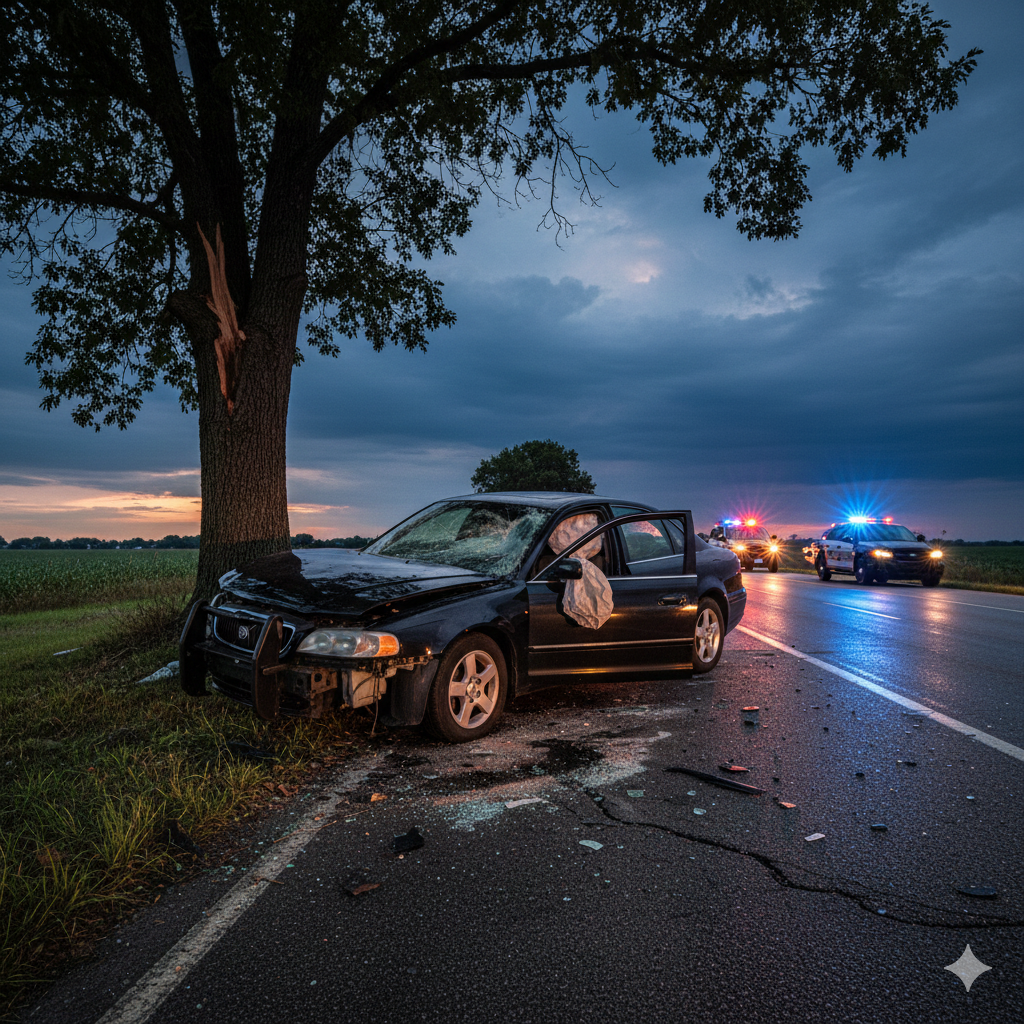
After a car accident, one of the first questions drivers ask is not about repairs — it’s transportation. If your vehicle is in the shop, you may be wondering how long will insurance pay for rental car during repairs, and whether you’ll suddenly be left without coverage before your car is ready.
The answer depends on your policy, the cause of the accident, and how long repairs reasonably take. Understanding these limits ahead of time can help you avoid unexpected rental bills and coverage gaps.
How Long Will Insurance Pay for Rental Car During Repairs?
The Short Answer: It Depends on Coverage and Reasonable Repair Time
Insurance will typically pay for a rental car during repairs for the amount of time it reasonably takes to repair your vehicle — up to the limits of your policy. Rental coverage is not unlimited and does not last indefinitely.
Most auto insurance policies that include rental reimbursement coverage pay for a rental car:
- While your vehicle is being repaired due to a covered claim
- Until repairs are completed or the policy limit is reached
- For a “reasonable repair period,” not delays unrelated to the claim
What Is Rental Reimbursement Coverage?
Rental reimbursement coverage is an optional coverage available on many auto insurance policies that helps pay for the cost of a rental vehicle when your insured car is temporarily unusable due to a covered claim. This coverage is designed to address short-term transportation needs following an accident or comprehensive loss, not to provide unlimited rental access.
Rental reimbursement coverage typically applies only when your vehicle is out of service because of a covered peril, such as a collision, vandalism, fire, theft, or certain comprehensive claims. It does not apply to routine maintenance, mechanical breakdowns, or repairs unrelated to an insured loss.
Coverage is generally structured with two key limits:
- A daily maximum: Commonly $30 to $50 per day, though higher limits may be available
- A total or aggregate maximum: Often ranging from $900 to $1,500 per claim
Both limits work together. Insurance will pay the lesser of the actual rental cost or the daily limit, and payments stop once the total maximum is reached. If your rental vehicle costs more than the daily allowance, or if repairs extend beyond the total limit, the remaining balance becomes the policyholder’s responsibility.
It is also important to understand that rental reimbursement coverage does not guarantee a specific type of rental vehicle. Insurers generally reimburse for basic transportation comparable to your insured vehicle, not specialty or luxury rentals unless explicitly endorsed.
Because rental reimbursement coverage is optional, not all drivers carry it. Many policyholders only realize they lack this coverage after an accident occurs, making it an important item to review before a claim arises.
How Long Will Insurance Pay for a Rental Car During Repairs?
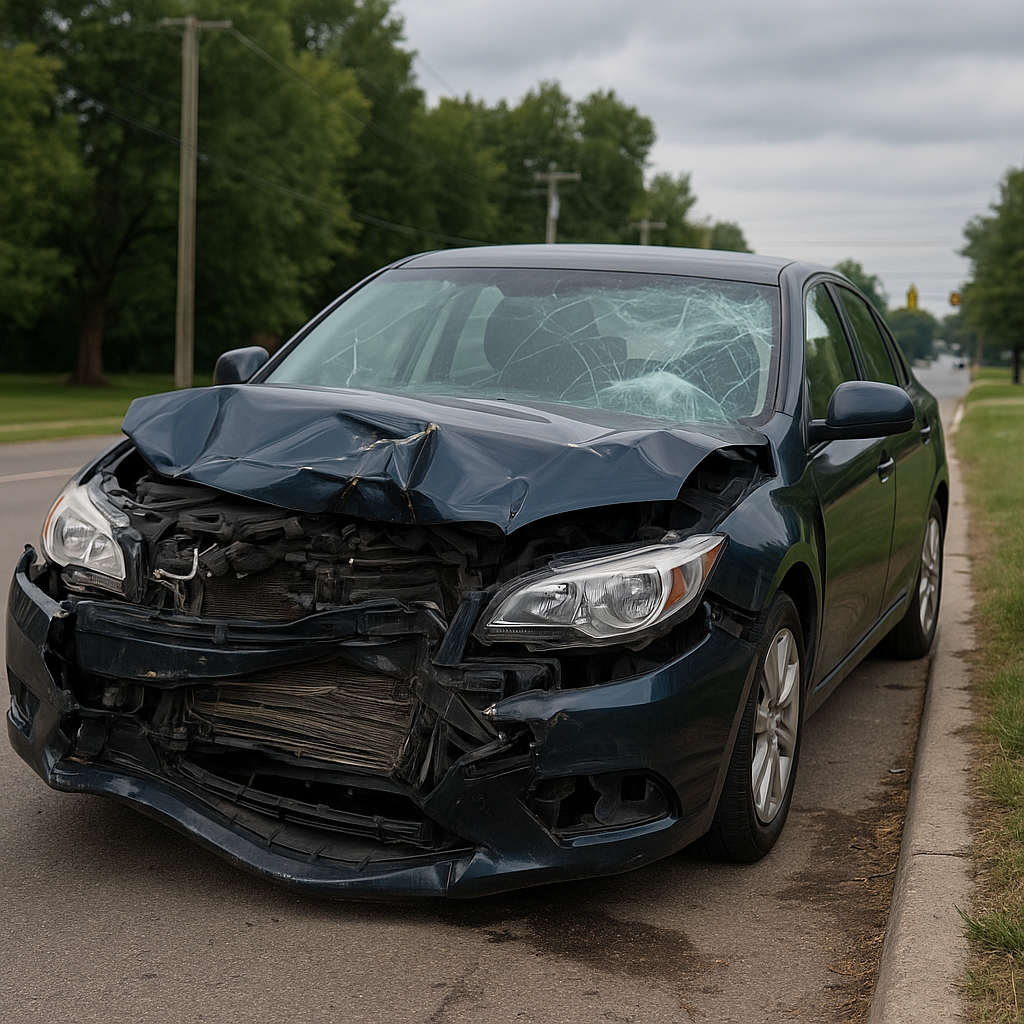
In most situations, insurance will pay for a rental car during repairs for the amount of time it reasonably takes to restore the vehicle to its pre-loss condition, subject to the limits of the rental reimbursement coverage on the policy.
Three conditions generally must be met for rental coverage to apply:
- The loss must be covered under the policy
- The vehicle must be actively undergoing repair or awaiting repair due to the covered loss
- The repair timeline must be considered reasonable by the insurer
Insurance companies evaluate repair time using a combination of industry-standard labor estimates, repair shop documentation, and adjuster review. The goal is to determine how long repairs should normally take under typical circumstances, not how long the vehicle ultimately remains in the shop.
Rental coverage may end before repairs are complete if delays occur due to factors outside the scope of the covered claim, such as:
- Backlogs at the repair facility
- Delays in ordering non-covered parts or upgrades
- Scheduling issues unrelated to claim approval
Additionally, rental reimbursement coverage stops automatically once the policy’s daily or total limits are reached, even if the insurer agrees that repairs are still ongoing.
If a vehicle is declared a total loss, rental coverage usually ends shortly after the insurer makes a settlement offer or issues payment, rather than continuing until a replacement vehicle is purchased.
Because rental reimbursement is limited by both time and dollar amount, policyholders are encouraged to monitor repair progress closely and communicate with their adjuster to avoid unexpected out-of-pocket rental costs.
What Happens If Repairs Take Longer Than Expected?
Delays can complicate rental coverage. Insurance may stop paying for a rental car if:
- Repairs exceed what the insurer considers reasonable
- Parts delays are unrelated to the covered damage
- The rental reimbursement limit is exhausted
In these situations, you may be responsible for additional rental costs.
Does Insurance Pay for a Rental Car If the Car Is Totaled?
If your vehicle is declared a total loss, insurance usually pays for a rental car only for a short period — often until a settlement offer is made or payment is issued.
Once the claim is settled, rental coverage typically ends, even if you have not yet purchased a replacement vehicle.
What If the Other Driver Is at Fault?
When another driver is at fault for an accident, their auto insurance policy may be responsible for paying for your rental car while your vehicle is being repaired. This type of rental coverage is handled as a third-party claim under the at-fault driver’s liability insurance rather than under your own policy.
In practice, however, rental coverage through another driver’s insurance is often less predictable than using your own rental reimbursement coverage. Several conditions must be satisfied before the at-fault insurer agrees to pay for a rental vehicle.
Third-party rental coverage typically depends on:
- Liability being accepted: The other insurer must complete its investigation and formally accept fault before rental payments are authorized.
- Coverage limits: Rental costs are subject to the at-fault driver’s property damage liability limits, which may be insufficient in some cases.
- Claim resolution speed: Delays in statements, evidence, or fault determination can postpone rental approval.
Because these steps can take time, drivers are often left without immediate rental coverage while fault is being determined. For this reason, many policyholders choose to use their own rental reimbursement coverage first and later seek reimbursement from the at-fault insurer through subrogation.
Using your own coverage can provide faster access to a rental vehicle and reduce disruption, even though you may initially pay a deductible or incur out-of-pocket costs that are later recovered.
Does Insurance Pay for a Rental Car for Mechanical Repairs?
No. Auto insurance does not pay for rental vehicles during mechanical repairs that result from wear and tear, mechanical breakdown, or routine maintenance issues. Insurance coverage is designed to respond to sudden and accidental losses, not ongoing mechanical deterioration.
Examples of non-covered mechanical situations include:
- Engine or transmission failure
- Brake wear or suspension issues
- Electrical system malfunctions unrelated to a covered loss
- Repairs associated with recalls or manufacturer defects
Even if a vehicle becomes temporarily inoperable due to mechanical failure, rental reimbursement coverage does not apply unless the damage is directly tied to a covered claim, such as a collision or comprehensive loss.
Some extended warranties, service contracts, or roadside assistance programs may offer limited rental or transportation benefits during mechanical repairs, but these are separate from auto insurance and vary by provider.
How to Avoid Rental Car Coverage Gaps
How Long Will Insurance Pay for Rental Car During Repairs? Rental car coverage gaps most often occur when policyholders are unfamiliar with their rental reimbursement limits or when repair timelines exceed what the insurer considers reasonable. Proactive planning can significantly reduce the likelihood of unexpected rental expenses.
To minimize coverage gaps, drivers should:
- Confirm daily and total rental limits: Understand both the per-day allowance and the maximum payout per claim.
- Select a rental vehicle within coverage limits: Choosing a higher-cost rental than the policy allows can result in out-of-pocket charges.
- Use insurer-approved repair shops when possible: Approved shops often streamline estimates, approvals, and repair timelines.
- Maintain regular communication with the claims adjuster: Staying informed about delays or changes helps avoid surprises.
Drivers should also ask whether extensions are possible in unusual circumstances, such as severe parts shortages, though extensions are not guaranteed and vary by insurer.
Understanding rental reimbursement coverage before an accident occurs allows policyholders to make informed decisions, control costs, and maintain mobility during the repair process.
FAQs: How Long Will Insurance Pay for Rental Car During Repairs?
How long will insurance pay for rental car during repairs?
Insurance pays for a rental car during repairs for the reasonable repair period, up to your policy’s rental reimbursement limits.
Does insurance pay for a rental car the entire time my car is in the shop?
Not always. Coverage ends when repairs are completed, limits are reached, or delays are deemed unreasonable.
How long will insurance pay for rental car after an accident?
Insurance typically pays while repairs are being completed, but total loss claims often have shorter rental periods.
Will insurance extend rental coverage if parts are delayed?
Extensions are not guaranteed. Some insurers may allow limited extensions, but many do not.
Do I need rental reimbursement coverage to get a rental car?
Yes, unless another driver’s insurance accepts liability and agrees to pay for the rental.
Final Thoughts
So, how long will insurance pay for rental car during repairs? In most cases, insurance pays for a rental car only for the reasonable time needed to complete repairs — and only up to your policy’s coverage limits. Understanding those limits before an accident can prevent costly surprises.
Need Help Reviewing Your Auto Insurance Coverage?
Ingram Insurance
733 Salem Ave, Dayton, Ohio
Phone: (937) 741-5100
Website: https://www.insuredbyingram.com
Email: contact@insuredbyingram.com
We help Ohio drivers understand what their auto insurance actually covers — before claims happen.
Related Reading (Ingram Insurance Library)
If you’re researching claims, coverage limits, or Ohio-specific insurance rules, these internal resources may help.
Show more related articles
If you rent an apartment or home in Ohio, it’s important to understand how renters insurance works and what it actually covers. Many tenants are surprised to learn their landlord’s policy does not protect their personal belongings or liability. We’ve put together a complete guide explaining coverage options, costs, and common requirements across Ohio. Learn more about renters insurance in Ohio and how to choose the right policy for your situation.