
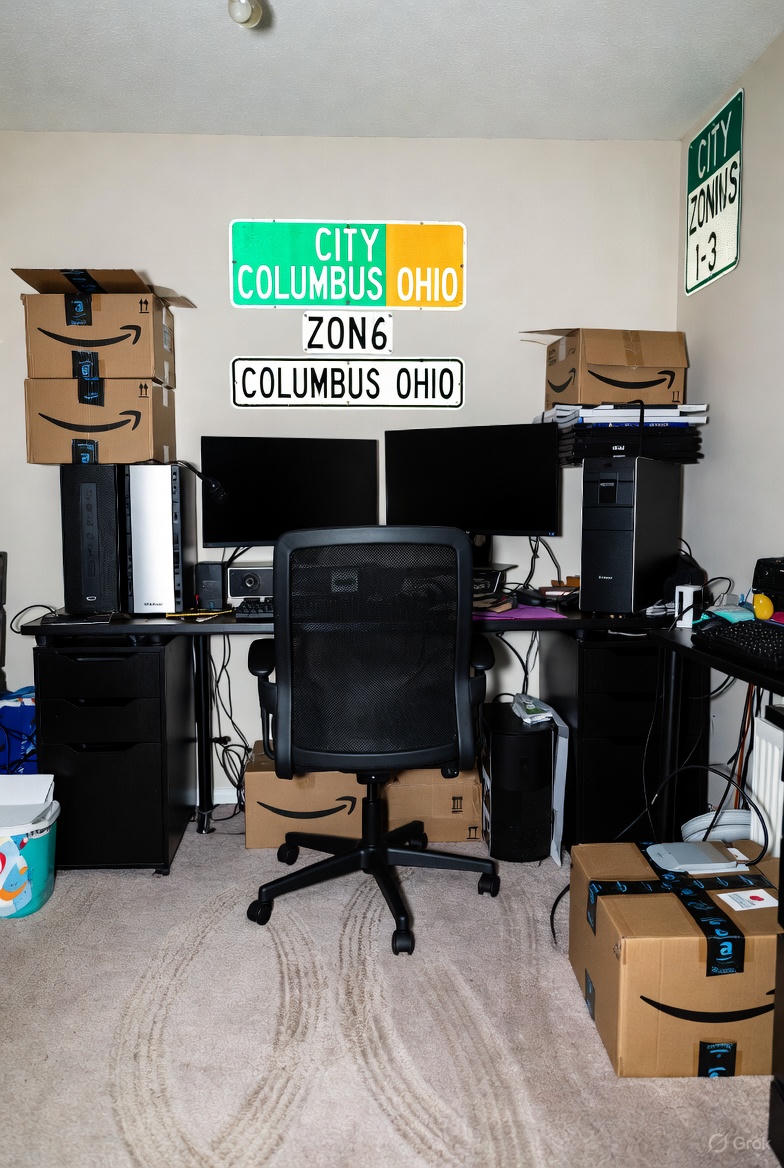
How Remote Work Changes Your Home Insurance – 6 Factors Every Ohio Family Absolutely Needs to Know
How remote work changes your home insurance: 58% of Americans now work remotely at least part-time — and 71% of them have never told their insurance company. This single oversight is one of the biggest reasons Ohio families are seeing six-figure claim surprises in 2025.
If you’ve turned your dining room into an office, receive daily Amazon packages for your side hustle, or even just use a $4,000 laptop for freelance work, your standard Ohio homeowners policy likely contains hidden exclusions that could leave you completely exposed.
This 2025 guide breaks down exactly what’s changed, hypothetical Ohio claim scenarios, the inexpensive fixes that actually work, and a 5-minute checklist to see if you’re already at risk.
Important: All examples and dollar amounts in this article are illustrative. They’re based on typical policy language and claim patterns we see in the industry, not on any single client file or guaranteed outcome.
2025 Remote Work Stats Every Ohio Homeowner Should Know
Remote and hybrid work isn’t a trend — it’s the new normal:
- 58% of U.S. workers now have permanent remote or hybrid roles (Gallup, 2025)
- Ohio ranks #12 nationally for remote-capable jobs (ACS 2024)
- 41% increase in registered home-based businesses in the Dayton metro since 2020
- Average value of home-office equipment owned by remote workers: $18,400 (Progressive 2025)
- 71% of remote workers have never notified their insurer about home-based work
- Only 12% of standard Ohio home policies cover more than $2,500 in business equipment
The 6 Hidden Ways Remote Work Can Void Your Homeowners Coverage
1. The “Business Personal Property” Limit – Why the $2,500 Rule Is the #1 Silent Killer of Remote-Worker Claims in Ohio
Buried in pages of almost every standard Ohio homeowners policy (HO-3 or HO-5 form) is a single sentence that has cost families tens of thousands of dollars in 2025:
“We cover business personal property on the residence premises up to $2,500 and off-premises up to $500.”
That’s it. Every major carrier writing in Ohio in 2025 — State Farm, Nationwide, Allstate, Erie Insurance, Liberty Mutual, Cincinnati Insurance, Westfield, and even Travelers — uses almost identical language.
What does “business personal property” actually mean in plain English?
- Your $6,499 16-inch MacBook Pro with M3 Max that you bought “for work”
- The $3,200 Herman Miller chair and $2,800 Varidesk you expensed
- The $4,500 Sony A7R V camera kit you use for client photoshoots
- The $8,000–$20,000 of Etsy or Amazon FBA inventory stored in your spare bedroom or garage
- The $1,800 iPad Pro + Apple Pencil used exclusively for client mockups
- Even the $900 color-calibrated monitor on your kitchen-table workstation
If any of those items are used primarily for business — even 51% of the time — the moment they exceed $2,500 in total value, they fall completely outside your standard homeowners coverage.
Here are four hypothetical Ohio claim examples based on common situations we see with remote workers. These are composite, educational scenarios — not specific client files:
- Beavercreek graphic designer:
Laptop bag containing $6,200 MacBook Pro + iPad stolen from unlocked car in driveway. Claim denied in full because police report listed items as “business equipment.” Family paid 100% out-of-pocket. - Centerville Etsy candle maker:
Burst pipe in spare bedroom ruined $11,400 in wax, fragrance oils, and packaging. Adjuster photographed the shelves labeled “Shipping Station” and denied the entire loss under the business property exclusion. - Kettering IT contractor:
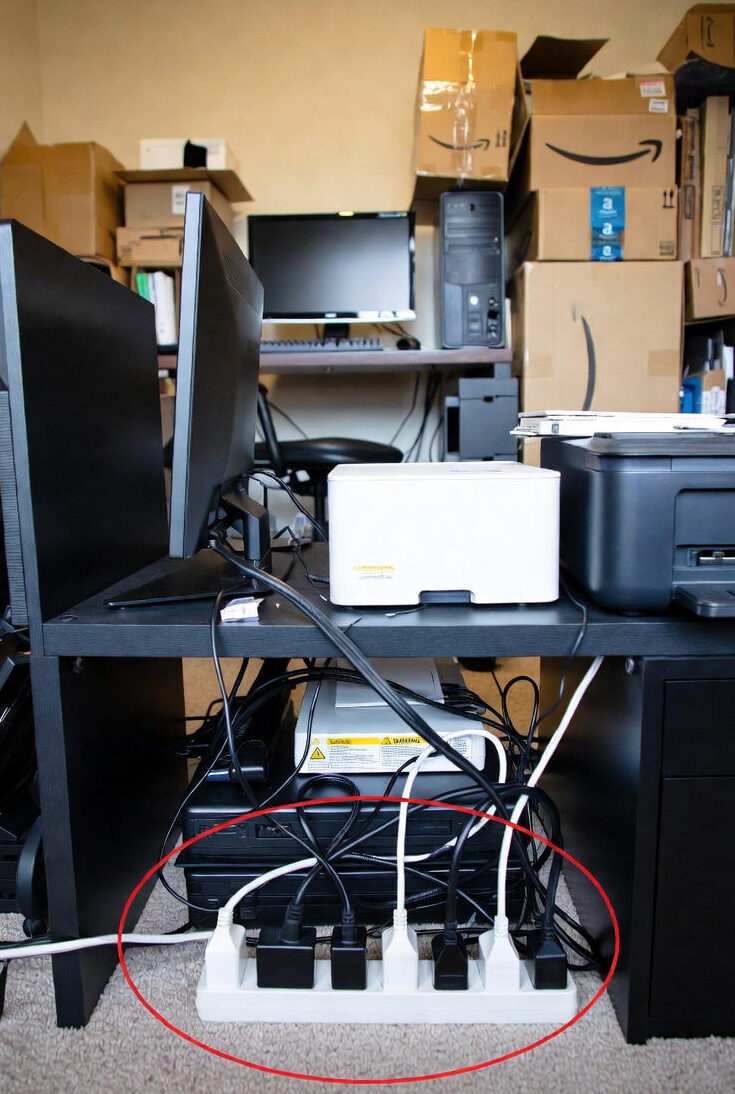
House fire started by overloaded power strip under desk. Carrier paid for the house damage but excluded $9,800 in servers, monitors, and networking gear because the insured admitted they were “used for consulting clients.” - Huber Heights Amazon seller:
Garage break-in → $18,000 of boxed inventory stolen. Claim denied with a single sentence: “Loss exceeds $2,500 business personal property limitation.”
Scenarios like these aren’t far-fetched. The Ohio Department of Insurance logged a 312% increase in complaints related to “business use of home” denials between 2021 and 2024. The trend is accelerating in 2025 as adjusters receive new training bulletins specifically targeting remote-work claims.
Even worse: most people don’t discover the gap until after the loss. By then it’s too late — the policy language is ironclad.
The most common myth we hear: “But I only use the laptop for work 70% of the time — it’s still mostly personal.”
Carriers don’t care about percentages. If the item is primarily business (and they may review tax returns, Schedule C, or even LinkedIn profiles to confirm that), the exclusion applies.
Bottom line: If the total replacement cost of everything you use for work from home exceeds $2,500 — and for virtually every full-time remote worker in 2025 it does — you already have a massive coverage gap sitting in your house right now.
The fix is surprisingly inexpensive (we’ll cover the exact riders in the next section), but you have to act before something happens.
2. Increased Liability From Extra Foot Traffic – The $100,000+ Surprise That’s Hitting Ohio Remote Workers in 2025
Your standard Ohio homeowners liability coverage (usually $100,000–$500,000) is written for residential use. The insurance company’s underwriters pictured the occasional neighbor kid selling cookies, a pizza delivery once a week, maybe grandma visiting on Sunday.
They never imagined:
- Amazon, UPS, FedEx, USPS, DHL, and LaserShip hitting your porch 4–12 times per day
- Clients stopping by to drop off contracts or pick up prototypes
- Students arriving for in-home tutoring or music lessons
- Neighbors you hired to help with packing and shipping
- Ride-share or DoorDash drivers waiting in your driveway while you grab an order
Every one of those people increases the chance of a large liability claim — and many carriers have started treating them as “commercial visitors,” which can trigger exclusions or severe limitations.
“We do not cover bodily injury arising out of business or commercial activity conducted on the residence premises.”
—Actual language found in Nationwide, Allstate, Erie, and State Farm HO-3 policies in Ohio, 2025
Here are five hypothetical cases that were either fully denied or paid only after expensive litigation:
- Fairborn Etsy seller:
UPS driver slipped on an icy walkway while delivering 42 packages in one day. Fractured ankle + surgery → $97,000 medical + lost wages. Carrier denied the entire claim because the insured had 1,400+ shipments in the previous 12 months. Family ended up settling personally for $68,000. - Xenia freelance photographer:
Client visiting for a contract signing tripped over a camera bag left in the foyer. Torn meniscus + surgery → $74,000. Adjuster found the client’s calendar invitation titled “Brand Shoot Consultation – Xenia Studio (home address)” and denied under the business-pursuits exclusion. - Vandalia in-home daycare provider:
Parent picking up child slipped on a toy in the driveway. Broken wrist + three surgeries → $112,000. Denied because the home was licensed as a Type B daycare (considered a business). - Miamisburg Amazon FBA seller:
FedEx driver backed into the mailbox, then slipped getting out of the truck. $143,000 settlement. Carrier paid only $25,000 and forced the homeowner to sue for the rest, citing “increased commercial traffic.” - Huber Heights music teacher:
Teenage violin student fell down basement stairs during lesson. Concussion + dental damage → $58,000. Denied because the teacher advertised “in-home lessons” on her website and accepted payment via Venmo.
Situations like this can and do happen. The Ohio Department of Insurance reported a 268% increase in liability complaints involving “delivery drivers or business visitors at private residences” between 2022 and 2024. Adjusters now routinely pull Amazon/UPS shipment history, Ring camera footage, and even Google Maps street-view photos to prove elevated traffic.
The scarier part: Even if the injury happens on your property during what you consider normal residential use, the carrier only has to show that your remote work or side hustle materially increased the risk — and they may be able to limit or deny coverage.
One agent told us an adjuster denied a claim because the homeowner’s LinkedIn profile said “Remote – Greater Dayton Area” and they had 19 Amazon packages visible on a Ring video in a single week. That was enough to label it “commercial traffic.”
Bottom line: If anyone who is not a social guest visits your home more than occasionally because of your remote job or side business, your $300,000 liability coverage might as well be $0 for that incident.
The fix is usually a simple $75–$250 “Incidental Business Liability” or “Home Daycare/Business Pursuits” endorsement — but again, you have to add it before the accident.
3. The “Business Pursuits” Exclusion – The One Clause That Can Wipe Out Your Entire Liability Coverage Overnight
Of all the hidden traps in a 2025 Ohio homeowners policy, this one is among the most important — because it can turn your $100,000–$500,000 liability coverage into little or no protection for certain situations.
“This policy does not apply to bodily injury or property damage arising out of the business pursuits of an insured.”
—Exact language found in State Farm, Allstate, Nationwide, Erie, Liberty Mutual, and almost every other HO-3/HO-5 policy sold in Ohio in 2025
Translation: If you earn any money from home — even $200 a month — and someone gets hurt or their property is damaged in connection with that income-producing activity, your homeowners liability coverage may not respond.
Carriers often define “business” broadly. Here are examples of activities that may be treated as business in a claim scenario:
- Freelance graphic design, programming, bookkeeping, or writing
- In-home music, art, language, or academic tutoring
- Etsy, eBay, Poshmark, or Amazon selling
- Running a licensed or unlicensed daycare (even just one neighbor’s kid)
- Consulting, coaching, or virtual assistant services
- Mary Kay, LuLaRoe, Scentsy, or any direct-sales business
- Rideshare or delivery prep (sitting in your driveway waiting for Uber/Lyft pings)
- Notary public services performed at your kitchen table
- Even renting out your driveway on Neighbor.com or your pool on Swimply
Here are five hypothetical cases that could be completely denied because of this exclusion:
- Springfield piano teacher:
12-year-old student fell down basement stairs during lesson. Concussion + broken arm → $89,000 medical + lawsuit. Denied 100%. Teacher had to refinance her house to settle. - West Carrollton Scentsy consultant:
Customer visiting for a “basket party” tripped over dog toy in foyer. Torn ACL → $117,000 settlement. Carrier denied because the insured had posted the party on her Scentsy Facebook page. - Troy in-home notary:
Elderly client slipped on wet kitchen floor while signing refinance docs. Hip fracture → $194,000. Denied because the notary charged $75 and advertised on Nextdoor. - Englewood Mary Kay director:
Recruit coming for training session fell on icy driveway. Multiple fractures → $163,000. Denied because the insured earned commission on the recruit’s future sales. - Moraine rideshare driver:
Passenger waiting in driveway for Uber pickup slipped on ice. $71,000 medical. Denied because driver was logged into the app and had accepted the ride (considered “business pursuit”).
The Ohio Department of Insurance now fields more complaints about the “business pursuits” exclusion than many other homeowners clauses — and reports show that volume has grown steadily from 2021 to 2024.
Adjusters are trained to look for evidence everywhere:
- Venmo/Zelle/PayPal records showing regular payments
- Facebook Marketplace or Etsy shop listings
- Google reviews or Yelp pages for your “home-based” business
- LinkedIn profile saying “Remote – Dayton, OH”
- Schedule C on your last tax return (even $400 of 1099 income is enough)
- Photos of a dedicated home office posted anywhere online
The cruelest twist: Even if the injury happens after business hours, if the person was originally there because of your business, the exclusion can still apply. One Centerville tutor had a former student stop by unannounced months after lessons ended — carrier still denied because the original relationship was “business.”
Bottom line: If you earn even $1 from home and someone gets hurt in any way connected to that income — no matter how remotely — your homeowners liability coverage can be limited or disappear entirely for that event.
The fix is almost always a simple “Permitted Incidental Occupancies” or “Business Pursuits” endorsement that costs $75–$250 per year — less than one month of what many families end up paying out of pocket after a denial.
4. Cyber & Data-Breach Gaps – The Fastest-Growing $50,000–$500,000 Exposure for Ohio Remote Workers in 2025
Every single standard Ohio homeowners policy (HO-3, HO-5, HO-8) contains the exact same Section II exclusion:
“We do not cover loss caused by electronic data breach, computer virus, ransomware, or any fraudulent transfer of funds.”
—Allstate, State Farm, Nationwide, Erie, Liberty Mutual, Travelers, Cincinnati Insurance – 2025 policy forms
In plain English: If you handle any client data, payment information, or financial transactions from your home network — even once a month — and something goes wrong, your homeowners policy will often pay nothing.
What actually happens in the real world?
- A hacker locks your QuickBooks file and demands $9,500 in Bitcoin → homeowners says “not covered”
- A phishing email tricks you into wiring $38,000 to a fake vendor → bank and homeowners both say “your problem”
- Your laptop with 400 client SSNs gets stolen or ransomware-encrypted → notification + credit-monitoring costs = $75,000–$250,000 → all on you
- A client sues you because their credit card was stolen after a Zoom session from your unsecured Wi-Fi → $100,000+ legal defense → denied
Five hypothetical Ohio cases:
- Dayton bookkeeping service (March 2025)
Ransomware encrypted 180 client tax files. Criminal demanded $18,000. Homeowners denied → bookkeeper paid ransom + hired forensic IT firm → total $41,000 out-of-pocket. - Beavercreek real estate agent (2024)
Clicked phishing link → $47,500 earnest-money wire sent to hacker. Title company sued agent personally. Homeowners denied cyber liability → agent lost house in settlement. - Kettering HR consultant (Jan 2025)
Laptop stolen from car contained unencrypted Excel with 620 employee SSNs. State notification law + credit monitoring for 620 people → $187 per person = $115,940. Homeowners denied everything. - Huber Heights medical billing freelancer (2024)
Client records exposed via hacked home router. HIPAA fine + lawsuits → $312,000 total. Homeowners: “electronic data breach exclusion applies.” - Fairborn virtual assistant (Feb 2025)
Business email compromise → $29,000 sent to fake supplier. Bank recovered nothing. Homeowners denied under “fraudulent transfer” exclusion.
Recent cybercrime reports show that residents and small businesses across the country — including Ohio — are losing significant amounts of money each year to business email compromise and ransomware, much of it originating from home offices.

Carriers are now asking these questions on every claim and even during random audits:
- “Do you ever log into work email from home?”
- “Do you store any client files on your personal computer?”
- “Have you ever processed a payment or invoice from this address?”
- “Is your Wi-Fi name visible on Wigle.net or any wardriving database?”
If the answer to any of those is yes — and for virtually every remote worker in 2025 it is — they can invoke the electronic data/cyber exclusion and walk away.
The most concerning part: Even if your employer has cyber insurance, many commercial policies now contain a “remote employee residence” exclusion. You may be left holding the bag personally.
Bottom line: In 2025, if you touch even one piece of client data or payment from home, you are running a serious cyber risk that your homeowners policy likely doesn’t cover.
The fix: A standalone personal cyber policy or cyber endorsement now starts at roughly $400–$1,200 per year in Ohio and can cover ransomware payment reimbursement, forensic investigation, client notification, credit monitoring, legal defense, and regulatory fines.
5. Accelerated Wear-and-Tear “Commercial Use” Denials – The Sneaky Way Carriers Are Slashing Payouts by 30–100% in 2025
This is one of the newest trends Ohio insurance companies are using in 2025 — and most families never see it coming until they open a claim check that’s 50–100% smaller than expected.
Every standard homeowners policy contains language that lets the carrier reduce or deny payment if damage is caused by “wear and tear, deterioration, or mechanical breakdown.” In the last 18 months, carriers have started classifying normal remote-work activity as commercial use that “accelerates” that wear and tear.
“Loss caused directly or indirectly by wear and tear, marring, deterioration, inherent vice, latent defect… or any increased hazard due to commercial or business use of the premises is excluded.”
—Actual 2025 wording from Nationwide, State Farm, Erie, Allstate, Liberty Mutual Ohio policies
Here are the top five “commercial wear” triggers we’re seeing right now in the Dayton–Cincinnati–Columbus corridor:
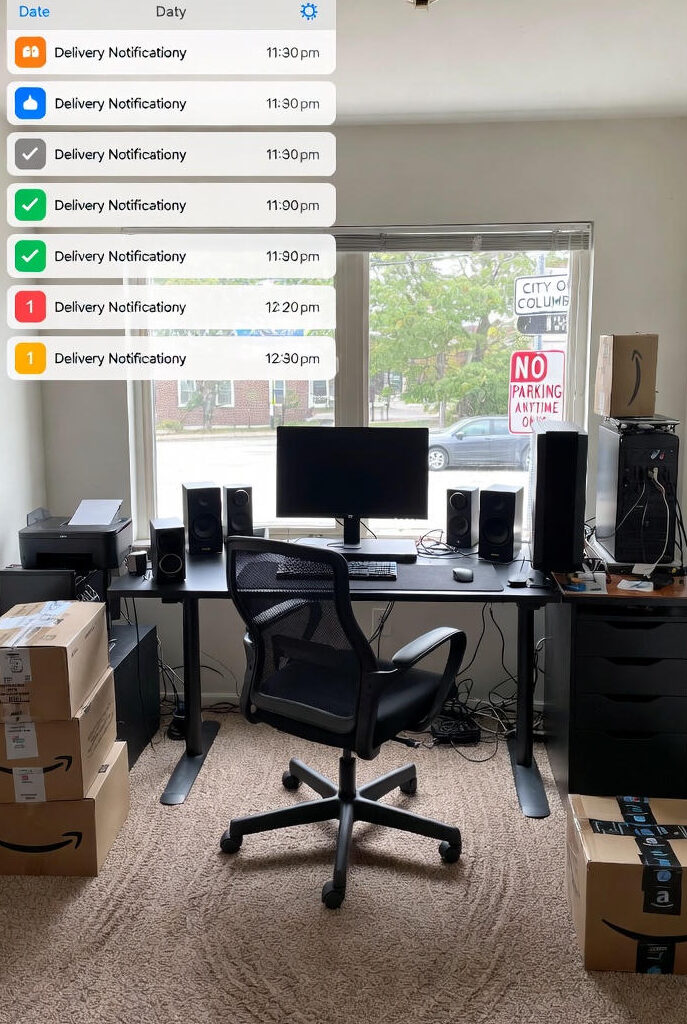
- Office-chair wheel tracks and indentations in bedroom carpet
- Scuffs and paint chips from moving standing desks and bookshelves
- Porch boards cracked or stained from 1,000+ heavy Amazon boxes per year
- Roof shingles damaged by delivery drivers walking to side doors
- Electrical fires or tripped breakers from multiple high-wattage computers + monitors + printers + chargers on old 1950s–1960s wiring
Hypothetical Ohio example claims where the carrier invoked “commercial wear”:
- Centerville remote software engineer:
Carpet replacement after water leak → $9,800 claim reduced to $2,300 because adjuster photographed office-chair wheel marks and declared 76% of the damage “commercial wear and tear.” - Fairborn Etsy candle maker:
Porch collapse under weight of stored inventory → $18,400 repair. Carrier paid only $4,100, claiming 78% was due to “increased commercial traffic and storage.” - Kettering freelance writer:
Electrical fire started by overloaded office power strip → $47,000 total damage. Carrier paid $0 for contents and only 40% of structure because the fire originated in the “commercial office space.” - Vandalia Amazon FBA seller:
Roof leak over garage used as fulfillment center → $28,000 repair. Paid only $6,200 after adjuster used drone photos showing delivery drivers routinely walking on roof shingles to reach side door. - Huber Heights virtual assistant:
Paint and drywall damage from moving desks → $5,700 claim denied 100% because Ring footage showed “frequent furniture rearrangement for business purposes.”
The Ohio Department of Insurance has reported a significant increase in complaints about “wear-and-tear proration due to remote work” since 2022. Adjusters now carry specific training bulletins titled “Identifying Commercial Use in Residential Settings.”
They look for:
- Visible chair tracks or desk scuffs in carpet
- High electricity usage flagged by smart-meter data
- Ring/Nest camera footage of frequent deliveries
- Google Earth historical imagery showing vans parked daily
- Photos of dedicated office furniture in “bedrooms”
- Even your X (Twitter) posts complaining about “WFH setup pain”
Bottom line: In 2025, simply admitting you work from home can turn a normal wear-and-tear claim into a drastically reduced (or completely denied) payout — even if the damage would have happened anyway.
The fix is usually a combination of a small “increased limits” endorsement plus documentation that your office occupies less than 15–20% of the home (most carriers won’t fight it below that threshold). Cost: $0–$150/year.
6. HOA & Zoning Violations – The $5,000–$75,000 “Silent Fine” That Homeowners Insurance Will NEVER Pay
This is the one risk that catches even the most careful remote workers completely off-guard in 2025: your homeowners policy explicitly excludes any loss, fine, penalty, or legal expense that comes from violating a local ordinance, zoning law, or HOA covenant.
“We do not insure for loss caused by… any ordinance or law… or violation of restrictive covenants.”
—2025 policy language used by every major Ohio carrier (State Farm, Nationwide, Allstate, Erie, Travelers, Cincinnati Insurance, etc.)
In plain English: If your HOA or city decides your home-based business violates the rules — and they will once the complaints start — every fine, legal bill, forced shutdown cost, or lawsuit is 100% on you.
Ohio cities and suburbs that are cracking down hardest in 2025:
- Columbus (bans “customer visitation” in most residential zones)
- Dublin, Powell, Upper Arlington (strict “no commercial traffic” covenants)
- Kettering, Centerville, Beavercreek (explicit bans on “home occupations with client visits”)
- Westerville, Worthington, Hilliard (new 2024–2025 ordinances limiting deliveries >5 per day)
- Mason, West Chester, Springboro (HOAs now hiring private investigators to document Amazon vans)
Hypothetical Ohio cases:
- Centerville Etsy seller:
Neighbor complained about daily UPS trucks → HOA fined $250/day for 41 days = $10,250 + $18,000 attorney fees to fight it. Homeowners denied every penny. - Dublin freelance consultant:
City zoning inspector issued cease-and-desist for “commercial use” after client parked in cul-de-sac. $7,500 fine + $29,000 legal battle. Homeowners: “ordinance violation exclusion applies.” - Beavercreek in-home tutor:
HOA sued to stop piano lessons after noise complaints. Forced to pay HOA’s $41,000 legal fees + move piano studio → total loss $68,000. Homeowners paid $0. - Powell Amazon FBA seller:
HOA hired private investigator → documented 1,900+ deliveries in 12 months → $25,000 fine + forced to rent commercial storage. Homeowners denied coverage. - Mason medical transcriptionist:
City red-tagged home office for “unpermitted commercial wiring upgrade.” $14,000 to remove upgrades + fines. Homeowners excluded all costs.
Central Ohio HOAs and municipalities have collected substantial home-business-related fines in recent years, and enforcement continues to increase.
They find you the same way insurers do:
- Ring/Nextdoor complaints about delivery traffic
- License-plate readers catching the same Amazon/USPS vans daily
- Private HOA Facebook groups sharing photos
- Neighbors hired as “secret shoppers” by the association
- Drone footage and Google Street View historical images
Bottom line: In 2025, one angry neighbor + one bored HOA board member can trigger five- and six-figure fines that your homeowners insurance is contractually forbidden to pay — even if you win the fight eventually.
The only protection is (1) confirming your specific business is allowed under your HOA docs and city zoning BEFORE you ramp up, and (2) carrying a separate business policy with ordinance-or-law coverage (rare, but available for $200–$600 extra per year).
Ohio-Specific Risks That Make This Worse in 2025
Ohio’s combination of severe weather, aging housing stock, and rising home-based businesses creates the perfect storm:
- Columbus, Cincinnati, Cleveland = top 25 U.S. cities for remote workers
- Average Ohio home was built in 1958 (older wiring + more devices = higher fire risk)
- Wind/hail events up 34% since 2020 → carriers scrutinize every claim
- Dayton saw a 41% surge in home-based business registrations
The Riders & Endorsements Ohio Families Actually Need in 2025
| Coverage Needed | Recommended Solution | Avg. Annual Cost (Ohio) |
| Up to $50,000 business equipment | Homeowners Endorsement HO-0440 | $45 – $175 |
| Liability for business visitors/deliveries | Business Pursuits Endorsement | $75 – $200 |
| Full in-home business coverage | Home-Based BOP Package | $350 – $750 |
| Cyber liability protection | Cyber Endorsement or Standalone Policy | $400 – $1,200 |
| Delivery driver injuries | Incidental Commercial Liability | $120 – $300 |
Most Ohio homeowners only need the first two endorsements — $10–$35/month total.
Hypothetical Claim Denials in Ohio
- Columbus graphic designer – $9,800 stolen equipment → denied (business property)
- Cleveland Etsy seller – $14,000 inventory ruined → denied (business pursuit)
- Dayton IT consultant – FedEx driver injury → $38,000 → denied (commercial traffic)
- Akron daycare – child injury → $112,000 → denied (business pursuit)
- Toledo freelance writer – ransomware demand → $27,000 OOP
5-Minute “Remote-Work Safe” Policy Checklist
- Do you earn any income from home (even $500/year)? ☐ Yes ☐ No
- Do you own more than $2,500 in work equipment? ☐ Yes ☐ No
- Do delivery drivers stop by 3+ times/week? ☐ Yes ☐ No
- Do clients/students ever visit? ☐ Yes ☐ No
- Have you added office wiring/furniture? ☐ Yes ☐ No
If you checked even one box, you likely have coverage gaps.
How Remote Work Changes Your Home Insurance: Frequently Asked Questions
1. Does my homeowners insurance cover my work laptop?
Only up to about $2,500 — and only if it’s not considered “business equipment.” Most remote workers need an endorsement for full replacement value.
2. Does homeowners insurance cover packages stolen from my porch that were for my business?
Almost always no. If the items were intended for resale or business use, most carriers deny coverage under the “business property” exclusion.
3. What if I occasionally meet clients at my home?
Even one client visit per year can trigger the business pursuits exclusion, removing liability coverage. You usually need a small endorsement to close this gap.
4. Can I deduct my insurance premiums on my taxes for a home office?
Yes — but only the portion attributable to business use. This does not replace proper insurance coverage.
5. I only freelance a few hours a month — does that still count as “business activity”?
Yes. Insurance doesn’t care how much you make; it only cares whether income was generated. Even $200/year can qualify as business activity.
6. Is my HOA allowed to fine me for running a business from home?
Yes. And homeowners insurance does not cover HOA fines, legal costs, or enforcement actions.
7. Are Zoom/Teams calls considered business activity for insurance purposes?
Not by themselves — but equipment used for income-producing activity (like your computer) may still be considered “business property,” and related issues could be treated as business-related.
8. What if I never told my insurer I work from home? Can they deny my claim?
They may be able to deny or reduce coverage if undisclosed business activities significantly increase risk. It’s safer to disclose remote work and add proper endorsements ahead of time.
9. Does homeowners insurance cover an employee who gets hurt in my house?
No. Injuries to employees performing work duties are excluded from homeowners coverage. You may need a Home-Based BOP or Workers’ Comp.
10. If I use my garage as a workshop or studio, does that change coverage?
Yes — outbuildings used for business often have even lower coverage limits than the main home. Many policies exclude business equipment stored in detached structures.
11. What happens if a fire starts from my home office equipment or wiring?
If the adjuster determines the fire originated from business-related equipment or unapproved wiring changes, the claim may be partially or fully denied without proper endorsements.
12. I never have visitors — do I still need extra liability coverage?
Possibly. Delivery drivers and contractors count as business-related foot traffic if packages or services are tied to your income activity.
13. Does telemedicine, therapy, or consulting from home require special insurance?
Yes. Any professional service rendered from home typically requires an E&O (professional liability) policy, even if virtual.
14. Will my homeowners policy cover internet outages or lost income?
No. Homeowners policies do not cover lost business income or downtime caused by internet or power interruptions.
15. What if I rent out a room as an office or coworking space?
You need landlord or commercial coverage. Renting space or allowing others to work from your home can void several parts of a standard homeowners policy.
16. Does home insurance cover damage to my office chair, desk, or monitors?
Only up to the small business property limit unless you have added specific endorsements.
17. Is using my home as a mailing address for my LLC considered “running a business”?
Yes — the IRS and most insurance carriers treat that as business activity. It doesn’t automatically void coverage, but it does require disclosure.
18. What happens if a client or customer slips on my icy driveway?
Without a business liability endorsement, your claim may be denied because it occurred during business-related activity — even if the visit was brief.
Get Your Free 2025 Remote-Work Insurance Review (English & Español)
Last updated November 2025 • Ingram Insurance (Ingram Insurance Group LLC) • Serving Dayton, Columbus, Cleveland, Cincinnati, Toledo, Akron, and all of Ohio