Insure Vacant Land: A Comprehensive Analysis of Liability Exposure, Risk Transfer Mechanisms, and Policy Considerations
Executive Summary
Vacant land ownership represents one of the most overlooked areas of personal and commercial risk management. Although unimproved land may appear benign—absent structures, utilities, or active commercial operations—the legal and financial exposure associated with land ownership can be significant. This white paper provides a comprehensive analysis of how and why property owners should insure vacant land, the kinds of risks inherent in landholding, and the mechanisms through which insurance policies transfer liability exposure. Particular emphasis is placed on legal precedent, public policy considerations, and the insurance products available within the United States marketplace.
Vacant land is routinely insured through personal liability endorsements, standalone general liability policies, or commercial habitational structures depending on the landowner’s purpose and intent. The absence of statutory insurance requirements for landholding does not diminish the risk landscape; rather, it places greater responsibility on landowners to implement adequate risk mitigation. This paper evaluates the economic rationale for coverage, discusses underwriting considerations, and outlines best practices for property owners seeking to protect themselves against unpredictable liability events.
1. Introduction: The Misconception of “No Risk” Land Ownership
Vacant land is frequently viewed as low-risk. This perception is incorrect. Even without structures or operational businesses, land itself exists as a potential site for accidents, trespass incidents, environmental issues, attractive nuisances, and legal disputes. Under U.S. tort law, landowners may be liable for injuries occurring on their property—even when no permission was granted or when the owner played no active role in the incident.
This misconception is rooted in four assumptions:
- No structures = no liability
- No visitors = no exposure
- No business operations = no insurable risk
- Homeowners insurance automatically covers any land the owner owns
Each assumption is demonstrably false. Courts have repeatedly affirmed that landowners retain a duty of care toward lawful visitors and, in some cases, even trespassers. This white paper analyzes these duties and their implications for risk transfer strategies.
Vacant land is frequently regarded as a low-risk asset. Many property owners assume that because a parcel lacks buildings, utilities, or ongoing operations, it poses little or no exposure to liability. This perception is deeply ingrained but fundamentally flawed. Even in its unimproved state, land can be the site of accidental injuries, trespasser activity, environmental damage, or legal disputes involving boundaries, easements, or nuisance claims. The absence of structures does not eliminate the physical realities of terrain, natural hazards, or human behavior, all of which can generate significant liability for the owner.
Under U.S. tort law, landowners may be held responsible for injuries that occur on their property even when they played no active role in the event. Courts have long recognized that ownership itself carries certain duties, including maintaining the premises in reasonably safe condition, warning of known dangers, and exercising care proportionate to foreseeable risks. These duties do not disappear merely because a parcel is unoccupied or unused. Indeed, in some cases the “vacant” nature of the land can create additional hazards—such as hidden depressions, unstable soil, overgrown vegetation, or remnants of prior uses—that increase the likelihood of injury.
The misconception that vacant land requires no insurance typically rests on several mistaken assumptions. First is the belief that liability only arises when structures are present. In practice, many liability claims involve natural conditions rather than built environments. A second assumption is that vacant land receives no visitors. In reality, land—particularly rural acreage—is routinely accessed by hunters, hikers, neighbors, surveyors, utility contractors, or individuals who enter without permission. Trespasser presence, whether intentional or inadvertent, is common and often unpredictable. Third, some landowners assume that if no business activity takes place, then no insurable risk exists. Yet tort claims do not depend on whether the owner operates a business; they hinge on whether an injury occurred and whether the owner had a legal duty toward the injured party. Finally, a widespread but inaccurate belief holds that homeowners insurance automatically covers any land an individual owns. In truth, many homeowners policies extend liability only to land defined as “vacant” under very specific criteria, and the presence of certain features or uses can void that protection entirely.
Each of these assumptions fails under legal scrutiny. Courts have repeatedly affirmed that landowners maintain varying levels of duty toward lawful visitors and, in certain circumstances, even toward trespassers—particularly when dangers are artificial, concealed, or known to the owner. The doctrine of attractive nuisance further expands potential liability when children are involved, regardless of whether the land is posted or fenced. Consequently, the question for landowners is not whether vacant land poses risk, but how that risk is managed, transferred, and mitigated. This white paper examines those obligations and evaluates the role of insurance as a critical component of responsible land stewardship.
2. Defining Vacant Land for Insurance Purposes
Insurance carriers typically define vacant land as land that:
- Contains no buildings or structures, permanent or temporary
- Is not used for commercial farming, timber operations, or business activity
- Is undeveloped aside from naturally occurring topography
However, definitions vary significantly across carriers. Vacant land may cease to qualify as vacant under the following circumstances:
- A shed, trailer, or hunting structure is added
- The land is leased for grazing or agricultural use
- Excavation or construction begins
- The land is used for recreational vehicles or hunting clubs
From a coverage standpoint, precision in classification is essential; misclassification may void liability protection or lead to claims denial. Thus, the first analytical step for risk managers involves determining how the carrier categorizes the parcel.
3. Legal Liability Exposure Associated With Vacant Land
Liability exposure on vacant land is shaped by core principles of premises liability. This section identifies the most common categories of exposure.
3.1 Injuries to Lawful Visitors
Landowners may be held liable for hazards they knew or reasonably should have known about. Hazards include:
- Hidden holes or uneven terrain
- Fallen trees or branches
- Abandoned wells
- Erosion zones
- Unmarked boundaries
In many states, including Ohio, landowners owe a duty of reasonable care to invitees and licensees.
3.2 Trespassers and Attractive Nuisance Doctrine
While trespassers historically enjoyed minimal legal protection, modern tort law often expands landowner responsibility when:
- Children are involved
- Artificial conditions present risk (e.g., ponds, machinery, abandoned structures)
- The hazard is foreseeable
Vacant land that includes bodies of water, cliffs, or old foundations may inadvertently meet the standard for an “attractive nuisance.”
3.3 Environmental Liability
Although standard liability policies generally exclude pollution, landowners may face:
- Soil contamination claims
- Runoff issues affecting neighboring parcels
- Illegal dumping by third parties
- Liability for old tanks or buried debris discovered later
Environmental liability is often excluded from general liability policies, necessitating specialized coverage.
3.4 Recreational Use Liability
Permitting recreational use—hiking, hunting, off-road vehicles—substantially increases exposure. Even in states with Recreational Use Statutes, liability may persist for:
- Gross negligence
- Failure to warn of known hazards
- Improperly granting access to high-risk individuals
Vacant land used recreationally requires distinct underwriting treatment.
4. Insurance Mechanisms Available to Vacant Landowners
Four primary insurance paths exist for insuring vacant land.
4.1 Coverage Under a Homeowners Insurance Policy
Many homeowners policies (HO-3, HO-5) automatically extend liability coverage to vacant land owned by the insured, provided the land is:
- Truly vacant
- Not used for business
- Not jointly owned with unrelated parties
This is the simplest and most cost-effective coverage mechanism. However, coverage is not automatic when:
- The property is titled under an LLC
- The property is outside the insured’s personal ownership
- Structures are present
- Business activity occurs
4.2 Standalone Vacant Land Liability Policy
This policy type provides:
- Bodily injury liability coverage
- Property damage liability coverage
- Legal defense costs
Coverage limits typically range from $500,000 to several million dollars. Premiums are modest because exposure is generally lower compared to developed land.
4.3 Commercial General Liability (CGL) Policy
CGL policies apply when:
- The land is owned under an LLC
- The owner intends future development
- The land is used for revenue generation
CGL policies may include:
- Premises liability
- Products and completed operations (if relevant)
- Tenants or contractors liability
These policies cost more but provide broader coverage.
4.4 Umbrella Liability Policies
Umbrella policies broaden and increase limits above existing coverage. Vacant land is often included if properly scheduled.
5. Underwriting Considerations: How Insurers Evaluate Vacant Land
Insurance carriers evaluate vacant land through a series of underwriting criteria:
5.1 Size and Geography of the Parcel
Larger parcels present:
- More surface area for potential hazards
- Higher probability of recreational use
- Increased likelihood of trespassing
Geographic considerations include flood zones, steep terrain, and proximity to public roads.
5.2 Land Features
Risk-increasing features include:
- Ponds, streams, or wetlands
- Abandoned wells
- Mines or excavation pits
- Old foundations or debris
- Dense forests prone to fire or falling limbs
5.3 Accessibility
Easily accessible land invites more foot traffic and unauthorized entry.
5.4 Intended Future Use
Speculative development land requires different coverage than passive investment property.
5.5 Ownership Structure
Land held under an LLC or corporation often requires commercial insurance rather than personal policies.
6. Economic Rationale for Insuring Vacant Land
The decision to insure vacant land hinges on financial risk versus premium cost. Premiums for vacant land liability insurance are relatively low—often between $100 and $300 per year—while potential losses can reach hundreds of thousands of dollars.
6.1 Expected Loss Modeling
Expected loss (EL) can be summarized as:
EL = Probability of Liability Event × Severity of Liability
Vacant land tends to have low probability but high severity exposure. A single injury claim may include:
- Medical expenses
- Legal fees
- Pain and suffering awards
- Settlement negotiations
- Potential punitive damages (in some jurisdictions)
The asymmetry between low premium cost and high downside risk makes insurance economically rational.
6.2 Legal Defense Costs
Even baseless claims require defense. General liability policies typically provide attorney representation—often valued more than the liability limit itself.
6.3 Asset Protection Strategy
Vacant land is frequently owned by high-net-worth individuals or investors. Liability claims target available assets, making insurance an essential protective layer.
7. Comparative Analysis: Insuring Vacant Land vs. Improved Property
Insuring land differs fundamentally from insuring structures:
| Category | Vacant Land | Improved Property |
|---|---|---|
| Liability Exposure | Moderate | High |
| Property Exposure | None (no structure) | High |
| Environmental Risk | Moderate | Moderate |
| Premium Cost | Low | Higher |
| Claim Frequency | Low | Moderate to High |
Vacant land tends to have fewer claims, but the severity of claims is often substantial. This justifies underwriting differentiation and specialized policy frameworks.
8. Special Categories of Vacant Land Requiring Enhanced Coverage
Although many parcels qualify as vacant land in the conventional sense, several categories require more sophisticated insurance treatment due to elevated liability exposure, operational complexity, or ownership structure. These situations often exceed the bounds of traditional personal liability policies and trigger the need for specialized endorsements or commercial underwriting. Understanding these distinctions is critical, because misclassification can lead to gaps in coverage or outright denial of claims. The following subsections analyze four classes of land that commonly require enhanced coverage considerations.
8.1 Hunting Land
Hunting land presents a substantially different risk profile from passive, unimproved acreage. Even if the land lacks structures and remains undeveloped, its use for hunting activities introduces a range of hazards inconsistent with typical definitions of “vacant.” Many insurance carriers specifically inquire about whether the land is used for hunting because the presence of firearms, elevated stands, blinds, and off-road vehicles increases the likelihood of bodily injury claims. The risks are neither abstract nor theoretical; courts routinely adjudicate injuries stemming from accidental discharges, falls from tree stands, misidentified targets, or collisions involving all-terrain vehicles (ATVs). Each of these events may result in significant medical costs and legal exposure for the landowner.
Firearms usage is a central driver of elevated risk. Even when hunters bring their own weapons and sign liability waivers, the landowner may be implicated if the terrain contains hazards that contribute to the injury or if the owner failed to implement reasonable safety measures. Elevated stands introduce another dimension of liability, as falls constitute one of the most common hunting-related injuries nationwide. Tree stands that are improperly installed, inadequately maintained, or attached to unstable trees can easily become the basis of litigation.
The prevalence of ATVs further complicates the risk environment. Accidents involving motorized vehicles on rural properties frequently result in high-severity claims, particularly when alcohol, rough terrain, or inexperienced operators are involved. Seasonal foot traffic amplifies exposure by increasing the number of individuals accessing the land, often during periods of inclement weather or reduced visibility.
Because of these factors, many insurance policies require special endorsements to extend liability coverage to hunting land. In some cases, a standard vacant land policy may exclude hunting activity entirely, necessitating a commercial general liability (CGL) policy, a recreational land endorsement, or even a hunting lease liability policy if the land is leased to outside parties.
8.2 Agricultural or Grazing Land
Agricultural or grazing land generally falls outside the scope of what insurers consider “vacant.” Although the land may appear undeveloped, its active use for growing crops, raising livestock, or producing income transforms its risk classification. The presence of livestock introduces unique exposures, including injuries to individuals who enter the property, damage caused by escaped animals, and claims involving dangerous conditions created by animal behavior. Fences, irrigation ditches, and agricultural equipment may also increase the likelihood of injury.
Carriers rarely classify agricultural land as vacant because agricultural activity—even at a modest scale—constitutes a form of business operation. As a result, the liability associated with it is typically excluded under personal insurance policies. Instead, property owners may require a farm liability policy or a commercial general liability policy structured specifically for agricultural operations. Failure to disclose agricultural use can jeopardize coverage entirely, as claims arising from agricultural activity are often denied when insured under policies intended only for passive landholding.
Even grazing land that generates minimal income may trigger the same exclusions. This underscores the importance of accurate underwriting disclosure, as insurers evaluate both the presence and nature of land use rather than simply whether structures exist on the parcel.
8.3 Land Intended for Construction
Land slated for construction carries a fluid classification that evolves over time. Prior to any activity, the parcel may qualify as vacant land for insurance purposes. However, once construction begins—even if the activity is limited to minor grading, tree removal, or soil testing—the land no longer meets the requirements of vacant land underwriting. The introduction of contractors, equipment, excavation, and partially completed structures creates a fundamentally different risk environment.
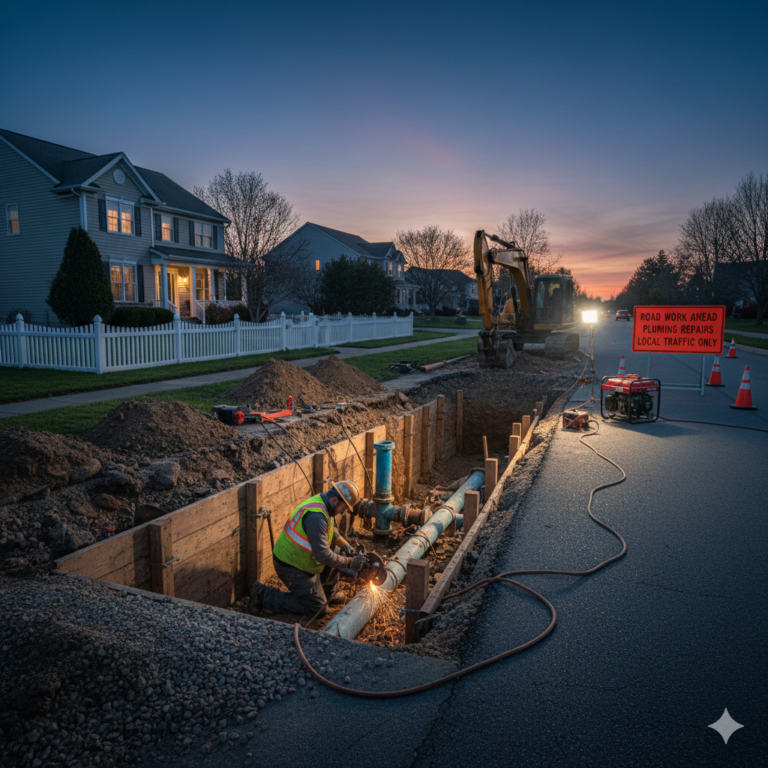
Construction sites present hazards such as open trenches, unstable ground, exposed wiring, scaffolding, and heavy machinery. These conditions introduce liabilities not only to workers but also to third parties who may enter the site accidentally or without authorization. As soon as development activity begins, insurers typically require either a builder’s risk policy, a commercial general liability (CGL) policy, or a combination of both. Builder’s risk policies cover the physical structure as it is being constructed, while CGL policies address bodily injury and property damage liability.
Importantly, even preliminary work such as surveying or brush clearing may trigger the shift away from “vacant land” classification depending on the insurer’s guidelines. Property owners who fail to adjust coverage when work begins risk substantial uninsured exposure during the construction phase, which is frequently one of the most liability-intensive periods in land development.
8.4 Land Held in Trust or LLC
Ownership structure can significantly influence the type of insurance required. When vacant land is held by an entity such as a trust, limited liability company (LLC), or partnership, the land often cannot be insured under a personal homeowners policy or a standard personal liability policy. Insurance is designed to follow the insured party, and personal policies typically extend coverage only to individuals—not to separate legal entities.
LLCs, trusts, and partnerships are treated as distinct legal persons under the law. As such, the entity itself may be the party held liable for accidents occurring on the land. This creates a mismatch when personal insurance policies are applied to entity-owned land: the policyholder and the landowner are not the same legal party. Many insurers explicitly exclude coverage for premises owned by an entity unless the entity is named as an insured under the policy.
As a result, land held in an LLC or trust frequently requires commercial liability coverage, even if no commercial activity takes place. The rationale reflects not the land’s physical characteristics but the legal and financial frameworks associated with entity ownership, including asset protection strategies and the need to insulate personal liability from business operations. Ensuring that the correct party is insured is essential; otherwise, any claim may face challenges based on improper insured status.
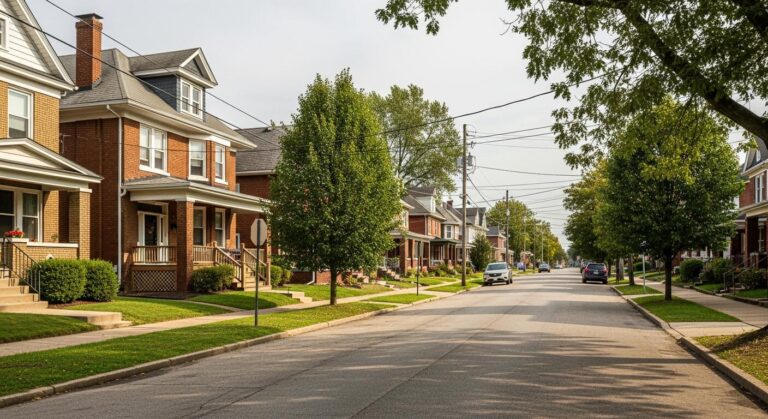
8.5 Vacant Infill Lots in Urban and Suburban Areas
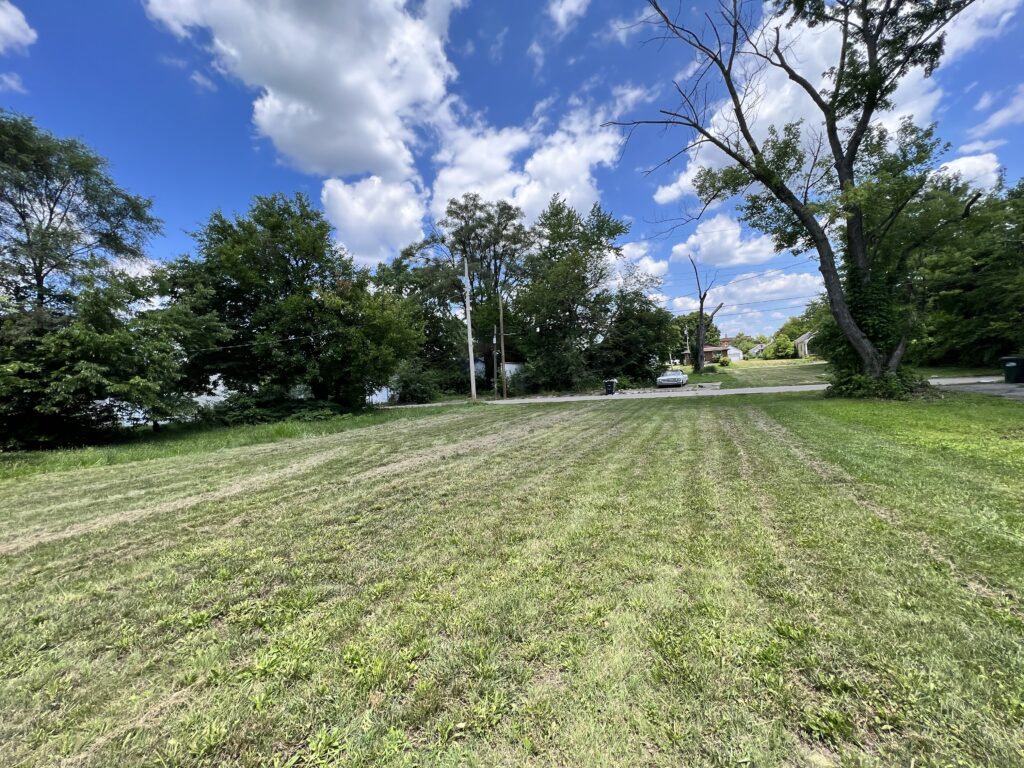
Vacant infill lots—undeveloped parcels situated within existing residential or commercial neighborhoods—present a distinctive set of risks that diverge sharply from those associated with rural or recreational vacant land. Urban parcels typically sit in close proximity to sidewalks, public rights-of-way, neighboring homes, multifamily buildings, or commercial structures. As a result, the density of human activity surrounding these lots significantly increases the likelihood of interaction, whether invited or not. This elevated level of exposure has important implications for both liability risk and appropriate insurance coverage.
Unlike rural acreage, an urban infill lot cannot rely on natural isolation to reduce trespass or incidental use. Passersby may cut across the property, children may enter the lot as a play area, and neighborhood residents may use it informally for parking, gatherings, or storage. Because of this foot traffic, even minor hazards—uneven ground, old foundations, debris, discarded building materials, retaining walls, or open utility trenches—can give rise to substantial claims. Courts have repeatedly held that landowners in densely populated areas must exercise heightened awareness of foreseeable risks because of the increased probability of contact.
Another complication stems from municipal regulations. Many cities impose maintenance requirements on vacant lots, including standards for vegetation height, removal of debris, fencing of hazardous areas, and maintenance of sidewalks adjacent to the property. Failure to comply can result not only in fines but also in increased liability exposure if a hazard contributes to an injury. Infill lots located in redevelopment zones may also be subject to temporary construction activity or surveying, both of which alter the risk classification and may void coverage under a standard vacant land policy.
An additional consideration is property attractiveness. Even without structures, vacant urban land may function as an “attractive nuisance,” particularly when it contains features such as abandoned driveways, old staircases, retaining walls, or partially removed foundations. Children may perceive these elements as play structures, thereby increasing the potential for injury and expanding the landowner’s duty of care.
From an underwriting standpoint, insurers evaluate infill lots differently from rural land because the exposure frequency is materially higher. Carriers may require endorsements addressing sidewalk liability, nuisance abatement, or public access control. In some cases, especially when a parcel is intended for near-term development, insurers may require commercial general liability coverage even before construction formally begins.
For investors and redevelopment entities holding multiple infill parcels, the insurance strategy often involves scheduling each lot under a master commercial liability policy. This structure helps ensure continuity of protection and avoids the risk that a claim is denied due to improper classification under a personal policy.
Infill lots thus occupy a unique middle ground: they appear simple and low-risk, yet they are situated in environments where liability exposure is more dynamic and legally nuanced. Recognizing this distinction is essential for determining the level of insurance and oversight required to manage these properties responsibly.
If you want to buy vacant lots or urban infill lots in Ohio, contact Simo Wadah
You can contact him at (937) 999-7518 or find him at https://buy.daytonproper.com
9. Risk Mitigation Practices for Vacant Landowners
Insurance is only one layer of risk management. Additional best practices include:
- Posting visible “No Trespassing” signs
- Maintaining clear boundaries
- Conducting periodic inspections
- Eliminating known hazards (holes, debris, unstable trees)
- Securing legal agreements for permitted users
Risk mitigation efforts may reduce premiums and prevent claims.
10. Public Policy Considerations and Regulatory Framework
Vacant land insurance is not government-mandated. However, public policy influences liability standards:
10.1 Recreational Use Statutes
Many states reduce landowner liability when land is offered free for recreational use. However, these statutes:
- Do not apply to willful or malicious conduct
- May not shield landowners who operate unsafe artificial conditions
10.2 Environmental Protection Laws
Federal statutes such as CERCLA and RCRA impose liability for contamination—even when landowners were unaware of pollution.
10.3 Real Estate Transfer Regulations
Environmental assessments (Phase I ESAs) may reveal risks that necessitate specialized insurance products.
11. Future Trends in Vacant Land Insurance
Three major trends will shape future underwriting:
11.1 Increased Recreational Usage
One of the most influential trends shaping the future of vacant land insurance is the expansion of outdoor recreational activity across the United States. Participation in hiking, hunting, off-road vehicle use, camping, and other outdoor pursuits has increased markedly in the past decade, a shift driven by cultural preferences, public health initiatives, and population migration toward exurban areas. As more individuals engage with undeveloped land—both legally and illegally—insurers face a changing risk landscape that challenges traditional assumptions about infrequent human contact on vacant parcels.
Historically, liability models for vacant land have been premised on low foot traffic and minimal interaction between the property and the public. However, increased recreational usage has elevated both the frequency and severity of potential claims. Trespassers, hikers, or off-road enthusiasts may encounter natural hazards such as unstable ground, fallen trees, cliffs, or creeks, and their injuries can give rise to litigation even when access was unauthorized. Moreover, the rise of informal use—neighbors using land as walking paths, children exploring wooded lots, or community members using open parcels as gathering spaces—has eroded the protective assumptions that once rendered vacant land a low-exposure asset.
As a result, insurers are reassessing underwriting criteria for vacant parcels, paying closer attention to proximity to trail networks, population density, and evidence of recreational activity. Future risk models may incorporate predictive analytics to estimate foot traffic or unauthorized use based on geospatial data. Carriers may also impose new reporting requirements or mandate physical controls—fencing, signage, hazard abatement—as conditions of issuing or maintaining coverage. The trend suggests a gradual shift away from treating vacant land as a static, passive asset and toward recognizing it as a dynamic environment influenced by evolving patterns of human activity.
11.2 Climate-Related Exposures
Climate change is reshaping the risk profile of landownership in ways that traditional vacant land insurance policies were not designed to accommodate. Although vacant land lacks structures vulnerable to direct property loss, climate-related hazards such as wildfire, flooding, drought, erosion, and extreme wind events increasingly affect what were once considered low-risk parcels. These hazards create liability exposures even in the absence of buildings.
Wildfires present one of the most significant emerging threats. Vacant rural and semi-rural parcels can function as both fuel sources and fire pathways. If a fire originates on a landowner’s property due to inadequate vegetation management, faulty equipment operated on the land, or human activity, liability claims may follow. Conversely, fires originating elsewhere may cause damage to adjacent properties in ways that implicate the vacant parcel. Insurance carriers have already begun reevaluating parcels located in the wildland–urban interface, where fire risk is escalating and legal disputes around responsibility for ignition sources are becoming more complex.
Flooding and soil erosion introduce additional challenges. Vacant land plays a critical role in water absorption and watershed dynamics. When erosion channels form or runoff patterns change—often due to climate-driven precipitation variability—owners may face claims alleging that their land contributed to downstream flooding or slope destabilization affecting neighboring properties. Urban infill lots, which may sit at low elevations or near aging stormwater infrastructure, are particularly susceptible to such disputes.
Wind hazards also complicate vacant land liability. High winds may topple dead trees onto adjacent properties or public rights-of-way, and landowners may be held responsible if they failed to remove or maintain hazardous vegetation. As climate patterns shift, insurers may require enhanced inspection protocols or hazard mitigation as conditions for coverage.
The cumulative effect of these climate-related exposures is a fundamental rethinking of how insurers classify and price risk on vacant parcels. Carriers may develop new endorsements, exclusionary language, or specialized coverage frameworks to address these emerging liabilities. Landowners, in turn, may face new expectations for proactive land stewardship, environmental compliance, and hazard monitoring.
11.3 Entity-Based Ownership
A growing trend in vacant land ownership is the increasing use of limited liability companies (LLCs), corporations, partnerships, and trusts to acquire and hold land assets. This shift reflects broader developments in the real estate investment landscape, including portfolio diversification, asset protection strategies, and tax planning. However, it also has significant implications for insurance coverage, underwriting, and risk allocation.
When vacant land is owned by an entity rather than an individual, it fundamentally changes the insurable interest and liability structure. Personal homeowners policies, which often extend limited liability protection to individually owned vacant land, generally do not cover land titled under an LLC or trust. Insurers typically require a commercial general liability (CGL) policy that names the entity as the insured party. This distinction is not merely technical; it reflects legal doctrines that treat entities as separate persons with independent rights and responsibilities. Failure to align insurance coverage with ownership structure can result in claims being denied on the grounds that the insured and the landowner are not the same legal entity.
The trend toward entity-based ownership also corresponds with an increase in land used for speculative investment, phased development, or long-term holding strategies. Parcels acquired for future redevelopment may sit vacant for extended periods while still functioning as business assets. This creates heightened liability exposure because courts may attribute a higher duty of care to commercial landholders than to private individuals, particularly when the entity’s financial resources or sophistication suggests an ability to anticipate and mitigate risks.
As entity-based ownership continues to expand, insurers are likely to refine their commercial vacant land products, develop new endorsements for multi-parcel portfolios, and adjust underwriting guidelines to reflect the more complex risk environments associated with business-owned land. Premium structures may evolve to better account for corporate risk profiles, management practices, and the likelihood of planned future development. The result will be a more segmented marketplace in which vacant land coverage is tailored not only to the physical characteristics of the parcel but also to the organizational and financial characteristics of the owner.
12. Conclusion: The Essential Role of Liability Insurance for Vacant Landowners
Vacant land insurance is a critical component of comprehensive risk management. Although exposures may appear minimal, the liability landscape—shaped by tort law, environmental statutes, and unpredictable public interaction—presents substantial potential financial harm.
Insurance policies available to landowners provide cost-effective protection, especially when considering the disproportionate severity of potential claims. For individuals, investors, trusts, and LLCs that hold unimproved land, securing appropriate liability coverage is not merely prudent—it is a fundamental element of responsible asset stewardship.
FAQ: How to Insure Vacant Land
1. Why would someone need to insure vacant land if it has no buildings?
Even without structures, vacant land carries liability exposure. Injuries, trespassing incidents, environmental issues, or legal disputes can occur on unimproved parcels. Owners often insure vacant land to transfer these risks and avoid substantial financial liability.
2. Does a homeowners policy automatically insure vacant land?
Not always. A homeowners policy may insure vacant land only if the land meets the policy’s definition of “vacant” and is titled in the same name as the insured. If the land is owned by an LLC, trust, or partnership, the homeowners policy typically does not insure vacant land at all.
3. What risks does insurance protect against when you insure vacant land?
Policies generally cover bodily injury, property damage liability, and legal defense costs. When you insure vacant land, you are protecting yourself from lawsuits arising from accidents, injuries, or hazards on the property.
4. Is it expensive to insure vacant land?
Vacant land liability policies are often inexpensive—frequently between $100 and $300 per year—because there are no structures to insure. The cost depends on how the land is used, where it is located, and whether recreational activities occur on the site.
5. Do I need to insure vacant land if no one ever visits it?
Yes. Even remote land attracts trespassers, hikers, hunters, and neighbors. Courts often hold landowners responsible for foreseeable hazards, making it prudent to insure vacant land even when visitation seems unlikely.
6. Does an LLC need a special policy to insure vacant land?
Yes. When land is owned by an LLC or trust, a personal policy cannot insure vacant land in the entity’s name. A commercial general liability policy is typically required because the entity itself must be listed as the insured.
7. Does hunting activity affect how you insure vacant land?
Absolutely. Hunting introduces firearms risks, elevated stands, ATV usage, and increased foot traffic. Many insurers require endorsements or separate policy forms to insure vacant land used for hunting.
8. What happens if construction begins on a parcel that was previously insured as vacant land?
Once land is cleared, graded, or developed, it no longer qualifies as “vacant.” The owner cannot insure vacant land in this state; instead, a builder’s risk or commercial liability policy is required. Failure to update coverage may result in denied claims.
9. Can I insure vacant land if it contains a small shed or temporary structure?
Probably not. Even minor structures can disqualify the property from vacant land classification. In such cases, insurers may require a dwelling policy or commercial premises policy instead of allowing you to insure vacant land.
10. Is environmental liability included when you insure vacant land?
Usually no. Standard liability policies exclude pollution, soil contamination, and hazardous material claims. Landowners may need specialized environmental policies if contamination risks are present.
11. Do I need to insure vacant land inside a city or neighborhood?
Yes. Urban infill lots often experience high foot traffic, informal community use, and municipal maintenance requirements. Because liability exposure is elevated, it is especially important to insure vacant land located in densely populated areas.
12. Does recreational use affect how insurers classify vacant land?
Yes. If people hike, camp, ride ATVs, or hunt on the property, the insurer may classify it as recreational land instead of vacant land. Policy terms and premiums change accordingly because it becomes riskier to insure vacant land with active usage.
13. Can I insure vacant land if it is leased to someone else?
Land leased for grazing, farming, parking, or hunting generally does not qualify as “vacant.” Lease arrangements often require a different form of liability coverage, since you cannot insure vacant land that is actively generating income.
14. What documentation is needed to insure vacant land?
Insurers typically require parcel numbers, acreage, maps or surveys, ownership information, details about use, and any known hazards. The underwriting goal is to determine whether the parcel truly qualifies as vacant before agreeing to insure vacant land.
15. What happens if a claim occurs and the land was incorrectly insured as vacant land?
If the parcel does not meet the insurer’s criteria—due to structures, agricultural activity, or development—the claim may be denied. It is essential to correctly classify the property and choose the proper policy when you insure vacant land to avoid coverage disputes.
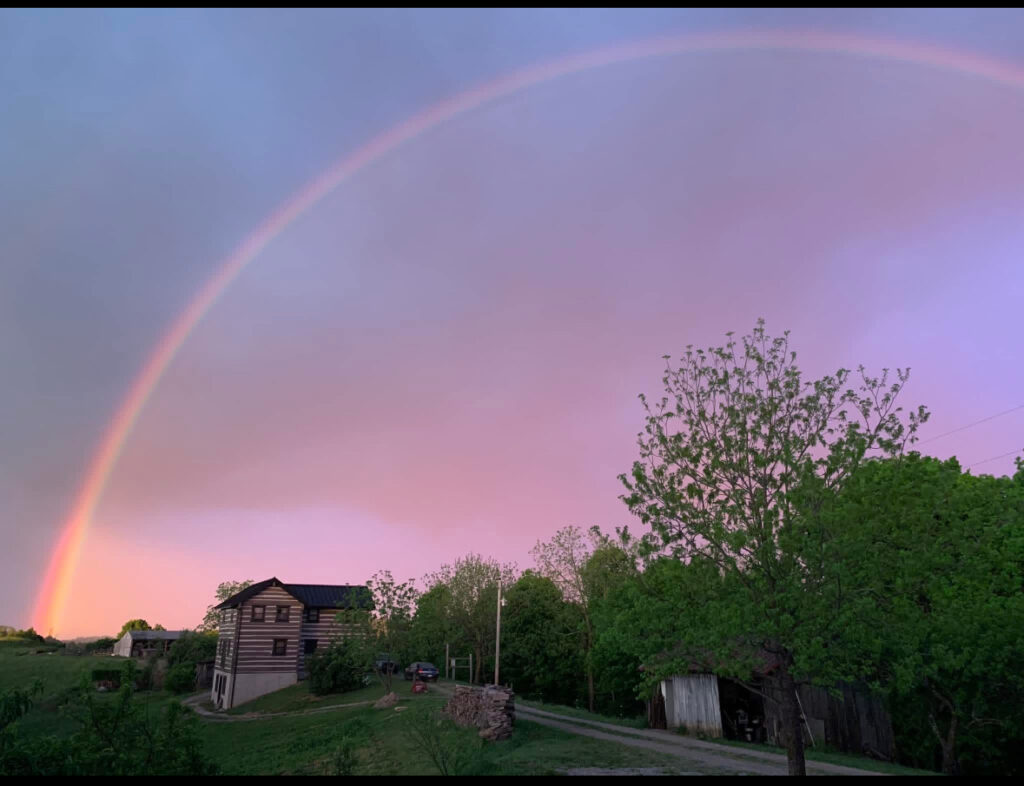
Congrats on Making it to the end of the article. Here is a beautiful picture of a rainbow spanning across a home on hundreds of acres.
People Also Ask: Vacant Land Insurance
Do I really need insurance on a piece of empty land?
While not legally required by the state of Ohio, vacant land insurance is highly recommended. As the landowner, you are liable for anything that happens on that property. If a hiker trips on a hidden stump or a neighbor’s child is injured while exploring your woods, you could be held financially responsible for their medical bills and legal fees.
What exactly does vacant land insurance cover?
Vacant land insurance is primarily liability coverage. It typically covers:
- Medical Expenses: Payouts for third-party injuries sustained on your land.
- Legal Defense: The cost of hiring an attorney to defend you in a lawsuit.
- Settlements: Court-ordered payments or out-of-court settlements if you are found negligent.
How much does it cost to insure vacant land in Ohio?
It is surprisingly affordable. For basic liability coverage (e.g., $1 million per occurrence), premiums often start as low as $150 to $250 per year. The price varies based on acreage, the presence of water features (like ponds), and whether you allow activities like hunting or ATV riding.
Can I just add vacant land to my existing Ohio homeowners policy?
In many cases, yes. Most Ohio homeowners policies allow you to extend your personal liability to a secondary vacant lot. However, this usually only applies if the land is completely undeveloped. If there is a structure, a fence, or if you lease the land to someone else, you will likely need a standalone policy.
What counts as “vacant” land?
To insurance companies, “vacant” means no man-made structures. This includes more than just houses; even a shed, a flagpole, a water well, or a boat dock can disqualify the land from being “vacant.” If any structure exists, you may need a “Dwelling Fire” or “Commercial Property” policy instead.
Am I liable if a trespasser gets hurt on my land?
In many jurisdictions, including Ohio, you can still be sued by a trespasser. While the law generally offers landowners some protection against trespasser claims, “attractive nuisances” (like an unfenced pond) or known hazards that you failed to mark can still result in a successful lawsuit against you.
Does vacant land insurance cover my own injuries?
No. Vacant land insurance is third-party liability coverage. It is designed to protect you from claims made by others. It does not provide health insurance or medical coverage for the landowner or their immediate family members.
What happens if I start building a house on the land?
As soon as construction begins, your vacant land policy is no longer sufficient. You will need to switch to a Builder’s Risk policy or a “Course of Construction” endorsement. This covers the materials, the structure being built, and the increased liability of a construction site.
Who Sells Vacant Land Insurance?
When looking for who sells vacant land insurance, you will quickly find that many “big name” national carriers—the ones with the famous mascots and catchy jingles—often shy away from undeveloped property. Because vacant land carries unique liability risks like trespassing, unauthorized hunting, or hidden environmental hazards, it usually requires a specialized touch. This is where Ingram Insurance Group excels.
Why Ingram Insurance is Your Best Option
As an agency owned and operated by seasoned real estate investors, we don’t just sell policies; we understand the asset class. We know that a vacant lot in Montgomery County or a sprawling acreage in rural Ohio isn’t just “dirt”—it’s a future homesite, a strategic investment, or a family legacy that needs protection from devastating lawsuits. We specialize in “hard-to-place” risks that standard companies reject, ensuring your land is covered whether it’s 5 acres or 500.
The Benefits of an Independent Agent
The primary advantage of working with an independent agent like Ingram is choice. Unlike “captive” agents who work for only one company and are forced to sell you a single, rigid product, we represent dozens of top-rated carriers.
- Market Comparisons: We shop the market for you, comparing rates and coverage forms to find the most competitive price.
- Tailored Protection: We can add specific endorsements for activities like hunting or timber harvesting that a standard company might exclude.
- Advocacy: If you ever have a claim, we are your advocate—not the insurance company’s. We work for you, the landowner, to ensure your interests are protected throughout the life of your policy.