
Kittyhawk Dayton Home Insurance: Flood Zones, Wind Risk & Military Relocation
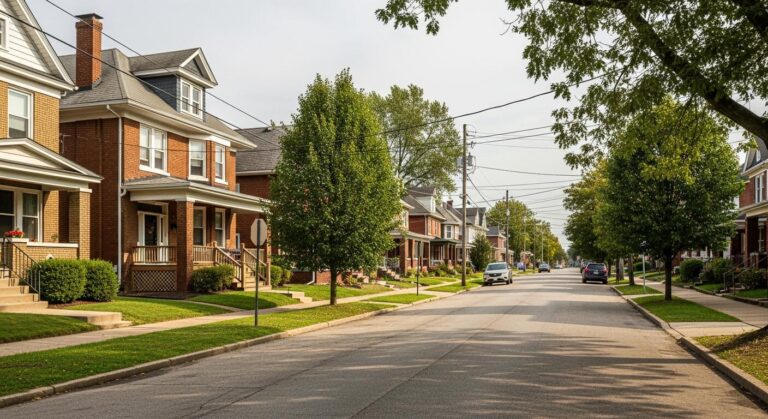
Kittyhawk is a convenient pocket of northeast Dayton with quick access to major roads, parks, and jobs across the region. Many buyers like the neighborhood for its practical floor plans, manageable yard sizes, and proximity to Wright-Patterson Air Force Base, downtown Dayton, and nearby shopping. That same mix of location, mature trees, and varying home ages also creates some specific homeowners insurance questions around wind, hail, water, and how to structure coverage if you’re relocating with the military or planning to rent your home out in the future.
Kittyhawk Dayton Home Insurance: Flood Zones, Wind Risk & Military Relocation
What Makes Kittyhawk Different From a Typical Subdivision
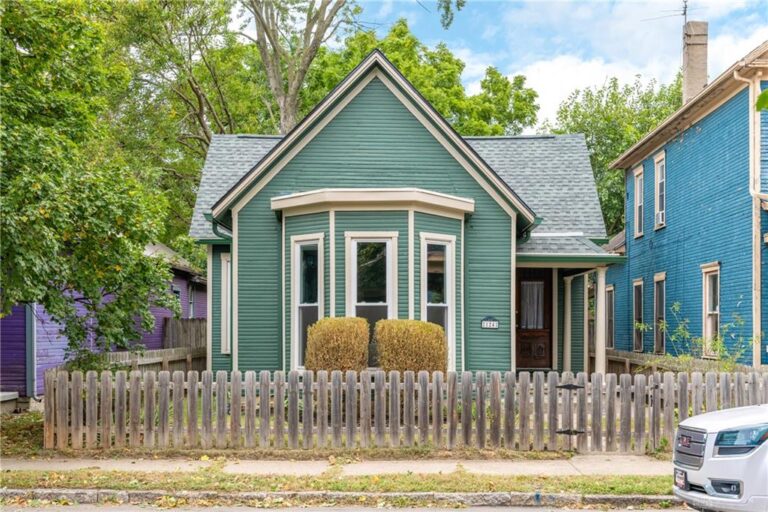
On paper, many Kittyhawk homes look straightforward to insure: mostly single-family houses, a lot of mid-century builds, ranches and split-levels, and some newer updates and infill properties. But when we zoom in, Kittyhawk has a few characteristics that matter to an underwriter:
- Mixed ages of construction: Some homes still have original systems or older roofs, while others have been heavily updated.
- Mature trees and landscaping: Great for shade and curb appeal, but a real factor for wind and storm claims.
- Proximity to key commuter routes and the base: More frequent relocations, renters, and landlord situations than in some other areas.
- Varied elevation and drainage: Certain spots are more prone to water issues, sump pump use, or sewer backup concerns.
A good Kittyhawk insurance review doesn’t treat every house as “just another Dayton ranch.” It looks at where your home sits, how it was built, and how you realistically use it.
Flood Zones vs. Water Damage: What Your Policy Actually Covers
One of the biggest points of confusion for homeowners in and around Kittyhawk is the difference between flood coverage and water backup or seepage coverage.
Standard homeowners policies generally:
- Do not cover “flood” damage as defined by rising water from outside, surface water, or overflow of a body of water. That usually requires a separate flood policy.
- May cover certain kinds of sudden water damage, like a burst pipe, but may not automatically include coverage for water or sewage backing up through drains or sump pump failure.
In Kittyhawk, we often see basements or lower levels used as living space, home offices, or storage, all of which makes water damage far more expensive. During a review, we usually:
- Check whether your home falls in or near a mapped flood zone or low-lying area.
- Recommend sewer and drain backup coverage, especially if you have a finished basement.
- Discuss whether a separate flood policy is wise based on your exact location and risk tolerance.
The goal is to avoid the scenario where you assume “water is water” and then find out the hard way that your loss falls into a category your policy doesn’t cover. If you’d like more information on this – please see this post about flood vs water damage.
Wind & Hail Risk: Roof Age, Deductibles, and Cosmetic Damage
Like many parts of the Dayton area, Kittyhawk sees its share of strong winds, hailstorms, and spring and summer weather events. Insurers have responded by paying much closer attention to:
- Roof age: Once a roof gets beyond a certain age, some carriers may apply higher deductibles, actual cash value (ACV) settlements, or even decline new business until the roof is replaced.
- Roof material and pitch: Flatter, low-slope roofs or older three-tab shingles may be treated differently than newer dimensional shingles.
- Wind/hail deductibles: Some policies separate out wind/hail with a percentage deductible (like 1% of dwelling coverage) instead of a flat dollar amount.
When we review Kittyhawk homes, we’ll usually:
- Confirm the year the roof was last replaced, not just when the home was purchased.
- Explain how your specific policy handles wind and hail losses, including any cosmetic-damage limitations on roofs and siding.
- Help you decide whether a higher or lower deductible makes sense based on your savings and risk comfort.
A relatively simple roof on a Kittyhawk ranch can be quick and affordable to replace. But when you pair wind risk with trees and older materials, the wrong coverage structure can turn a manageable claim into a budget problem.
Trees, Yards, and Storm Scenarios
One of the things that makes Kittyhawk pleasant to live in is its mature trees and established landscaping. From an insurance standpoint, those same trees raise a few important questions:
- What happens if a large tree falls on your roof, deck, fence, or detached garage?
- How much coverage do you have for tree and debris removal?
- Whose policy responds if a neighbor’s tree damages your home?
Most homeowners policies will cover damage to your home and other covered structures caused by a falling tree if the cause of loss (like wind) is covered. However, there are often separate, sometimes low, limits for debris removal, and there may be no coverage at all if the tree simply falls in the yard without hitting a structure.
During a review for Kittyhawk households, we’ll typically:
- Look at the size and proximity of trees to your house, garage, and power lines.
- Check tree and debris removal limits and recommend increases when it makes sense.
- Explain how your policy would respond in a “neighbor’s tree” scenario vs. one on your own lot.
That way, you’re not trying to learn the fine print of your policy in the dark during a windstorm.
Military Relocation, Wright-Patt, and Flexible Coverage
Kittyhawk’s location makes it appealing for people working at Wright-Patterson Air Force Base, civilian contractors, and others who may move more frequently than the average homeowner. That can raise special insurance considerations:
- Timing of occupancy changes: A home that transitions from owner-occupied to vacant, to short-term rental, or to long-term rental may need a different policy form.
- Coverage during deployment or extended travel: Some policies have specific language around how long a home can be unoccupied without restrictions.
- Bundling and multi-state situations: Families with ties to other states may benefit from carriers that can handle multiple properties under one umbrella.
If you’re stationed at Wright-Patt or relocating to or from Kittyhawk, it’s worth having a proactive conversation about:
- Whether your current policy is the right one if you decide to rent the home later.
- How to handle personal property coverage if you split your time between locations.
- Umbrella liability options that follow you and your family, not just one house.
A local independent agency can line up coverage that fits not just your house, but your lifestyle and career path.
Landlords, House-Hackers, and Future Rental Plans
Kittyhawk is also attractive to small landlords and “live in one, rent the other” buyers who may see the neighborhood as a long-term investment. If you’re renting your home now or planning to do so later, it’s important that your insurance matches:
- Who lives there: Owner-occupied vs. tenant-occupied.
- Type of rental: Long-term lease vs. short-term or mid-term rental.
- Additional liability: More people coming and going means more potential for slip-and-fall or property damage claims.
A standard homeowners policy is usually not designed for a property that’s primarily a rental. You may need landlord or dwelling coverage, different loss-of-rents protection, and possibly higher liability limits or an umbrella policy.
If Kittyhawk is part of your long-term investment plan, structuring the right policy now can save you a lot of trouble later.
Kittyhawk Replacement Cost, Deductibles & Coverage Choices
Even though many Kittyhawk homes are simpler than hundred-year-old historic properties, the same basic questions still apply:
- Is your dwelling limit high enough to rebuild your home at today’s labor and material costs?
- Have you considered extended replacement cost to handle inflation or cost overruns?
- Are your deductibles set at levels you could comfortably pay out of pocket after a storm?
- Does your policy include the endorsements you actually need, like sewer backup, equipment breakdown, or service line coverage?
We often walk Kittyhawk owners through realistic “what if” scenarios—windstorm, basement backup, tree damage, or a kitchen fire—and show how their current policy would respond in each case. That makes it easier to decide where to save and where to spend a little extra.
Learn More About Dayton & Kittyhawk Home Insurance
If you’re looking for more detail on how Dayton-area homes are viewed by insurers, including Kittyhawk and nearby neighborhoods, you can visit our dedicated local guide:
Kittyhawk, Dayton Ohio Homeowners Insurance – Ingram Insurance
There you’ll find more examples, coverage explanations, and practical tips tailored specifically to this part of Montgomery County.
Thinking About Buying in Kittyhawk?
If you’re still in the research phase and haven’t bought yet, it can be helpful to shop homes and insurance side by side. That way, you can compare:
- How roof age, updates, and location affect premiums.
- Whether a property is in or near a flood-prone area or has a finished basement that needs extra water coverage.
- How well a home’s layout and systems match your long-term plans, including potential rental or house-hacking ideas.
To explore current homes for sale in the neighborhood, check out:
Homes for Sale in Kittyhawk – Dayton Proper
Once you find a home you like, we can run side-by-side insurance estimates so you know what to expect before you write an offer.
Talk With a Local Agency That Knows Kittyhawk
Ingram Insurance is an independent agency based in Montgomery County, focused on helping Dayton-area homeowners, landlords, and investors structure coverage that actually fits the way their homes are built and used.
Whether you already live in Kittyhawk or you’re thinking about moving there, we’d be happy to review your current policy, explain your options in plain language, and help you avoid gaps that only show up when a storm hits.
Ingram Insurance
733 Salem Ave, Dayton, OH 45406
Phone: (937) 741-5100
Website: www.insuredbyingram.com
Email: contact@insuredbyingram.com
No pressure, no hard sell — just a straightforward conversation about how to properly insure a home in Kittyhawk, Dayton.
Renters insurance is one of the most affordable ways Ohio tenants can protect themselves financially, yet it’s often misunderstood. From personal property protection to liability coverage and landlord requirements, the details matter. If you want a clear explanation written specifically for Ohio renters, see our full breakdown of renters insurance in Ohio, including what it covers, what it costs, and how to get started.