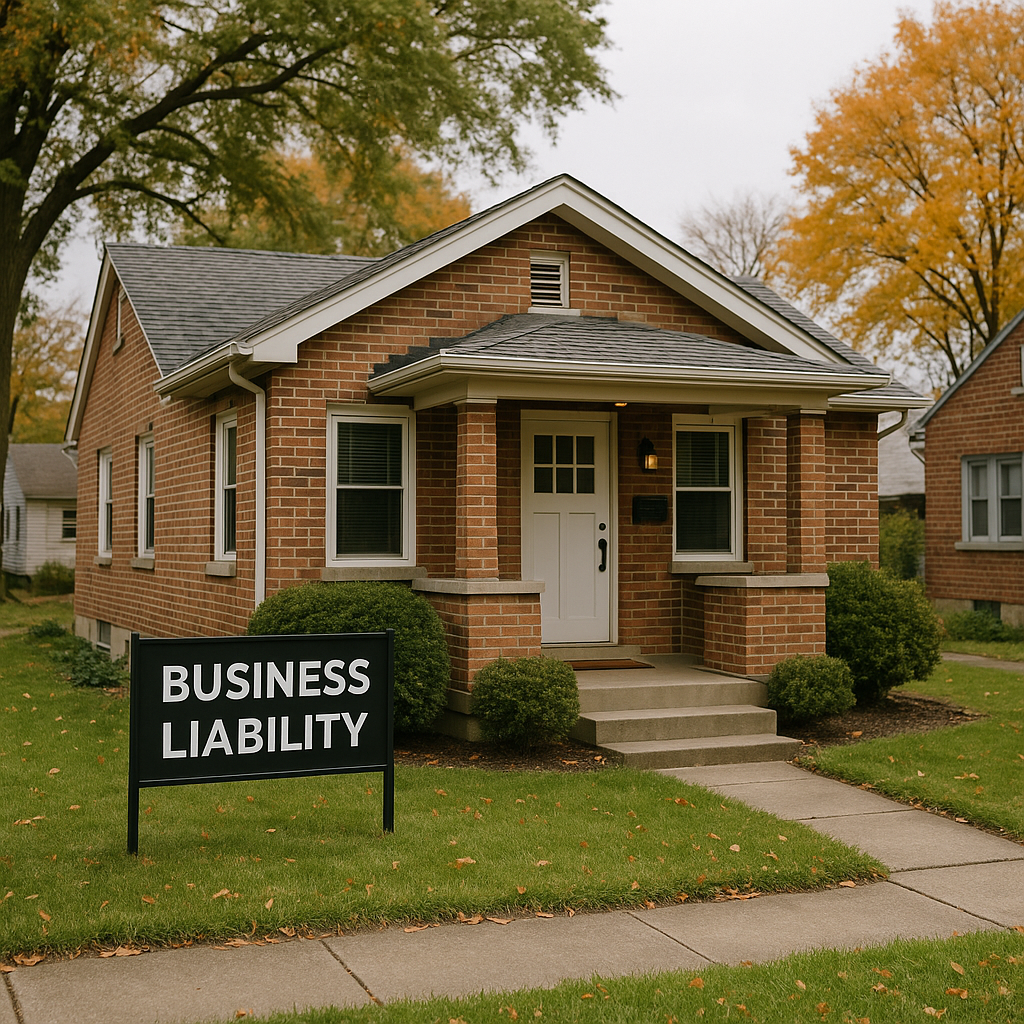
Liability Concerns for Home-Based Businesses in University Row, Dayton
University Row, a charming Dayton neighborhood characterized by tidy mid-century homes and tree-lined streets, has become an increasingly popular locale for residents who operate home-based businesses. Whether you run a small professional office, a creative studio, or a specialty retail venture from your residence, understanding the nuances of liability insurance in this unique setting is crucial. The neighborhood’s older housing stock, moderate tree coverage, and proximity to bustling local hubs like South Park and the Brown Street corridor create specific insurance challenges and opportunities. This article explores these factors in depth, explaining how business insurance works in Ohio and why tailored coverage decisions matter. As you read, you’ll find practical examples, detailed scenarios, and a clear path forward for protecting your home-based business in University Row.
Meet University Row, Dayton Ohio
University Row sits just east of downtown Dayton, a neighborhood notable for its compact homes built primarily between the 1920s and the 1950s. These residences are typically single-family properties, often owned by long-term residents or local investors. The streets are lined with mature trees, contributing to the calm and traditional feel that many residents cherish. The close-knit atmosphere is enhanced by the presence of nearby parks such as South Park and the vibrant Brown Street corridor, which offer both recreational opportunities and a degree of foot traffic that can be very relevant for home-based businesses.
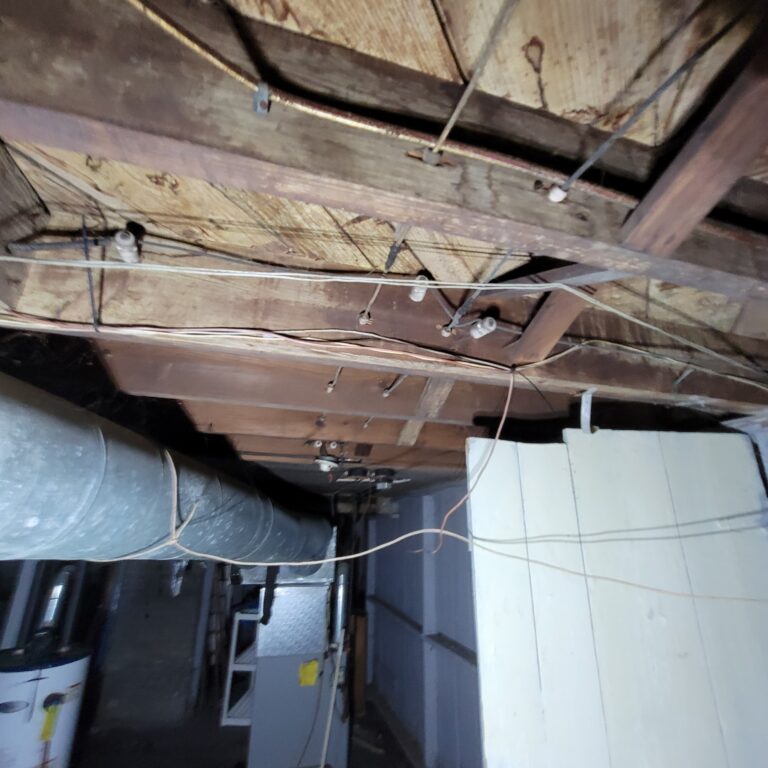
The housing stock itself reflects a period of architectural and infrastructural development that predates many modern building codes. This means that many homes, while well-maintained, feature older electrical systems, aging roofs, and basements prone to moisture intrusion. These factors shape not only the livability of the properties but also the risks associated with running a business from home. For instance, an electrical fault in an older system could potentially cause a fire, or a storm-damaged tree might fall, impacting your business property or customers visiting your home.
University Row’s demographic mix includes a high rental density, particularly near the University of Dayton, which means that some home-based businesses might also interact with tenants or visitors regularly. This dynamic adds layers of liability considerations that differ from those in purely residential neighborhoods. Game-day traffic, student foot traffic on nearby streets, and frequent deliveries all increase the chance of incidents on or near your property. Given these neighborhood-specific traits, a generic insurance policy often falls short of adequately covering the unique risks present here.
To understand the broader neighborhood context, you can explore our full University Row homeowners insurance guide, which covers residential risks in more detail.
Common Home-Based Businesses in University Row
Because of its proximity to the University of Dayton and Brown Street, University Row attracts a wide range of home-based businesses. Some of the most common include:
- Professional services: Freelance marketers, graphic designers, web developers, photographers, bookkeepers, and consultants who meet with clients occasionally or work mostly online.
- Education and tutoring: Private tutors, test-prep coaches, music teachers, and language instructors serving both UD students and neighborhood families.
- Creative and maker businesses: Home-based bakers, artisans, crafters, and specialty product makers selling at markets, online, or directly from home.
- Therapy and wellness services: Counselors, life coaches, massage therapists, or other wellness professionals who may see clients in dedicated rooms within the home.
- Small retail and e-commerce operations: Resellers or niche online retailers storing inventory in basements, garages, or spare bedrooms.
Each of these business types interacts with liability differently. A tutor with students regularly walking up to the front porch, a baker storing ingredients in a damp basement, or a therapist hosting sessions in a converted living room all have very different exposures. Understanding where your specific operation fits helps you pinpoint which coverages are absolutely non-negotiable.
How the Built Environment in University Row Shapes Insurance Risk
Insurance risk is fundamentally about uncertainty—specifically, the uncertainty surrounding the likelihood and cost of loss events. The built environment of University Row contributes to this uncertainty in measurable ways. The age and construction style of the homes influence the probability of certain types of incidents, and the neighborhood layout affects how liability might arise from interactions involving your home-based business.
Older homes in University Row often have electrical wiring systems installed before the advent of modern circuit breakers and arc-fault detection technology. While many properties have undergone partial upgrades, the patchwork nature of these updates can lead to vulnerabilities. For example, a home-based graphic design studio that relies heavily on computers and printers may face increased risk if the electrical infrastructure cannot sustain the load safely.
Roof wear and moderate tree coverage create additional hazards. Falling branches during storms can damage signage, product displays, or even injure visiting clients. Roof damage can lead to water intrusion, affecting business equipment stored within the home. Basements, another common feature in University Row’s housing stock, often have moisture concerns that can lead to mold growth, posing health risks to occupants and visitors alike.
The neighborhood streets are generally quiet and residential, but with a noticeable presence of foot and vehicle traffic near popular areas like Brown Street. For a home-based business, this means potential customers or delivery persons might visit your property regularly, raising the stakes for slip-and-fall liability or other premises-related claims. Additionally, parking in University Row typically involves street parking or detached garages accessed via alleys, which can complicate liability exposure if a visitor’s vehicle is damaged or causes damage while on your property.
Key Insurance Risks for Business Insurance in University Row
When considering business insurance for a home-based enterprise in University Row, several key liability risks emerge from the intersection of the neighborhood’s characteristics and typical business activities. Understanding these risks deeply helps in selecting appropriate coverages rather than relying on off-the-shelf policies that may leave gaps.
Premises Liability: This is arguably the most significant concern. If a customer, client, or delivery person is injured on your property, you could be held legally responsible. Given University Row’s older sidewalks, uneven pavement, and seasonal weather impacts (ice, snow, fallen leaves), the risk of slip-and-fall incidents is substantial. For example, a visitor tripping over a cracked walkway during winter could sue for medical expenses and damages. Premises liability coverage protects against these claims, but the policy limits and exclusions must be carefully reviewed to ensure adequacy.
Product Liability: For those running businesses that produce or sell physical goods—such as handmade crafts or specialty food items—product liability coverage is essential. Imagine a University Row home-based bakery whose packaged goods cause an allergic reaction or illness. Liability claims can arise even if the business operates in good faith. This coverage helps protect against legal and settlement costs tied to such incidents.
Professional Liability (Errors and Omissions): Many home-based businesses are service-oriented, such as consulting, tutoring, or design work. If a client alleges negligence, errors, or failure to deliver promised services, professional liability insurance can cover resulting claims. For example, a freelance marketing consultant operating from University Row might face a lawsuit if a client claims that advice caused financial loss.
Business Property Risks: Even though a business operates from a residence, the business property—computers, inventory, specialized equipment—may not be covered fully under a homeowners policy. Coverage for business personal property, and potentially for business interruption, can protect against losses from fire, storm damage, or theft. For landlords and investors, our broader rental property insurance guide for Dayton landlords shows how easily these gaps can be overlooked.
Cyber Liability: Increasingly, home-based businesses engage online, collect customer data, or conduct transactions digitally. Cyber liability insurance addresses the risk of data breaches, ransomware, and other cyber threats, which could lead to costly notifications, lawsuits, and reputational damage.
Workers’ Compensation: If the home-based business employs even one part-time worker or qualifying employee, Ohio law may require workers’ compensation coverage. This protects employees who suffer work-related injuries and shields the business owner from related lawsuits.
Each of these risks interplays with the neighborhood context. For instance, the storm exposure in University Row suggests a heightened need for property and business interruption coverage, while the neighborhood’s stable but aging infrastructure underscores the importance of premises liability vigilance.
How Business Insurance Works in Ohio (And What’s Different in University Row)
Business insurance operates on principles of risk pooling, indemnity, and contractual obligation. When you purchase a policy, you transfer certain financial risks from yourself to the insurer, who agrees to cover defined losses in exchange for premium payments. The insurer assesses your risk profile using data about your business type, location, property characteristics, and claims history to determine premium pricing and coverage terms.
In Ohio, business insurance policies commonly include General Liability, Business Property, Business Interruption, Workers’ Compensation, and optional endorsements like Cyber Liability or Professional Liability. While the core mechanics remain consistent statewide, University Row’s specific environment influences underwriting decisions and risk assessments.
For example, insurers may scrutinize the age and condition of your home’s electrical system and roofing when quoting policies, reflecting the neighborhood’s known risks. Tree coverage and storm exposure in University Row can lead to higher premiums or deductible considerations for wind and hail coverage. Moreover, the neighborhood’s proximity to foot traffic hubs means that the insurer may require stricter premises liability underwriting to mitigate a higher chance of visitor injuries.
Another nuance is the mix of residential and business use in the same structure. Ohio insurers often require clear delineation between personal and business property, which can complicate claims if a fire or other loss affects both. A home-based business owner in University Row should expect their agent to carefully evaluate the business’s scale and nature to recommend appropriate coverage limits and forms, avoiding common pitfalls like underinsurance or coverage gaps.
In practical terms, this means that a business owner in University Row cannot simply rely on a standard homeowners insurance add-on or a generic business policy. Instead, the policy must account for the unique combination of older infrastructure, neighborhood layout, and business type. This tailored approach reduces the risk of claim denials or uncovered losses.
If you want to understand more about how insurance adapts to University Row’s characteristics, you might find value in our University Row homeowners insurance overview.
Coverage Decisions University Row Residents Can’t Afford to Get Wrong
1. Selecting Appropriate Liability Limits
Liability limits define the maximum amount your insurer will pay for covered claims. Too low a limit can leave you personally exposed to lawsuits, while excessive limits increase premiums unnecessarily. For University Row home-based businesses, a thoughtful balance is critical. Given the neighborhood’s foot traffic and older infrastructure, a minimum general liability limit of $1 million per occurrence is often recommended. Businesses with higher client volume or physical product sales might consider $2 million or more to guard against costly claims.
2. Distinguishing Business Property Coverage
Many homeowners mistakenly assume their personal policy covers business equipment and inventory. In reality, standard homeowners policies exclude or strictly limit business property coverage. For instance, a University Row artisan who stores inventory in a basement prone to moisture damage must ensure their policy covers these items explicitly, or risk bearing the full loss. Business personal property coverage is essential and should include replacement cost valuation where possible to avoid depreciated payouts.
3. Understanding Business Interruption Insurance
Business interruption insurance compensates for lost income when a covered peril temporarily halts operations. For example, if a storm damages your home’s roof or basement—common in University Row—and you must suspend your home-based consulting business, this coverage can help maintain cash flow. Choosing adequate coverage and understanding waiting periods is vital. Many small businesses underestimate the financial impact of downtime and forego this coverage, only to struggle with fixed expenses during recovery.
4. Evaluating Professional Liability Needs
Service-oriented businesses must assess the risk of errors, omissions, or negligence claims. A freelance photographer or accounting consultant in University Row could face disputes over service quality or advice. Professional liability insurance provides a safety net, covering legal defense and settlements. Unlike general liability, it protects against intangible claims, so understanding this distinction is crucial for comprehensive protection.
5. Considering Workers’ Compensation Obligations
Even a single employee can trigger Ohio’s workers’ compensation requirements. University Row home business owners employing assistants, cleaners, or other workers must verify their compliance. Failure to carry required coverage can lead to fines and lawsuits, compounding liability risks. Workers’ comp also protects your business by limiting employee-initiated legal claims stemming from workplace injuries.
6. Cyber Liability and Data Protection
Home-based businesses increasingly handle sensitive client data electronically. Cyber liability insurance covers breaches, ransomware, and related expenses. University Row residents offering online services or collecting payment information should evaluate this coverage carefully, as cyber incidents can lead to significant financial and reputational harm.
Real-World Scenarios From University Row Streets and Homes
Scenario 1: The Storm-Damaged Roof and Business Interruption
Maria runs a small home-based bakery in her University Row bungalow. After a severe summer storm, a large branch from a mature tree penetrates her roof, causing water damage that ruins her baking equipment and forces her to close for repairs for three weeks. Maria’s business interruption coverage pays her lost income during this period, while her business property coverage replaces her damaged ovens and refrigerators. Without these coverages, Maria would have faced significant out-of-pocket expenses and lost revenue.
Scenario 2: Premises Liability from a Slip-and-Fall Incident
James operates a tutoring business from his University Row home. One winter day, a client slips on an icy patch on the front sidewalk and breaks their wrist. The client sues James for medical bills and pain and suffering. Thanks to James’s general liability policy with a $1 million limit, his insurer covers legal defense costs and the settlement amount, protecting James’s personal assets. This scenario highlights the importance of maintaining safe premises and securing adequate liability limits.
Scenario 3: Cyber Liability Following a Data Breach
Linda provides professional consulting services from her University Row residence. A cyberattack results in unauthorized access to her client database, exposing sensitive information. Linda’s cyber liability insurance covers notification costs, legal fees, and credit monitoring services for affected clients. The coverage also pays for crisis management and regulatory fines, mitigating the financial blow and preserving her business’s reputation.
Cost, Discounts, and Smart Ways to Control Premiums
Insurance premium costs for home-based businesses in University Row reflect the neighborhood’s risk factors, business type, coverage limits, and deductible choices. Thoughtful business owners can actively manage premiums without sacrificing protection.
Choosing higher deductibles is one effective strategy. For example, opting for a $2,500 deductible instead of $1,000 on business property coverage can reduce premiums by 10–15%. However, this requires confidence in your ability to cover the deductible amount in a loss event.
Bundling policies—such as combining general liability, business property, and professional liability—often results in multi-policy discounts. Additionally, demonstrating risk mitigation measures, like installing modern electrical panels, maintaining sidewalks, or securing cyber protections, can lower premiums by reducing perceived insurer risk.
University Row’s community character supports these efforts. Working with neighbors to maintain sidewalks, trimming trees regularly, and investing in home upgrades benefit not just your business but the neighborhood’s overall risk profile, which insurers recognize.
Nearby Neighborhoods and How They Compare
While these neighborhoods share Dayton’s broader climate and municipal services, University Row’s combination of older housing stock, moderate tree coverage, and high rental density near the University of Dayton creates a distinct insurance risk profile. For instance, South Park’s historic homes and busier park activity may introduce different liability patterns, while University Park’s housing style and street layout could affect premises exposures differently. Understanding these local differences is critical to tailoring insurance appropriately.
When and How to Review Your Policy if You Live or Own Property in University Row
Regularly reviewing your business insurance policy is essential to ensure it keeps pace with changes in your business operations, neighborhood environment, and insurance market conditions. For University Row residents, consider these practical guidelines:
- Annual Review: Conduct a comprehensive policy review at least once a year. This includes verifying coverage limits, deductibles, and endorsements are still appropriate.
- After Home Improvements or Business Changes: If you upgrade your electrical system, renovate your basement, or expand your business operations, notify your insurer promptly to update your coverage.
- Following Neighborhood Changes: Monitor any changes in University Row that might affect risk, such as increased foot traffic or new rental developments, and discuss these with your agent.
- Claim History: If you have recently filed claims, review your policy to understand how future claims might be affected and whether adjustments are necessary.
Maintaining an open dialogue with your insurance agent ensures you remain protected without paying for unnecessary coverage. A thorough policy review also helps identify potential gaps before a loss occurs.
Working With a Local Independent Agent Who Knows University Row
Choosing the right insurance agent is as important as selecting the right policy. A local independent agent understands the intricacies of University Row’s housing stock, weather patterns, and community lifestyle. This local expertise enables the agent to tailor coverage recommendations that reflect real risks rather than generic assumptions. Independent agents also have access to multiple insurers, allowing them to find policies that best match your needs and budget.
At Ingram Insurance, located at 733 Salem Ave, Dayton, OH 45406, we specialize in serving University Row residents and business owners. Our team combines neighborhood knowledge with rigorous risk assessment to provide clear, accurate, and comprehensive business insurance solutions. Whether you’re starting a new home-based business or reviewing your existing coverage, we offer personalized guidance to help you make informed decisions.
Get Help Protecting Your University Row Home-Based Business
Liability concerns shouldn’t keep you from growing the business you’ve worked so hard to build. The right coverage can turn University Row’s quirks—older homes, busy nearby corridors, and higher visitor traffic—into manageable risks instead of unpleasant surprises.
Ingram Insurance is based here in Dayton, and we work with homeowners, landlords, drivers, and business owners all over University Row. If you’d like a second opinion on your coverage or a fresh quote, call (937) 741-5100, email contact@insuredbyingram.com, or visit www.insuredbyingram.com to get started.