Liability Insurance for Tree Service: The Complete 2026 Guide
Table of Contents
- What Is Liability Insurance for Tree Service?
- Why Tree Trimmers and Arborists Need Specific Coverage
- What Does Tree Service General Liability Cover?
- How Much Does Liability Insurance for Tree Service Cost?
- Additional Coverages You Should Consider
- How to Lower Your Insurance Premiums
- Conclusion
Running an arborist or tree trimming business is high-risk work. Gravity is constantly working against you, and a single falling limb can cause devastating property damage or serious injury. That is why securing comprehensive liability insurance for tree service is not just a safety net—it is a fundamental requirement for staying in business.
Whether you are a solo climber or run a fleet of bucket trucks, this guide will walk you through everything you need to know about liability insurance for tree service, protecting your financial future from the hazards of the trade.
What Is Liability Insurance for Tree Service?
Liability insurance for tree service is a specialized type of General Liability insurance designed to protect your business against lawsuits and financial losses resulting from accidents.
Unlike a standard office policy, tree service insurance policies are written to account for the unique height-related and heavy-equipment risks involved in arboriculture. If your business accidentally drops a branch on a client’s roof, damages a neighbor’s fence, or if a bystander trips over your equipment, liability insurance for tree service kicks in to cover the legal fees, settlements, and medical costs.
Without this coverage, a single lawsuit could bankrupt your company. Most residential and commercial clients will also refuse to hire you unless you can provide a Certificate of Insurance (COI) proving you have active coverage.
Why Tree Trimmers and Arborists Need Specific Coverage
You might be wondering, “Can’t I just get a standard handyman policy?” The answer is a resounding no.
Standard general liability policies often have “height exclusions” or specific exclusions for tree work. If you are 40 feet up in an oak tree and cause damage, a standard policy may deny the claim because the work falls outside their risk appetite.
You need specific liability insurance for tree service because:
- High Risk of Property Damage: You are dropping heavy wood near homes, cars, and power lines.
- Severity of Injuries: The tools you use (chainsaws, chippers, stump grinders) can cause catastrophic injuries to third parties.
- Client Trust: High-value clients and municipal contracts require proof of specialized insurance.
What Does Tree Service General Liability Cover?
A robust liability insurance for tree service policy is comprehensive. It doesn’t just pay for a broken window; it protects your business from the complex legal and medical aftermath of accidents. Here is a deep dive into the three main pillars of protection:
1. Bodily Injury: Protecting Third Parties
Tree work involves heavy timber, gravity, and high-velocity projectiles. While you prioritize safety zones, accidents involving bystanders, clients, or neighbors can happen in a split second. Bodily Injury coverage is arguably the most critical component of your policy because medical claims have no financial ceiling.
This coverage steps in to handle:
- Immediate Medical Costs: If a branch ricochets and strikes a neighbor, or a client trips over a cabling wire you laid out, your policy covers ambulance fees, emergency room visits, and surgery costs.
- Long-Term Rehabilitation: Severe injuries often require physical therapy or lost wage compensation. Your liability insurance covers these ongoing costs for the injured party.
- Legal Defense & Settlements: If the injured party sues you for negligence, the legal fees alone can cost tens of thousands of dollars—even if you win the case. Your insurer will provide an attorney and pay for any court-ordered settlements or judgments, up to your policy limits.
2. Property Damage: The “Bread and Butter” of Claims
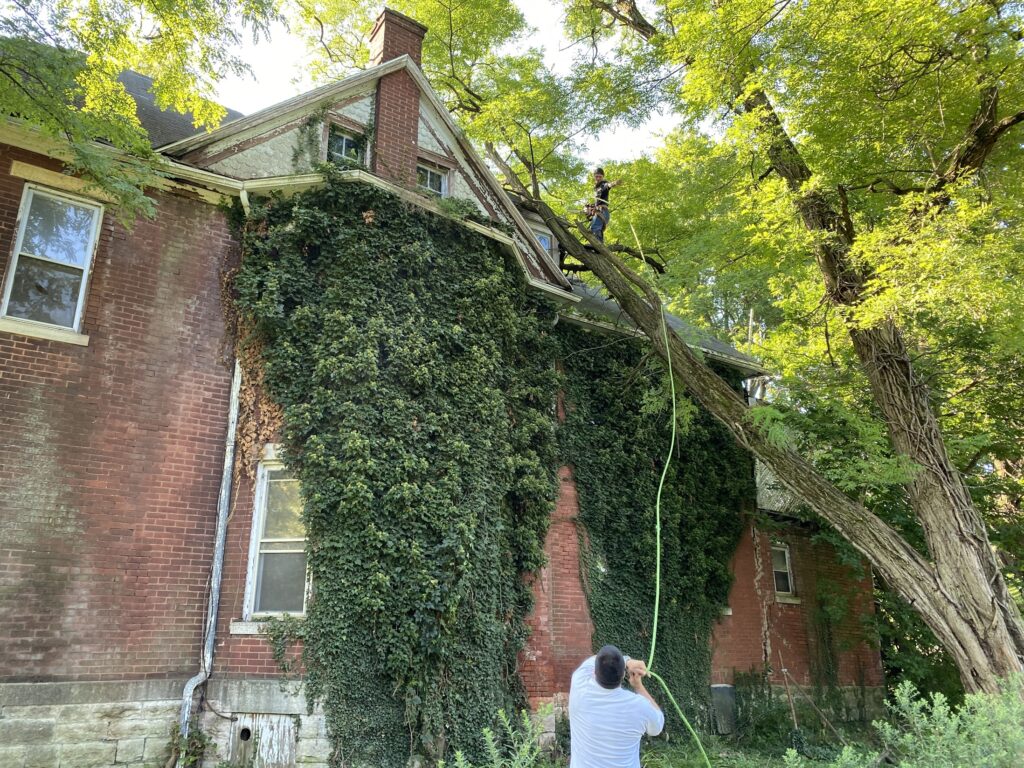
Property damage is the most frequent claim filed by arborists. When you are dismantling a 5,000-pound oak tree inches away from a client’s sunroom, the margin for error is razor-thin. However, liability insurance for tree service covers much more than just falling trees.
Structural Damage
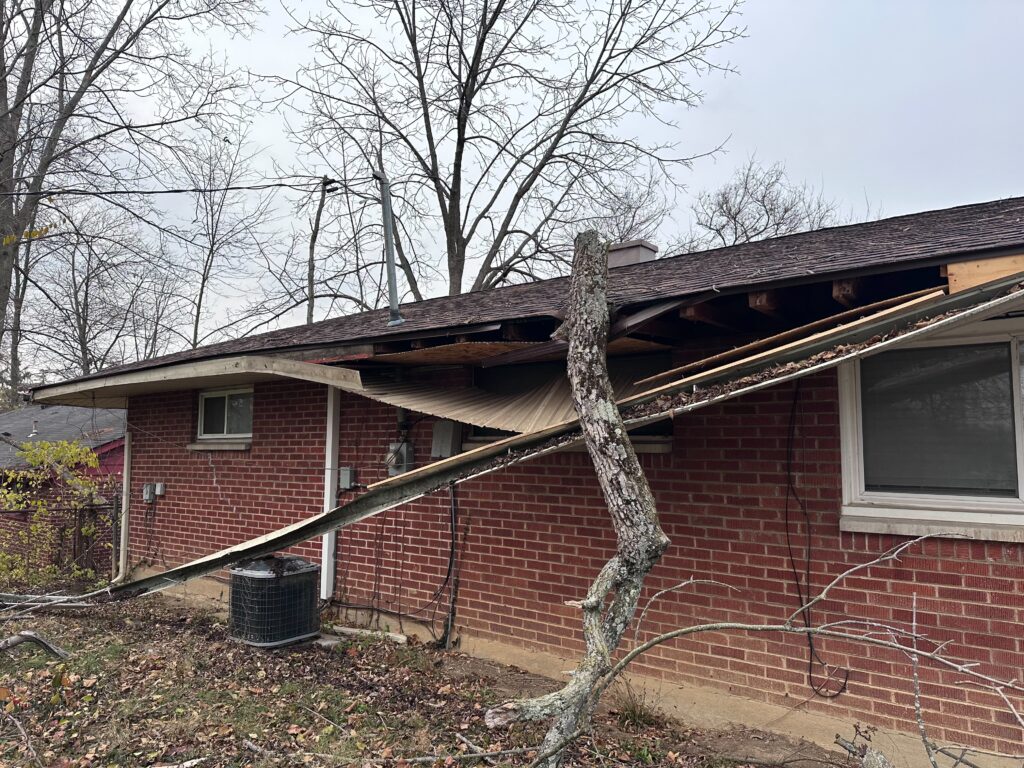
This is the nightmare scenario: a rigging line snaps, and a log crashes through a roof, deck, or garage. Your policy covers the cost of materials and labor to restore the structure to its original condition.
Landscape and Auxiliary Damage
Damage isn’t always caused by falling wood. It can also happen on the ground:
- Bucket Truck Ruts: If your heavy machinery cracks a client’s concrete driveway or destroys their pristine turf, liability coverage helps pay for the repairs.
- Chemical Spills: If you accidentally spill hydraulic fluid or pesticide on a client’s prize-winning rose garden, killing the plants, this is considered property damage.
Underground Utility Damage
Stump grinding carries a hidden risk: underground pipes and wires. If you strike a gas line, a fiber optic cable, or a sprinkler system, the repair costs can be astronomical. While you should always call 811 before digging, accidents happen, and your liability policy is there to cover the excavation and repair costs.
3. Personal and Advertising Injury: Reputation & Marketing Risks
Many tree service owners overlook this section, thinking it only applies to corporate giants. However, in the age of social media marketing, “Personal and Advertising Injury” is vital for small businesses.
This covers non-physical damages related to how you run and market your business:
- Libel and Slander: Let’s say you post a video on Facebook criticizing a local competitor for “butchering trees” or “scamming customers.” If that competitor sues you for defamation/slander, this coverage protects you.
- Copyright Infringement: If you accidentally use a photo on your website that belongs to another photographer without permission, or use a copyrighted song in your marketing video, you could be sued for intellectual property theft.
- Invasion of Privacy: If you take a drone shot of a job well done, but accidentally film the neighbor sunbathing in their backyard and publish it online, you could face a lawsuit for invasion of privacy.
Pro Tip: Always check if your policy includes “Completed Operations” coverage. This protects you if a tree you worked on causes damage after you have left the job site (e.g., a limb you trimmed improperly falls a week later).
How Much Does Liability Insurance for Tree Service Cost?
The cost of liability insurance for tree service varies significantly based on your business size and location. However, because tree work is classified as high-risk, premiums are higher than average trades.
On average, a small tree service business might pay between $1,500 and $4,500 annually for a General Liability policy with a $1 million limit.
Several factors influence your specific rate:
- Revenue: Higher revenue implies more jobs and more risk exposure.
- Payroll/Number of Employees: More workers on the ground increase the chance of an accident.
- Services Offered: Do you just trim, or do you also do stump grinding, removal, and emergency storm work? High-height work often carries higher premiums.
- Claims History: A history of frequent claims will drive your rates up.
- Location: Rates vary by state due to legal environments and weather risks.
Additional Coverages You Should Consider
While liability insurance for tree service is the foundation, it doesn’t cover everything. To score a “perfect 100” on your business protection, consider bundling these policies:
- Workers’ Compensation: Mandatory in most states if you have employees. It covers medical costs and lost wages for your crew if they get hurt. General liability only covers third parties.
- Commercial Auto Insurance: Your personal auto policy will likely deny claims if you are driving a truck for business purposes, especially if it’s towing a chipper.
- Inland Marine (Tool & Equipment) Insurance: This covers your expensive gear—chainsaws, climbing kits, and chippers—if they are stolen from a job site or damaged in transit.
- Professional Liability (Errors & Omissions): If you are a certified arborist giving advice on tree health, and a tree dies because of your diagnosis, this covers you against claims of negligence.
How to Lower Your Insurance Premiums
Insurance is a major expense, but there are ways to manage the cost of liability insurance for tree service without sacrificing coverage.
- Safety Programs: Implement documented safety training for your crew. Some insurers offer discounts for businesses with robust safety protocols.
- Bundle Policies: Purchasing your General Liability, Commercial Auto, and Workers’ Comp from the same carrier often unlocks a “multi-policy discount.”
- Raise Your Deductible: Agreeing to pay a higher deductible (e.g., $1,000 instead of $500) in the event of a claim can lower your monthly premium.
- Shop Around: Insurance rates fluctuate. Working with an independent broker who specializes in tree care can help you compare quotes from multiple carriers to find the best deal.
Navigating the Claims Process: A Step-by-Step Guide
Having liability insurance for tree service is one thing; using it is another. For many tree service owners, the moment an accident happens is chaotic. Knowing exactly how to handle the claims process can mean the difference between a payout and a denial. Here is your battle plan for when things go wrong.
Step 1: Secure the Scene and Mitigate Further Damage
Your first priority is safety. If a tree has fallen on a house, ensure no one is inside and that the structure is stable. If power lines are involved, contact the utility company immediately.
Most insurance policies have a clause requiring you to “mitigate damages.” This means you must take reasonable steps to prevent the situation from getting worse. For example, if a branch punctures a roof, you should tarp the hole to prevent rain from causing interior water damage. Failure to do so could lead the adjuster to deny the water damage portion of the claim.
Step 2: Documentation is King
Before you move a single log (unless necessary for safety), document everything. In the eyes of an insurance adjuster, if there are no photos, it didn’t happen the way you said it did.
- Take Photos and Video: Get wide shots to show the context (where the truck was, where the tree was) and close-ups of the specific damage.
- Witness Statements: If neighbors or passersby saw the accident, get their contact information and a brief recorded statement if they are willing.
- Incident Report: Have your crew foreman fill out an internal incident report immediately while memories are fresh.
Step 3: Notify Your Broker Immediately
Do not wait for the homeowner to get a quote for repairs. Call your agent as soon as the dust settles. Reporting the claim early allows your insurer to assign an adjuster and manage the communication with the homeowner. This prevents the homeowner from hiring an overpriced contractor and sending you a shocking bill later.
Step 4: Do Not Admit Liability
This is legally critical. You can be empathetic (“I am so sorry this happened, and we will do everything we can to fix it”) without admitting legal fault (“This was completely my mistake”). Admitting fault on record can sometimes void your coverage if it breaches your policy terms. Let the insurance investigators determine the liability.
The Hidden Trap: Subcontractors and Insurance Audits
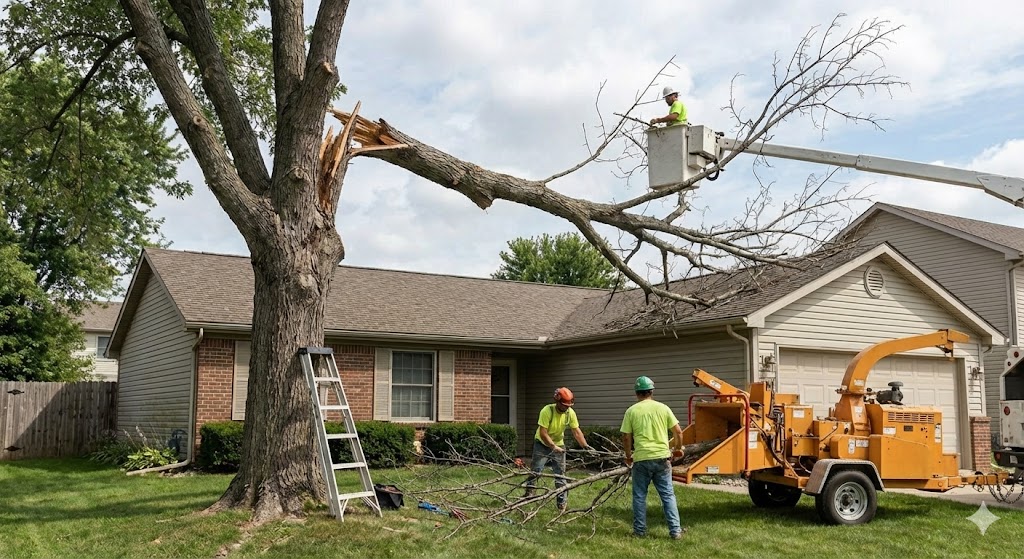
Many tree service businesses scale up by hiring subcontractors—contract climbers, stump grinders, or crane operators—rather than full-time employees. While this lowers your payroll, it introduces a massive gap in your liability shield if not managed correctly.
The “Uninsured Sub” Disaster
If you hire a contract climber who does not have his own General Liability and Workers’ Compensation insurance, he is viewed as your employee in the eyes of the law and your insurance carrier.
If that uninsured subcontractor drops a tree on a car, your insurance has to pay. If he falls and breaks his back, your Workers’ Comp is on the hook. This can destroy your loss history and skyrocket your future premiums.
The Premium Audit Surprise
At the end of your policy term, your insurer will conduct a premium audit. They will ask for tax records and proof of insurance for all subcontractors you paid.
If you paid a subcontractor $20,000 over the year and cannot produce a valid Certificate of Insurance (COI) for them, the insurance company will retroactively treat that $20,000 as payroll. They will then bill you for the premiums you should have paid on that “employee.” This often results in a surprise bill for thousands of dollars weeks after your policy expires.
The Fix: Never let a subcontractor touch a tree until you have a copy of their COI in hand, listing your business as a “Certificate Holder.”
What Is NOT Covered? Common Exclusions to Watch For
No liability insurance for tree service policy covers everything. In the high-risk world of arboriculture, carriers often add specific exclusions to limit their exposure. Reading the fine print (or asking your broker specifically about these) is non-negotiable.
1. The “Action Over” Exclusion
This is common in states like New York but is spreading elsewhere. It essentially removes coverage for lawsuits filed by your own employees against third parties (like the property owner) who then cross-sue you. It is a complex legal loop, but if your policy has an Action Over exclusion, you could be left personally liable for millions in damages. Always demand a policy without this exclusion.
2. Open Roof / Tarping Exclusions
Some cheaper policies exclude water damage if a roof was left open or improperly tarped. As mentioned in the claims section, knowing whether your policy covers interior rain damage after an external impact is vital.
3. Pollution and Chemical Drift
Standard General Liability policies usually have a “Pollution Exclusion.” This is a problem if you apply pesticides, herbicides, or fertilizers.
If you spray a tree for beetles and the wind carries the chemical into a neighbor’s koi pond, killing the fish, a standard policy will likely deny the claim. You need a separate Herbicide & Pesticide Applicator endorsement to cover chemical drift.
4. Expected or Intended Injury
This sounds obvious, but it covers “shortcuts.” If you intentionally fell a tree in a way that you knew was likely to cause damage (e.g., dropping a log on a shed because it was “easier” than rigging it down), the insurer can argue the damage was intentional and deny the claim.
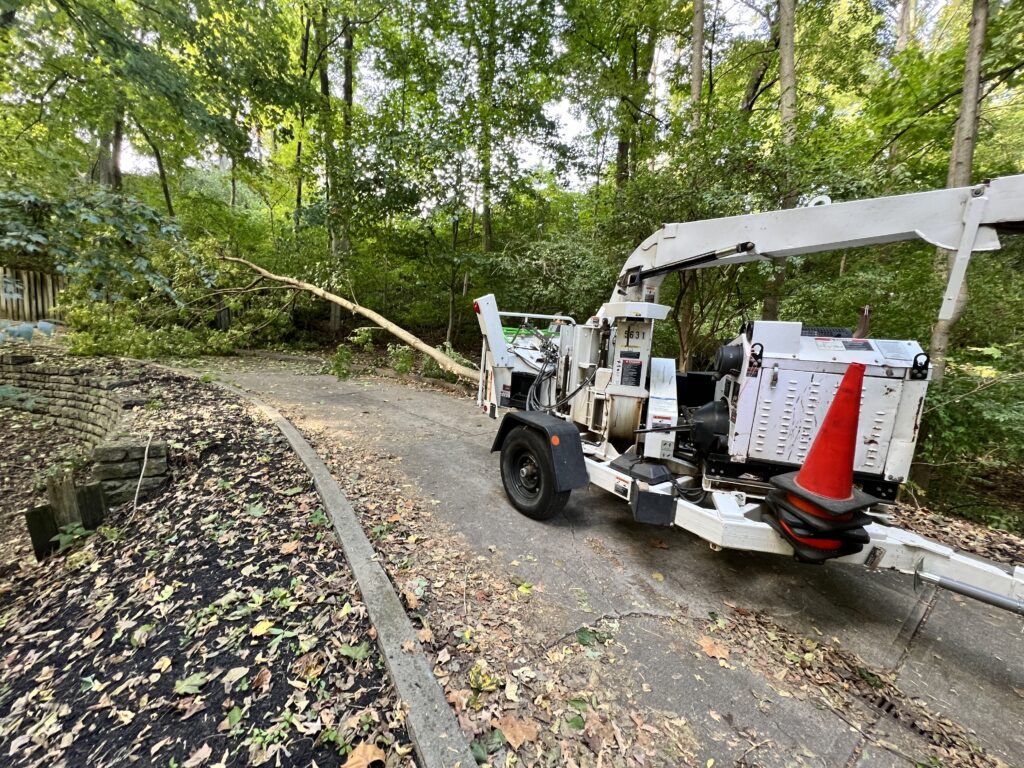
Protecting Your Iron: Inland Marine Coverage
We briefly mentioned equipment coverage, but for a growing tree service, this deserves a deeper look. General Liability protects others; Inland Marine protects you.
Why “Inland Marine”?
The name is an old insurance term. Think of it as “floater” insurance for property that moves around. Your bucket truck, chipper, skid steer, and stump grinder are not covered by your building property insurance because they leave the shop.
Scheduled vs. Blanket Coverage
When insuring your gear, you generally have two options:
- Scheduled Coverage: You list every major item (e.g., “2022 Vermeer BC1000XL Chipper”) and its specific value. This is best for big-ticket items.
- Blanket/Unscheduled Coverage: You set a lump sum (e.g., “$15,000 for miscellaneous tools”) to cover chainsaws, leaf blowers, ropes, and climbing saddles. This saves you from having to update your policy every time you buy a new chainsaw.
Rented Equipment
What happens if your chipper breaks down and you rent one for the week? If you damage the rental, are you covered? Many Inland Marine policies include “Hired Equipment” coverage, but you must verify the limit. If you rent a $100,000 crane but your hired equipment limit is only $50,000, you are exposed.
Winning Contracts: The Certificate of Insurance (COI) Game
In the commercial and municipal tree service world, the COI is your ticket to entry. Property managers, HOAs, and city governments will not even look at your bid without one.
The “Additional Insured” Request
Clients will often ask to be named as an “Additional Insured” on your policy. This gives them direct protection under your policy if they are sued because of your work. While this is standard practice, some insurance carriers charge a fee (e.g., $50-$100) for each additional insured endorsement.
Pro Tip: Ask your broker for a policy that includes “Blanket Additional Insured.” This allows you to add as many clients as needed without paying a fee each time or waiting for paperwork processing. It speeds up your ability to close deals and start work.
Beware of Fraudulent COIs
Sadly, some unethical tree services photoshop dates on old COIs to appear insured. Savvy clients now call brokers to verify. Never alter a COI yourself. Always have your broker generate it directly. Being caught with a falsified document is fraud and can lead to criminal charges.
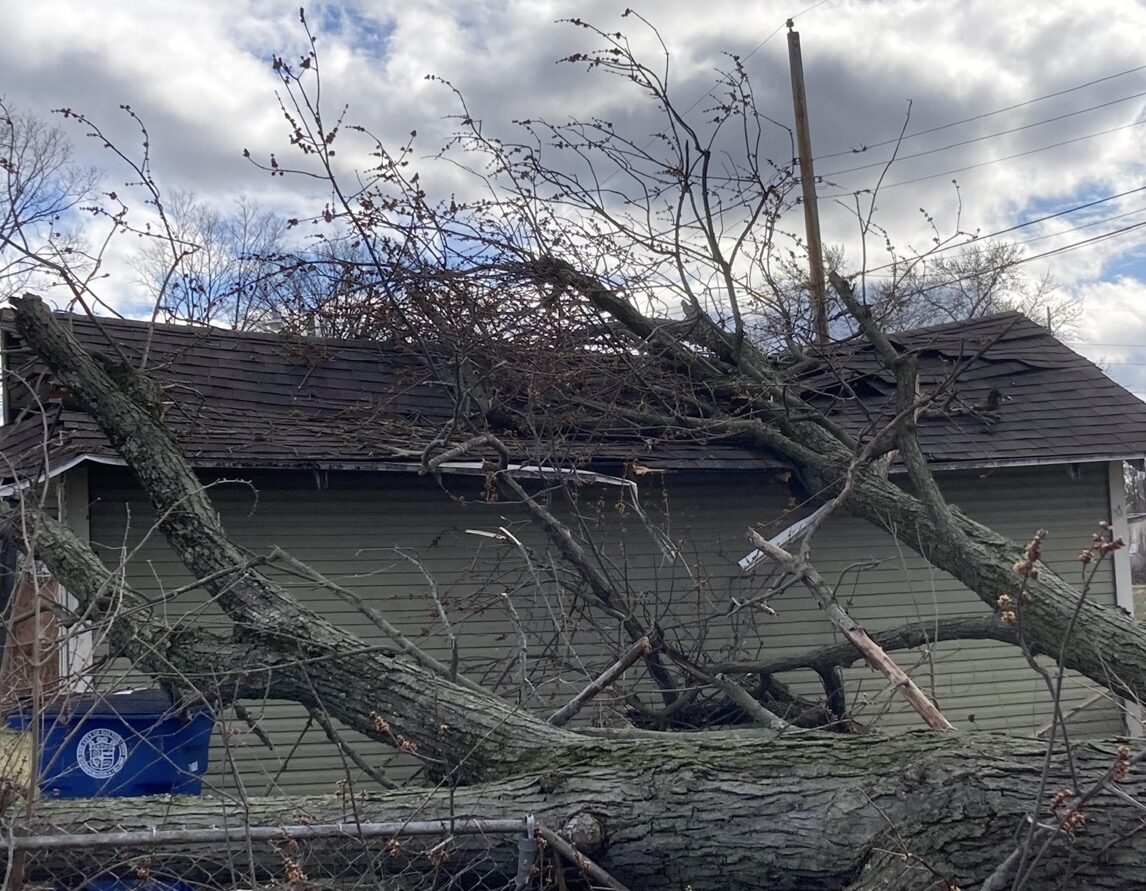
Can I Pause My Insurance in Winter?
In northern climates, tree work often slows down or stops completely in January and February. It is tempting to cancel your insurance to save cash, but this is a dangerous financial trap.
The Lapse in Coverage
If you cancel your policy, you create a “lapse.” When you try to buy insurance again in the spring, carriers will see this lapse. Many top-tier carriers will refuse to quote you, or they will charge you significantly higher “high-risk” rates. The money you saved in winter is often lost in higher spring premiums.
“Claims-Made” Risks
If you are on a “Claims-Made” policy (less common for GL but common for Professional Liability), you must have active insurance when the claim is filed, not just when the work was done. If you cut a tree in December, cancel insurance in January, and the tree dies and falls in February, you have no coverage—even though you were insured when you did the work.
The Better Alternative: “Lay-Up” Policies
Instead of canceling, ask your preferred insurance agency about a “Lay-Up” period for your Commercial Auto. You can reduce coverage to “Comprehensive Only” (fire/theft) for trucks that are parked for the winter, removing the expensive liability portion while keeping the policy active. For General Liability, many carriers base premiums on annual sales; if your sales are zero in winter, your audit at the end of the year should adjust the cost downward naturally.
Conclusion
In the tree care industry, one wrong cut can cost thousands of dollars. Liability insurance for tree service is the only way to ensure that a bad day on the job doesn’t turn into the end of your business.
By securing the right coverage, you protect your assets, build trust with clients, and unlock access to higher-paying commercial contracts. Don’t wait until an accident happens—review your policy today and ensure you are fully protected.
Frequently Asked Questions (FAQ)
We have compiled the most common questions arborists and tree service owners ask about their insurance coverage. Click on any question below to reveal the answer.
Do I need insurance if I only trim trees and don’t remove them?
Does General Liability cover my tools if they are stolen?
What is the difference between General Liability and Professional Liability for arborists?
How much coverage do I really need? Is $1 million enough?
Does my policy cover me if I use a crane?
Why is tree service insurance so expensive?
Can I be insured if I don’t have a certification?
What happens if I damage an underground sprinkler system?
Does my Personal Auto Policy cover my work truck?
What is a “Certificate Holder”?
Will my insurance cover snow removal in the winter?
Does liability insurance cover injuries to my employees?
What is an “Umbrella Policy” and do I need one?
Can I get temporary insurance for just one big job?
What is the “Height Exclusion”?
Are claims covered if I was negligent?
Does insurance cover damage to the tree itself?
How fast can I get a Certificate of Insurance?
What happens if I forget to pay my premium?
Is stump grinding covered under tree removal?
Advanced Questions About Liability Insurance for Tree Service
Below are 20 more specific questions we often hear from professionals looking to secure their business with liability insurance for tree service.
Is liability insurance for tree service tax deductible?
Does liability insurance for tree service cover herbicide drift?
What is the difference between a surety bond and liability insurance for tree service?
Can I get liability insurance for tree service if I only work part-time?
Does liability insurance for tree service cover work near power lines?
Why is liability insurance for tree service more expensive than landscaping insurance?
Will liability insurance for tree service cover damage to a client’s driveway?
Is liability insurance for tree service expensive for new businesses?
Can I buy liability insurance for tree service online instantly?
How do claims affect the cost of liability insurance for tree service?
Can I add my equipment to my liability insurance for tree service policy?
Does liability insurance for tree service cover bodily injury to me?
How do I prove I have liability insurance for tree service?
Will liability insurance for tree service cover my subcontractors?
Can I bundle liability insurance for tree service with other policies?
Does liability insurance for tree service cover emergency storm work?
Why do I need liability insurance for tree service if I have a waiver?
Can I reinstate cancelled liability insurance for tree service?
Does liability insurance for tree service cover advice I give?
How do I get the best quote for liability insurance for tree service?
Additional Reading
Explore more insurance insights and local guides from our blog:
- 5 Insurance Tips Every Oakwood Homeowner With a Slate Roof Should Know
- Montgomery County Home Insurance Guide
- Montgomery County Auto Insurance Guide
- Understanding Replacement Cost vs Actual Cash Value (Ohio Homeowners Guide)
- Insuring Vandalia’s Luxury Homes: What High-Value Homeowners Need to Know
- The Ohio Wind & Hail Problem: What Homeowners Need to Know
- Why Dayton Airbnb Hosts Shouldn’t Rely on AirCover Alone: Lessons From a Local Host
- Roof Age, Roof Materials, and Insurance Pricing in Ohio
- Why Some Homes Are Becoming Uninsurable in Ohio
- Why Ohio Homeowners Insurance Premiums Are Skyrocketing
View More Articles
- Ohio Insurance FAQ: Expert Answers From a Local Independent Agency
- A First-Time Homebuyer’s Guide to Ohio Home Insurance
- The Hidden Cost Drivers in Your Homeowners Premium
- Water Damage vs Flooding in Ohio: Insurance Differences Explained
- The Tornado Season in Ohio (Insurance Prep Guide)
- How to Compare Deductibles the Smart Way
- Kettering’s Trail’s End Corridor & The Southern Blvd Corridor
- Ohio’s Most Common Home Insurance Endorsements
- How Home Renovations Affect Insurance Rates in Ohio
- The Ultimate Ohio Home Maintenance Insurance Checklist
- A Deep Dive Into Liability Coverage for Ohio Homeowners
- Winter Storm Prep for Ohio Homes: The Insurance Guide
- How to Read an Ohio Home Insurance Policy Like a Pro
- The Ohio Auto Insurance Guide: What’s Changing and Why
- Best Discounts for Ohio Drivers: An Honest Guide
- Teen Drivers in Ohio: What Parents Need to Know
- Why Ohio Auto Rates Are Rising (And How to Keep Yours Low)
- How At-Fault Accidents Affect Your Insurance in Ohio
- Electric Vehicles and Insurance in Ohio: What Owners Should Expect
- The Complete Guide to Ohio Driving Laws
- The Most Dangerous Roads and Intersections in Dayton, Ohio
- What to Do After a Car Accident in Dayton, Ohio: A Step-by-Step Local Guide
- Rental Property Insurance Basics for Landlords in Wright-Dunbar, Dayton
- Why Wright-Dunbar Is Becoming Dayton’s Hottest New Housing Market (And What the New Simms Townhomes Mean for the Area)
- Short-Term Rentals & Airbnb in Oregon District: What Dayton Landlords Should Know
- The 6 Hidden Factors Affecting Homeowners Insurance in Centerville’s 45458 & 45459 ZIP Codes
- Auto Insurance in Arlington Heights, Dayton: Understanding Local Risk Factors
- Why Parked Cars Get Hit So Often in Dayton’s Older Neighborhoods — And How to Protect Yourself
- Wolf Creek Landlord Insurance: Vacant Property Risks for Local Rentals
- Homeowners Insurance for Wolf Creek Dayton Ohio
- Storm & Weather Risks for Homeowners in Linden Heights, Dayton
- Discover Fairlane, Dayton, Ohio: A Comprehensive Neighborhood Guide
- Liability Concerns for Home-Based Businesses in University Row, Dayton
- Tiny Homes & ADUs in Preble County, Ohio: Local Insurance Guide for New Paris and Beyond
- Why Is Insurance Cheaper in Greene County Than Montgomery County? An Exhaustive Analysis for Ohio Homeowners and Drivers
- College Hill Dayton Homeowners Insurance: Insurance Perspectives for Historic Homes
- Auto Insurance in Belmont, Dayton: What Local Drivers Need to Know
- Car Insurance Discounts for Drivers in Eastern Hills, Dayton
- Handling Claims on Rental Properties in Princeton Heights, Dayton
- Ohio Mobile Home Insurance: A Comprehensive Guide
- Ohio Boat and Watercraft Insurance
- Ohio Rental Property Insurance: A Comprehensive Whitepaper for Landlords and Investors
- Rental Property Insurance for Duplex Owners in Little Richmond
- A Homeowners Insurance Guide for Grafton Hill, Dayton
- Homeowners Insurance for the Huffman Historic District in Dayton, Ohio
- Oakwood Homeowners Insurance: East vs. West of Far Hills Avenue
- Insurance for Oakwood Rental Properties: A Examination of Oakwood’s Single-Family Rentals and Four-Unit Buildings
- Dayton HVAC Insurance Guide: Coverage, Costs & Requirements for Local Contractors
- Small Business Insurance in Dayton, Ohio
- Dayton Homeowners Insurance Costs: What’s Driving Rates & How to Save
- Dayton Renters Insurance: What Tenants Need to Know
- Commercial Auto Insurance in Dayton for Contractors, Trades & Service Businesses
- SR-22 Insurance in Ohio: A Clear Guide for High-Risk Drivers
- Flat Tires in Dayton: The City’s Alley System, and What Your Auto Insurance Really Covers
- Insuring the Mt. Vernon Estate Pocket East of Salem Avenue: A Deep Risk Analysis for Homeowners
- Steam Showers and Home Insurance: What Ohio Homeowners Need to Know Before Installing One
- How ZIP Codes Have Astounding Influence Home Insurance Rates in Montgomery County, Ohio
- Ohio Life Insurance 101: Costs, Coverage, and What Families Absolutely Need to be Better Off in the Future
- School Districts & Home Insurance in Ohio: How District Lines Impact Rates, Risk, and Home Value
- Insurance for Ohio Teachers: An Excellent Guide for Home, Auto, and Life Coverage
- The Unfortunate Hidden Cost of Old Electrical Systems in Ohio Homes
- How Remote Work Changes Your Home Insurance – 6 Factors Every Ohio Family Absolutely Needs to Know
- Are Oakwood Homeowners Underinsured? 4 Critical Problems You Shouldn’t Ignore
- Small Business Insurance Checklist for Shops Near Downtown Dayton
- Accident Prevention for Commuters in Edgemont, Dayton – 2026 Insurance Guide to Avoid Costly Mistakes
- How to Invest in a “Bad Area” in Ohio: Smart Strategies for High-Risk Property Investment
- East Dayton vs West Dayton Insurance: What the Data Actually Says (Not the Stereotypes)
- The Truth on How New Gas Stations Affect Home & Auto Insurance in Montgomery County
- Flood & Water Damage Concerns for Homes in Lakeview, Dayton | 4 Things You Absolutely Must Know Before it’s Too Late
- Home Insurance in Edgemont: Dayton’s #1 Most Desirable Emerging Neighborhood
- South Park Historic Homes Insurance in Dayton: What Every Homeowner Should Absolutely Know in 2026
- Kittyhawk Dayton Home Insurance: Flood Zones, Wind Risk & Military Relocation
- Electricians in Walnut Hills, Dayton: Liability and Tools Coverage Explained
- Home Insurance in DeWeese: Remarkable Architecture and Country Style Lots in the Middle of a City
- Tornado & Storm Safety for Homeowners in St. Anne’s Hill, Dayton
- Belmont, Dayton Ohio: 5 Important Insurance Considerations in a Mixed-Use Neighborhood
- Home Insurance in Carillon: Key Factors for a Neighborhood on the Brink of Massive Appreciation
- Do You Have to Have Boat Insurance in Ohio?
- Insure Vacant Land: A Comprehensive Analysis of Liability Exposure, Risk Transfer Mechanisms, and Policy Considerations
- The Complexities of Insuring Homes on Large Plots of Land: A Comprehensive Guide (7) for Rural Property Owners